
Image Credit - By Chase N., Wikimedia Commons
Tunbridge Wells Curling Club’s Olympic Ambition
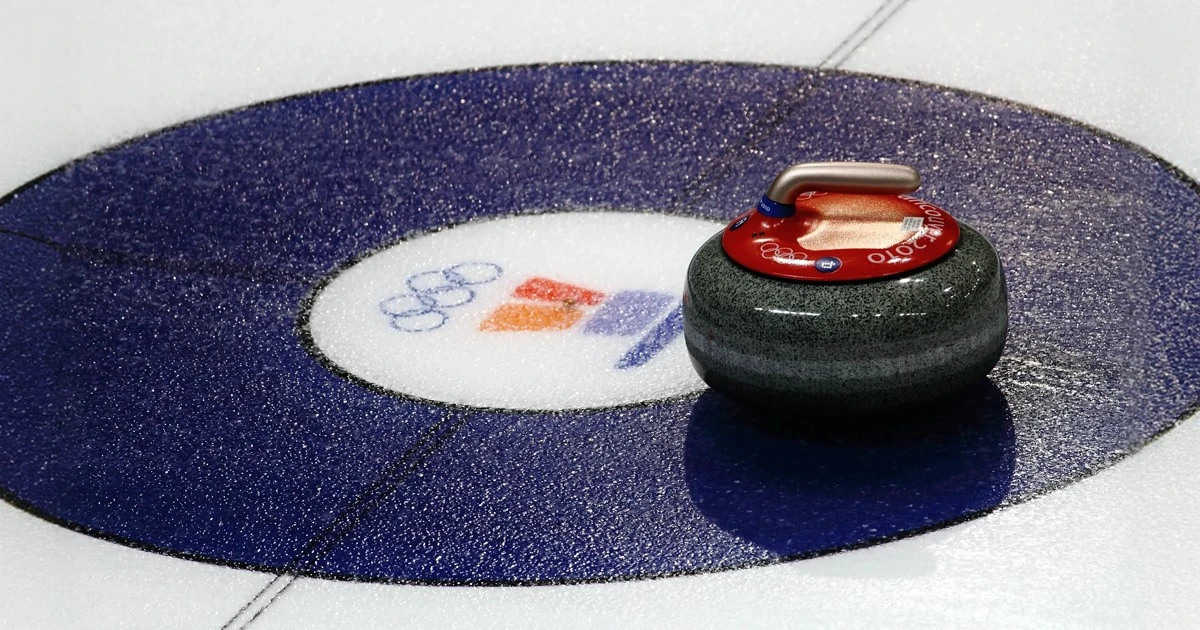
Watching a 44-pound piece of solid granite slide across a frozen surface creates a brilliant illusion of simplicity. You hear the dull roar of the stone gliding over pebbled ice. You see the sweepers furiously brushing the lane. Viewers at home observe players releasing heavy rocks, completely missing the brutal geometry dictating every millimeter of movement. A single silver medal showing on global television suddenly rewires the weekend habits of an entire community. The 2026 Winter Olympics started this precise chain reaction across the country.
The Tunbridge Wells Curling Club experienced an unprecedented surge in membership immediately following the games. People who previously spent their freezing winters completely indoors now crowd the local rink. They eagerly step onto the ice, fully expecting a casual and effortless new hobby. They quickly collide with a ruthless test of physical precision and mental endurance. This sudden athletic obsession transforms ordinary citizens into dedicated students of ice friction. They soon realize the sheer difficulty of learning a sport requiring extreme exactness. The cameras capture the triumph, but the local ice reveals the punishing learning curve.
The Olympic Spark at Tunbridge Wells Curling Club
A televised sporting achievement transforms passive viewing into a localized obsession within weeks. Team GB men secured a highly coveted silver medal at the 2026 Winter Olympics. This massive international victory sent immediate shockwaves through local communities back home. At the Tunbridge Wells Curling Club, the volunteer staff witnessed an absolute flood of eager newcomers. Roughly one thousand distinct visitors walked through the facility doors shortly after the closing ceremonies. They desperately wanted to try the sport themselves.
Curious locals often search online, why did curling get so popular recently? The 2026 Winter Olympic broadcast exposed millions of viewers to the strategic depth of the game, driving massive local participation. Volunteer coach Steve Lea noted this immense influx of curious beginners trying their hand at the stones. The sheer volume of people demanding ice time completely altered the club's daily operations. The staff ran non-stop trial sessions just to accommodate the surging public interest. Coaches worked extensive overtime hours to teach basic safety and basic delivery techniques to a massive crowd of absolute beginners. The silver medal performance effectively acted as a massive recruitment drive for the local organization. The television broadcast ended, but the local momentum strictly continued.
The Illusion of Easy Success
A sport accommodating every body type still severely punishes a lack of mental focus. Television coverage makes the delivery of a heavy stone look like a gentle, completely natural glide. Beginners arrive at the Tunbridge Wells Curling Club anticipating instant success on their very first day. Tom North, a complete newcomer entirely lacking an athletic background, found a harsh physical reality on the rink. He found the actual gameplay significantly more difficult than the smooth Olympic broadcasts suggested.
He wrestled intensely with maintaining his core balance on the highly slippery surface. He struggled repeatedly to find the exact release point necessary to send the rock accurately toward the distant target. Despite these highly frustrating early hurdles, he found a massive level of enjoyment in conquering the challenge. The sport universally promises total accessibility for the masses. Steve Lea specifically points out that chronological age and specific physical fitness levels present absolutely zero barriers to basic entry. Almost anyone can safely step onto the ice and successfully throw a rock down the lane.
The Steep Climb from Hobby to Professional Teams
Weekend enjoyment quickly collides with the strict physical precision necessary for high-level play. Throwing a stone for basic fun requires minimal physical effort. Consistently hitting a painted target sixty feet away demands intense dedication. Club coach Ben Gillard observes a massive divide between amateur fun and competitive play. According to a Guidewire blog post about elite competition, reaching a high level of proficiency requires intense mental focus. The article notes that it demands exacting technical movements and thousands of hours on the ice. It also highlights that players spend years refining their delivery mechanics.
Weekend hobbyists quickly face a distinct choice. They can continue playing casual weekend matches purely for personal enjoyment. Alternatively, they can commit to the grueling, hyper-competitive path toward national squad membership. The professional route eliminates the casual nature of the game. It demands a rigorous daily training schedule. Players focus endlessly on microscopic technical adjustments. The local club provides the basic training ground for both pathways. Beginners slowly transform into serious athletes under the watchful eyes of experienced coaches.
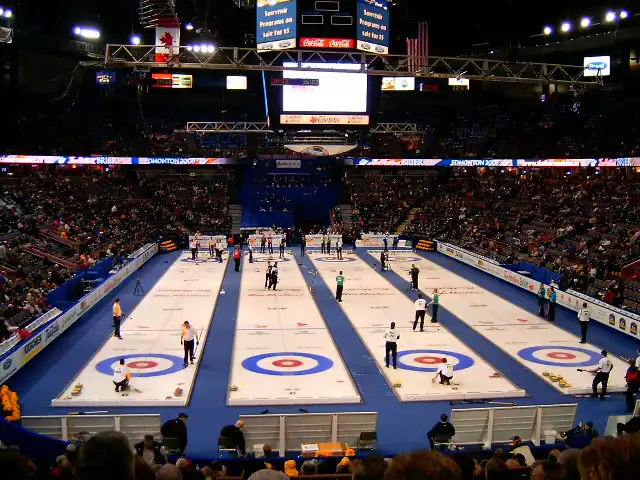
Image Credit - By Wikimedia Commons
The Brutal Geometry of the Curling Ice Sheet
A seemingly flat playing surface operates as a shifting terrain of microscopic friction. Competitors play entirely on a custom curling ice sheet. This frozen corridor measures strictly between 146 and 150 feet in length. Officials tightly regulate the width between 14.5 and 16.5 feet. At the far end of this icy expanse lies the "house." This bright target consists of distinct concentric circles. The primary scoring system relies on a basic spatial rule. Teams score points when they place their rocks closer to the absolute center of the house than their opponents manage to do. New fans regularly ask, how long does a curling match last? A standard match consists of 10 ends and typically takes up to three hours to complete.
The Four Essential Team Roles
A traditional competitive team features four distinct player roles. The Skip dictates the overarching strategy and throws the final stones. The Vice-Skip manages the house when the Skip throws. The Second throws the middle stones. The Lead throws the first two stones and handles the majority of the aggressive sweeping duties. Every single player directly influences the final trajectory of the moving rock. Players navigate this slippery arena wearing highly custom footwear. One shoe features a Teflon-soled slider allowing for a smooth glide. The opposite shoe utilizes a firm rubber gripper providing essential traction for walking and sweeping.
The 44-Pound Granite Puzzle
A rock’s precise geological origin dictates its behavior during high-stakes competition. According to Scientific American, professional curling stones require extremely durable materials to survive constant collisions on the ice. Manufacturers craft these massive 38-to-44-pound weights from highly resilient granite. The publication notes that they source this unique stone from two highly specific global locations. It explains that they extract the premium rock exclusively from Ailsa Craig in Scotland and the Trefor Quarry in Wales. This specific Scottish and Welsh granite resists absorbing moisture. This exact feature prevents the heavy stones from cracking under freezing arena temperatures. Players guide these heavy objects using custom synthetic brooms.
The Science of Sweeping
Sweepers frantically rub the frozen surface immediately ahead of a moving stone. According to a study appearing in the National Center for Biotechnology Information (NCBI), this intense physical action generates heat. The research indicates that the heat briefly melts the ice and significantly reduces surface friction. The aggressive sweeping straightens the rock's curved trajectory. It also substantially extends the total distance of the throw. The players actively manipulate the ice surface rather than the stone itself.
The Wheelchair Contradiction at Tunbridge Wells Curling Club
True accessibility requires a complete rewrite of the standard equipment rules. The general claim of universal accessibility faces a harsh reality when addressing severe mobility impairments. Able-bodied players use strong leg drives and furious sweeping to control the pace of the game. As JudgeMate's scoring rules state, wheelchair curling entirely strips away these massive physical advantages. The guide explains that players with mobility challenges navigate a completely different physical reality on the ice.
They use custom delivery sticks to push and release the stones. They perform this action from a stationary seated position. The rules strictly specify that they play the entire game completely without sweepers. The moving stone relies completely on the thrower's exact initial angle and sheer release force. This necessary adaptation turns the game into a pure, unforgiving test of release accuracy. The Tunbridge Wells Curling Club actively welcomes players of all physical abilities. The staff fully acknowledges these necessary equipment shifts to maintain fairness. The core mental strategy remains perfectly identical. The physical execution simply changes form.
A 16th-Century Game in Modern Times
A pastime originating on frozen Scottish ponds survives because it absorbs modern athletic intensity. According to Scottish Curling, historical records trace the earliest origins of the game back to 16th-century Scotland. Flemish paintings from the exact same historical period also depict peasants playing early versions of the game on frozen canals. The organization notes that researchers found the very first written evidence of the sport in Paisley, Scotland. They explain that this specific documentation dates back to the year 1540. Furthermore, according to World Curling's official history, the sport slowly evolved from a rural pastime into a highly structured international competition. The organization states that the game made a retroactive Olympic debut at the 1924 Chamonix Games in France. Finally, as Olympics.com documents, the Olympic committee granted the sport official medal status decades later at the 1998 Nagano Games in Japan.
The Rise of Mixed Doubles
Today, modern audiences gravitate toward newer formats of the game. Mixed doubles curling offers a significantly faster and more aggressive variant of the traditional team setup. Zoe Miles, a beginner at the local club, watched her children develop a deep fascination with the Olympic mixed doubles events. She fully expects her entire family to participate in the sport as her children reach maturity. Teams consist of exactly one male and one female player. Each squad uses only five stones per team instead of the traditional eight. This rapid-fire format dramatically increases the scoring pace. It forces players to make split-second strategic decisions under intense time pressure.
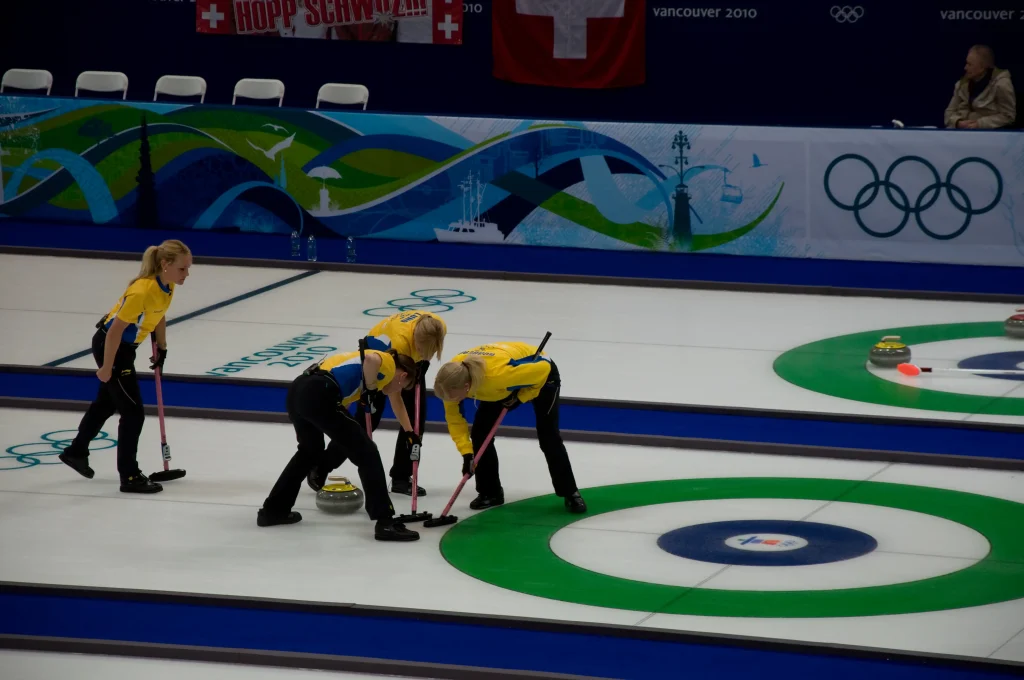
Image Credit - By Jonathan Pope from Vancouver, Canada, Wikimedia Commons
The Milano Cortina Paralympic Stone Theft
Thieves targeting custom sporting goods expose the strange financial value of niche athletic equipment. High-profile international events require massive logistical preparation months in advance. As The Guardian details, Olympic officials painstakingly prepared exactly 128 stones for the upcoming 2026 Winter Paralympics in Milano Cortina. The news outlet reports that criminals severely disrupted these exact preparations when they stole two of these highly custom granite rocks directly from the venue. Spectators naturally wonder, what is the value of a stolen curling stone? A separate report from The Guardian states that a single custom stone costs roughly £750 due to the rare granite and exact manufacturing it demands.
A World Curling spokesperson publicly confirmed the brazen theft of the granite rocks from the sporting arena. The official also noted an active and ongoing police inquiry into the incident. This highly unusual crime clearly highlights the severe costs of Olympic-level event preparation. Thieves likely targeted the heavy stones completely failing to understand their total lack of secondary market resale value. The highly recognizable nature of the specific Ailsa Craig granite makes the stolen sporting equipment almost impossible to fence to legitimate buyers. The authorities continue searching for the distinct heavy objects as the international games rapidly approach.
The Enduring Appeal of Tunbridge Wells Curling Club
The sudden influx of amateur players exposes the intense appeal of a highly demanding sport. Beginners walk into the frozen arena hoping for a relaxing weekend activity. They leave the facility holding a deep respect for the precise physics governing every single match. The 2026 Winter Olympics broadcast sparked this massive initial wave of curiosity. The sheer difficulty of the game keeps the local players coming back for more punishment and triumph. The Tunbridge Wells Curling Club will continue to channel this massive Olympic excitement into long-term athletic development. A silver medal flashing on a screen started the massive community rush. The relentless pursuit of a mathematically perfect throw will permanently sustain it. Local players will keep arriving at the rink, lacing up their slider shoes, and staring down the long sheet of ice.
Recently Added
Categories
- Arts And Humanities
- Blog
- Business And Management
- Criminology
- Education
- Environment And Conservation
- Farming And Animal Care
- Geopolitics
- Lifestyle And Beauty
- Medicine And Science
- Mental Health
- Nutrition And Diet
- Religion And Spirituality
- Social Care And Health
- Sport And Fitness
- Technology
- Uncategorized
- Videos

