
The 100-Mile Mongolia Ice Marathon
Extreme cold forces the human heart to prioritize the core, leaving the feet to suffer the consequences of the frozen ground. This internal shift defines the struggle of anyone attempting the Mongolia ice marathon across the frozen surface of Lake Khuvsgul.
Anya Eames stepped onto the ice at 51 years old. She did not bring the typical resume of a professional athlete. Instead, she brought the perspective of a caregiver parent and a community leader from Frampton on Severn. Over four days, she covered 100 miles in temperatures that plummeted to -38 degrees Celsius. This environment strips away everything except the basic need for forward motion.
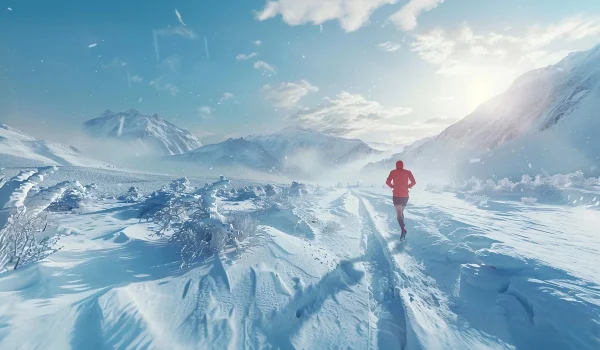
Lake Khuvsgul sits in northern Mongolia, surrounded by wilderness where wildlife is abundant. Information from Discover Mongolia states the surrounding national park is larger than Yellowstone and provides a habitat for brown bears, wolves, elk, and Siberian moose. According to the event organizers at Rat Race, the goal for participants is to travel the full length of the lake from north to south using a bicycle, skates, or on foot. The surface changes constantly. One mile offers smooth glass, while the next presents jagged ridges or deep snow. This unpredictability dictates how a runner moves, eats, and survives. Anya faced these conditions to raise funds for Increase the Peace and the Great Western Air Ambulance. She changed a personal milestone into a lifeline for her community.
Adapting to the Unpredictable Mongolian Climate
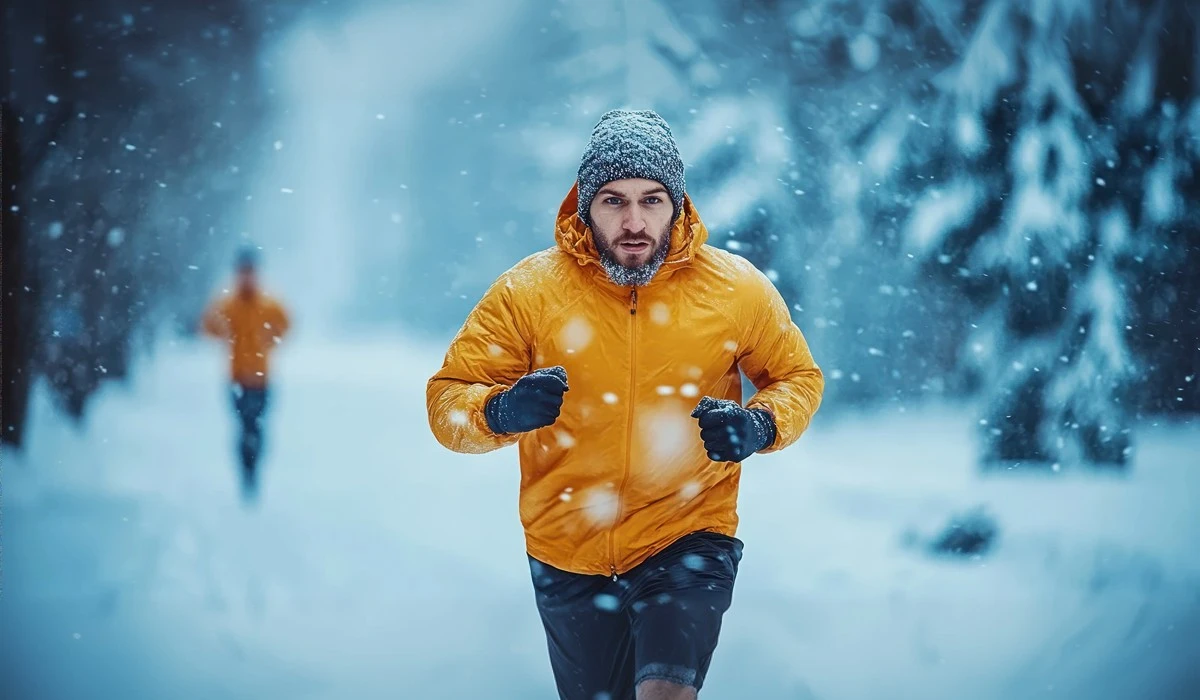
Arctic air freezes sweat instantly, turning a runner’s clothing into a layer of ice against the skin. This immediate change creates a constant struggle to maintain body heat. During the Mongolia ice marathon, the weather ignored the initial forecasts. While the team expected -30 degrees, the actual temperature dropped much lower.
Heavy snowfall covered the lake before the race began. This snow changed the texture of the surface, making the original plan for a 100-mile ice skate impossible. Anya had to adapt her strategy on the spot. She ended up running 80 miles of the course using metal spikes called cleats. She only used her skates for the final 20 miles.
How cold is Mongolia in the winter? While Khuvsgul is brutal, The Print notes that some athletes compete in even harsher conditions, such as a Siberian marathon where temperatures hit -52 degrees Celsius. Usually, winter temperatures drop below -30 degrees Celsius, often reaching -40 in the northern regions like Lake Khuvsgul. These conditions turn simple tasks into life-threatening challenges. Changing clothes or stopping for a meal brings the risk of frostbite within minutes. Every movement requires calculation to prevent the loss of extremities.
The Physical Toll of Running on Solid Ice
Frozen lakes offer zero shock absorption, sending every vibration from the strike directly into the bone. A standard road gives slightly under the weight of a runner, but the ice of Lake Khuvsgul remains perfectly rigid. This hardness creates a specific type of agony in the feet and joints.
Anya described the sensation as a constant hammer blow to her soles. Within sixty minutes of starting each day, her feet reached a level of pain that most people never experience. She had to use cleats to gain traction on the slick surface. Without these spikes, the runner spends more energy trying to stay upright than moving forward.
Ironically, the transition to skates offered a different type of difficulty. While gliding requires less aerobic effort than sprinting, it demands extreme cognitive focus. One small crack or a patch of rough ice can lead to a severe tumble. Anya experienced this firsthand when she suffered a hard fall during the skating portion. What is the longest ice marathon in the world? Most organized ice marathons cover the standard 26.2 miles, but multi-day events like the Mongol 100 extend to 160 kilometers.
Overcoming the Fear of the Deep
Transparent ice reveals the depth you usually ignore, triggering a survival response in the brain. Anya Eames lives with a severe phobia of water. This fear stems from past swimming lessons that resulted in permanent hearing loss. Standing on the Mongolia ice marathon course meant looking directly through the surface into the dark water below.
The ice on Lake Khuvsgul can be several feet thick, yet it remains clear enough to see the lakebed. This visual reminder of the water beneath creates a mental barrier for anyone with aquatic fears. Anya had to confront this phobia with every step. She moved across miles of frozen water while knowing exactly what lay underneath her feet.
This mental strain adds to the physical exhaustion. The brain works overtime to process the perceived danger while the body struggles against the cold. Many people ask, can you fall through the ice on Lake Khuvsgul? While the ice usually supports heavy weight, a report from english.news.cn highlights the danger by noting that two individuals recently died when their vehicle broke through the frozen surface. Furthermore, as reported by the Economic Times, seismic movement and geothermic springs cause the ice to melt in specific spots, creating dangerous cracks and holes that runners must navigate.
The Role of Local Guides and Survival Tactics
Tradition often provides the heat that modern gear cannot supply. The organizers of the Mongolia ice marathon employed local Mongolian horsemen to protect the participants. These guides understand the land in a way that no GPS or satellite phone can replicate. They watched for predators and provided the necessary logistical support to keep the runners moving.
Wildlife threats are a reality in northern Mongolia. Wolves and bears inhabit the surrounding forests, and the horsemen served as a security measure for the twenty international participants. These guides also introduced Anya to local recovery methods. Each evening, they provided shots of vodka to the runners.
While Western runners might reach for protein shakes or specialized recovery drinks, the local guides insisted on alcohol. They believed the vodka boosted internal heat and reduced the sensation of pain in the joints. Anya initially hesitated but eventually accepted the local wisdom. She found that the drink helped her manage the intense foot agony and prepared her for the next day of the 100-mile trip.
Why Community Support Matters for Youth
A safe space for teenagers prevents the violence that grows in empty streets. Anya’s motivation for the Mongolia ice marathon went far beyond her 50th birthday milestone. She focused on the youth in her village of Frampton on Severn. The 2021 stabbing of 16-year-old Ramarni Crosby shook the community and highlighted a lack of resources for young people.
Anya founded a youth club to provide a secure social space. She wanted to offer mentorship and practical skills, such as bushcraft workshops. These workshops teach the proper utility of tools like knives, emphasizing their use as instruments for survival and craft rather than weapons. She recognized that a lack of role models often leads teenagers toward poor choices.
Delroy Ellis, who runs the Gloucestershire-based charity Increase the Peace, noted a fifteen-year decline in teen centers. This decline leaves a vacuum in the community. Anya raised over £1,500 during this race, and over £7,000 across all her challenges, providing the funds necessary to keep these outreach programs alive.
Navigating the Logistics of Extreme Environments
Simple biological functions become tough operations when the air freezes your breath to your face. On the Mongolia ice marathon trail, runners cannot simply stop whenever they feel like it. The logistics of eating and using the restroom dominated the conversations between competitors. Every time a runner exposes skin to the -38C air, they invite injury.
Anya moved through a terrain where she could see for miles without spotting another human soul. This vastness creates a sense of isolation that can break a runner’s spirit. The group of twenty participants relied on each other for morale. They discussed the mundane details of survival to keep their minds off the physical pain.
Meals were a race against time. If food sat out for too long, it froze solid. If a runner moved too slowly while eating, their core temperature dropped. This constant pressure turns the act of nourishment into a calculated risk. Anya managed these risks by maintaining a steady pace and relying on the support of her team.
The Legacy of the 100-Mile Trek
Crossing the finish line ends the race but begins a new cycle of local change. When Anya Eames finally reached the end of the 100 miles, she collapsed in tears. The physical state of her body was shattered. She had pushed through foot agony, falls, and the psychological weight of her phobia to complete the Mongolia ice marathon.
She proved that an ordinary person could achieve extraordinary goals through persistence. As a caregiver parent, she wanted to show the teenagers in her care that they can expand their boundaries. She rejected the label of "athlete," preferring to see herself as a mother who wanted to make a difference.
The funds she raised will support the Great Western Air Ambulance and continue the work of Increase the Peace. These organizations provide services and mentorship to people in their most vulnerable moments. Anya already views future challenges as a possibility. The pain of the frozen lake will fade, but the results of her 100-mile trek will remain in the youth club and the lives of the people she helped.
Strength Through the Frozen Silence
The true challenge of the Mongolia ice marathon lies in the confrontation between human will and an indifferent environment. Anya Eames finished the 100-mile trek across Lake Khuvsgul not because the conditions were favorable, but because her purpose was stronger than the pain. She traded the comfort of home for a terrain of -38 degree air and rock-hard ice.
This trek highlights a simple truth: local problems often require global effort to solve. She ran across a Mongolian lake, and a caregiver parent from a small village secured the future of a youth club miles away. The cold may have battered her body, but the warmth of her mission carried her to the finish line. Anya’s experience reminds us that the most difficult paths often lead to the most meaningful destinations.
Recently Added
Categories
- Arts And Humanities
- Blog
- Business And Management
- Criminology
- Education
- Environment And Conservation
- Farming And Animal Care
- Geopolitics
- Lifestyle And Beauty
- Medicine And Science
- Mental Health
- Nutrition And Diet
- Religion And Spirituality
- Social Care And Health
- Sport And Fitness
- Technology
- Uncategorized
- Videos

