
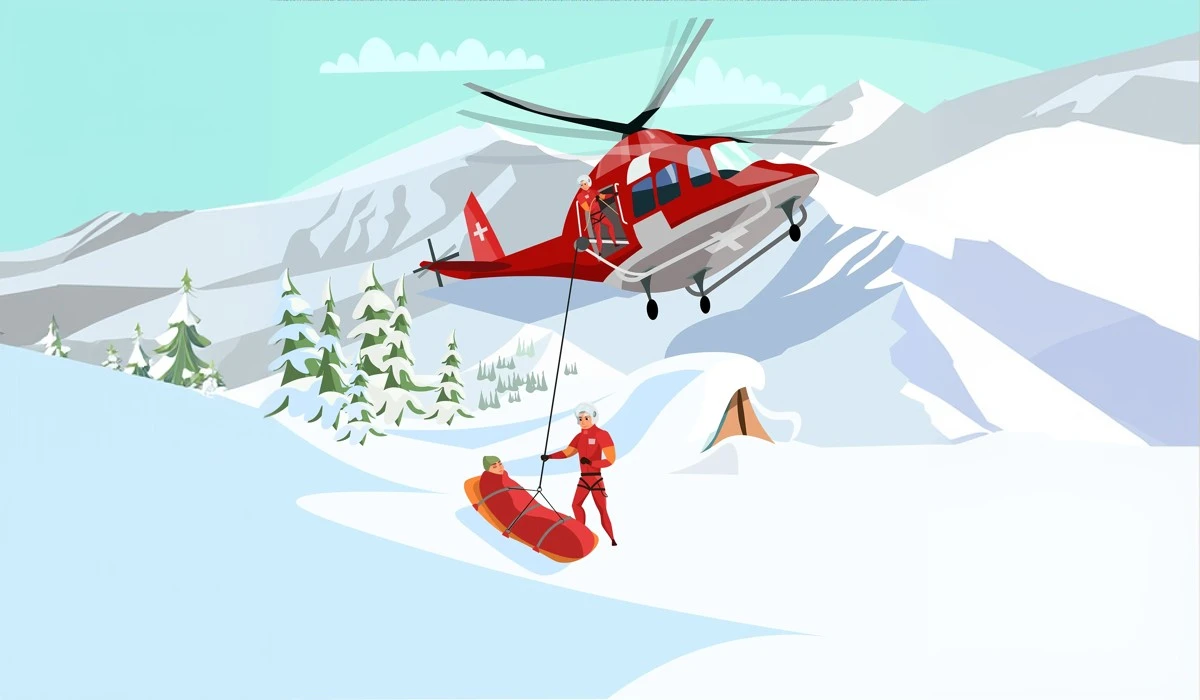
Mountain Rescue Emergencies Driven by Inexperience
Mike Park used to handle 10 to 15 rescue callouts a year. Now he manages around 100. Same mountains. Same trails. Entirely different hikers.
Park is a rescue leader, and what he describes is not an anomaly. Between 2018 and 2024, the hill and mountain climber population in the UK grew from 2.8 million to 3.6 million. As those numbers grew, so did mountain rescue emergencies. Not because the mountains got more dangerous. Because the people heading into them got less prepared.
For decades, rescue crews hauled out hikers with broken bones. Physical incapacitation caused 70% of all distress calls. A climber fell, snapped something, and needed a stretcher. Today, rescue teams retrieve perfectly healthy adults who have frozen in place on a steep ridge, too scared to move and lacking the skills to get themselves down. Mountain rescue emergencies now happen more because of panic and poor preparation than because of accidents.
The New Profile of Mountain Rescue Emergencies
The most common injury on a modern trail happens in the mind. Hikers reach a steep ridge, look down, and realize they have neither the confidence nor the equipment to take another step. So, they call for help. Park says people now treat high-altitude terrain like a local walking path. They expect rescue teams to function like a taxi service when the weather turns cold. What are the most common causes of mountain rescues? Most rescues today happen because hikers experience severe panic and lack basic wilderness preparation. The root cause is simple: people are entering harsh environments with no real understanding of what those environments demand.
That is not a fringe problem. It spans every age group and background. Diminished wilderness knowledge has spread across all demographics, and the consequences show up in rescue logs every single week.
How Viral Content Masks True Danger
A single 15-second video can convince thousands of novices they have the skills of a seasoned mountaineer.
Viral landmarks now serve as targets. Platforms like TikTok and Instagram flood feeds with filtered versions of real terrain. Users see spectacular views. They miss the freezing temperatures, severe slope conditions, and skill requirements those locations actually demand. This digital misrepresentation turns into physical danger. People follow online labels marking paths as "easy." According to the British Mountaineering Council, a Grade 1 scramble is simply an exposed walking route in good weather, but novices realize too late that the same path requires serious mountaineering skills in winter conditions. Jerry Isaak warns that curated; one-dimensional scenic images leave out the very details that keep people alive.
The Cost of a View
This trend carries a serious price. Mid-Wales waterfalls claimed five lives in recent years. The Piers Gill ravine on Scafell Pike saw four deaths and over 40 severe incidents in the past eight years. A fatal rockfall took the life of Jack Carne on the Glyder Fawr summit in the years following Covid-19. Online clout pushes people into conditions they do not understand. They prioritize a photo over basic survival logic, and some of them do not come back.
The Youth Surge in Mountain Rescue Emergencies
The demographics of mountain rescue emergencies have shifted sharply over the last five years.
Years ago, rescue crews mostly assisted 50-something hikers dealing with cardiac issues or physical exhaustion. Today, the 18-to-24 age group dominates the emergency callout surge. As noted in the Mountain Rescue Annual Review, incidents involving this young demographic spiked from 166 to 314 between 2019 and 2024. On Mount Snowdon's treacherous Crib Goch route, 33% of the Llanberis team's emergencies involve males under 24. They march up mountains in trainers and cotton hoodies with no extra layers and no plan.
Nathan Buru points to a direct relationship between elevation and severe weather shifts. As altitude rises, conditions escalate fast. When temperatures plummet, young hikers with no proper gear have no defense. How much does a mountain rescue cost? According to Mountain Rescue England and Wales, the organization delivers casualty care free of charge to those in need. Rescue operations rely entirely on unpaid volunteers and public donations. That generosity, though, is pushing the system toward its limits.
The Gear Gap and the Smartphone Trap
Modern climbers carry unlimited information in their pockets and zero power to access it when it matters.
Research published by Ordnance Survey attributes part of this danger to the growing popularity of social media honeypot locations, alongside younger audiences relying on mobile phone apps that lack the detail required to navigate safely in remote areas. Richard Warren notes a complete rejection of traditional navigation tools. Hikers use map apps on smartphones but bring no power banks. Cold weather drains batteries in minutes. Once the screen goes black, the hiker goes blind. They carry no physical maps. They own no compass. People balk at spending £3,000 on reliable outdoor equipment, preferring to trust free rescue apps instead.
Blind Trust in Glass Screens
This blind trust creates entirely preventable mountain rescue emergencies. On Scafell Pike, 50% of the Wasdale team's workload involves people who are simply lost or missing. In places like Vermont's Stowe Mountain and Grenoble, France, TikTok-inspired backcountry emergencies follow the exact same pattern. Unprepared young hikers walk into the wild following a GPS line and freeze the moment their phone dies. They replace tangible survival gear with fragile technology, and the rescue teams pay the price.
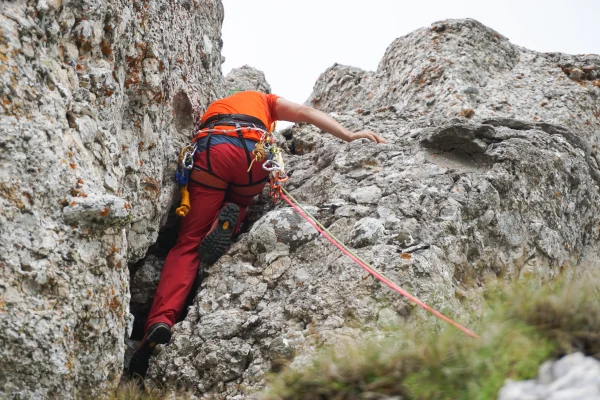
How Mountain Rescue Emergencies Strain Volunteer Systems
The safety net catching careless hikers is fraying under the weight of volume. Across England and Wales, total callouts grew 100% over the past decade. The British Mountaineering Council reports that teams handled exactly 3,842 emergencies in 2024. A separate report by The Guardian noted that 2024 marked the first time volunteer crews deployed every single day of the year. In one October alone, the Llanberis Team faced 33 rescue events requiring 18 full team deployments. November brought 22 more. Data from Ordnance Survey shows that some individual squads now respond to as many as six separate incidents in a single day.
Jurgen Dissmann warns of an imminent threat of system failure driven by resource exhaustion. The current string of successful extractions masks a looming crisis. Soon, overwhelming minor incidents could cause five-hour delays and, eventually, a total service collapse if public behavior does not change. In the US West, Mount Adams saw a 33% visitor increase over the past decade, while Oregon's CragRats experienced a 300% rescue volume increase over the past five years. The pattern holds everywhere.
The Barrier Debate: Information vs. Intervention
The steady rise in mountain rescue emergencies has forced a difficult debate about how to intervene. As fatalities mount, highlighted by the jump from 14 to 23 deaths in North Wales in a single year, authorities argue over what to do. Do you build physical barriers or post warning signs? Coroners and the National Trust prefer informational signs. They resist installing US-style metal fences, arguing that heavy infrastructure destroys the natural character of the environment. So the gap remains. Hikers rely on early distress calls to prevent severe hypothermia. They treat emergency responders as a primary safety plan. Martin McMullan notes that people prioritize personal experience over safety, rushing toward viral spots regardless of posted warnings.
Redefining Wilderness Reality for the Modern Hiker
The exact same platform that sends a hiker into a blizzard can also teach them how to survive it.
Social media spreads viral misinformation, but it also hosts trail reviews and connects beginners with experts like the Washington Trail Association. Chris Lloyd emphasizes that anticipating worst-case scenarios remains vital. Hikers must be ready for sudden weather shifts, because a minor wound or a delayed descent into darkness can lead to severe outcomes. What should you pack for a mountain hike? You must carry a physical map, a compass, extra thermal layers, a headtorch, and an emergency shelter, regardless of how short the trip seems.
Brandan Smith argues that safety must come first. Hikers should retreat immediately upon feeling discomfort. The hills will still be there on another day.
The Price of Digital Clout
Novice mistakes differ from the risks taken by experienced enthusiasts. Beginners get deceived by "easy" online labels. Veterans, by contrast, intentionally engage in dangerous behavior for real-time digital clout. They "do it for the gram." Instagram tourism degrades trails, causes soil erosion, and leads to overcrowded parking lots. Both behaviors strain the same limited rescue resources, and both contribute to mountain rescue emergencies that did not need to happen.
The Reality Beyond the Screen
The mountain does not care about a viral trend. A steep incline does not care about a smartphone battery. Freezing temperatures will not wait for a rescue helicopter.
The ongoing surge in mountain rescue emergencies exposes a dangerous cultural shift. The outdoors has become a backdrop for digital consumption, and too many people step onto trails believing the wild is perfectly safe. Until climbers replace blind confidence with genuine preparation, volunteer teams will keep carrying perfectly healthy, terrified people down the mountain. The rocks will always be there tomorrow. The goal is making sure the hiker is there too.
Recently Added
Categories
- Arts And Humanities
- Blog
- Business And Management
- Criminology
- Education
- Environment And Conservation
- Farming And Animal Care
- Geopolitics
- Lifestyle And Beauty
- Medicine And Science
- Mental Health
- Nutrition And Diet
- Religion And Spirituality
- Social Care And Health
- Sport And Fitness
- Technology
- Uncategorized
- Videos

