
Dance Science: Preventing Injuries in Dancers
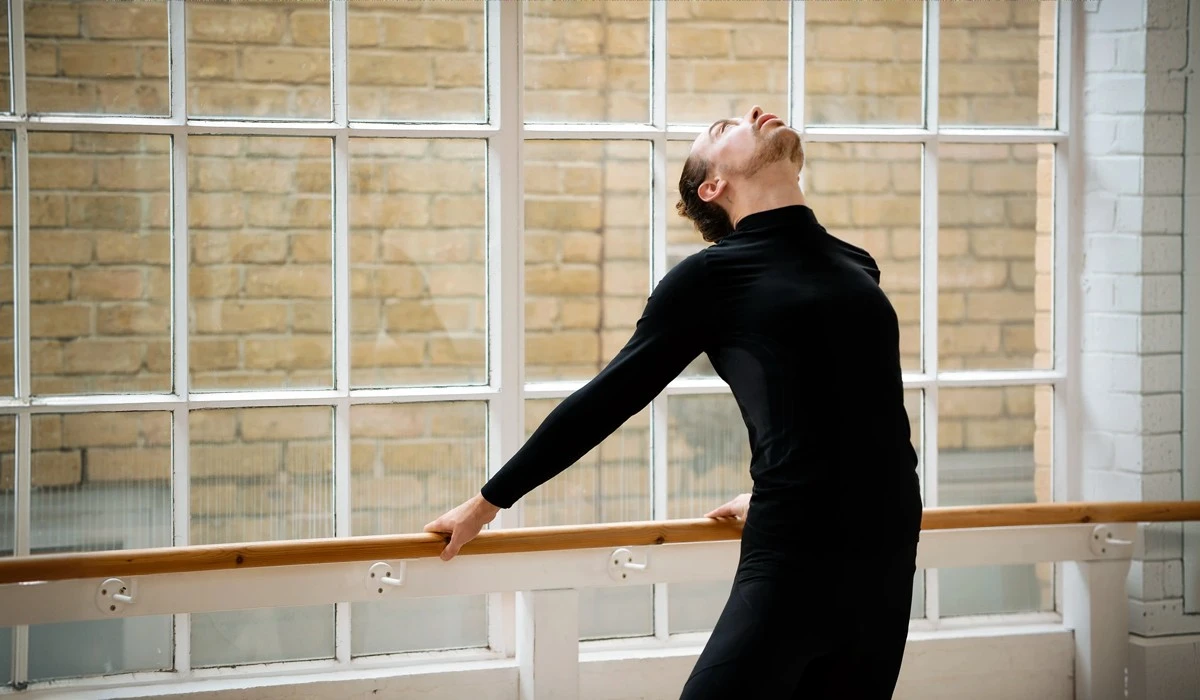
A dancer reaches into a deep back cambre, creating a line that looks like liquid silk. To the audience, this move appears effortless. Inside the body, a different reality unfolds. The lower vertebrae press against each other with hundreds of pounds of force. This repetitive pressure can wear down the bone and cause tiny fractures that most people never notice until the pain becomes unbearable. This physical tension defines the daily life of a performer. You balance the need for extreme flexibility with the need for total stability. Dance Science provides the tools to manage this tension.
Looking at the body through a clinical lens helps you find the specific habits that lead to breakdown. Many dancers rely on "feeling" their way through a movement, but feelings can lie. A move might feel right while it actually grinds down a joint. This post bridges the gap between the artistic sensation of movement and the hard facts of biomechanics. You will learn how to build a resilient spine that supports a long, high-level career. Using Dance Science to guide your training turns your body into a more durable instrument. It changes the way you approach injury prevention in dancers from a reactive chore into a proactive strategy for success.
The Anatomy of Power: Dance Science for the Spine
According to the Cleveland Clinic, the human spine uses a clever design to handle the stress of movement, comprising thirty-three vertebrae grouped into five distinct segments that form curves. These curves act like a heavy-duty spring. When you land from a jump, the curves compress to soak up the force. This protects your brain and internal organs from the shock. In Dance Science, we look at these curves as the foundation of all movement. If the curves flatten out or become too deep, the spring loses its ability to protect you.
Research in StatPearls notes that the adult mid-back, or thoracic spine, naturally features a slight outward curve called thoracic kyphosis. The American Association of Neurological Surgeons explains that these twelve thoracic vertebrae attach directly to the ribcage, providing a sturdy cage for your heart and lungs, and offering less mobility than other areas but remaining supple for breathing and upper-body expression. Furthermore, the Cleveland Clinic details that your lower back, the lumbar spine, curves inward, and these five large vertebrae (L1 through L5) support the majority of your body's weight. Because they lack the support of the rib cage, they are the most common site for injuries.
Mastering the Neutral Spine
A "neutral spine" serves as your active starting point. Rather than a stiff or frozen position, this represents a state of readiness where your muscles are primed to move in any direction. When you maintain a neutral spine, you distribute weight evenly across the intervertebral discs. Research published in StatPearls describes the nucleus pulposus at the center of each disc as a gel-like structure that acts as a pad between your bones. Keeping them healthy is a major part of injury prevention in dancers. When the spine stays aligned, the discs stay hydrated and resilient.
Identification of Risk: Key Factors in Injury Prevention in Dancers
Injury often starts with a "technical cheat." When a dancer lacks range of motion in the hips, they often borrow that range from the lower back. You might tilt your pelvis forward to get your leg higher in an arabesque. This action, known as "crunching," puts extreme pressure on the posterior parts of your vertebrae. According to a study published in PMC, excessive loading from repetitive hyperextension is a significant risk factor, most commonly at the L5 level, leading to spondylolysis. The researchers note that this condition represents a stress fracture in a specific part of the bone called the pars interarticularis. Research shows this condition is four times more common in dancers than in individuals who do not perform.
If a stress fracture goes unreated, another PMC report warns that bilateral lesions can result in the anterior displacement of the bone, a condition doctors call spondylolisthesis. Additional research in the same journal notes that this forward slippage most commonly happens at the L5-S1 level, where the L5 vertebra slides over the sacrum. It creates sharp pain and can even pinch nerves. Avoiding this requires constant attention to how you use your core during extensions. How do dancers protect their lower back? Dancers engage their deep stomach muscles and back muscles at the same time to form a protective shell. This prevents the bones of the spine from rubbing together during difficult poses.
Correcting the Deep Arch in Dance
Another risk factor involves the psoas muscle, which the Cleveland Clinic states starts at your lower back and runs right through your pelvis to the top of the femur, or thigh bone. When it gets too tight from repetitive leg lifting, it pulls your spine forward into a deep arch. This arch, or hyperlordosis, jams the facet joints of the spine together. Identifying these tight spots early allows you to adjust your stretching routine before a "tweak" becomes a tear. Effective injury prevention in dancers requires you to spot these small alignment errors before they turn into chronic conditions.
Beyond the Six-Pack: The Transverse Abdominis
Most people think of the core as the visible "six-pack" muscles. Within the field of Dance Science, we focus on the deeper layers. The Transverse Abdominis (TrA) sits beneath your surface muscles and wraps around your torso like a corset to stabilize the trunk rather than move it. A study published in the Physical Therapy journal demonstrates that the transversus abdominis is invariably the first muscle activated by elite performers, firing milliseconds before they move their arms or legs. This "pre-activation" creates a solid base so the limbs can move freely without tugging on the spine.
The Role of the Multifidus in Balance
The multifidus muscles are tiny, finger-like bands that run along the back of the vertebrae. They handle the micro-adjustments that keep you upright on a high demi-pointe. If these muscles are weak, your spine wobbles, and larger muscles have to take over. This led to fatigue and poor form. Why is core strength important for dancers? The core acts as a steady base for the rest of the body to move around. It helps a dancer absorb the force of a landing so the lower back does not take all the weight.
Biomechanics of Turnout and Spinal Alignment
Turnout should come from the hip joints, but many dancers "force" it from the floor. You might grip the floor with your feet and twist your knees to show a flat 180-degree line. This twist travels up the leg and forces the pelvis to tilt forward. This anterior pelvic tilt is a primary driver of back pain. It creates a "swayback" look that disconnects your upper body from your legs. When the pelvis tilts, the lower back muscles must work twice as hard to keep you upright.
Dance Science uses tools like rotational discs to measure your "true" turnout. This helps you understand your actual range of motion in the hip sockets. When you work within your anatomical limits, your pelvis stays level. A level pelvis allows the spine to sit in its natural, strong position. This alignment ensures that the force of your movements travels through your bones instead of straining your ligaments. Maintaining this "kinetic chain" from the feet to the head is essential for injury prevention in dancers.
Perfecting the Landing: Eccentric Loading
Every time you land from a jump, gravity tries to crush your spine. A grand jete landing can produce a force up to 12 times your body weight. Your muscles must act as brakes to slow this force down, a process highlighted in a PMC article as an eccentric contraction. During this type of loading, your calf and thigh muscles undergo forced lengthening under tension, which successfully absorbs the kinetic energy of the landing. If you land with "stiff" knees or a "tucked" pelvis, that energy shoots straight into your spine.
Port de Bras and Thoracic Mobility
Flexibility in the upper back, or thoracic spine, allows for beautiful expression without hurting the lower back. Many dancers have a "stiff" mid-back, so they hinge from the waist instead. This hinging creates a sharp angle in the lumbar spine that causes injury. You can improve thoracic mobility by stretching the chest muscles and using foam rollers to mobilize the vertebrae. This allows you to reach back with your arms and head while keeping your lower spine long and safe.
Proprioceptive Training for Spinal Awareness
Proprioception is your brain’s ability to know where your body is without looking in a mirror. In Dance Science, we use unstable surfaces like balance boards to sharpen this sense. When you practice your alignment on a wobbly surface, your nervous system learns to fire the stabilization muscles faster. This creates a "smarter" spine that can protect itself even when you are tired or performing under stress.
Progressive Load Management
Injuries often happen when a dancer suddenly increases their rehearsal hours. We track this fluctuation using the Acute: Chronic Workload Ratio (ACWR), with PMC research suggesting that maintaining an ACWR between 0.8 and 1.3 reduces the risk of injury. If you go from 10 hours of rehearsal a week to 30 hours for a show, your risk of a spinal stress fracture spikes. Can dancers fix bad posture? Yes, dancers can correct their alignment by training the brain to recognize where the body sits in space. Specific exercises strengthen weak muscles to pull the spine back into a healthy position. Proper loading means slowly building up your stamina so your muscles can support your spine for the entire show.
Longevity Strategies for Professional Dancers
To stay on stage for decades, you must look at recovery as part of your job. Long-term injury prevention entails managing inflammation through sleep, nutrition, and hydration alongside traditional methods like icing sore spots. When your body is dehydrated, the intervertebral discs in your spine shrink, making them less effective at absorbing shock. Drinking water directly affects the "cushioning" in your back.
Using the POLICE protocol (Protect, Optimal Loading, Ice, Compression, Elevation) helps manage minor tweaks. Unlike the old "Rest" model, "Optimal Loading" encourages gentle movement to keep the blood flowing to the spine. This prevents the back muscles from seizing up or becoming stiff. Regular myofascial release, such as using a tennis ball to massage the muscles around the sacrum, also prevents tension from building up. These small habits ensure that your back remains "solid" and ready for the demands of the studio.
The Future of the Resilient Performer
Building a solid back requires an intelligent approach based on Dance Science, going beyond simple grit and hard work. When you understand the way your vertebrae move and how your deep muscles protect them, you stop fighting against your own anatomy. You begin to work with it. This shift in perspective is the most powerful tool for injury prevention in dancers.
Your career depends on the health of your spine. Applying these scientific principles ensures that your body can handle the rigors of performance without breaking down. Treat your body like the high-performance machine it is. Use evidence-based training to build strength, manage your workload, and recover properly. This commitment to Dance Science will keep you moving strongly, safely, and beautifully for years to come.
Recently Added
Categories
- Arts And Humanities
- Blog
- Business And Management
- Criminology
- Education
- Environment And Conservation
- Farming And Animal Care
- Geopolitics
- Lifestyle And Beauty
- Medicine And Science
- Mental Health
- Nutrition And Diet
- Religion And Spirituality
- Social Care And Health
- Sport And Fitness
- Technology
- Uncategorized
- Videos

