
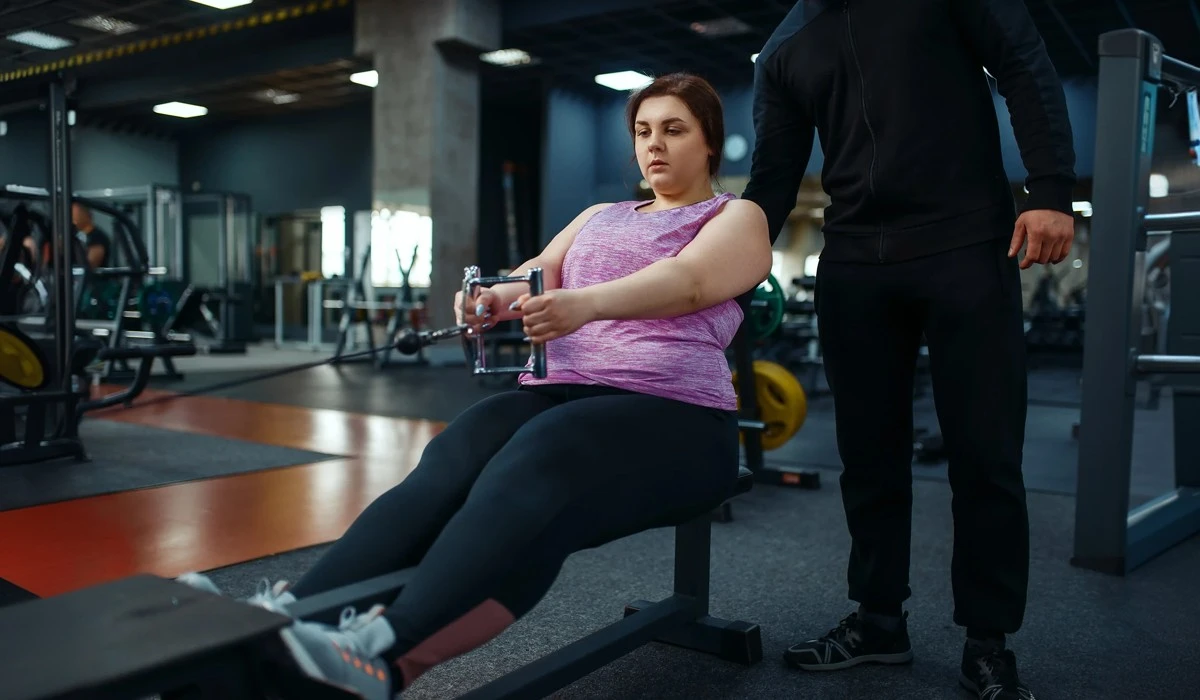
Aerobic Energy Metabolism: Maximize Fat Burn
Most people think weight loss is a simple game of eating less and moving more. They treat their bodies like a bank account where you just subtract calories to see a result. In reality, your body works more like a high-end factory with strict delivery schedules. If your internal transport system cannot move fuel to the right furnace at the right time, you stay stuck.
This is where Exercise Physiology changes the game. Instead of guessing, you look at how your body actually processes energy. You stop fighting your biology and start working with it. Through the optimization of your aerobic energy metabolism, you turn your cells into productive burners. This post moves past the generic advice of "just do cardio" and shows you the data-driven path to lasting results.
Understanding Substrate Utilization
Your body has two main fuel tanks: sugar and fat. At rest, you burn a mix of both. As you move faster, your body starts to prefer sugar because it is easier to break down quickly. This is known as the "Crossover Concept." It explains that once you hit a certain intensity, your body stops using fat and starts relying on glycogen.
Many people wonder, does cardio burn fat faster than weights? Research published in PubMed indicates that while cardio burns more fat during the actual session, weightlifting raises your metabolic rate for hours afterward, helping you burn more total energy over the day. Determining which "tank" you are using during your workout helps you achieve the best results.
Ironically, working harder doesn't always mean burning more fat. According to a study in PubMed, if you sprint too hard, your fat oxidation rates may decrease, potentially causing you to stop burning fat entirely at high intensities. You have to find the "sweet spot" where your body stays in a fat-burning state without switching to sugar.
The Role of Mitochondria in Energy Production
Inside your muscles are tiny powerhouses called mitochondria. A study in PubMed notes that this is the only place where fat can actually be burned, as both fat and carbohydrates are primary fuels for ATP production here.
Through specific training in Exercise Physiology, you can actually grow more mitochondria. This process is called mitochondrial biogenesis, which research in PubMed suggests is stimulated by repeated bouts of endurance exercise. According to another study in PubMed, having more mitochondria allows you to burn more fat every single minute, even when you are sleeping, as this process has significant effects on whole-body fitness.
The Oxygen Connection
Oxygen is the secret ingredient for burning fat. According to a report in PubMed, without enough of it, your aerobic energy metabolism comes to a halt because the cardiorespiratory system limits the delivery of oxygen to muscles.
There is a concept called the Bohr Effect. Research in PubMed describes this as a process where your blood releases oxygen to your muscles more readily. When you exercise, your body gets warmer and slightly more acidic. This assists your blood in releasing oxygen more easily where it is needed most. A proper warm-up provides safety and also assists your body in burning fat.
Steady-State vs. Variable Intensity
Steady-state exercise means keeping the same pace for a long time. According to research in PubMed, this is great for keeping your body in a fat-dominant state since fat oxidation is highest at low to moderate intensities.
Variable intensity, like intervals, works differently. As noted in PubMed, while it might burn more sugar during the hard parts because fat oxidation declines at higher intensities, it forces your aerobic energy metabolism to work harder during the rest periods. Both have a place in a smart plan, but they serve different goals.
The Precision of Heart Rate Zones
According to Garmin, most people use the old "220 minus age" formula to find their heart rate zones. In reality, research published in PubMed shows this is often wrong by as much as 20 beats per minute, as some equations can overestimate heart rate significantly.
A common question is, how long should I exercise to start burning fat? According to PubMed, fat burning starts the moment you begin moving, but it typically takes about 20 minutes of steady activity for fat to become the primary fuel source for your body. Learning your specific FatMax zone helps you reach this state faster and stay there longer.
Finding your FatMax makes your workouts much more productive. You aren't just "doing cardio"; you are performing a targeted strike on your fat stores. This precision is what separates athletes from casual gym-goers.
Metabolic Testing and VO2 Max
If you want to stop guessing, you can take a Graded Exercise Test. As explained in PubMed, this involves wearing a mask that measures how much oxygen you breathe in and how much carbon dioxide you breathe out, a method known as indirect calorimetry.
According to Garmin, this test also measures your VO2 Max, which is the maximum amount of oxygen your body can use. Improving this number is a great way to ensure your aerobic energy metabolism is operating at a high level.
Glycogen Management and Fat Flexibility
What you eat determines what you burn. As defined in PubMed, metabolic flexibility is the ability of the body to switch between burning carbs after a meal and burning fat during a long walk.
To improve this, you have to manage your glycogen (stored sugar). If your sugar stores are always full, your body has no reason to tap into its fat reserves. Training occasionally with lower sugar levels can "teach" your aerobic energy metabolism to hunt for fat instead.
The Effect of Pre-Workout Nutrients

Many people drink a sugary sports drink before they hit the gym. Ironically, this can stop fat loss. When you eat sugar, your body releases insulin. Insulin is a storage hormone; its job is to put fuel into cells, not take it out.
According to PubMed, high insulin levels block an enzyme called Hormone-Sensitive Lipase. This enzyme is what releases fat from your cells so it can be burned. To maximize fat burn, try to avoid high-sugar snacks right before your workout. This keeps insulin low and fat-burning high.
The EPOC Effect (Afterburn)
Even after you stop moving, your body is still working. Research in PubMed refers to this as Excess Post-exercise Oxygen Consumption, or EPOC. Your body needs extra oxygen to repair muscles, refill energy stores, and balance your hormones.
High-intensity training creates a larger "oxygen debt." This means you continue to burn calories for hours after you leave the gym. While the workout itself might be short, the effect on your aerobic energy metabolism lasts all day.
Periodization for Metabolic Adaptation
Your body is very good at adapting. If you do the same 3-mile run every day, your body becomes too economical. You actually start burning fewer calories because your body learns how to do the work with less effort.
Exercise Physiology solves this with periodization. This means changing your workouts every few weeks. Switching between high-intensity days and long, steady days keeps your metabolism from getting bored. This prevents plateaus and keeps the fat-burning process moving forward.
Muscle Tissue as a Metabolic Sink
Muscle serves as an active tissue that requires energy even while resting, rather than merely a tool for lifting heavy things. Think of muscle as a metabolic "sink" that soaks up extra blood sugar and burns it.
People often ask, can I lose belly fat with just cardio? Cardio is great for burning calories, but resistance training is necessary to build the muscle that keeps your metabolic rate high in the long term. Increasing your muscle mass improves your baseline aerobic energy metabolism, making it easier to maintain your weight.
The more muscle you have, the more mitochondria you have. This means you have more places to burn fat. Even a small increase in lean muscle can make a big difference in how your body handles food and exercise.
Hormonal Regulation and Stress
Fat loss involves hormones rather than just calories. Cortisol is a stress hormone that can cause your body to hold onto belly fat. If you exercise too hard for too long without resting, your cortisol levels stay high.
Learning Exercise Physiology principles helps you balance work and rest. High-intensity exercise should be followed by recovery. This balance ensures that your hormones stay in a state that supports fat burning rather than fat storage.
Beyond the Bathroom Scale
The scale is inaccurate. It cannot tell the difference between fat, muscle, and water. Instead of focusing on weight, look at your body composition. Are you losing inches while staying the same weight? That is a sign you are building muscle and losing fat.
You should also track your recovery heart rate. How fast does your heart slow down after a hard effort? A faster recovery is a direct sign that your aerobic energy metabolism is getting stronger. This is a much better measure of health than a number on a scale.
Utilizing Wearable Tech for Metabolic Insights
We live in a time where you can wear a lab on your wrist. Devices like Garmin's or Apple Watches can estimate your VO2 Max and track your heart rate zones. While not as perfect as a clinical lab, they provide great data for your daily life.
These tools help you stay in your FatMax zone. They can warn you if you are pushing too hard or if you aren't working hard enough to cause a change. Using these insights allows you to apply Exercise Physiology to every single workout.
Your Roadmap to Science-Backed Fat Loss
Maximizing fat loss involves understanding the logistics of energy rather than punishing your body with endless hours of random exercise. When you respect the limits of your oxygen intake and the needs of your mitochondria, you get better results with less wasted effort.
Understanding your aerobic energy metabolism helps you stop chasing "quick fixes." You start building a body that is naturally productive at burning fuel. This is the difference between a temporary diet and a permanent change in how your body functions.
Take one principle you learned today, like finding your true FatMax heart rate, and apply it to your next session. When you stop guessing and start measuring, you finally attain the results you’ve been working for. Use the tools of Exercise Physiology to turn your body into a high-performing, fat-burning machine.
Recently Added
Categories
- Arts And Humanities
- Blog
- Business And Management
- Criminology
- Education
- Environment And Conservation
- Farming And Animal Care
- Geopolitics
- Lifestyle And Beauty
- Medicine And Science
- Mental Health
- Nutrition And Diet
- Religion And Spirituality
- Social Care And Health
- Sport And Fitness
- Technology
- Uncategorized
- Videos

