

Highly Motivated Kids Need Effective Parenting
Parents often think stickers and screen time threats make children listen. You offer a chocolate bar for a clean room. You take away the tablet for a bad grade. This trade creates a worker who only performs for the paycheck. When the reward stops, the effort dies. This accidentally trains your child to ignore their own curiosity and focus only on the prize. True drive starts when you stop managing behavior and start guiding the person. Effective parenting changes the way a child sees themselves. It builds a person who wants to do well because they value success. Moving from being a boss to a mentor allows you to build a stronger connection. This shift relies on positive discipline and strong family bonding to create lasting change.
The Psychology of Internal Motivation in Effective Parenting
Research by Edward Deci and Richard Ryan, published by the Self-Determination Theory organization, suggests that traditional rewards often kill the very drive you want to see. They note that specific factors have been examined that either improve or damage internal motivation, self-regulation, and well-being. They found that humans need three things to feel motivated: autonomy, competence, and relatedness. When you hover over a child, you crush their sense of autonomy. They stop trying because they feel like a puppet.
Moving Beyond Carrots and Sticks
The overjustification effect shows that prizes actually lower interest in a task. Researchers Lepper and Greene proved this in 1973. They gave rewards to children who already liked drawing. Those children later stopped drawing unless someone offered a prize. Meanwhile, kids who received no reward kept drawing for fun. External prizes tell the brain that the task itself has no value. Focus on the joy of the activity instead.
The Role of Autonomy in Growth
Agency sparks natural curiosity. When a child chooses how to solve a problem, their brain stays active. You give them the power to make decisions within a safe range. This builds competence. A child who feels capable wants to take on harder challenges. They view themselves as a doer rather than someone who just follows orders.
Utilizing Positive Discipline to Shape Character
According to the American Academy of Pediatrics, positive discipline strategies effectively teach children to manage behavior while encouraging healthy development, rather than using shame. The Positive Discipline Association notes that this method comes from Alfred Adler’s work in the 1920s and is based on a program developed by Dr. Jane Nelsen. Research from Positive Discipline Community Resources indicates that Adler believed all children have an innate social need to belong and feel significant. As explained by the Positive Discipline organization, you treat the child with respect while maintaining clear expectations by being kind and firm at the same time.
Natural Consequences vs. Punitive Measures
Natural consequences allow the world to do the teaching. If a child forgets their coat, they feel cold. This experience builds responsibility far better than a lecture. You stay the ally rather than the enemy.
What is the difference between discipline and punishment? As reported by the American Academy of Pediatrics, discipline functions as a proactive teaching tool to build skills, whereas punishment acts as a reactive response meant to cause shame. You want to teach the skill of cleaning, not the fear of your anger. This approach keeps the child focused on their own choices.
Collaborative Problem-Solving Skills
Research by Ross Greene suggests that kids do well if they have the skills to do so. He views misbehavior as a result of skills they have not yet developed, which is different from a lack of effort. You work with the child to find solutions. Ask them why a certain chore feels hard. Listen to their answer without judging. Together, you create a plan that works for everyone. This builds the negotiation skills they will need as adults.
Strengthening Family Bonding for Emotional Security
Strong family bonding acts as a safety net for a child’s ambition. Children take more risks when they know they have a safe place to land. This security comes from consistent, warm interactions. According to John Gottman, healthy relationships require five positive moments for every one negative moment to remain stable and happy. This 5:1 ratio keeps the emotional bank account full.
Quality Time Rituals That Work
Seattle Children’s Hospital recommends that parents spend ten minutes of uninterrupted time with their child every day. They suggest letting the child lead the play through a special form of one-to-one interaction. Do not check your phone or give instructions. This simple habit satisfies their need for attention. When you fill their attention cup early, they don’t need to act out to get noticed later. These small rituals build a lifelong connection.
The Power of Active Listening
Active listening removes the emotional blocks to motivation. When a child feels frustrated, their brain enters a fight-or-flight state. Research published in PubMed indicates that the name it to tame it strategy calms the nervous system by labeling emotions to reduce reactivity. Once the child feels understood, they can return to the task at hand. Validation makes them feel seen and respected.
Core Pillars of Effective Parenting for Success
Structure provides the freedom children need to grow. According to a systematic review published on ResearchGate, stable and predictable routines help a child focus on learning and are associated with better emotional regulation. Effective parenting involves setting a framework where a child knows exactly what to expect. You provide the guardrails so they can drive the car.
Setting Healthy Boundaries with Love
As noted by Parents.com, clear limits and predictable boundaries help children feel safe because they know what is expected of them. They know where the edge is. You set these boundaries with kindness but remain firm in your follow-through.
How do I get my child to listen without yelling? You gain cooperation through eye contact, a quiet voice, and letting the child speak first. When a child feels heard, they lower their defenses and follow your lead. This creates a peaceful home where everyone knows the rules.
Modeling the Values You Want to See
The American Academy of Pediatrics emphasizes that your actions speak louder than your words, meaning parents should model the behaviors they wish to see in their children. If you want a child to have a growth mindset, you must show one. Let them see you struggle with a new skill. Talk about how you practice and learn from mistakes. Your child will copy your persistence. You become the person they want to emulate.
Turning Mistakes into Learning Opportunities
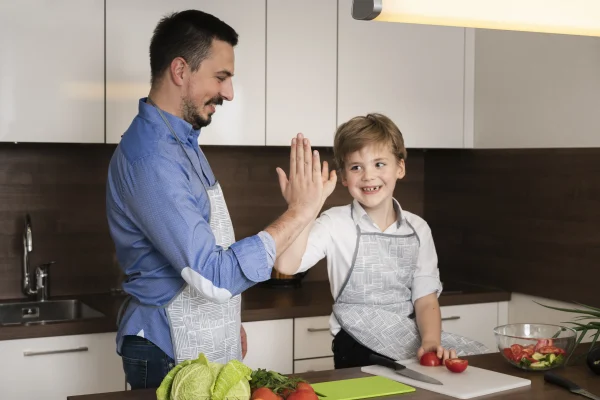
The fear of failure kills motivation faster than anything else. You must create a home where mistakes provide data rather than shame. When a child breaks something, focus on how to fix it. This shifts the focus from I am bad to I can handle this.
Re-framing Failure in the Household
Treat oops moments as science experiments. Ask the child what they learned from the experience. This trains the brain to find solutions and improves neuroplasticity. You remove the pressure to be perfect. A child who does not fear failure will try harder things. They become resilient and adventurous.
Encouraging Persistence Through Support
Coach your child without taking over. When they struggle with homework, ask questions that lead them to the answer. Do not just give them the solution. This builds their confidence in their own brain. You show them that you believe in their ability to handle hard things. Your support acts as a bridge to their independence.
Practical Effective Parenting Strategies for Daily Life
Tactical tools help you stay calm during the busiest parts of the day. Effective parenting relies on routines that reduce friction. When everyone knows the plan, power struggles vanish. You replace chaos with a steady rhythm.
Establishing Morning and Evening Rhythms
A study in the Journal of Child and Family Studies notes that family routines provide a predictable structure to guide behavior and an emotional environment that supports development. These predictable routines help the prefrontal cortex function better. Create a visual chart for morning tasks. This allows the child to manage themselves without you nagging. They feel a sense of mastery as they check off each item. A smooth morning sets a positive tone for the entire day.
The Power of When-Then Phrasing
Use when-then phrasing to clarify expectations. This puts the child in control of the outcome.
What are some examples of positive discipline? Positive discipline involves when-then statements, such as saying when your shoes are on, then we can go outside, and offering two acceptable choices to give the child power. These methods respect the child while keeping the schedule moving. You avoid the no-cycle and focus on the next step.
Balancing High Expectations with Unconditional Support
You can expect great things from your child while loving them exactly as they are. This balance prevents performance anxiety. You value the person more than the trophy. This creates a foundation of trust that lasts through the teenage years.
Celebrating Effort Over Achievement
Research by Carol Dweck published by Temple University suggests that praising the process instead of the result builds grit and motivation. As Dweck’s research in PubMed further indicates, praising a child's intelligence can lead to more negative consequences for motivation than praising their effort. Tell the child you noticed their focus or their creative thinking. This encourages them to keep working even when things get tough. They learn that their hard work matters more than a lucky win.
Validating Emotions During Challenges
Stay present when your child faces a setback. Do not rush to fix their feelings or minimize their pain. Simply sitting with them provides the family bonding they need to recover. Your presence tells them they are safe even when they lose. This emotional support gives them the strength to try again tomorrow.
The Long-Term Reward of Effective Parenting
You are playing a long game. Effective parenting requires more patience than traditional punishment, but it builds a better human. You move away from temporary compliance and toward lifelong character. Through positive discipline, you teach your child how to think rather than just what to do. You build a relationship based on trust and mutual respect. This process turns daily power struggles into a partnership. Your intentional choices today lead to a confident, self-motivated adult who knows how to navigate the world. Success comes from the small, quiet moments of connection you build every single day.
Recently Added
Categories
- Arts And Humanities
- Blog
- Business And Management
- Criminology
- Education
- Environment And Conservation
- Farming And Animal Care
- Geopolitics
- Lifestyle And Beauty
- Medicine And Science
- Mental Health
- Nutrition And Diet
- Religion And Spirituality
- Social Care And Health
- Sport And Fitness
- Technology
- Uncategorized
- Videos

