
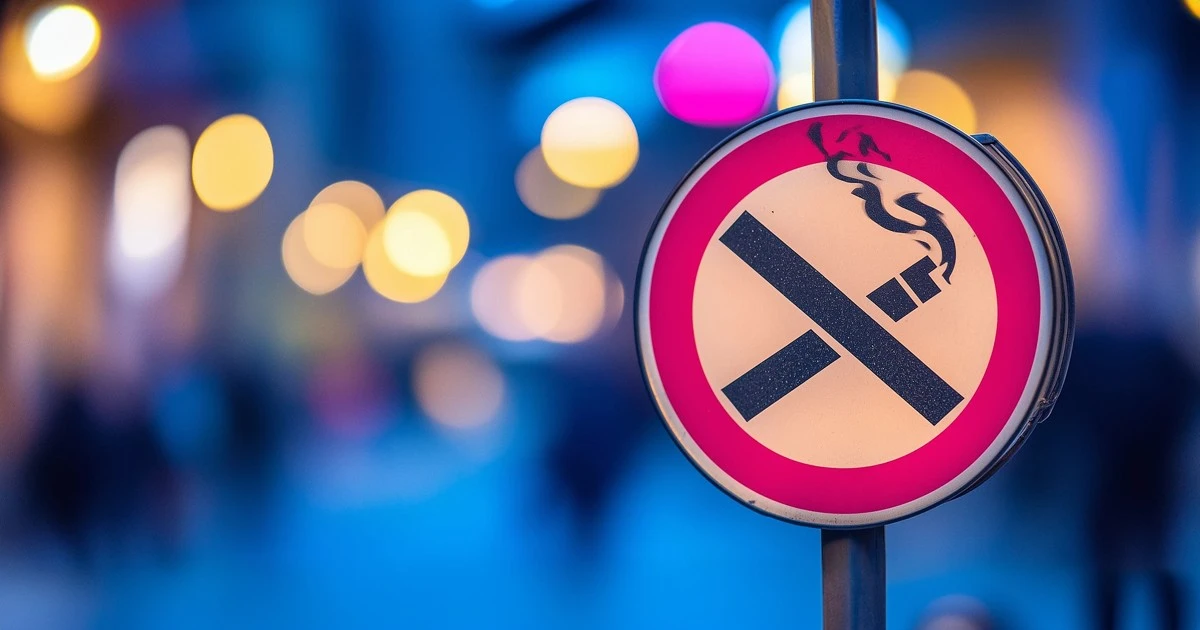
UK Reveals New Rules For Outdoor Smoking Ban
Governments often wait until citizens get sick to intervene, but this new plan forces the system to stop illness before it ever begins. According to a press release from Gov.uk, the UK government has launched a strict consultation regarding a proposed outdoor smoking ban. This initiative targets specific public areas to shield children and vulnerable adults from second-hand smoke. The proposal limits where people can smoke while significantly changing how the country approaches public health.
The core goal focuses on prevention rather than cure. Ministers want to relieve the massive pressure on the NHS by cutting off the source of preventable diseases. This consultation runs for twelve weeks. It invites the public to weigh in on where smoking and vaping should be restricted. The "Tobacco and Vapes Bill" drives these regulations, aiming to make a smoke-free generation and prevent lifetime addiction.
The Logic Driving the Outdoor Smoking Ban
Changing rules for adults often happens only when the cost of inaction becomes too high for the next generation to pay. The government has presented a clear timeline for this legislative shift. The public consultation began on a Friday and will remain open for exactly 12 weeks. This window allows citizens, business owners, and health experts to share their views on the proposed outdoor smoking ban.
The consultation officially closes on 8 May 2026. However, the rules will not change overnight. Officials have built in a minimum six-month gap between the approval of the regulations and their actual enforcement. This implementation phase gives businesses and the public time to adapt to the new standards.
The strategy involves more than a simple set of restrictions. It represents a 10-year health plan designed to move the nation’s focus. The current system spends billions treating sickness. The new approach prioritizes prevention. Ministers argue that reducing exposure to toxins now will save vast resources later. The primary question people ask is "when will the smoking ban start?" The government confirms that the consultation ends on May 8, 2026, with a minimum six-month gap before enforcement begins.
Protecting the Innocent: Schools and Playgrounds
You cannot expect a child to hold their breath while walking through a cloud of chemicals on their way to class. The proposed legislation specifically targets zones frequented by those under 18. Children have no control over the air they breathe in public spaces. The government argues that these young people deserve protection from the choices of others.
A report by ITV News notes that the ban includes outdoor areas immediately surrounding schools. Parents and teachers often congregate at gates, creating dense clouds of smoke that students must walk through. The new rules would clear these zones. Playgrounds also fall under this protective umbrella. These are spaces designed for activity and health, yet they often trap second-hand smoke.
Health Secretary Wes Streeting emphasizes that children are innocent in this equation. He states that patients and kids should not suffer due to the habits of others. The argument here is moral along with medical. The state steps in because the child cannot step away. This aligns with the broader goal of shielding the medically vulnerable from toxins they did not choose to inhale.
Hospitals: The Split Between Smoking and Vaping
Treating a lung patient while smoke drifts through the window creates a conflict that medicine cannot solve alone. The proposal introduces a strict ban on smoking outside hospitals. Patients recovering from surgery, asthma attacks, or cancer treatments currently face exposure to smoke at hospital entrances. This contradicts the very purpose of a healthcare facility.
However, the rules treat vaping differently. While smoking will be banned on hospital grounds, vaping remains permitted in specific contexts. Health officials view vaping as a cessation tool. They want to help smokers quit tobacco. Banning vapes entirely on hospital grounds might discourage smokers from switching to a less harmful alternative.
This nuance creates a two-tiered system on hospital campuses. Smoke is the enemy; vapor is the tool. As highlighted by the Standard, Chief Medical Officer Prof Sir Chris Whitty points out that non-smokers face significant risks. He notes that second-hand exposure leads to asthma, heart disease, lung cancer, and stroke. He stresses that pregnant women and children face the greatest danger. The regulations aim to remove the most harmful toxins while leaving a door open for those trying to quit.
Why Pub Gardens Are Exempt from the Outdoor Smoking Ban
Protecting public health usually clashes with profits, so officials drew a hard line where the money flows. The hospitality sector voiced strong concerns about the effect of a total ban. Pubs, bars, and restaurants rely heavily on outdoor dining and drinking areas. Many feared that banning smoking in beer gardens would drive customers away and force businesses to close.
The government listened to this feedback. Consequently, the outdoor smoking ban explicitly excludes pub gardens and outdoor restaurant areas. Business Minister Kate Dearden clarified that the proposals strictly target child protection. She stated that the rules should not place an additional burden on the hospitality sector.
This decision protects the economy while still tightening public health rules. It acknowledges that adults in a pub garden make a conscious choice to be there. In contrast, children at a playground or patients at a hospital do not. The exemption for hospitality creates a balance between protecting the vulnerable and supporting businesses.
New Rules for Workplaces and Transport
Clean air laws usually stop at the door, but modern devices have pushed those boundaries further than ever before. The consultation proposes extending existing smoke-free laws to cover more products and places. Workplaces and public transport networks face new restrictions under this plan.
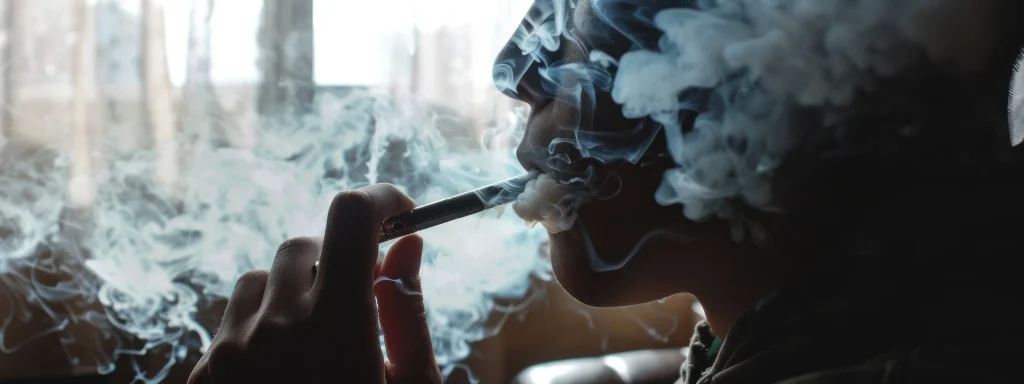
The changes specifically target heated tobacco products and non-tobacco vapes. Currently, some indoor spaces lack clear rules regarding these devices. The new legislation aims to make workplaces and public transport entirely heated-tobacco-free and vape-free. This creates a consistent standard across all shared indoor environments.
Commuters and employees will no longer face uncertainty about what is allowed. The goal is to ensure the air remains clean in high-density areas. People often wonder "is vaping banned in public places uk?" The proposals suggest banning vaping in specific indoor public places like workplaces and transport, but not everywhere outdoors.
Cars, Homes, and Private Liberties
Laws can regulate the street, but they hit a wall when they try to enter the family car or the living room. The government has carefully defined the boundaries of this legislation. Private spaces remain largely exempt. The ban does not apply to private homes. What people do in their own living rooms remains their choice.
Similarly, private outdoor spaces like backyards are exempt. Wide-open public places, such as beaches, also fall outside the scope of the ban. The government focuses on crowded areas or places where children cannot escape the smoke.
However, vehicles represent a unique category. According to Yahoo News, the proposal bans smoking and vaping in cars that carry children. The confined space of a vehicle concentrates toxins to dangerous levels. A child strapped into a car seat cannot move away from the smoke. The law steps in to provide that distance. Drivers often ask "can i smoke in my own car uk?" You can smoke in your car unless children are present, as the new proposals specifically target vehicles carrying anyone under 18.
The Long-Term NHS Strategy
A health service that spends all its money treating preventable diseases eventually runs out of resources for everything else. The outdoor smoking ban serves as a financial shield for the National Health Service. Smoking-related illnesses clog hospital beds and consume staff time. Reducing these cases frees up resources for other critical needs.
The data supports this shift. Medical consensus links second-hand exposure directly to poor birth outcomes and chronic diseases. Dr. Charmaine Griffiths of the British Heart Foundation describes the current situation as urgent. She notes that children walk through "clouds of deadly smoke" daily. Her support for the consultation reflects a desire to change this reality.
Dr. Ian Walker from Cancer Research UK endorses the government action. He focuses on the future smoke-free society. The goal involves stopping smoking today while preventing the next generation from ever starting. Removing smoke from schools and playgrounds eliminates the normalization of the habit. This cultural shift aims to break the cycle of addiction and sickness.
A Shift Toward Prevention
The "Tobacco and Vapes Bill" represents a major turning point in UK health policy. It moves beyond simple restrictions to tackle the root causes of long-term illness. The outdoor smoking ban prioritizes the health of the vulnerable over the convenience of smokers. Targeting schools, hospitals, and playgrounds allows the regulations to carve out safe zones for those who need them most. The consultation period allows the public to shape the final details, but the direction of travel is clear. The UK is moving toward a future where fresh air is the standard, not a luxury.
Recently Added
Categories
- Arts And Humanities
- Blog
- Business And Management
- Criminology
- Education
- Environment And Conservation
- Farming And Animal Care
- Geopolitics
- Lifestyle And Beauty
- Medicine And Science
- Mental Health
- Nutrition And Diet
- Religion And Spirituality
- Social Care And Health
- Sport And Fitness
- Technology
- Uncategorized
- Videos

