
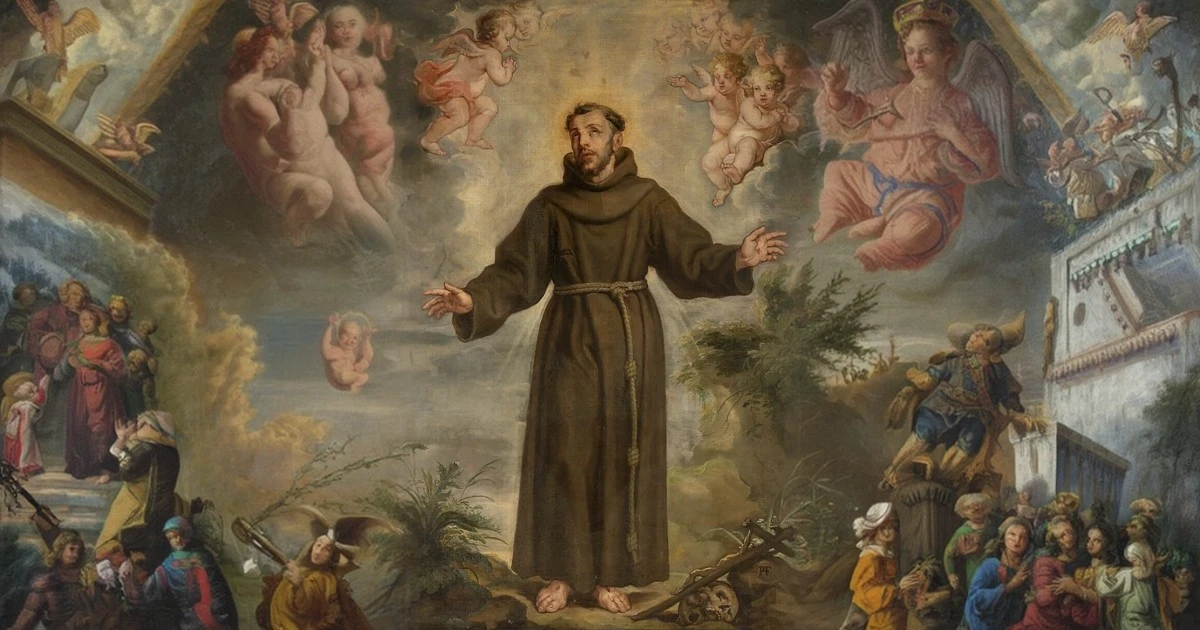
Image Credit - By Wikimedia Commons
St Francis of Assisi Viewing Shows a Consumed Life
Total concealment creates an irresistible pull toward discovery. When you conceal something for centuries, you inadvertently transform curiosity into a desperate need to see. The Catholic Register notes that for eight hundred years, the remains of the Patron Saint of Italy lay mostly beyond the reach of the public eye. That changes now. The 2026 St. Francis of Assisi body viewing marks a pivotal moment in religious history.
Pilgrims from around the world are currently flooding the Lower Basilica. As reported by AP News, this event commemorates the 800th anniversary of the saint's death. According to The Sun, the exhibition began on February 22, 2026, and runs through March 22. Vatican News confirms the exposition will continue for just one month. Authorities expect nearly half a million visitors to descend upon the small Umbrian town. This viewing offers a glimpse of a holy relic while exposing the physical reality of a man who gave everything away until nothing remained but bone.
The Historical Pattern of Concealment
Fear of theft often drives preservation effectively. You might assume religious relics are always on display for the faithful, but history shows a different pattern. Brother Elias, one of Francis’s earliest followers, understood the dangers of the 13th century. He knew that rival towns and warring factions would steal the body given the chance. He concealed the saint’s remains deep within the rock of the basilica in 1230.
The location remained a mystery for nearly six centuries. Pope Pius VII finally authorized a search in 1818, leading to the rediscovery of the tomb. Even then, access remained heavily restricted. A private examination occurred in 1978, but the general public could not freely view the body. This month-long exhibition represents the first time in history that the tomb is fully open to the masses. The St. Francis of Assisi body viewing breaks a silence that has lasted since the Middle Ages.
A Physical Testament to Exhaustion
A skeleton tells the story of a lifestyle more honestly than any biography can. Written records often romanticize poverty, but the physical remains show the brutal cost of that choice. The bones currently on display in the stone crypt do not look pristine. They appear "consumed." Friar Giulio Cesareo notes that the state of the skeleton reveals a life of total dedication. The damage to the bones serves as proof of the saint's rigorous travels and extreme fasting.
The friars view the exhibition as an ancient Christian tradition of venerating martyrs, distinguishing it from a macabre spectacle. The body lies inside the "Corpus Sancti Francisci" case. Pilgrims are seeing the literal aftermath of a mission that demanded every ounce of energy from the man born Giovanni di Pietro di Bernardone. The St. Francis of Assisi body viewing forces visitors to confront the physical toll of spiritual devotion.
High-Tech Preservation in a Stone Crypt
Ancient holiness requires modern engineering to survive the adoration of the masses. You cannot simply open a tomb and hope for the best. The exposure to oxygen, humidity, and pathogens from thousands of breathing visitors would destroy the fragile remains in days. The exhibition team installed a sophisticated containment system to prevent this.
The body rests behind bulletproof, anti-burglary glass. This barrier protects against both deliberate attacks and accidental damage. Inside the case, a nitrogen atmosphere replaces the air. Nitrogen is inert and prevents decay, ensuring the bones remain stable throughout the month. Cameras monitor the site twenty-four hours a day. The lighting is deliberate. Organizers rejected bright, theatrical spotlights in favor of subdued illumination. This choice maintains a prayerful atmosphere rather than a museum vibe.
The Logistical Surge of 2026
Spiritual devotion creates very real physical traffic jams. Small towns like Assisi operate on a delicate balance, and a global event throws that equilibrium off. The numbers for this centenary are staggering. Reservations for the crypt entrance have already hit 400,000. Visitors arrive from Brazil, the USA, Africa, and across Europe.
Yahoo News reports that weekdays see an influx of 15,000 people, compared to the usual 1,000. The same source notes that weekends push that number to 19,000 per day. The logistical strain is immense. Four hundred volunteers manage the crowds to keep lines moving. People often wonder about the schedule for such rare events. How long is the St. Francis body on display? The exhibition runs from February 22 to March 22, 2026. This limited window concentrates the crowd, intensifying the pressure on the local infrastructure.
Economic Booms and Local Burdens
A city’s greatest blessing often feels like a curse to the people living closest to it. Residents of Assisi live with a constant tension between their spiritual heritage and their daily convenience. The influx of pilgrims brings a massive economic spike. Arianna Catarinelli, a local merchant, confirms that business revenue is soaring. The spirit of Francis brings financial health to the shopkeepers.
However, the practical reality is harsh. Parking is nearly impossible. The noise levels are unprecedented. Mayor Valter Stoppini admits the month-long duration causes anxiety regarding infrastructure. Yet, most locals accept the trade-off. Riccardo Bacconi, a resident, argues that tourism is essential for the economy. The inconvenience is the price paid for the town’s global relevance.
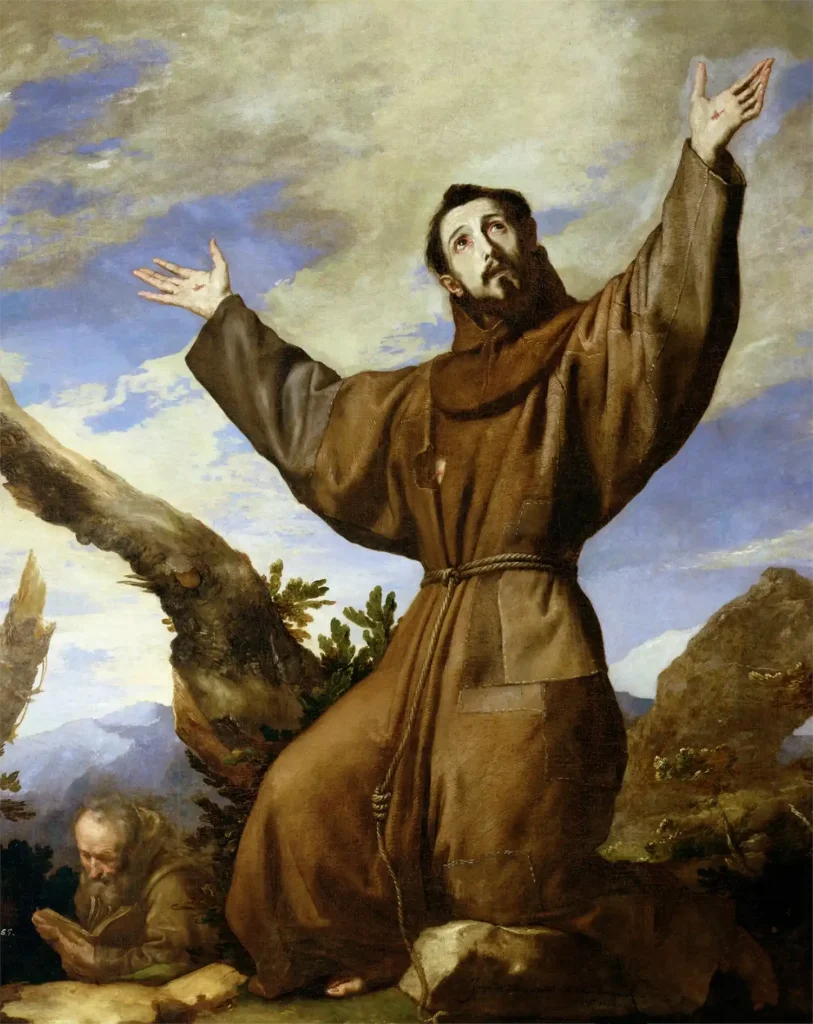
Image Credit - By Wikimedia Commons
The Millennial Saint Connection
Old traditions survive by anchoring themselves to new icons. The 2026 St. Francis of Assisi body viewing happens alongside a rising interest in a much younger figure. Carlo Acutis, the first "millennial saint," rests in a separate basilica in Assisi.
Pope Leo XIV, the current pontiff following the death of Pope Francis in 2025, canonized Acutis to bridge the gap with younger generations. This creates a "pilgrim osmosis." Young travelers and Latin American visitors come for Acutis and stay for Francis. Brother Marco Moroni, the Convent Guardian, confirms there is no competition between the two. They feed into each other’s popularity. Visitors often ask about the specific location of the older saint. Where is St. Francis of Assisi buried? He rests in a stone tomb within the crypt of the Lower Basilica in Assisi. The dual presence of a medieval friar and a computer-savvy teenager revitalizes the pilgrimage route.
Shattering Dietary Myths
We often rewrite history to fit our modern moral preferences. St. Francis is the patron saint of animals and ecology. This association leads many to assume he followed a strict plant-based diet. Modern admirers frequently project their own values onto him, painting him as a proto-vegetarian.
The historical record contradicts this image. Francis ate meat when it was available. He even had a known favorite dish: shrimp pie. The friars and historians clarifying these details during the centenary aim for accuracy over comfort. They want the public to know the real man, not a caricature. Common questions arise about his lifestyle choices. Was St. Francis of Assisi a vegetarian? Historical records confirm he ate meat and even enjoyed shrimp pie, contrary to popular modern belief. The St. Francis of Assisi body viewing encourages a confrontation with the truth of his life, stripped of later inventions.
A New Legislative Reality
Governments often validate religious events to secure cultural unity. The Italian state recognizes the magnitude of this centenary. In 2025, legislation reinstated October 4, the Feast of St. Francis, as a national public holiday. This legal recognition amplifies the attendance numbers for the 2026 exhibition.
This move strengthens the bond between the church and the national identity. St. Francis shares the title of Patron Saint of Italy with Catherine of Siena. The holiday gives citizens the time off needed to make the pilgrimage. It transforms a religious observance into a moment of national reflection. The alignment of civil law with spiritual calendars ensures the basilica remains full until the glass case closes on March 22.
The Final Glimpse
The "consumed" bones of St. Francis serve as a mirror for a world obsessed with accumulation. Visitors leave the crypt with an image of what happens when a person gives everything away. The nitrogen-filled case and the bulletproof glass protect the remains, but they cannot contain the message.
This month-long event bridges the gap between the 13th century and the modern era. It unites the legacy of a medieval friar with the digital-age appeal of saints like Carlo Acutis. The 2026 St. Francis of Assisi body viewing stands as a confrontation with the reality of a life lived entirely for others, surpassing the role of a tourist attraction. When the tomb closes again, the effect of what was seen will remain.
Recently Added
Categories
- Arts And Humanities
- Blog
- Business And Management
- Criminology
- Education
- Environment And Conservation
- Farming And Animal Care
- Geopolitics
- Lifestyle And Beauty
- Medicine And Science
- Mental Health
- Nutrition And Diet
- Religion And Spirituality
- Social Care And Health
- Sport And Fitness
- Technology
- Uncategorized
- Videos

