
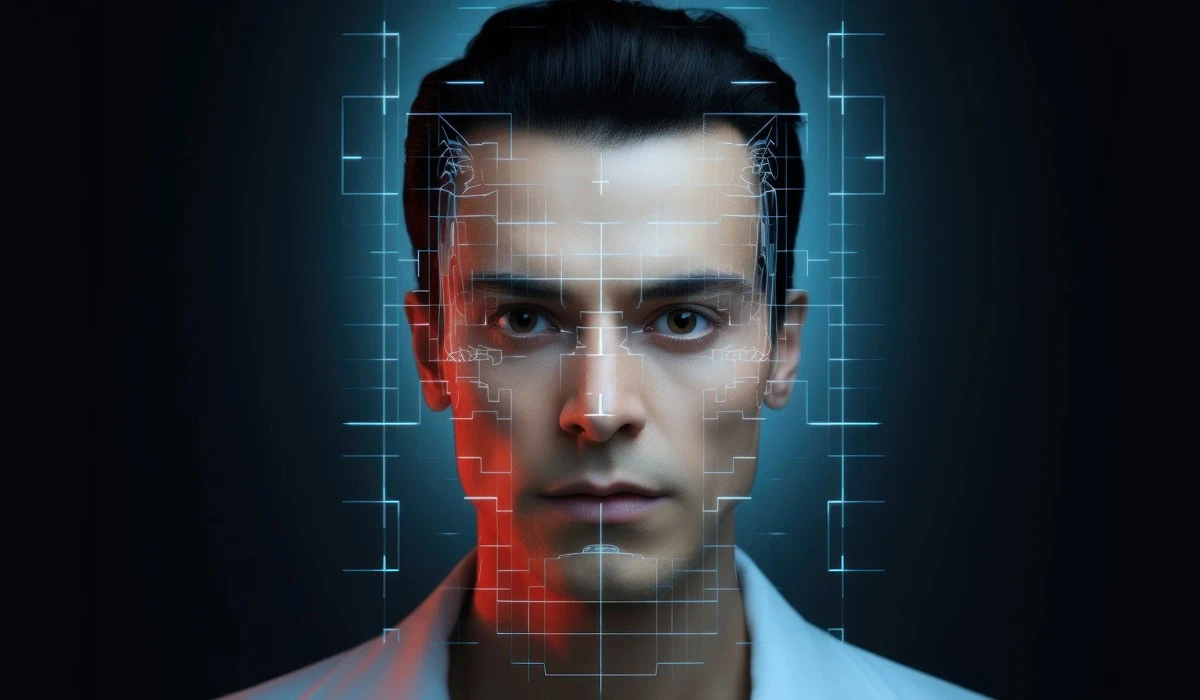
Physiognomy: Reading Faces To Spot A Liar
You sit across from a business partner during a high-stakes negotiation. Their words sound perfect. Their handshake feels firm. They offer a deal that seems too good to pass up. Yet, a nagging feeling in your gut tells you to walk away. Most people look for shifting feet or sweaty palms to spot a liar. Seasoned deceivers already know this. They study body language to trick you. They control their limbs and modulate their voices.
They cannot, however, change the way their life choices have carved their bone structure. According to research published in Springer, while the framework of physiognomy is generally considered pseudoscience in academic circles, the practice suggests that every habit and repeated emotion leaves a mark. This method allows you to interpret the natural character of a person through their physical form. According to the Etymonline database, the term comes from the Greek words physis, meaning nature, and gnomon, meaning judge, derived from the concept of judging nature through features. While others get distracted by rehearsed gestures, you can look at the permanent map of their face.
You will possess a specific toolkit for facial feature profiling as you finish this guide. You will learn to see the contradictions between a person’s speech and their physical reality. You will gain the power to identify honest partners and avoid those who conceal their true intent.
Why Physiognomy is Your Ultimate "Bullshit Detector"
The face works like a record book for the brain. When you feel an emotion, your facial muscles contract. If you feel that emotion every day for years, those muscles eventually mold the skin and even influence the development of the supporting bone. Johann Kaspar Lavater is identified by German History Intersections as a famous Swiss pastor. Britannica notes he believed the soul's dispositions permanently shape the face, arguing that we don't just "have" a face but rather grow one based on our inner character.
Beyond Micro-expressions
Many people try to use micro-expressions to catch liars. These are brief muscle twitches that last only a fraction of a second. They are useful, but they require extreme focus and often go unnoticed. Structural features offer a much more stable set of data. A liar might fake a smile for five seconds, but they cannot hide the permanent deep lines of cynicism or the structural asymmetry of a mouth used to speaking half-truths. Character face reading focuses on the foundation instead of the momentary flicker of a muscle.
The Science of Habitual Muscle Memory
Think of your face like a mountain path. If people walk the same route every day, they wear down a trail. Deception creates specific types of stress. As noted in research from PMC, this stress forces the body to release cortisol and tighten certain muscle groups, a process often associated with teeth grinding or clenching. Over time, these habits physically alter the "topography" of the face. For example, constant jaw-clenching during secretive behavior eventually widens the masseter muscles, creating a specific jaw shape.
Can you really tell if someone is lying just by looking at them? Britannica notes that while some argue physiognomy offers a high degree of accuracy, most efforts to specify such relationships have been discredited. However, some practitioners believe the method identifies clusters of "stress markers" and structural asymmetries that suggest a person is concealing their true nature. You look for the total picture rather than one single mark.
The Core Pillars of Facial Feature Profiling
To read a face effectively, you must understand how it is organized. Professional facial feature profiling relies on balance and proportion. Rather than looking for "ugly" or "pretty" traits, look for how the different parts of the face relate to each other. If one part of the face seems to belong to a different person than the rest, you have found a point of internal conflict.
Analyzing Bilateral Asymmetry
The two sides of your face are not identical. A study in PubMed explains that while contralateral control of facial musculature exists only for the lower face, it is commonly believed that the left side connects to the right brain to handle private emotions, while the right side connects to the left brain to manage the public persona and logic. In a balanced person, these sides look very similar.
If you notice a massive difference—perhaps one eye is significantly smaller or one side of the mouth droops—you are seeing a gap between the public and private self. A "crooked" smile often signals "leakage." This happens when the private self disagrees with the public lie being told.
The Three Zones of the Face
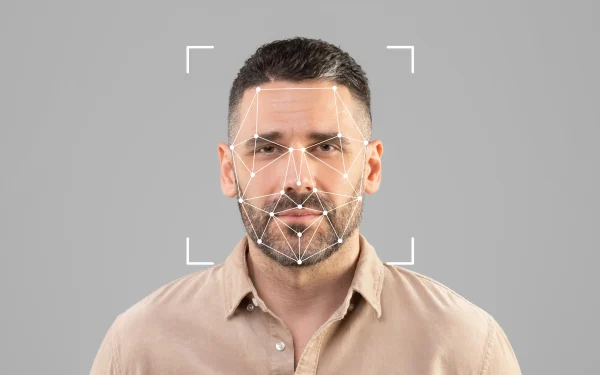
Experts divide the face into three horizontal zones. The Upper Zone includes the forehead and brows. This area reveals how a person thinks and processes logic. The Middle Zone covers the brows to the tip of the nose. This section handles emotions and social ambition. The Lower Zone spans from the nose tip to the chin. This area represents the "will," physical drives, and instincts.
Is character face reading a real science? While not a "hard" science like chemistry, it functions as a highly developed system of pattern recognition used for centuries to correlate physical traits with habitual behavioral tendencies. It provides a framework for understanding human behavior through observation.
Reading the Windows to the Soul: Eye and Brow Markers
The upper third of the face provides the first clues about a person's mental state. Because we use these muscles to focus and react to information, they reveal how a person treats the truth.
The "Sanpaku" Eye and High-Stress Indicators
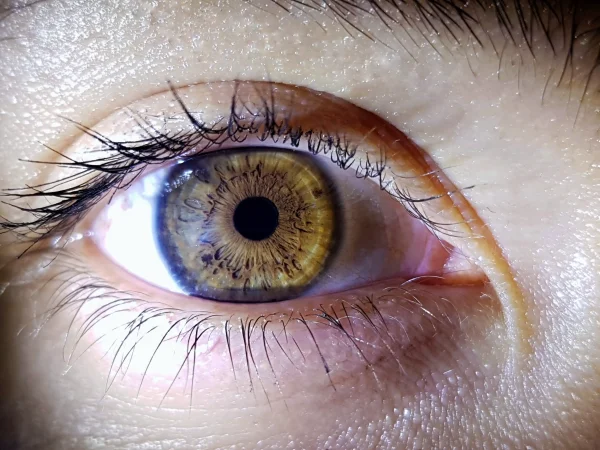
In traditional Physiognomy, the position of the iris provides critical data. According to All About Vision, "Yin Sanpaku" describes eyes where the white is visible below the iris, referring to increased scleral visibility. This often indicates a person under extreme physical or emotional stress. They might be exhausted or prone to accidents.
As noted in Discover Magazine, "Yang Sanpaku" occurs when the white shows above the iris; historical practitioners associate this with a volatile or aggressive temperament. If you see this in a negotiation, proceed with caution. The person may have a short fuse or a secret streak of aggression that they are trying to mask with polite words.
Brow Ridges and Information Processing
Look at the brow ridge, the bone right behind the eyebrows. According to Britannica, a prominent brow ridge indicates a "doer" who processes the world through immediate action and observation, though the source defines this as a physiognomic claim rather than an evidence-based one. These individuals usually value facts over theories. If the brow ridge is flat, the person likely prefers abstract thinking.
The height of the brows also matters. High-set brows suggest a person who takes their time to make decisions. They "wait and see." Low-set brows suggest a person who wants results immediately. A liar with low-set brows will likely rush you into a decision before you can check their facts.
Detecting Concealed Agendas via Physiognomy Patterns
Liars often leave a trail of physical evidence in the lower half of their face. While the eyes might try to look honest, the mouth and jaw often tell a different story.
The Mouth and Thin-Lipped Reticence
The mouth is the primary tool for communication, but it is also the primary tool for withholding. Extremely thin lips often correlate with emotional control and secretiveness. These individuals tend to keep their cards close to their chest.
If you notice a person's lips becoming thinner or "disappearing" while they speak, they are likely holding back information. As discussed in research from PMC, while a one-sided smirk is often called a red flag signaling "duping delight," the source notes that this specific expression is not a validated or reliable indicator of deception. This is the secret joy a liar feels when they think they have successfully fooled you.
Jawline Rigidity and False Dominance
The jaw reveals a person’s level of persistence. A broad, square jaw often belongs to someone with high physical stamina and the "grit" to see things through. However, research in PubMed suggests that very wide faces do not actually correlate with higher testosterone, despite modern theories regarding the Facial Width-to-Height Ratio (WHR) and aggressive behavior.
How accurate is physiognomy in predicting behavior? When used by experts, the practice relies on the baseline of a person’s physical structure rather than a single, potentially staged, moment of body language. It looks at the results of years of behavior.
The Ethics of Using Physiognomy in Professional Settings
Using facial feature profiling is a heavy responsibility. You should not use these tools to judge people unfairly or dismiss them without cause. Instead, use these skills to improve how you communicate and protect yourself from genuine harm.
Avoiding Cultural Bias
Always consider a person's ethnic background and family history. What looks like a "receding chin" in one culture might be a standard feature in another. You must judge proportions relative to the individual’s own face. Never look at one feature in isolation. One "deceptive" mark does not make a liar. You must look for "clusters" of traits that all point in the same direction.
Using Profiling for Connection, Not Just Detection
Ironically, character face reading can make you a more empathetic person. Recognizing that someone’s "tough" jaw comes from a life of hard work and persistence might make you respect them more. If you see signs of high stress in their eyes, you might approach them with more patience. Using this "face map" helps you build deeper, more authentic connections because you see the person as they truly are, not just as they appear in a polished resume.
Training Your Eye for Modern Facial Feature Profiling
You cannot become an expert overnight. Like any skill, reading faces requires constant practice and observation. You should start by looking at people you already know well to see if their features match their known personalities.
The "Baseline" Method
Before you try to catch a lie, you must know what the person looks like when they are telling the truth. This is the "baseline." Observe their face during small talk. Notice how their mouth moves and how their eyes rest. As noted in research from ScienceDirect, establishing this baseline makes any shift during sensitive questions easier to spot, although the study found no evidence that verbal deviations from a baseline reliably indicate deception. If their symmetry suddenly breaks or their lips tighten, you know you have hit a sensitive topic.
Speed-Reading Techniques for High-Stakes Meetings
In a fast-paced meeting, you don't have time for a deep study. Use a quick "three-zone scan."
Check the forehead for consistent wrinkle patterns.
Check the eyes for stress or "Sanpaku" positioning.
Check the mouth for tension or "duping delight" smirks.
This 30-second scan gives you a "weather report" of the person’s internal state. It tells you if you are dealing with a calm, honest actor or someone under the pressure of a masked agenda.
Practical Applications of Physiognomy in Everyday Life
This skill has uses far beyond the interrogation room. You can apply it to your career, your social life, and your personal safety.
Hiring and Leadership Selection
Resumes are easy to fake. Interviews are often rehearsed performances. Utilizing facial feature profiling allows you to look for the physical signs of traits that matter in the workplace. For a leadership role, you might look for high, wide cheekbones, which are often linked to perceived social influence and trustworthiness. For a role requiring deep focus, you might look for a prominent brow ridge and high-set eyebrows.
Improving Personal Safety
Your "gut feeling" is often your brain processing character face reading data without you realizing it. Historically, researchers like Cesare Lombroso tried to identify "born criminals" through physical traits. While his specific theories were flawed, the core idea remains: predatory or volatile personalities often carry physical markers of their lifestyle. If you see a combination of "Yang Sanpaku" eyes and a rigid, forced jawline in a stranger, your brain is warning you about a potential for aggression. Trust that data.
Improving the Art of Physiognomy
Learning to read faces moves you from a world of guessing to a world of knowing. You no longer have to rely on what people choose to tell you. Instead, you can read the story their lives have written on their skin and bones. Physiognomy provides a bridge between the seen and the known.
Remember that facial feature profiling is an art that rewards the patient observer. Instead of simply judging a book by its cover, you are reading the detailed autobiography that every person carries on their face. This skill allows you to navigate the world with more confidence and clarity.
Start observing the world through the lens of character face reading. You will find that honest relationships become easier to build when you can identify them at a glance. You will also find that deceptive people lose their power over you when you can see their intent before they even speak.
What facial feature do you notice first when meeting someone new?
Recently Added
Categories
- Arts And Humanities
- Blog
- Business And Management
- Criminology
- Education
- Environment And Conservation
- Farming And Animal Care
- Geopolitics
- Lifestyle And Beauty
- Medicine And Science
- Mental Health
- Nutrition And Diet
- Religion And Spirituality
- Social Care And Health
- Sport And Fitness
- Technology
- Uncategorized
- Videos

