
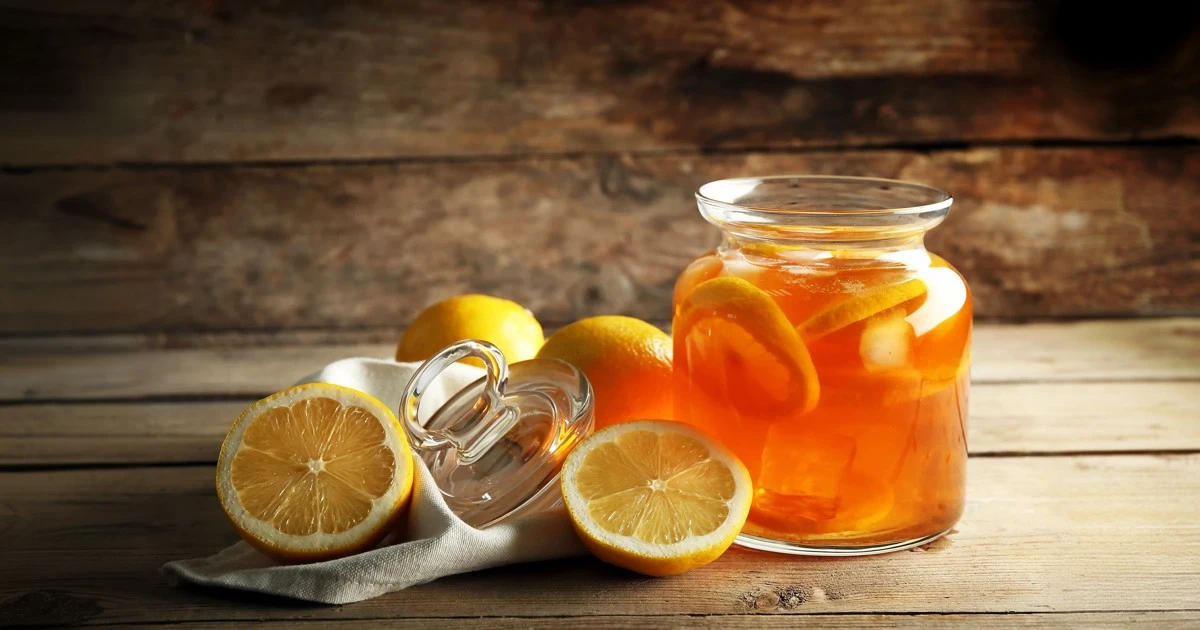
Kombucha: Reality Of Benefits In the Living Tea
Most beverages sit on a shelf as dead, stable liquids, but this fermented tea breaks that rule by entering your body as an active biological event. Drinking it introduces a foreign colony into your system to force a specific physiological negotiation. This interaction creates a distinct divide between a health tonic and a bacterial gamble. The drink demands a careful balance of time, temperature, and chemistry to transform simple ingredients into a living functional beverage.
Originating around 220 B.C. in Ancient China and Japan, this "mushroom tea" relies on what Healthline defines as a Symbiotic Colony Of Bacteria and Yeast, or Scoby. The culture feeds on sugar and tea, converting them into vinegar, B vitamins, and amino acids over a period of 5 to 14 days. This transformation turns sweet tea into a tart, fizzy drink. However, that biological process continues even after you buy it, meaning the liquid in your bottle is constantly changing. Understanding kombucha benefits requires looking at what actually happens inside that bottle and your body.
The Sugar Disappearing Act
The sweet taste in your mouth signals a fuel source that the bacteria is actively consuming rather than merely flavoring.
Fermentation functions as a biological fire that burns through sugar to survive. According to Coca-Cola's product data, a standard can creates a massive insulin spike with roughly 10.6g of sugar per 100ml, which equals about seven teaspoons per can. Kombucha offers a stark contrast. Nutritional data from Verywell Fit indicates that the bacteria in the brew consume most of the added sugar during fermentation, leaving only about 2g to 3g per 100ml in the final product. You get the fizz and the flavor without the massive glucose overload.
Some manufacturers try to cheat this timeline. To keep calorie counts near zero, brands like Nexba (the cheapest option at Tesco for 35p/100ml) use sweeteners like erythritol or steviol. While technically natural, these additives shift the drink’s classification to "ultra-processed." Reviewers note that these sweeteners degrade the flavor profile and leave an artificial aftertaste. Authentic options rely on the natural reduction of sugar by the yeast, preserving the integrity of the kombucha benefits without chemical shortcuts.
The Home Brewing Risk Profile
Saving money on ingredients transfers the entire cost of safety management directly to your kitchen counter.
Making this drink at home is technically demanding and carries physical risks. The process requires a strict environment to prevent disaster. DIY fermenters face the very real danger of bottle explosions if they fail to manage gas release correctly. When carbon dioxide builds up in a sealed glass container without release, the pressure shatters the vessel.
Contamination poses another serious threat. Lead poisoning becomes a possibility; a case report in PubMed described a couple requiring chelation therapy after fermenting tea in ceramic pots with lead glaze, as the high acidity of the liquid leached the heavy metal out of the container and into their drink. Water quality matters immensely as well. You cannot simply turn on the tap. As noted by You Brew Kombucha, chlorine in unfiltered tap water actively inhibits the fermentation process, killing the culture before it starts. Successful brewing demands filtered water and rigorous sterilization.
Can you make kombucha at home safely?
Yes, but you must use filtered water to protect the culture and avoid ceramic vessels to prevent lead poisoning.
Alcohol Content and Chemistry
Fermentation respects the laws of chemistry rather than legal definitions of sobriety. Marketing campaigns often label this tea as a "non-alcoholic" alternative to beer or wine. The biological reality is less black and white. Yeast converts sugar into ethanol as a byproduct. Regulatory guidelines cited by Brew Dr. Kombucha state that commercial versions must contain less than 0.5% ABV to remain classified as non-alcoholic. Though low, this level remains present. A standard beer with 5% ABV contains roughly the same amount of alcohol as ten bottles of kombucha.
This trace amount of alcohol matters for those avoiding ethanol entirely due to pregnancy, religion, or addiction recovery. Medical sources emphasize that it is not purely non-alcoholic. However, for the general public, it serves as a sophisticated substitute. Reviewers praise brands like LA Brewery (priced between £1.33 and £1.73 per 100ml) for offering a champagne-like carbonation and nuanced floral notes, making it an ideal celebratory drink for those reducing their alcohol intake.
Biological Warfare in the Gut
High acidity turns your digestive tract into a hostile environment for dangerous invaders. The primary driver of kombucha benefits is acetic acid. This chemical byproduct gives the drink its signature vinegar taste and acts as a potent antimicrobial agent. In test-tube studies published by the NCBI, the acetic acid produced during fermentation effectively kills harmful pathogens like E. coli and Salmonella while leaving beneficial yeast strains unharmed. This selective aggression helps maintain a balanced gut environment.
The drink creates a barrier against bad bacteria. While general claims suggest it supports a healthy gut, the specific action comes from this acidification. It mirrors the probiotic utility of yogurt but delivers it through a dairy-free vehicle. Green tea variants add another layer of value. They retain polyphenols from the original leaves, linking the drink to increased calorie burning and belly fat reduction.
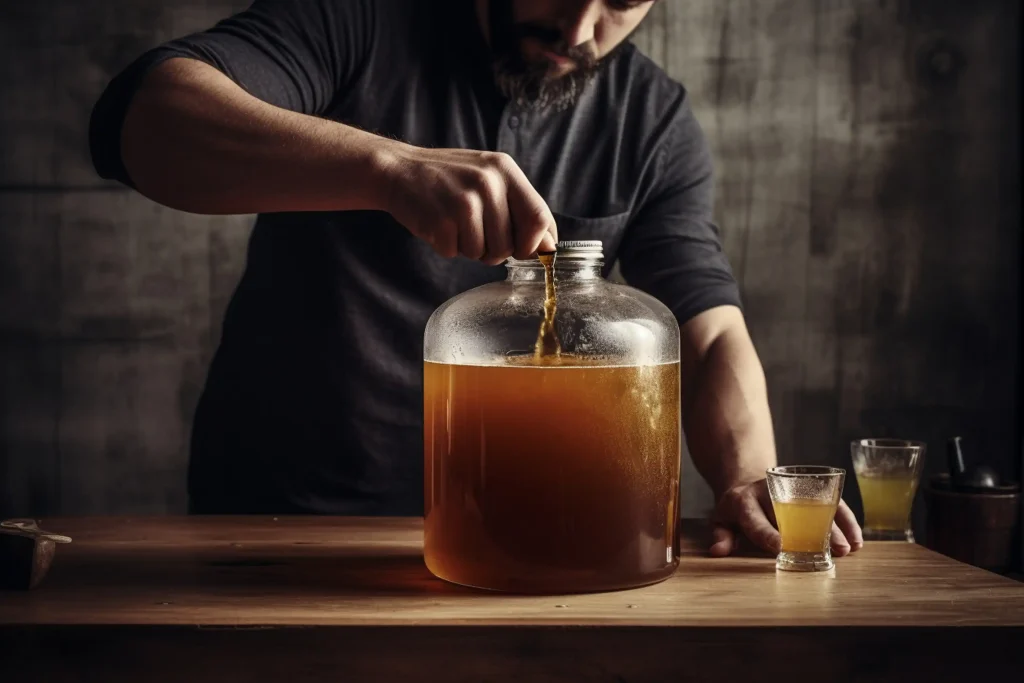
What are the main kombucha benefits for digestion?
The acetic acid and probiotics in the drink help suppress harmful bacteria like Salmonella and support a healthy microbiome.
The Gap Between Rats and Humans
Rodent biology often reacts to treatments in ways that human bodies do not replicate. Science lags behind marketing. Many bold claims regarding cancer prevention and heart disease reversal rely almost exclusively on animal studies. Healthline reports that researchers have observed improvements in "bad" LDL and "good" HDL cholesterol markers in rats after 30 days of consumption. Other studies suggest antioxidant properties that might fight cell damage.
However, medical experts from Nebraska Medicine warn that human trials remain limited. No rigorous scientific backing currently confirms that kombucha benefits extend to curing cancer or significantly lowering blood pressure in people. The evidence gap is significant. While the beverage creates positive changes in a petri dish or a lab rat, human biology is far more nuanced. The "health halo" surrounding the drink often exaggerates these preliminary findings.
Market Tiers and Quality Control
The price tag on the bottle reflects the integrity of the fermentation rather than the brand logo. The commercial market has expanded into a vast range of options, creating a divide between authentic brews and flavored sodas disguised as health drinks. High-caliber options dominate the upper price bracket. Holos, sold at Waitrose for 97p per 100ml, represents the premium tier. It operates as a social enterprise supporting trauma survivors and delivers a flavor profile that mimics the authenticity of a home brew.
On the other end of the spectrum, cheaper versions often rely on concentrates or extensive processing. The trade-off is clear: you pay for the time and care required to manage a live culture. Cheap options cut corners with sweeteners and rapid production methods. High-end brands provide specific formulations targeting alcohol abstainers who want a drink with the sophistication of wine but without the intoxication.
Is store-bought kombucha better than homemade?
Store-bought options offer consistent alcohol levels and safety checks, whereas homemade versions carry higher risks of spoilage and contamination.
Safety Warnings and Contraindications
A strong immune system acts as the necessary gatekeeper for processing this bacterial influx. Not everyone handles live bacterial beverages well. Medical experts advise strict avoidance for pregnant individuals and those with compromised immunity, such as people with HIV. The risk of food-borne illness from raw bacterial beverages is too high for these groups. Even for healthy individuals, there is a limit.
Doctors recommend a daily cap of 8 to 16 ounces. Excessive consumption disrupts the very gut balance you are trying to improve. Too much acid leads to metabolic issues, and the unpredictable bacterial load can cause upset. Building up tolerance takes time. You must train your body to handle the influx of probiotics and acid.
The Kombucha Verdict: Separating Science from Hype
This ancient fermented tea occupies a strange space between medicine and food. It uses a controlled form of decay to create a beverage that fights pathogens and lowers sugar intake compared to standard sodas. The kombucha benefits are real, rooted in the antimicrobial power of acetic acid and the nutritional profile of the tea base. However, the drink is not a magic cure. It carries risks of contamination for home brewers and offers unproven promises regarding serious diseases like cancer. The smartest approach treats it as a potent, enjoyable addition to a diet instead of a miracle elixir. You must respect the biology in the bottle.
Recently Added
Categories
- Arts And Humanities
- Blog
- Business And Management
- Criminology
- Education
- Environment And Conservation
- Farming And Animal Care
- Geopolitics
- Lifestyle And Beauty
- Medicine And Science
- Mental Health
- Nutrition And Diet
- Religion And Spirituality
- Social Care And Health
- Sport And Fitness
- Technology
- Uncategorized
- Videos

