
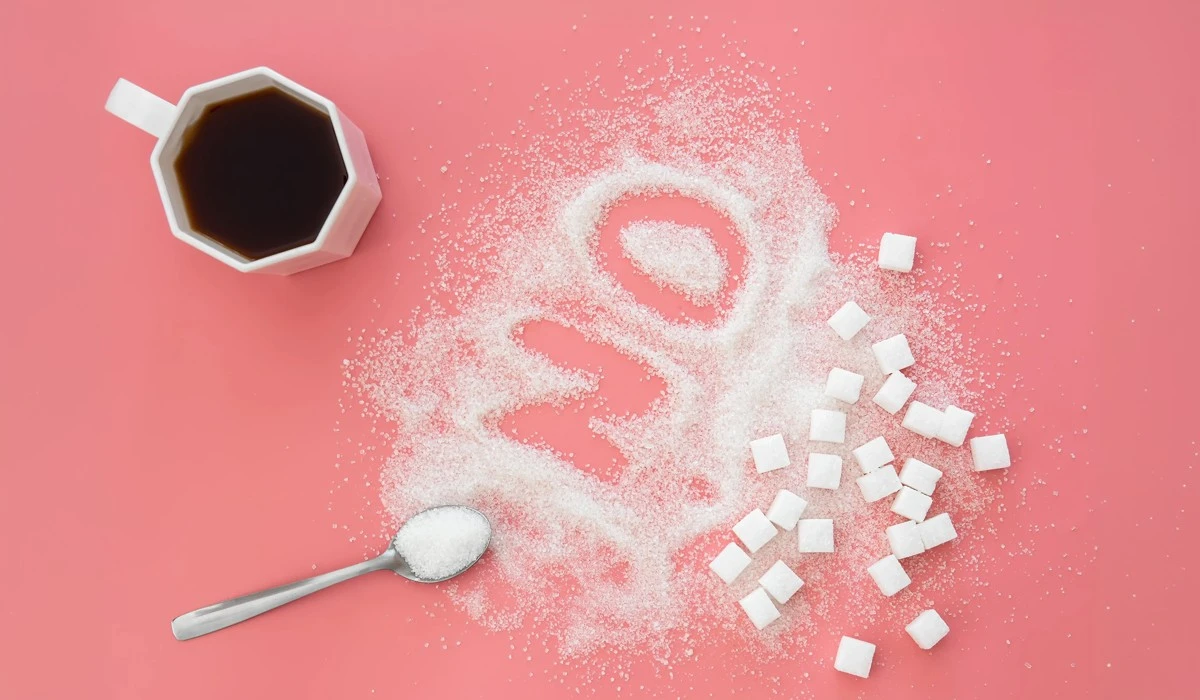
Hormones and Health: Stopping Sugar Cravings Fast
You stand in front of the pantry at 10 PM, staring at a bag of chocolate chips. You promised yourself you would quit sugar today. Your brain screams for a hit of glucose, and suddenly, your "willpower" feels like a thin string about to snap. While many people believe this struggle comes from a lack of character or discipline, the physical reality is simpler and more grounded in biology.
Your body runs on an elaborate web of chemical messengers that dictate when you feel hungry and when you feel satisfied. If these messengers send the wrong signals, no amount of mental toughness will stop the craving. Regulating your Hormones and Health provides the only lasting way to silence that late-night voice. Focusing on the way your internal systems communicate allows you to lead your body rather than fighting it. We will examine how proper endocrine system regulation takes control so you can finally step off the sugar roller coaster.
Your Hormones and Health Control Your Appetite
Your body uses a specific protein called the GLUT4 transporter to move sugar from your blood into your cells. When your Hormones and Health stay balanced, this detailed process happens smoothly. However, if you eat high-sugar foods constantly, your cells start to ignore the signal to open up. This state, known as insulin resistance, leaves sugar floating in your bloodstream while your cells starve for energy.
The brain perceives this as a fuel shortage and reacts by demanding more sugar to bridge the gap. This creates a loop where you eat sugar, your cells ignore it, and your brain asks for more. Breaking this cycle needs a complete reset of your internal signaling rather than just a diet.
Insulin Resistance and Your Sweet Tooth

According to a report in the National Library of Medicine (PMC8232639), insulin is a peptide hormone that is primarily secreted by the beta cells found in the islets of Langerhans in the pancreas. Its main job involves opening your cells so they can use glucose for energy. When you develop insulin resistance, your pancreas pumps out even more insulin to force the cells to listen. These high insulin levels prevent your body from burning fat and keep your brain in a state of constant "sugar seeking."
You might experience a mid-afternoon crash where your hands shake or your focus blurs. This happens because your blood sugar spiked and then plummeted. To fix this, you must prioritize foods that keep your insulin levels low and steady throughout the day.
The Leptin-Ghrelin Balance
Two specific chemicals govern your daily hunger: leptin and ghrelin. Leptin comes from your fat tissue and tells your brain you have enough energy stored. Ghrelin comes from your stomach and tells your brain it is time to eat. When you optimize your Hormones and Health, these two stay in a perfect rhythm.
When the endocrine system regulation falters, you might become "leptin blind." Your fat cells send the "full" signal, but your brain never receives it. Meanwhile, ghrelin levels stay high even after you finish a meal. This biological glitch makes you feel physically hungry even when you have consumed plenty of calories.
How Stress Breaks Your Endocrine System Regulation
As noted in a clinical summary from NCBI (NBK538239), the adrenal glands release cortisol, which increases blood glucose levels by promoting a process in the liver called hepatic gluconeogenesis. This hormonal shift prepares the body for high-stress situations by ensuring plenty of glucose is available in the blood. Even if you aren't actually running from a predator, your body acts like you are.
This surge of glucose eventually leads to a sharp drop. Once the stress passes, your body demands a quick refill of those sugar stores. How do I stop sugar cravings instantly? Research in the Journal of Nutrition and Metabolism (PMC5015032) suggests that choosing a high-protein snack is the most effective way to feel full and stop a craving quickly; alternatively, a large glass of water helps stabilize your blood sugar levels and provide a sense of fullness. Consistent stress keeps your endocrine system in a state of emergency, making sugar feel like a survival necessity rather than a treat.
Managing Your Morning Blood Sugar Balance

The first meal of your day sets the tone for your chemical balance for the next twelve hours. If you start with a sugary cereal or a pastry, you cause a massive insulin spike before your day even begins. This early mistake guarantees a craving-filled afternoon because your body will spend the rest of the day trying to find that high again.
Focusing on your Hormones and Health in the morning means choosing foods that digest slowly. You want to provide your body with a steady drip of energy rather than a flood. This keeps your mood stable and your brain sharp, preventing the "hangry" feelings that lead to poor food choices later.
The Power of Protein and Healthy Fats
Studies hosted by PubMed (9416027) indicate that fats have very little effect on blood sugar levels, meaning protein and fat do not cause the same sharp insulin response as carbohydrates. The same body of research (PubMed 23979673) notes that zinc is a necessary element for the pancreas to properly process and store insulin within beta cells. Eating nutrient-dense foods early gives your body the tools it needs for proper storage and release.
Does stress make you crave sugar? Yes, elevated cortisol levels signal the brain to seek out calorie-dense foods to prepare for a "fight or flight" scenario. Starting your day with healthy fats provides a buffer that helps dampen the effect of morning stress on your blood sugar levels.
Timing Your First Meal
Some people thrive on intermittent fasting, while others find that skipping breakfast results in a sharp rise in hunger hormones. According to a study in PMC6247188, people who skip breakfast experience higher daily hunger and ghrelin levels compared to those who eat a morning meal. Consistency often helps stabilize endocrine system regulation better than erratic eating patterns.
If you choose to eat early, aim for a "savory" start. Research published in the National Institutes of Health (PMC9942918) explains the cephalic phase insulin response, where simply tasting something sweet causes the body to release insulin before any sugar actually enters the bloodstream. Keeping your morning neutral prevents the "vacuum" effect that sucks you into sugar cravings by noon.
Tactical Shifts for Better Hormones and Health
Small changes in your nutrient intake can have a massive effect on your cravings. Many people lack the specific minerals needed to process sugar correctly. When these minerals go missing, your body struggles to use the energy you give it, leading to a constant "need" for more fuel.
Improving your Hormones and Health involves looking at what your body is missing rather than just what you should take away. Adding specific support makes the process of quitting sugar feel natural rather than forced.
Magnesium and Mineral Support
Clinical data from PMC11557730 indicate that magnesium acts as a cofactor for more than 300 different enzymatic reactions in the body. A study in PMC4549665 adds that because magnesium is involved in all glycolysis enzymes, a deficiency means cells cannot respond effectively to insulin signals. This creates a bottleneck in your metabolism that often manifests as an intense craving for chocolate, which is naturally high in magnesium.
Other minerals, like chromium, play a role in your Glucose Tolerance Factor. This factor helps insulin bind to your cells more effectively. Ensuring you have enough of these trace minerals makes your endocrine system regulation more resilient against occasional dietary slips.
Fiber as a Hormonal Anchor
Evidence published in PMC6352252 shows that soluble fiber slows down how quickly the stomach empties, which helps regulate appetite and prevents blood sugar spikes. Further research (PMC11651700) mentions that fiber triggers the release of GLP-1, a hormone that promotes a feeling of fullness and limits energy intake.
When you eat plenty of fiber, your Hormones and Health remain steady throughout the afternoon. You avoid the "2 PM slump" because your blood sugar stays within a narrow, healthy range. Fiber acts like a brake on your digestion, ensuring that the energy from your food lasts as long as possible.
Sleep is Essential for Endocrine System Regulation
According to findings published in PubMed (26361380), even a single night of partial sleep deprivation is enough to significantly impair insulin sensitivity in healthy individuals. A report in PMC4763355 explains that lack of sleep increases levels of a chemical called 2-AG, which can raise hunger and make high-calorie foods more appealing. Your biology actively pushes you toward the cookie jar, in addition to you being tired.
Related research (PMC6215927) suggests that sleep loss causes ghrelin to rise and fullness to decrease, making you feel hungrier throughout the day. Why do I want sugar when I'm tired? When you are sleep-deprived, your body looks for a fast energy source like sugar to compensate for the lack of restorative rest. Prioritizing seven to nine hours of sleep is the most effective way to maintain endocrine system regulation.
The Role of Gut Health in Hormones and Health
Your gut acts like a second brain, and the bacteria living there have their own priorities. As discussed in PMC7213601, specific types of gut bacteria thrive when we consume sugary foods, often driven by stress. Studies on microbial control (PubMed 25103109) show that these bacteria can influence eating behavior by essentially hijacking the vagus nerve.
Research from PubMed (37922012) highlights that gut bacteria play a major role in managing serotonin, a chemical vital for mood and behavior. When your mood is stable, you are less likely to seek out sugar as a form of emotional self-medication.
The Microbiome-Cravings Connection
As noted in PubMed 25103109, certain bacteria can manipulate host behavior by altering taste receptors or producing toxins that change a person's mood. This represents a biological hijacking rather than a lack of willpower. Eating fermented foods and plenty of fiber supports the beneficial bacteria that help suppress these cravings.
A study in PMC4903954 reports that beneficial bacteria ferment fiber to produce short-chain fatty acids, specifically butyrate. According to research in PMC9541926, this butyrate acts as a sensor that sends information to brain regions responsible for food intake to reduce the drive for reward-based eating. Strengthening this connection is a key part of long-term endocrine system regulation.
Probiotics and Hormonal Signaling
As stated in PMC7656736, probiotics have been shown to reduce inflammation by decreasing specific inflammatory markers in the body. Research in PMC6354688 notes that such inflammation and decreased sensitivity to leptin are major factors in the development of metabolic issues like insulin resistance. A healthy gut environment ensures that the nutrients you eat actually get absorbed and used to build hormones.
When your gut is healthy, you produce more oxytocin, the "bonding" hormone. A study published in PubMed (31628930) found that higher levels of oxytocin can significantly reduce the intake of sweet snacks. Focusing on gut health creates a chemical environment where sugar cravings simply have no place to grow.
Mindful Habits to Support Hormonal Flow
Sometimes, your body sends a signal that feels like hunger but is actually something else. Learning to interpret these signals correctly helps you maintain your Hormones and Health without feeling deprived. It takes about 20 minutes for your gut to tell your brain that it is full, so eating too quickly often leads to overconsumption.
Identifying Emotional vs. Biological Hunger
Biological hunger grows slowly and can be satisfied by a variety of foods, like a piece of chicken or an apple. Emotional hunger comes on suddenly and usually demands a very specific food, like a donut or soda. Checking in with your body allows you to see if your endocrine system regulation is actually asking for fuel or if you are just stressed.
If you suspect you are just thirsty, drink a glass of water first. According to a clinical guide from NCBI (NBK555906), the hypothalamus regulates sensations of hunger and thirst through the interaction of hormones like ghrelin and leptin. Providing hydration often stops a "sugar craving" in its tracks by satisfying the internal need for metabolic water.
The 20-Minute Rule
Because of the delay in hormonal signaling, give yourself 20 minutes before reaching for seconds or a dessert. This gives your GLP-1 and leptin levels time to reach your brain and register satiety. During this time, your Hormones and Health are working internally to balance your energy needs.
Practicing this delay helps you stay in tune with your body’s actual requirements. It prevents the post-meal insulin spike that happens when you eat past the point of fullness. This simple habit supports your overall goal of steady, reliable energy without the need for sugar hits.
Finding Peace with Hormones and Health
Stopping sugar cravings is a biological process rather than a battle of the mind. It depends on the state of your blood, your gut, and your sleep. When you focus on Hormones and Health, you remove the physical causes that make sugar feel like a necessity. You stop needing to "try harder" because your body stops asking for the wrong things.
Choosing nutrient-dense foods, prioritizing rest, and managing stress supports a system of endocrine regulation that works for you rather than against you. You can walk past the pantry at night without a second thought. Your Hormones and Health are the basis of your freedom, and once they are balanced, the cravings simply fade away.
Recently Added
Categories
- Arts And Humanities
- Blog
- Business And Management
- Criminology
- Education
- Environment And Conservation
- Farming And Animal Care
- Geopolitics
- Lifestyle And Beauty
- Medicine And Science
- Mental Health
- Nutrition And Diet
- Religion And Spirituality
- Social Care And Health
- Sport And Fitness
- Technology
- Uncategorized
- Videos

