
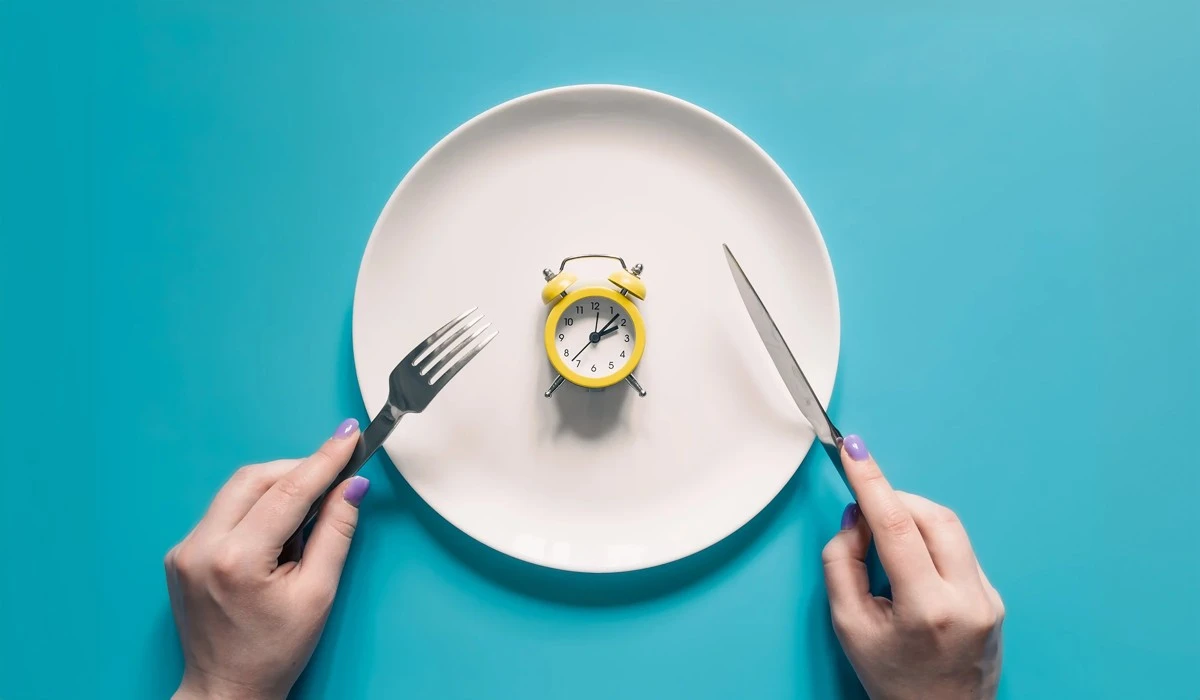
Chrononutrition: Best Time to Eat for Fat Loss
Imagine eating a crisp salad at 10:00 PM every night. You expect a slimmer waistline, yet your jeans feel tighter every week. You blame the ingredients, but your body actually ignores the nutrients and focuses on the clock. Your internal organs run on a strict schedule that tells them when to burn fuel and when to store it as fat. If you eat when your body wants to sleep, you force those calories directly into your stomach lining.
While many people treat their stomachs like a 24-hour convenience store, the digestive system actually operates more like a high-end restaurant with very specific opening hours. When you miss these windows, your hormones go into a defensive state. This conflict between your lifestyle and your internal rhythm causes the body to hoard fat around your organs. Chrononutrition offers a way to stop this internal tug-of-war; aligning your fork with your internal clock makes this possible.
Identifying the optimal time for meal cycles allows your body to process sugar and fat with maximum effectiveness. You stop fighting your biology and start working with it.
The Science of Your Internal Fat Burning Clock
Your brain contains a primary clock called the Suprachiasmatic Nucleus. This tiny area sits in the hypothalamus and responds primarily to light. While your brain follows the sun, your liver and pancreas follow your food. When these two systems fall out of alignment, your metabolism stalls.
Chrononutrition explains that every cell in your body has its own timer. These peripheral clocks dictate when your liver should produce glucose and when your pancreas should release insulin. If you eat a heavy meal while your liver thinks it should be resting, you create metabolic chaos.
Why Your Metabolism Is Not a Constant Flame
Your body does not burn calories at the same rate all day. Diet-induced thermogenesis—the energy you use to digest food—peaks in the morning and drops significantly at night. According to research indexed in PubMed, this heat production is 2.5 times higher at 8:00 AM than it is at 8:00 PM.
Choosing the best time to eat meal portions ensures you use this natural heat to your advantage. When you eat early, your body converts more of that food into heat instead of storing it as adipose tissue.
How Chrononutrition Targets Stubborn Belly Fat

Abdominal fat responds quickly to hormonal signals. When you eat during the day, your body stays in a "burn" mode. When you eat late, your insulin levels stay high for too long. High insulin acts like a lock on your fat cells, preventing them from releasing energy.
Applying Chrononutrition helps you lower insulin levels during the hours you need it most. This shift encourages the body to tap into stored visceral fat for energy. Because belly fat is metabolically active, it reacts strongly to these timing changes.
The Cortisol and Insulin Connection
As noted in research from the PMC repository, natural cortisol levels peak around 8:00 AM to help you wake up. This hormone also helps you mobilize energy from your first meal. If you skip breakfast but eat a massive dinner, you miss this window of high productivity.
Research published in PubMed indicates that your fat tissue is ironically 54% more sensitive to insulin at noon than it is at midnight. Eating your largest carbohydrate loads in the middle of the day prevents the massive blood sugar spikes that lead to waistline growth.
Morning Windows and the Best Time to Eat for Success
Your first meal sets the tone for your entire metabolic day. Eating within two hours of waking up signals to your brain that plenty of energy is available. This prevents the body from entering a "starvation" mode that clings to every calorie.
What is the best time to eat breakfast to lose weight? Research suggests that eating between 7:00 AM and 9:00 AM optimizes the thermal effect of food. This allows the body to process nutrients when insulin sensitivity is at its highest point of the day.
Breaking the Fast Without Spiking Blood Sugar
According to a study published in PubMed, a high-protein breakfast helps suppress the hunger hormone ghrelin. People who eat a 700-calorie breakfast lose significantly more weight than those who eat those same calories at dinner.
The best time to eat a meal for breakfast is before 9:00 AM to align with your natural cortisol spike. This timing ensures your body uses the food for immediate energy rather than long-term storage.
Navigating the Midday Metabolic Peak
When noon arrives, your digestive enzymes and insulin sensitivity reach their peak performance. This makes lunch the ideal time for your most substantial meal of the day. Your body has the greatest capacity to break down detailed nutrients during this window.
A report by CBS News on a 2013 study found that "late eaters" who had lunch after 3:00 PM lost 25% less weight than "early eaters." Findings published in PMC further noted that these late lunch participants displayed a slower weight-loss rate during the 20 weeks of treatment compared to the early-eating group. Shifting your main fuel source to the middle of the day is a core principle of Chrononutrition.
The Afternoon Energy Slump vs Fat Oxidation
Most people reach for sugar when they hit a 3:00 PM energy crash. This slump often happens because the previous meal was too small or timed poorly. A substantial lunch between 12:00 PM and 1:00 PM provides the sustained glucose needed to avoid these fat-storing snacks.
The best time to eat a meal for lunch is during the bright hours of the day when your metabolism is most active. This timing supports fatty acid oxidation, which is the process of burning fat for fuel.
Managing Chrononutrition to Avoid the Late Night Fat Trap
As the sun goes down, your body focuses on repair rather than digestion. Your brain releases melatonin to help you sleep. According to research published in PubMed, melatonin also signals the pancreas to stop producing insulin.
Does eating late at night cause belly fat? Yes, eating late shifts the body into a storage state because your metabolism slows down in preparation for sleep. This metabolic mismatch leads to higher fat accumulation in the midsection.
The Melatonin Conflict
A report by Massachusetts General Hospital states that dining late results in lower insulin levels and higher blood sugar because the body lacks the insulin to clear it. As explained by the CDC, this excess sugar remains in the bloodstream longer and eventually transforms into triglycerides. These fats then settle into your abdominal cavity.
Evidence published in PMC suggests that following Chrononutrition requires you to stop eating at least three hours before bed. This gap allows your blood sugar to stabilize before melatonin takes over your system.
Practical Steps to Find Your Best Time to Eat Meal
Consistency matters more than perfection when you adjust your eating schedule. Try to keep your meal times within the same 60-minute window every day, even on weekends. This "social jetlag" from changing your schedule can increase your obesity risk by 33%.
How many hours should be between meals? Most experts recommend waiting 4 to 5 hours between major meals to allow insulin levels to return to baseline. This gap encourages the body to tap into stored fat for energy between sittings.
Establishing a Consistent Feeding Window
Research from King's College London suggests that a 10-hour eating window, such as 8:00 AM to 6:00 PM, provides the best balance for most people. This schedule allows for a 14-hour fast every night. During this fast, your body enters a state of autophagy, where it repairs cells and burns stored fat.
Finding your best time to eat meal windows involves looking at your natural wake time. If you wake at 6:00 AM, your "fat-burning" window should ideally close by 4:00 PM or 5:00 PM.
Beyond Weight Loss and Other Benefits of Chrononutrition
Timing your food correctly provides benefits beyond shrinking your waist, such as improving the quality of your deep sleep. When your stomach is empty at night, your body focuses on brain repair instead of churning through a heavy meal.
Chrononutrition also boosts mental clarity during the day. Stable blood sugar levels prevent the "brain fog" that usually follows a high-carb lunch or a late-night snack. You feel more alert because your brain is getting a steady supply of fuel.
Improved Sleep Quality and Mental Clarity
Better sleep creates a positive cycle for weight loss. When you sleep well, your body produces less ghrelin and more leptin, the hormone that tells you when you are full. This makes it easier to stick to your best time to eat meal schedule the following day.
Trimming your waist becomes a natural byproduct of a healthy internal rhythm. You no longer need to fight intense cravings because your hormones remain balanced.
Transforming Your Body with Chrononutrition
Rather than functioning as a simple machine that counts calories in and calories out, your body operates as a multi-layered system of biological clocks that decide the fate of every bite you take. When you respect these natural rhythms, you enable the ability to burn fat without extreme restriction.
The best time to eat meal cycles always aligns with the sun and your internal primary clock. When you eat during your peak metabolic hours, you provide your body with the fuel it needs to thrive. When you fast during the evening, you give your body the space it needs to burn off stored energy.
Adopting Chrononutrition changes how you look at your plate and your watch. It provides a sustainable path to a flatter stomach and higher energy levels. If you move your dinner an hour earlier tonight, you can observe how your body responds to the change.
Recently Added
Categories
- Arts And Humanities
- Blog
- Business And Management
- Criminology
- Education
- Environment And Conservation
- Farming And Animal Care
- Geopolitics
- Lifestyle And Beauty
- Medicine And Science
- Mental Health
- Nutrition And Diet
- Religion And Spirituality
- Social Care And Health
- Sport And Fitness
- Technology
- Uncategorized
- Videos

