
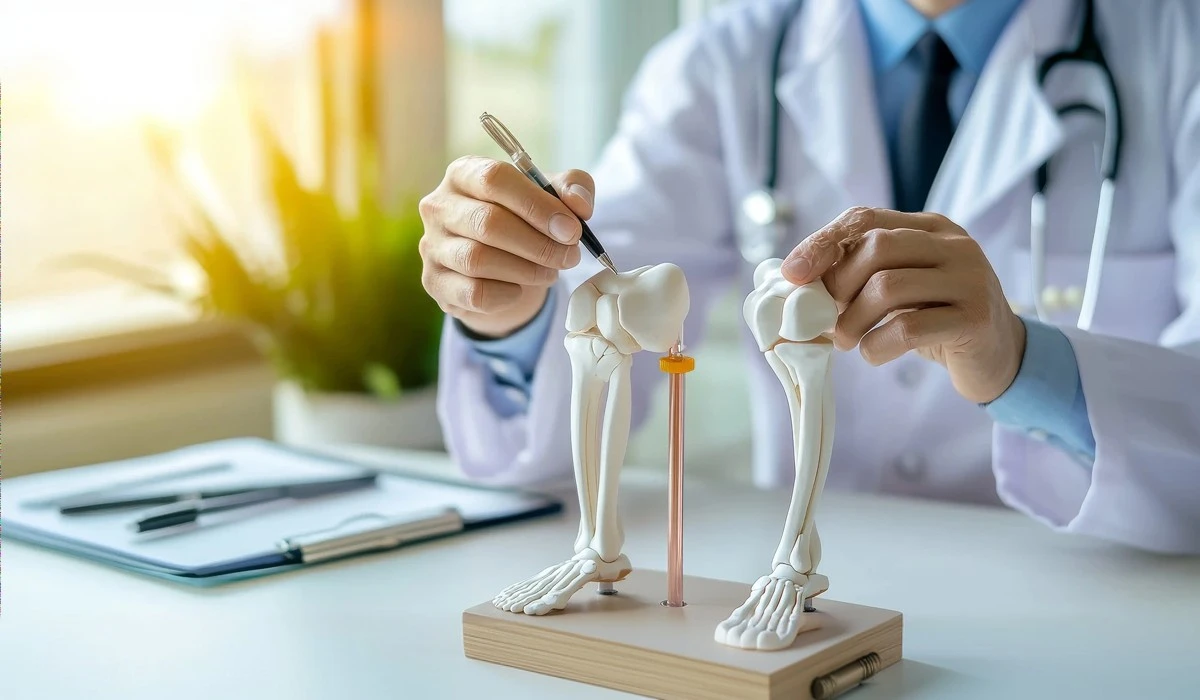
Bone Health Best Late Night Snack Revealed
Most people view sleep as a passive shutdown, but your skeleton treats bedtime as the start of an aggressive construction shift. Research published in the National Library of Medicine explains that while your conscious mind drifts off, internal repair crews wake up to fix the micro-damage, engaging in a continuous process where osteoclasts remove old bone and osteoblasts form new layers. This nightly renovation requires raw materials, and if your bloodstream lacks them, the body makes a ruthless decision. It steals calcium from your own structural reserves to keep your heart and nerves functioning. You lose density while you dream.
The food you eat right before bed changes this reality entirely. Instead of waking up with a deficit, you can supply the specific minerals your skeleton demands during its busiest hours. This prevents the body from cannibalizing its own frame. Strategic nighttime eating turns eight hours of downtime into a period of active reinforcement. A study listed on PubMed demonstrates that strategically timing your intake—specifically bed-time ingestion of calcium-fortified protein—supports homeostatic bone remodeling, effectively stopping the quiet theft of your own mineral bank.
The Science of Nighttime Repair
Your skeleton functions as a bank account that never closes, with withdrawals happening most aggressively when you think you are resting.
The Continuous Cycle
As noted in a study on bone physiology, you reach your peak bone mass around age 30, at which point your skeleton hits its maximum strength and density. After that, you hit a plateau that lasts for about two decades. Once this stability fades, the decline begins.
For women, menopause acts as a cliff edge. The reduction in oestrogen accelerates bone loss, stripping away density faster than the body can replace it. This biological reality makes every nutrient intake critical. The hours you spend sleeping offer the longest uninterrupted window for nutrient absorption and tissue repair. If the materials are not present in your system, the remodeling process stalls, or worse, reverses.
Why Morning Habits Aren't Enough
Many adults rely on a morning latte or a midday yogurt to meet their calcium quotas. However, these nutrients often get used up or excreted long before the nightly repair shift begins. The gap between dinner and breakfast creates a vulnerability. During this fast, your body still needs minerals to regulate blood pH and muscle function. Without a steady supply, it dissolves tiny amounts of bone to release calcium back into the blood. Bridging this gap with a late-night snack for bone health is a defensive maneuver against this natural erosion.
Why Most Snacks Fail Your Skeleton
Eating for energy usually ignores structure, leaving your body flush with calories but bankrupt in the minerals required to hold you upright.
The Calorie Trap
Snacking now accounts for roughly 20% of total daily calorie intake for the average adult. The problem lies in the quality of these calories. Most common evening treats—chips, cookies, or ice cream—offer quick energy but zero structural support. They are "empty" in the truest sense. They fill the stomach without fueling the repair crews in your bones.
The Statistical Reality
This nutritional disconnect shows up in the numbers. Approximately 43% of adults over 50 suffer from low bone mass. This signals a supply chain issue regardless of age. The body is willing to build, but it lacks the bricks. Shifting your strategy from "filling the gap" to "fueling the frame" turns a simple craving into a health investment. Prioritizing nutrient density over empty sugar is the only way to reverse the trend of skeletal decline.
The Ultimate Late-Night Snack for Bone Health
A single bowl can force three separate biological systems to cooperate, turning a simple craving into a targeted skeletal defense strategy.
The Core Recommendation
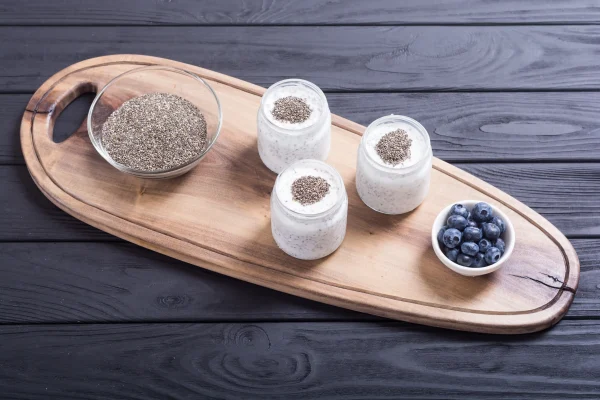
Dietitians identify Cocoa-Chia Pudding with Raspberries as a superior choice for protecting bone density. Flavor is only a bonus here. The combination of ingredients creates a specific chemical environment that favors absorption. Preparation requires some foresight, as the chia seeds need hours to thicken, making the morning the ideal time to prep your evening fuel.
The Recipe Breakdown
The base consists of almond milk, chia seeds, maple syrup, cocoa powder, and a touch of vanilla. While simple, this mixture is potent. The chia seeds provide fiber and structure, while the liquid base delivers the suspension for the nutrients.
Almond Milk: Acts as the calcium carrier (when fortified).
Chia Seeds: Offer healthy fats and texture.
Cocoa Powder: Adds flavor without the sugar spike of chocolate bars.
Maple Syrup: Provides natural sweetness in controlled amounts.
Integrating this late-night snack for bone health into your routine satisfies the need for a "treat" while delivering a payload of minerals directly to the site of repair.
The Mineral Triad You Cannot Ignore
Calcium builds the wall, but without two specific supervisors, the bricks end up in your arteries or kidneys instead of your hips.
The Team Effort
You cannot rely on calcium alone. Dietitian Ogletree emphasizes that calcium is insufficient without its partners. Effective bone health depends on a cooperative effort between three specific minerals: Calcium, Magnesium, and Phosphorus.
Calcium: Provides the raw material for structure.
Magnesium: Acts as the guide. It directs calcium to the bones and is essential for activating Vitamin D in the liver and kidneys.
Phosphorus: Creates density. It ensures the bone is resilient to breaking rather than simply being hard.
Why the Ratio Matters
Dietitian Ali notes that structural integrity relies on this trio. Without magnesium, calcium forms crystals in the wrong places. Without phosphorus, the new bone lacks the resilience to withstand impact. The Cocoa-Chia pudding recipe naturally balances these elements. It creates a delivery system where the minerals support each other rather than competing for absorption.
Vitamin D Connection
Absorption requires a catalyst. Vitamin D helps the gut absorb calcium, but Vitamin D itself requires magnesium to function. If you are low on magnesium, even high doses of Vitamin D will fail to protect your bones. This recipe covers roughly 25% of your daily magnesium requirement, ensuring that the Vitamin D in your system can actually do its job.
How This Snack Improves Sleep Quality
Chemical anxiety in the nervous system often stems from a mineral deficiency that prevents your brain from hitting the off switch.
The Magnesium Effect
One of the reasons this specific recipe works as a late-night snack for bone health is its result on the nervous system. Magnesium is a powerful relaxant. It plays a key role in regulating melatonin, the hormone that guides your sleep-wake cycle. It also helps reduce cortisol, the stress hormone that keeps you awake.
Blood Sugar and Rest
Deep, restorative sleep is when the most intense bone repair happens. Spikes and crashes in blood sugar can wake you up, interrupting this process. A systematic review highlighted by PepsiCo Health & Nutrition Sciences suggests that the soluble fibers in chia seeds swell to increase satiety and delay glucose absorption, stabilizing blood sugar levels. This prevents the "sugar crash" that often wakes people up at 3 AM.
Does magnesium help with sleep?
Magnesium regulates neurotransmitters to calm the nervous system and manage melatonin production for better rest. Promoting deeper sleep extends the amount of time your body spends in its repair phase. You buy your body the time it needs to use nutrients rather than just eating them.
Customizing the Recipe for Maximum Density
Standard ingredients provide a baseline, but strategic add-ons act as force multipliers that drastically increase the absorption rate of every spoonful.
Protein Variations
The base recipe is vegan, but adding dairy can boost the benefits for those who tolerate it. Swapping almond milk for cow’s milk or adding a dollop of Greek yogurt increases the calcium and protein content. Collagen powder is another unnoticeable addition that supports the connective tissue within the bone matrix.
The Antioxidant Shield
Top the pudding with fresh raspberries. These provide more than visual appeal. Raspberries are rich in antioxidants, which protect cells from oxidative stress. Fresh fruit adds volume and flavor, making the snack feel substantial without loading it with processed sugar.
The Omega-3 Link
Dietitian Ali points out that Omega-3 consumption links to reduced osteoporosis rates in observational studies. Chia seeds are naturally high in these healthy fats. This lipid layer may help modulate the inflammation that triggers bone breakdown. Every spoonful becomes a dual-action tool: building new bone while slowing the decay of the old.
Beyond the Bowl: Other Skeletal Superfoods
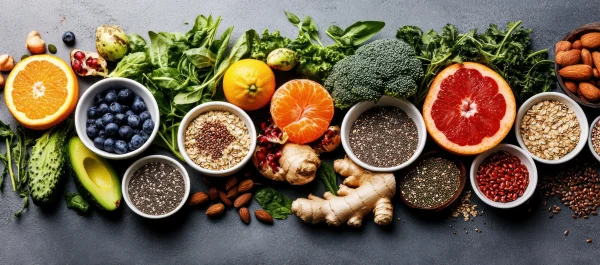
Relying on a single source creates gaps in defense, whereas diversifying your mineral portfolio protects against specific chemical thieves like inflammation.
The Power of Prunes
Dried plums, or prunes, have a reputation for digestion, but their value to the skeleton is higher. Eating 5-6 prunes daily links to the preservation of hip bone density. Dr. Rosen from Harvard notes that prunes reduce inflammation, which is a potential driver of bone breakdown.
Are prunes good for bone density?
Eating five to six prunes daily helps preserve hip bone density by reducing inflammation that breaks down bone tissue.
Marine Sources
Canned salmon is another powerhouse, provided you eat the bones. According to USDA data, these small, soft bones are almost imperceptible when mashed but provide roughly 180mg of calcium per 3 ounces. They offer a direct transfer of structural material from the fish to you.
Sweeteners and Fruits
Blackstrap molasses is a surprising source of calcium. One tablespoon contains 41mg, making it a smarter sweetener than white sugar. Figs, whether fresh or dried, offer a dense package of calcium, potassium, and magnesium. Incorporating these into your diet alongside your late-night snack for bone health ensures you attack the problem from multiple angles.
The Overlooked Dangers of Supplements and "Healthy" Greens
The label on the bottle often lies about what your body actually absorbs, turning high-dose promises into internal clogging hazards.
The Spinach Trap
Not all greens are equal. According to the Harvard School of Public Health, spinach is famous for iron and calcium, but it is also high in oxalates, which lowers bioavailability to the point that the body uses only about 5% of the mineral content. You might eat a bowl of spinach, but your bones see very little of that mineral content. Kale and cabbage are superior choices because they lack these blocking agents, allowing for high bioavailability.
Supplement Risks
Excess intake often causes harm. A review published by JAMA Network confirms that combining Calcium and Vitamin D supplements links to a higher risk of kidney stones, with trials showing a significant excess in urinary tract stone incidence. The safest strategy is to calculate what you get from food first and only supplement the deficit.
The Vitamin A Warning
High intake of Retinol (Vitamin A), often found in liver or aggressive supplementation, links to increased fracture risk. The NHS advises limiting this intake, especially for postmenopausal women. Too much of this "good" vitamin actually weakens the bone structure.
Plant Milk Reality
If you choose plant-based milks for your pudding, check the label. Naturally, almonds and oats contain very little calcium. They must be fortified to match dairy levels. If you buy unfortified versions, you are drinking expensive water with no skeletal benefit.
Future-Proofing Your Frame
Treating your bones as a static support structure is a mistake. They are living tissue in a constant state of demolition and reconstruction. The hours you spend sleeping are the most critical for this rebuilding process. If you go to bed with empty reserves, you force your body to scavenge from its own foundation.
Integrating the right late-night snack for bone health—specifically the Cocoa-Chia Pudding—flips the script. You provide the calcium for structure, the magnesium for transport, and the phosphorus for density. You improve your sleep quality, granting your body more time to repair. This meal serves as a strategic investment in your future mobility. Feed the repair crew tonight, and you will stand stronger tomorrow.
Recently Added
Categories
- Arts And Humanities
- Blog
- Business And Management
- Criminology
- Education
- Environment And Conservation
- Farming And Animal Care
- Geopolitics
- Lifestyle And Beauty
- Medicine And Science
- Mental Health
- Nutrition And Diet
- Religion And Spirituality
- Social Care And Health
- Sport And Fitness
- Technology
- Uncategorized
- Videos

