

Ayurveda for a 7-Day Gut Detox
When you eat a meal that your body cannot fully process, the leftovers don't just disappear. They turn into a sticky, cold sludge that clings to the walls of your digestive tract. This buildup blocks your energy, clouds your mind, and makes you feel heavy regardless of how much sleep you get. Ancient healers recognized this problem thousands of years ago. They developed a system called Ayurveda to keep the internal fire burning bright enough to incinerate this waste.
Most people try to fix their health by adding new supplements or restrictive diets. In reality, health returns when you remove the obstacles sitting inside your gut. This 7-day detox focuses on clearing the "undigested" parts of your life. Following these steps allows you to stop fighting your body and start working with its natural rhythm. This guide serves as an introduction to Ayurveda for beginners who want to reclaim their vitality.
The Ancient Roots of Internal Balance

The word Ayurveda comes from two Sanskrit words: Ayur, meaning life, and Veda, meaning knowledge or science. It stands as one of the oldest healing systems on earth. Historians trace its origins back over 5,000 years to the Vedic period of India. While modern medicine often treats symptoms, this ancient science looks at the whole person.
The primary authority on internal medicine is a text called the Charaka Samhita. Written around the 1st or 2nd Century CE, it contains over 8,400 verses. These verses explain how health depends almost entirely on your "internal fire."
What is the primary focus of Ayurveda?
Ayurveda focuses on balancing the body, mind, and spirit to prevent disease. It uses diet, lifestyle, and herbal remedies to maintain this harmony.
Inside your body, 13 different types of fires, or Agnis, work to transform what you consume into energy. The most important one, Jatharagni, lives in your stomach and small intestine. If this fire stays strong, you feel light and energetic. If it flickers, food turns into a toxic residue called Ama.
Identifying the Sludge in Your System
Ama literally translates to "uncooked" or "undigested." Think of it like the black soot that builds up in a chimney. When your digestive fire is weak, it cannot "cook" your food properly. This sticky residue then clogs your Srotas, or bodily channels. This blockage leads to inflammation and chronic fatigue.
You can check for Ama yourself every morning. Look at your tongue in the mirror before you brush your teeth. A thick white or yellowish coating serves as a clear sign that your body struggled to digest yesterday’s meals.
Modern science supports these ancient observations. Research published in the Journal of Ayurveda and Naturopathy revealed that specific Ayurvedic detox protocols can lower C-reactive protein (CRP) levels by 35%, significantly affecting key inflammatory markers in the blood. Another study in Scientific Reports found that even a short 6-day program changed blood metabolites related to cholesterol and inflammation.
How do I know if I have a slow metabolism?
Ayurveda classifies slow digestion as Manda Agni. Signs include feeling heavy after meals, frequent bloating, and a lack of appetite even when you haven't eaten for hours.
Kitchen Essentials for a Successful Detox
To clear out the gut, you must simplify what you eat. The gold standard for an Ayurveda detox is a dish called Kitchari. This meal combines long-grain basmati rice and split yellow mung dal. As noted in the Ayurveda Journal, this combination provides a full spectrum of amino acids and serves as a quality source of vegetable protein.
Kitchari provides everything your body needs to survive without forcing your gut to work hard. It acts like a soft broom for your intestines. Meanwhile, according to Healthline, adding Ghee (clarified butter) to meals provides butyric acid, a short-chain fatty acid that fulfills about 70% of the energy requirements for colon cells. The publication also notes that this acid, which is present in various animal fats and vegetable oils, is currently being studied for its role in strengthening the gut barrier.
Why is Kitchari used for detoxing?
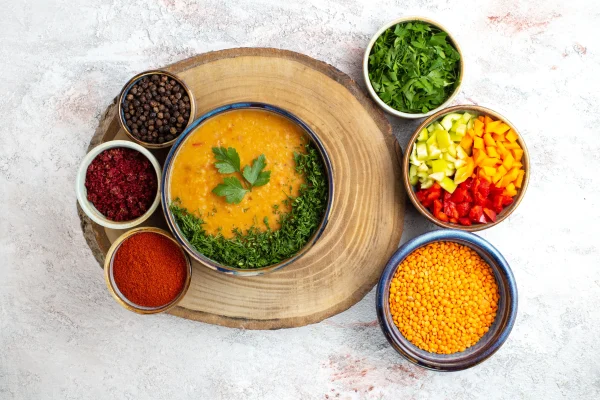
Kitchari is very easy to digest and provides a balanced nutrient profile. It allows the digestive system to rest while still providing the body with stable energy.
You should also replace coffee and soda with "CCF Tea." This drink uses equal parts cumin, coriander, and fennel seeds.
- Cumin: Contains cuminaldehyde, which prompts digestive enzymes and helps break down fats.
- Coriander: Cools the system and reduces occasional heartburn.
- Fennel: Relaxes the muscles in your gut to prevent cramping and gas.
Morning Rituals to Wake Up the Gut
Your detox begins the moment you wake up. Ayurveda for beginners emphasizes daily habits that prompt the body to release waste. Start with Ushapan, which involves drinking 16 to 20 ounces of warm water on an empty stomach. A report on PubMed suggests that consuming warm water can significantly shorten the time it takes for the body to expel gas, helping the digestive system clear itself by activating the "gastrocolic reflex."
Next, use a tongue scraper. Research shows that scraping the tongue removes more bacteria and "metabolic byproducts" than brushing alone. These byproducts cause bad breath and re-enter your system if you swallow them.
Follow this with Gandusha, or oil pulling. Swishing sesame oil in your mouth for 10 minutes can reduce gingivitis-causing bacteria by up to 85%. This practice pulls toxins out of the oral tissues before they can travel further down into your digestive tract.
Should I drink cold water in the morning?
No, Ayurveda recommends warm or room-temperature water. Cold water "extinguishes" your digestive fire and slows down the movement of waste through your bowels.
The Power of the Mono-Diet
During these seven days, you eat a mono-diet of Kitchari. When you eat the same simple food for every meal, your body stops worrying about producing a wide variety of enzymes. This conservation of energy allows your liver to focus on "Phases I and II" of detoxification.
Ironically, people often feel more energetic on a mono-diet than they do on a varied one. This happens because the body stops wasting power on complicated digestion. You should avoid all raw vegetables during this week. While "salad" sounds healthy, raw greens are heavy and cold. They can overwhelm a weak digestive fire and cause gas. Cooking your vegetables makes the nutrients "pre-digested" and ready for absorption.
Mindful Eating and the Mitahara Rule
How you eat matters as much as what you eat. The Mitahara Rule suggests you should fill your stomach halfway with solid food and one-quarter with liquid. You must leave the final quarter empty. This space allows air and gas to move freely so your stomach can "churn" the food properly.
You should also time your largest meal for the "Pitta Peak." This occurs between 10 AM and 2 PM when the sun sits highest in the sky. Your internal fire mimics the sun; it burns hottest at midday.
Chew every bite at least 20 to 30 times. Your saliva contains an enzyme called amylase that starts breaking down carbs before they even hit your stomach. If you gulp your food, you force your stomach to do the work your teeth should have done.
Is it okay to snack between meals?
Ayurveda generally discourages snacking. Eating before your previous meal has finished digesting creates Ama. You should wait 4 to 6 hours between meals to ensure the gut is clear.
Digital Detox and Mental Sludge
The gut and the mind share a deep connection. In Ayurveda, your mind "digests" sensory information just like your gut digests food. Constant scrolling, loud music, and stressful news create "mental Ama." This sensory overload puts your nervous system into a "fight or flight" state.
When you stay in a stressed state, your body pulls blood away from your gut and sends it to your muscles. This effectively shuts down digestion. To counter this, practice Bhramari (Bee Breath). Making a low humming sound as you exhale stimulates the Vagus nerve. This switches your body into the "rest and digest" state, allowing your gut to heal.
Returning to Normal Life
You cannot jump straight from a detox back to a cheeseburger. Ayurveda utilizes a specific dietary protocol known as Samsarjana Krama to reintroduce food. Information from ACS Publisher describes this as a specialized regimen used after cleansing treatments like Panchakarma—specifically Vamana and Virechana—to help rebuild digestive strength. Start with thin rice gruels, slowly move to thicker soups, and finally return to solid grains and varied proteins. This prevents "metabolic shock" and keeps your new fire burning.
The best time to perform this 7-day reset is during Ritu Sandhi. This is the 14-day window between two seasons. As the weather changes, your body’s internal balance naturally shifts, making it the perfect time to clear out the old and prepare for the new.
Reclaiming Your Natural Vitality
A gut detox flattens your stomach while also clearing the fog from your brain and restoring the energy you thought you had lost to age. Understanding the relationship between fire and waste allows you to take control of your long-term health.
Ayurveda teaches us that our health depends on what we successfully digest rather than simply what we eat. When you clear the sludge and protect your internal fire, your body naturally returns to a state of ease. This 7-day process provides a simple, time-tested path to feeling like yourself again. Using Ayurveda to maintain your gut health ensures that your internal system stays clean, productive, and powerful for years to come.
Recently Added
Categories
- Arts And Humanities
- Blog
- Business And Management
- Criminology
- Education
- Environment And Conservation
- Farming And Animal Care
- Geopolitics
- Lifestyle And Beauty
- Medicine And Science
- Mental Health
- Nutrition And Diet
- Religion And Spirituality
- Social Care And Health
- Sport And Fitness
- Technology
- Uncategorized
- Videos

