
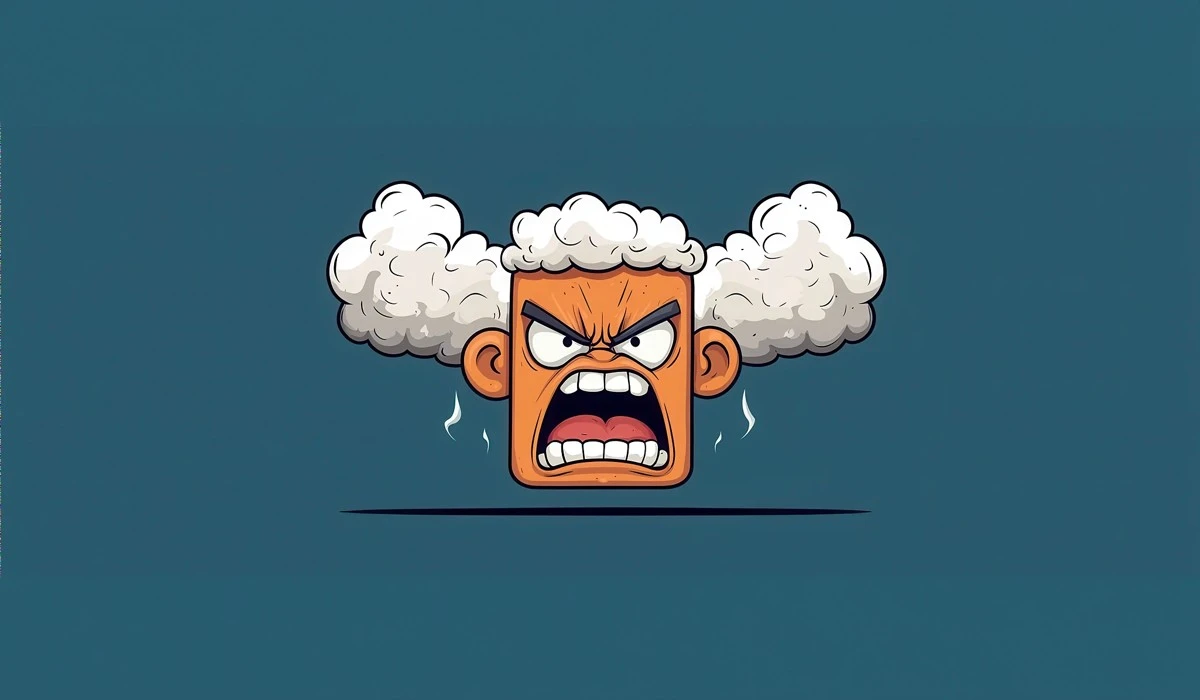
Rage Bait 3x Usage Spike Won Oxford Title
The digital economy now runs on a fuel source more potent than curiosity. While early internet platforms competed for your eyes, modern algorithms compete for your adrenaline. This shift marks the rise of rage bait, a tactic that turns human frustration into a measurable, tradeable commodity. The machinery behind your screen no longer cares if you enjoy the content. It only cares that you react.
According to a recent announcement from Oxford University Press, the institution solidified this trend by declaring "rage bait" the Oxford Word of the Year for 2025. This decision follows data from the publisher indicating a threefold increase in the term's usage over the last 12 months. The selection highlights a dark evolution in how we consume media. We moved from the "Brain rot" of 2024 directly into a cycle of provoked hostility.
This phenomenon relies on a specific internal mechanism. Oxford defines this concept as content creators deliberately crafting frustrating or offensive posts to hijack your emotions. The goal remains simple yet ruthless. Anger drives engagement. Engagement boosts visibility. Visibility generates revenue. As noted by Oxford’s analysis, your outrage acts as the raw material in a manufacturing process designed to exhaust you mentally while enriching the creator.
The Data Behind the Dictionary
Language patterns reveal the underlying machinery of our digital habits. The surge of a specific word often signals a fundamental change in collective behavior. Oxford University Press identified "rage bait" as the defining term of 2025 because it captures the current mood of the internet.
Statistics released by the publisher show that usage of the term grew by exactly 3x in the last year. This sharp incline suggests users are becoming increasingly aware of the manipulation tactics surrounding them. Casper Grathwohl, an executive at Oxford, notes that the existence of the word proves our growing consciousness of these traps. We see the bait, yet we still bite.
Other contenders for the title tell a similar story of digital dystopia. Runners-up included "Aura farming" and "Biohack." However, rage bait took the crown because it affects the widest demographic. It defines the water we swim in. Grathwohl explains that the internet previously focused on sparking curiosity for clicks. Now, the focus has shifted to hijacking emotions to influence responses. This transition creates a powerful cycle. Outrage sparks engagement. Algorithms amplify that engagement. Constant exposure leaves the user mentally exhausted.
From Curiosity to Emotional Hijacking
The internet’s operating system swapped the lure of mystery for the hook of hostility. This represents a distinct evolution in strategy. In the past, "clickbait" ruled the web. Clickbait relied on the "curiosity gap." Headlines withheld information to trick you into clicking. You clicked because you wanted to know the answer.
Rage bait operates on a different psychological level. Linguists at Oxford clarify that it does not want to satisfy your curiosity. It wants to provoke a reaction through emotional manipulation. The content aims to elicit anger immediately. A user scrolling past a headline might ignore a mystery. A user confronted with something fundamentally wrong or offensive feels a biological urge to correct it.
Many users struggle to distinguish between these two tactics. what is the difference between clickbait and rage bait Clickbait uses headlines to spark curiosity and lure clicks, while rage bait deliberately provokes anger to force comments and shares.
This shift changes the nature of the transaction. You pay for clickbait with a second of your time. You pay for rage bait with your peace of mind. The content keeps you in a state of high arousal. Your brain stays on high alert. The cycle ensures you remain glued to the platform, fighting battles that were manufactured in a content farm.
The Business of Being Hated
Profit margins rely on the monetization of universal frustration. Being the villain pays significantly better than being the hero. The financial incentives for rage bait create a direct pipeline from manufactured hate to a sizable bank account.
Winta Zesu, a prominent content creator, serves as a prime example of this model. Zesu earned $150,000 (£117,000) by posting content designed to generate hate. The strategy disregards reputation in favor of revenue. Every angry comment adds to the creator's bottom line. Every share, even those done in mockery/disgust, expands their reach.
Creators choose this path for pure financial gain. According to analysis by Forbes, ad revenue and creator funds pay based on performance metrics, with brand deals accounting for the vast majority of income. Hate-generating content performs exceptionally well. Technical breakdowns of platform payouts, such as those by Bluehost, confirm that creators accept the role of the antagonist because the platform rewards it. This creates a disconnect between social value and monetary value. Society condemns the behavior, but the economy incentivizes it. The wallet grows as the comments section burns.
How Algorithms Reward Conflict
Systems interpret hostility as a signal of high value. The code governing social media platforms lacks moral judgment. It measures success through interaction. To an algorithm, a heated argument looks identical to a passionate discussion.
Research published in Science Advances demonstrates that platforms treat negative comments and arguments as "high quality engagement." When a user stops scrolling to type a furious paragraph, the system registers intense interest. It assumes the content holds value because it stopped the user in their tracks. Consequently, the study found that social reinforcement pushes that content to more users. It seeks to replicate that high level of engagement elsewhere.
This creates a snowball effect. why do algorithms push negative content Algorithms view negative comments and arguments as high engagement, which signals them to show the post to more people to keep them on the app.
LinkedIn provides a specific example of this mechanical flaw. The platform uses AI-generated articles to bait professionals. These articles often contain obvious errors or bad advice. The system invites experts to contribute to "Top Voice" badges. Professionals feel compelled to correct the bad information. Their corrections count as engagement. The AI bait succeeds in extracting free labor and time from users who care about accuracy. The algorithm wins. The user loses time.

The Evolutionary Vulnerability
Modern code hacks ancient survival instincts designed to spot predators in the wild. Our brains possess evolutionary hardwiring that prioritizes negative information. A seminal paper by Baumeister et al. in the Review of General Psychology establishes that this tendency helped our ancestors survive. Noticing a threat saved lives. Noticing a flower did not.
Rage bait exploits this biological imperative. When we see something "wrong"—a violation of social norms, a dangerous idea, or a blatant lie—our brains flag it as a priority. Dr. William Brady, writing in PNAS, notes that we focus on negative content to assess the threat. The impulse to react overrides our logic.
Creators understand this biology better than the users do. They feed the brain exactly what it evolved to detect. We feel we are defending our values or our intelligence. In reality, as the research indicates, we are responding to a stimulus designed to trigger that exact defense mechanism. The survival instinct that once kept humans safe from predators now keeps them trapped in an endless scroll of digital irritation.
Tactics of Mass Provocation
Creators use specific narrative formulas to guarantee a loss of temper in the viewer. The industry of outrage has developed standard operating procedures. These tactics ensure that the content hits the right nerve every time.
One common format involves deliberately bad recipes. Creators film themselves making disgusting or nonsensical food. They waste ingredients. They violate culinary norms. Viewers watch in horror and rush to the comments to express their disgust. The creator knows the recipe fails. The failure is the product.
Another effective tactic is "The Victim Flip." A creator starts a conflict. When people respond with valid criticism, the creator acts as the victim. This secondary layer of manipulation generates a second wave of outrage.
Politics offers the largest stage for these tactics. During the US Elections, strategies focused on the mobilization of voters via outrage rather than policy. Shaping beliefs became secondary to igniting anger. The goal was to make voters furious at the opposition rather than excited about a candidate.
However, nuance exists. Dr. Simon Copland points out the difference between rage bait and justified anger. Rage bait creates manufactured provocation. Justified anger arises as a legitimate response to war or injustice. The danger lies in blurring the line. When everything induces rage, legitimate causes get lost in the noise of manufactured drama.
Beyond the Screen: Real World Consequences
Digital habits inevitably reshape physical reality and mental health. The cycle of outrage does not end when the phone locks. The constant exposure to conflict leaves a lasting mark on the user's psyche.
Casper Grathwohl notes that the cycle leads to mental exhaustion. The brain cannot sustain high levels of anger indefinitely without consequence. Users feel drained. The stress hormones released during an online argument affect the body just like real-world stress.
Children and teens face the highest risk. Advisories from the U.S. Surgeon General highlight that this demographic possesses higher impulsivity and struggles with regulating online behavior. Peer pressure intensifies the need to react. They lack the life experience to recognize the manipulation. They take the bait more often and feel the effects more deeply. The digital playground becomes a minefield of emotional triggers.
Breaking the Cycle
Disengagement requires manually overriding the automatic loops of the brain. Stopping the cycle of rage bait demands active effort. We must retrain our responses to digital stimuli.
Psychologists recommend the STOP technique. This method inserts a pause between the trigger and the reaction. You Stop. You Take a breath. You Observe your own physical and emotional state. Only then do you Proceed. This brief pause allows the rational brain to catch up with the emotional brain. It breaks the momentum of the anger.
Consumption habits also play a role. Shifting to long-form media helps. Watching movies or reading novels breaks the short-loop dopamine addiction of scrolling. These formats require sustained attention rather than reactive bursts.
For those deep in the trenches, strategies like "Grey Rocking" work. This involves giving boring, non-emotional responses to provocation. Alternatively, "Strategic Silence"—giving no response at all—starves the algorithm of the data it craves.
Many users feel trapped by their own habits. how to stop rage bait addiction You can break the cycle by using the STOP technique to pause before reacting and switching to long-form media like movies to retrain your attention span.
The End of the Outrage Loop
The machinery of the internet feeds on reaction. Rage bait turns your biological survival instincts into a revenue stream for creators and platforms. The Oxford Word of the Year announcement serves as a warning. We built a system that rewards the worst parts of human interaction.
Recognition offers the first step toward resistance. Understanding that your anger acts as currency allows you to withhold payment. The algorithm cannot force you to comment. The creator cannot force you to share. Silence remains the only weapon the system cannot monetize. When you refuse to take the bait, the machine starves. The cycle breaks only when you decide to stop feeding it.
Recently Added
Categories
- Arts And Humanities
- Blog
- Business And Management
- Criminology
- Education
- Environment And Conservation
- Farming And Animal Care
- Geopolitics
- Lifestyle And Beauty
- Medicine And Science
- Mental Health
- Nutrition And Diet
- Religion And Spirituality
- Social Care And Health
- Sport And Fitness
- Technology
- Uncategorized
- Videos

