

Neuro Habits to Stop Your Chronic Stalling
You sit at your desk with a long to-do list. You feel a heavy weight in your chest. Your mind suggests checking your email or cleaning your kitchen. You know you should start the big project, but your body refuses to move. This feeling creates a deep sense of failure. You might assume you need more discipline; however, two physical regions in your head are fighting for control. Your evolved "planner" wants the reward of a finished goal. Your ancient "autopilot" wants to keep things exactly as they are. This standoff causes the freeze you call procrastination. Installing Neuro Habits allows you to win this fight. These routines change the physical wiring of your brain. They turn difficult actions into automatic responses.
The Biological Conflict: Why Your Brain Chooses Stalling
Your brain views every new task as an energy drain. It prioritizes survival over your career goals. This creates a biological wall between you and your work. Your Prefrontal Cortex (PFC) handles logical thinking and planning. It acts like a company CEO. Meanwhile, the Basal Ganglia stores your brain-based habits. This area works like a factory floor.
The factory floor hates new instructions. It prefers the routines it already knows. When you try to start something new, the CEO and the factory manager clash. The factory manager usually wins because it uses less energy. Research published by the National Center for Biotechnology Information highlights that Ann Graybiel at MIT found certain neurons in the striatum activate only at the beginning and end of a task. The study explains that this creates a "bracket" which groups many small actions into one block, noting that this beginning-and-end pattern eventually becomes nearly fixed within the sensorimotor striatum. To stop stalling, you must teach your factory floor new brackets through repetition.
According to a study featured in PubMed Central, the brain accounts for 20% of the body’s total energy consumption, despite only representing 2% of total body weight. It looks for ways to cut corners. It stores familiar routines in the primitive regions to save glucose. A new task requires the high-energy PFC to stay active. Stalling happens when your brain tries to force you back into a low-energy, familiar routine like scrolling on a phone. You must replace these old loops with productive Neuro Habits.
How Neuro Habits Rewire Your Neural Pathways
As noted in research from the National Library of Medicine, neuroplasticity is an adaptive process that allows your brain to physically change its shape through structural and functional adjustments. The same source states that when you repeat an action, you change the strength of the connections between neurons through synaptic plasticity. This concept was popularized by Donald Hebb in 1949 with Hebb’s Law, which explains that neurons firing together create a lasting bond. This bond forms the physical structure of a habit.
Myelin and the Path of Least Resistance
Every time you repeat a behavior, you start a process called myelination. Glial cells wrap a fatty substance called myelin around your neural axons. This acts like insulation on a wire. It increases the speed of the electrical signal by up to 100 times. This high-speed travel makes a habit feel effortless.
Many people wonder, how long does it take to form a new habit? While the common myth says 21 days, findings from University College London suggest it takes an average of 66 days for a new behavior to become an automatic neural pathway. The study, conducted by Phillippa Lally in 2009, notes that the time required can vary based on the complicated nature of the task. Persistence builds the myelin needed for speed.
Synaptic Pruning of Negative Routines
Research available through Europe PMC describes how the brain performs "maintenance" by removing weak or excess synapses to ensure proper function, a process called synaptic pruning. When you stop responding to the urge to stall, those specific neural pathways lose their strength. The brain eventually "deletes" the connection to save space.
You can consciously direct this pruning. Ignoring the impulse to check social media starves that pathway of activity. Over time, the physical urge to distract yourself fades. You replace the old junk with high-performance brain-based habits. This creates a cleaner, faster mental operating system.
The Dopamine Loop: Decoding the Link Between Dopamine and Habits
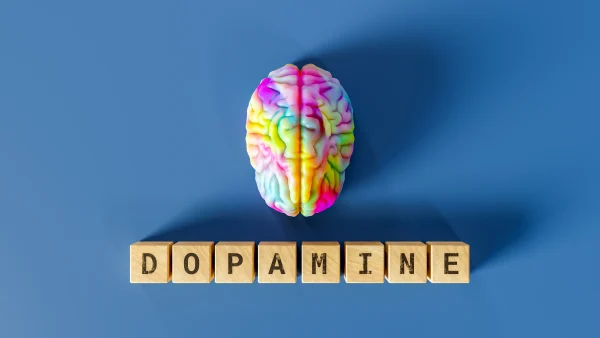
While many associate dopamine with pleasure, it actually drives your motivation to seek a reward. This molecule tells your brain what is worth doing again. It acts as a teaching signal for your nervous system. Learning about the relationship between dopamine and habits helps you control your focus.
The Reward Prediction Error
As detailed in research published in PubMed, Wolfram Schultz found the "Reward Prediction Error" in 1997. The study explains that dopamine neurons activate when you get a reward better than predicted. This spike tells the brain to remember the actions leading up to that moment.
This error-tracking system heavily influences dopamine and habits. When you complete a difficult task and feel a sense of pride, the dopamine surge "tags" that work behavior as a high-value routine. Conversely, if a routine becomes boring, dopamine levels drop. You must keep your goals challenging enough to start these positive spikes.
Avoiding the "Cheap Dopamine" Trap
Modern technology offers "cheap dopamine" through likes and notifications. These provide immediate hits with zero effort. This tricks your brain into thinking it achieved something significant. Consequently, your brain loses interest in long-term goals that require effort before the reward.
Chronic stalling often stems from an addiction to these small bursts. You choose the phone because the "cost" of starting a hard task feels too high compared to the instant reward of a screen. You must reset your baseline by limiting these easy hits. This allows your brain to appreciate the larger rewards of deep work again.
Practical Frameworks for Building Brain-Based Habits
You cannot rely on luck to change your brain. You need a specific methodology. Researchers like BJ Fogg and Peter Gollwitzer provide frameworks that align with how neurons actually function. These methods reduce the mental friction of starting.
Micro-Stepping and the Two-Minute Rule
Your amygdala views a massive project as a threat. This sets off a "freeze" response that leads to stalling. To bypass this, you must shrink the task. Making a task take less than two minutes prevents the brain's alarm system from firing. This keeps the PFC in control.
Is it possible to rewire your brain just through small tasks? Yes, because small wins generate incremental dopamine releases that reinforce the "start" signal, making future initiations easier. These "micro-wins" build momentum. They prove to your brain that the task is safe and rewarding. Eventually, the two-minute start leads to an hour of flow.
Implementation Intentions
Most people fail because their goals are too vague. "I will work harder" does not provide the brain with a clear instruction. Peter Gollwitzer suggests using "If-Then" plans. This formula links an environmental cue to a specific action. For example: "If I sit down with my coffee, then I will write the first paragraph."
This method automates the decision-making process. It removes the need for conscious thought at the moment of action. The environmental "If" activates the neural "Then" automatically. According to a paper shared by the National Cancer Institute, studies show this "if-then" technique significantly increases the success rate of new Neuro Habits by improving the likelihood of starting an action. It turns your environment into a series of triggers for success.
Why Neuro Habits Beat Willpower Every Time
Willpower is a finite resource. It relies on the Prefrontal Cortex, which tires easily. When you are stressed or hungry, your willpower disappears. This is why you often stall at the end of a long day. Your brain simply lacks the glucose to fuel conscious effort.
Neuro Habits operate in the Basal Ganglia, which requires very little energy. Once a routine becomes myelinated, it runs like a background program on a computer. It does not matter if you are tired or stressed; the habit fires anyway. Automating your "start" sequence allows you to save your precious willpower for creative problem-solving rather than basic discipline.
Environment Design: Reducing Friction for Neural Efficiency
Your surroundings dictate your behavior more than your personality does. Every object in your room is a visual cue that induces a neural response. If your phone is on your desk, your brain prepares for a dopamine hit. If your gym shoes are by the door, your brain prepares for a workout.
A common question is, what is the best way to stop procrastinating? The most effective method is to reduce the "activation energy" of a task; prepping your environment the night before removes the friction that causes the brain to stall. You want to make the "good" habit the path of least resistance. Hide your distractions in another room and place your work tools in plain sight.
Richard Thaler calls this "choice architecture." You design your space to "nudge" your brain toward the right choice. If you want to drink more water, put a glass on your nightstand. If you want to stop stalling on a report, leave the document open on your screen before you go to bed. These small changes reduce the neural load required to begin.
Sustainable Growth: Tracking and Refining Your Neuro Habits
Long-term success requires maintenance. You must monitor your progress without becoming discouraged by small setbacks. The goal is consistent improvement over time. Even a 1% daily gain leads to massive changes over a year due to the compounding effect of neural strengthening.
Using Existing Neural Architecture
You do not need to build every habit from scratch. You can "stack" a new routine onto an old one. This uses "anchoring" to capitalize on high-speed neural pathways already in place. If you already brush your teeth every morning, that is an anchor.
When you say, "After I brush my teeth, I will meditate for one minute," you hitch the new behavior to a powerful engine. The brain already knows how to brush teeth without thinking. The new Neuro Habit piggybacks on that existing electrical signal. This makes the new behavior much easier to remember and execute.
The Role of Self-Compassion in Neural Recovery
When you fail to start a task, your first instinct is to get angry. However, self-criticism activates the amygdala and creates more stress. This stress inhibits the Prefrontal Cortex, making it even harder to work. You essentially lock yourself in a cycle of stalling and guilt.
Instead, practice self-compassion. Acknowledging a mistake calmly keeps the PFC online. This allows you to analyze why you stalled and adjust your environment. A calm brain is a flexible brain. You recover faster from setbacks when you treat your brain like a biological system that needs adjustment, not a moral failure that needs punishment.
Final Breakthrough: Reclaiming Your Time
Stalling does not define your identity; instead, it represents a specific pattern of neural activity that you can change. Using Neuro Habits helps you shift the burden of work from your tired conscious mind to your productive autopilot. You stop fighting your biology and start working with it.
You now understand how myelination speeds up your actions. You know how to manage the relationship between dopamine and habits. You possess the tools to shrink tasks and design your environment for success. Every small action you take today builds the physical insulation you need for tomorrow.
Pick one tiny task that takes less than two minutes. Do it right now to initiate a small dopamine spike. This single moment of action begins the process of rewiring your brain. Consistency will turn that tiny spark into an unstoppable momentum. You have the power to control your Neuro Habits and take back your life.
Recently Added
Categories
- Arts And Humanities
- Blog
- Business And Management
- Criminology
- Education
- Environment And Conservation
- Farming And Animal Care
- Geopolitics
- Lifestyle And Beauty
- Medicine And Science
- Mental Health
- Nutrition And Diet
- Religion And Spirituality
- Social Care And Health
- Sport And Fitness
- Technology
- Uncategorized
- Videos

