
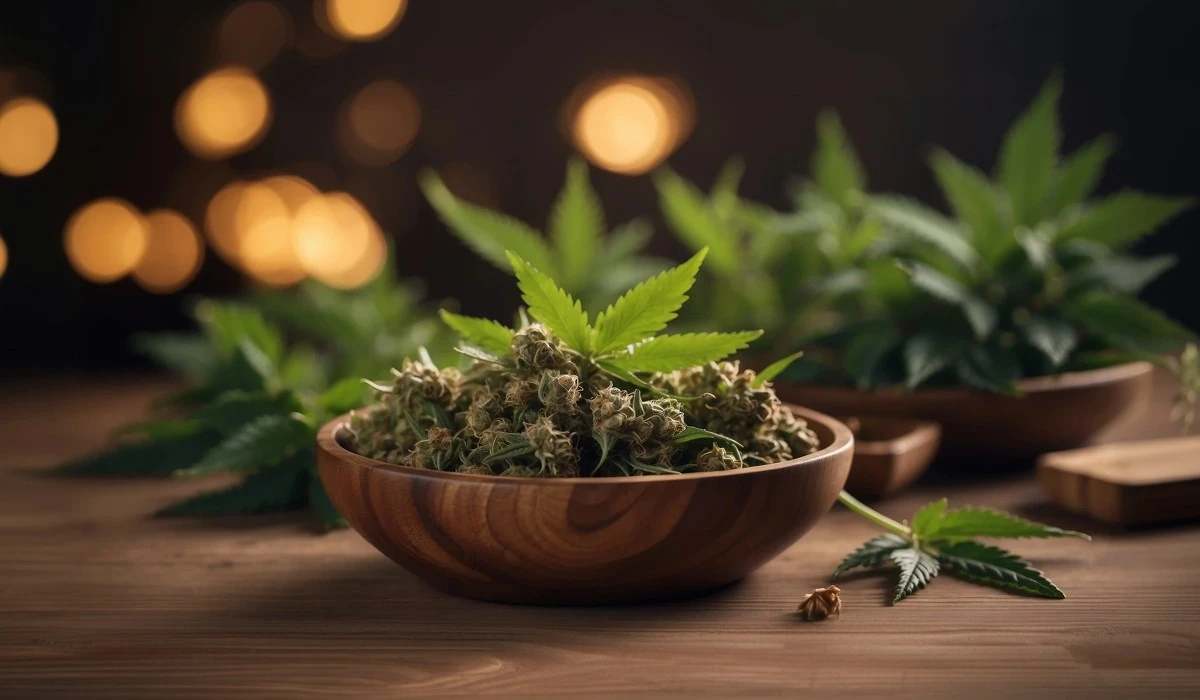
Medical Cannabis for Mental Health: What Data Shows
Governments globally approve a psychiatric treatment that completely fails its own clinical trials. Doctors write modern prescriptions based on aggressive corporate marketing rather than hard scientific proof. This massive gap between public perception and laboratory reality currently drives a major review by the Advisory Council on the Misuse of Drugs in the UK.
The public conversation around medical cannabis for mental health relies almost entirely on anecdotal success stories. Meanwhile, the actual clinical data presents a severely conflicting reality. According to coverage by The Guardian, a comprehensive cannabinoid analysis recently published in The Lancet Psychiatry completely dismantles decades of optimistic assumptions, confirming that the drug fails as an effective treatment for common mental health conditions despite a global surge in usage.
Desperate patients frequently abandon proven therapeutic regimens for expensive, unverified dispensary products. The modern rush to prescribe completely outpaces the actual science. This medical gold rush leaves highly vulnerable populations heavily exposed to severe, undocumented psychiatric risks.
The Lancet Psychiatry Reality Check
Clinical scientists test sterile oral capsules while actual patients inhale heavily concentrated smoke.
Researchers evaluated 54 randomized controlled trials spanning from 1980 to the present year of 2025. They examined a surprisingly small total participant pool of 2,477 individuals to determine true clinical efficacy. Distributing 2,477 patients across 54 studies over 45 years reveals shockingly small sample sizes for individual trials. The results reveal a devastating lack of therapeutic validation across four decades of dedicated research.
As detailed directly in The Lancet Psychiatry, researchers flagged 24 of these trials—roughly 44 percent—for carrying a high risk of clinical bias. The publication notes that the overall certainty of evidence remains strikingly low across the entire comprehensive review. These findings severely challenge the booming global industry surrounding these popular treatments. The medical community assumes a baseline of rigorous scientific vetting before widespread distribution occurs. The recent review proves this assumed baseline entirely false. Medical professionals now face intense scrutiny regarding their past prescribing habits.
Why Medical Cannabis for Mental Health Fails the Science
Corporate dispensaries market major psychological healing despite an absolute absence of laboratory backing.
The comprehensive study shows zero evidence that cannabinoids alleviate depression. Researchers also note entirely insufficient proof regarding the treatment of anxiety, anorexia, post-traumatic stress disorder, or psychosis. Does medical cannabis cure depression? Current clinical data shows absolute zero evidence that cannabinoids effectively treat or cure major depressive disorders. The routine integration of cannabinoids into modern psychiatric care remains completely unjustified due to this severe deficit of proof.
Patients heavily rely on these botanical products to manage severe trauma and persistent nervousness. They spend thousands of dollars annually seeking relief from debilitating mental states. Yet, the medical upside stays severely restricted alongside frequent negative reactions. Medical cannabis for mental health fails to meet the basic evidentiary standards required for virtually every other psychiatric medication on the market today. Doctors essentially prescribe a placebo carrying severe side effects.
The Danger of Modern THC Potency
Selective agricultural breeding transforms a naturally mild plant into a highly concentrated chemical hazard.
In the 1970s, THC potency hovered around a modest four percent. Modern averages now sit aggressively between 18 and 20 percent. Dispensaries routinely push maximum limits up to 35 percent for standard botanical products. Furthermore, peer-reviewed summaries published by the National Center for Biotechnology Information note that modern chemical concentrates skyrocket to an unprecedented 80 percent THC. This dramatic evolution radically alters how the human brain processes the chemical compound.
Dr. Deepak Cyril D’Souza highlights the massive addiction risk stemming directly from these modern, high-potency formulations. A plant containing four percent THC interacts gently with human neuroreceptors. A concentrate containing 80 percent THC violently overwhelms those same neuroreceptors. The medical establishment frequently ignores this extreme potency shift when discussing historic safety profiles. Modern dispensary products bear absolutely zero chemical resemblance to the plants studied during the late twentieth century. Patients consume entirely untested chemical profiles.
The Widespread North American Addiction Crisis
A medication prescribed to heal mental instability actively generates severe chemical dependency.
North American statistics show 27 percent of the 16-to-65 demographic actively consume medical marijuana. Roughly half of these specific users explicitly seek psychiatric symptom management. Unfortunately, frequent consumption carries incredibly steep personal consequences. Can you get addicted to medical weed? Yes, data from the Centers for Disease Control and Prevention, supported by the National Institute on Drug Abuse, shows that approximately three in ten regular users develop cannabis use disorder over time. Extremely high THC levels heavily drive this widespread chemical dependency.
The Reality of Cannabis Use Disorder
This addiction rate represents a massive public health failure on a global scale. Doctors intentionally prescribe a heavily intoxicating substance to highly vulnerable psychiatric patients. Three out of every ten of those patients subsequently develop a severe substance abuse disorder. The treatment actively creates a new, incredibly difficult disease to manage. Medical cannabis for mental health routinely trades one psychological crisis for another. The health system utterly fails to protect these individuals from corporate exploitation.
The Severe Psychiatric Fallout and Psychosis Risks
Regular consumption severely amplifies the exact psychological disorders patients desperately intend to treat.
Daily consumers of high-potency variants face a psychosis risk between two and eleven times higher than non-users. Youth consumption directly interferes with essential early brain development. Bipolar patients frequently experience worsened mania after using these concentrated botanical products. The danger extends directly to other severe substance addictions as well. Individuals battling cocaine use disorder experience heavily worsened cravings when using marijuana as a substitute therapy.
Neurological Damage and Substitute Addictions
Dr. D’Souza points out the stark contradiction between widespread governmental approval and the utter lack of psychiatric validity. Minimal consumption still carries the potential for permanent, devastating neurological outcomes. Public perception falsely frames the plant as a completely safe alternative medicine. The actual clinical outcomes reveal a remarkably high likelihood of catastrophic mental health deterioration for highly vulnerable users. Governments legally protect a substance actively destroying human cognitive function.
The Private Clinic Boom in the UK
A highly restrictive public health system inadvertently fuels a massive, entirely unregulated private market.
The UK government legalized medical marijuana in 2018. This initial regulatory shift finally triggered the current rigorous review by the Advisory Council on the Misuse of Drugs. According to historical policy reports, the National Health Service issued fewer than 100 prescriptions in the first year following legalization. In sharp contrast, recent Freedom of Information data reported by Patient.info reveals a massive private sector boom, with private prescriptions more than doubling year-over-year from around 283,000 in 2023 to 659,000 in 2024.
The Stark Contrast in Prescription Rates
This massive explosion occurs entirely disconnected from rigorous clinical science. Private doctors readily prescribe cannabinoids for severe psychiatric conditions despite the aforementioned lack of clinical proof. The NHS demands extremely high standards of evidence before approving expensive new medical treatments. The private sector operates on a fundamentally different, significantly lower evidentiary standard. Financial incentives directly drive this massive surge in private medical prescriptions.
The Corporate Illusion of Medical Healing
High-status private dispensaries adopt a clinical aesthetic to mask aggressive, profit-driven substance distribution.
Sir Robin Murray states frankly that the global public buys into an illusion created by aggressive corporate marketing. He equates high-status private dispensaries to little more than glorified drug peddlers. Mental health clinics essentially sell pure hope without the scientific data to back up their lofty claims. The industry utilizes clean branding, lab coats, and medical terminology to legitimize their entirely unproven products.
This calculated corporate strategy works incredibly well on desperate populations. Patients naturally assume that a legally operating medical cannabis clinic only sells proven, safe, and effective medicines. The reality reveals a heavily profit-driven industry exploiting a massive regulatory loophole in modern medicine. The entire business model depends completely on maintaining the illusion of strict scientific legitimacy. When researchers scrutinize the actual data, the entire corporate narrative collapses completely into dust.
The Few Areas of Low-Quality Evidence
Researchers occasionally uncover minor medical benefits buried beneath mountains of biased clinical methodology.
The Lancet Psychiatry review completely dismisses major claims regarding serious mood disorders. However, researchers did find low-quality evidence pointing to potential mild benefits in highly specific areas. Some trials indicate minor symptom relief for insomnia, Tourette syndrome, autism, and severe cannabis dependence. Emerging, low-certainty proof also suggests isolated CBD extracts offer a minor reduction in basic anxiety symptoms.
Isolating the Physical from the Psychological
These extremely minor findings represent the absolute limit of scientifically verifiable benefits. Claims regarding medical cannabis for mental health hold up best when applied strictly to physical ailments. Researchers isolate proven utility to severe epilepsy, multiple sclerosis spasticity, and chronic pain management. Applying these highly limited physical findings to severe psychiatric conditions seriously misleads desperate patients. The proven clinical utility remains strictly isolated to very narrow, physical criteria.
The Real-World Defense of Medical Cannabis for Mental Health
Subjective patient registries show consistent symptom relief completely absent from rigorous randomized controlled trials.
Representatives from the modern medical cannabis industry push back aggressively against the recent academic findings. Mike Morgan-Giles points directly to the T21 database as definitive proof of consistent, real-world symptom reduction. He argues that actual patients report significant daily relief from severe trauma and persistent nervousness. Is medical marijuana good for PTSD? Clinical trials show insufficient proof for PTSD treatment, though self-reported patient databases frequently claim consistent positive outcomes. Industry advocates deem the Lancet publication completely irrelevant to practical UK prescription methodology.
This sharp divide highlights a deep structural fracture in modern western medicine. Clinical studies demand rigorous, placebo-controlled environments to definitively prove true efficacy. Real-world users rely heavily on subjective, immediate symptom relief to justify their ongoing consumption. The lucrative industry leans entirely on these subjective outcomes to justify their incredibly widespread prescription practices. They aggressively demand medical validation for their real-world results despite the repeated academic failure.
The Massive Methodological Gap
Researchers design perfect laboratory conditions that completely fail to replicate actual daily human consumption.
The 54 analyzed randomized controlled trials overwhelmingly utilize oral capsules and carefully measured sublingual oils. Real-world users overwhelmingly prefer inhaling heavily concentrated smoke. This massive methodological gap renders many positive clinical findings highly questionable. Dr. Jack Wilson emphasizes this total absence of proof for smoked variants. The scientific community possesses virtually zero reliable data on how inhaling 35 percent THC impacts a fragile psychiatric condition.
The Dangers of Extrapolated Safety Data
Medical cannabis for mental health operates in a massive scientific gray area. Clinics prescribe raw botanical matter based entirely on safety data derived from synthesized pills. Patients naturally assume the medical community fully understands the long-term impacts of their daily smoking habits. In reality, the medical community heavily suspects these specific habits create permanent, long-term psychological damage. The laboratory data simply does not support the current global trajectory of cannabinoid medicine.
The Critical Need for Honest Patient Data
Widespread cultural enthusiasm actively suppresses necessary academic skepticism regarding dangerous new therapeutic trends.
Prof Owen Bowden-Jones emphasizes the definite proof of massive exaggeration regarding medicinal upsides. He strongly stresses the critical need for honest patient data prior to initial therapy selection. Right now, patients make highly permanent medical decisions based entirely on flawed, biased, or incomplete information. The booming private market largely ignores these academic warnings entirely in favor of rapid financial expansion.
Dr. Wilson notes that seeking mental health support through private dispensaries actively harms patients through severe medical delay. Vulnerable individuals delay proven therapies like SSRIs and cognitive behavioral therapy in favor of these unverified botanical alternatives. Every single month spent experimenting with unproven cannabinoids is a month permanently lost to actual, scientifically validated psychiatric treatment. The private industry essentially gambles with the mental stability of an incredibly fragile human demographic.
The Final Verdict on Prescribed Cannabinoids
The medical community legally endorses a treatment protocol completely devoid of supporting scientific data.
The comprehensive analysis published in The Lancet Psychiatry forces a necessary reckoning within the global medical community. Patients desperately need honest data regarding medical cannabis for mental health. For decades, aggressive corporate marketing effectively masked a devastating lack of scientific proof. Vulnerable individuals battling severe depression, anxiety, and trauma face massive psychiatric risks when substituting proven therapies for high-potency THC products.
The current UK government review arrives at a highly critical regulatory juncture. The booming private clinic sector massively outpaces the slow, cautious approach of the National Health Service. Until researchers conduct rigorous trials on actual smoked variants, routine psychiatric prescription remains completely unjustified. The clinical data demands an immediate halt to the unchecked global expansion of these wildly unverified botanical treatments. Science must reclaim authority over this highly contested medical space.
Recently Added
Categories
- Arts And Humanities
- Blog
- Business And Management
- Criminology
- Education
- Environment And Conservation
- Farming And Animal Care
- Geopolitics
- Lifestyle And Beauty
- Medicine And Science
- Mental Health
- Nutrition And Diet
- Religion And Spirituality
- Social Care And Health
- Sport And Fitness
- Technology
- Uncategorized
- Videos

