
Lowering Cortisol With Environmental Psychology
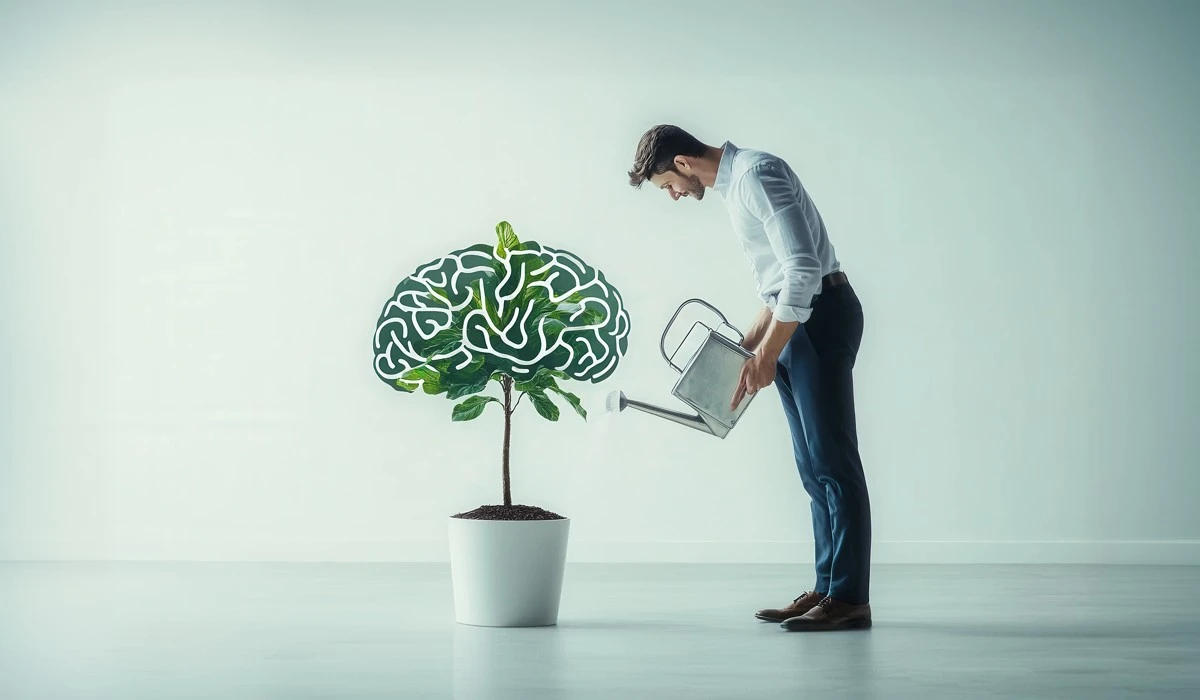
You walk into your office, and your heart rate climbs before you even open your laptop. While you might blame a heavy workload or a morning commute for your rising heart rate, the physical environment, such as low ceilings, harsh white light, and desk clutter, often causes the physiological damage. Your body reacts to physical space before you think a single thought. Your room actively shapes your mood and tells your adrenal glands to pump cortisol into your blood. Environmental Psychology explains why our surroundings dictate our hormone levels. Adjusting where you sit and what you look at allows you to physically lower your stress.
The Biological Link Between Environmental Psychology and Stress
According to a report published in PMC, the brain stays in a state of constant surveillance to detect physical or social threats in the environment. This habit comes from our ancestors, who needed to spot predators in the wild. Even in a modern office, your brain uses the same ancient software to judge your safety. Kurt Lewin, a pioneer in the field, proved that our behavior depends entirely on the person and their environment. When your space feels threatening or messy, your body stays in a state of high alert.
Understanding the Cortisol Spike in Chaos
Research from the Royal Australian College of General Practitioners indicates that visual density acts like a constant alarm, as messy environments can disrupt sleep, increase anxiety, and hinder the ability to concentrate. This overstimulates the amygdala, the part of the brain that manages fear and survival. The Institute for Family Studies reports that women tend to find a disorganized home more stressful than men do, which often results in unhealthy daily patterns of cortisol. Furthermore, Nuvance Health explains that the brain releases this hormone whenever a person feels under pressure, such as when eyes jump from object to object in a messy room. As noted in an ABC News report on UCLA research, living in a cluttered space is associated with stress hormone profiles that indicate chronic stress.
The Evolution of Safe Spaces
Humans feel most relaxed when they have "prospect and refuge." This theory suggests we prefer spaces where we can see the whole room but keep our backs protected. Sitting with your back to an open door or a busy hallway keeps your nervous system on edge. You subconsciously worry about someone sneaking up on you. To fix this, place your chair against a solid wall and face the entrance. This simple shift signals to your brain that the "refuge" is secure, which naturally drops your heart rate.
Decoding Environmental Stress and Cognition for Peak Performance
A poorly optimized room drains your mental energy before you start your first task. Your brain requires a massive amount of glucose and oxygen to function. When you deal with environmental stress and cognition issues, you waste that energy. Your brain burns fuel just to "ignore" the hum of a refrigerator or the glare on your screen. This leaves you with less power for memory, logic, and creative problem-solving.
Many people wonder, how does your environment affect your stress levels? Physical surroundings cause the sympathetic nervous system to activate, leading to physical symptoms like shallow breathing and elevated heart rates. Over time, this constant strain leads to mental burnout. Ironically, most people try to work harder to overcome this fatigue. Actually, clearing your physical space provides more "brain fuel" than a third cup of coffee.
Lighting Hacks to Reset Your Circadian Rhythm
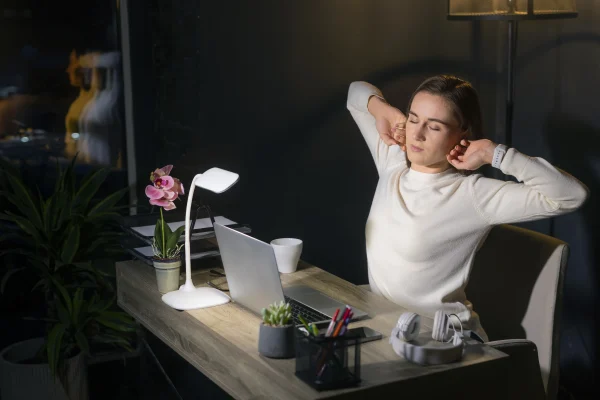
Light acts as the primary remote control for your hormones. Specific wavelengths tell your brain exactly when to produce cortisol and when to release melatonin. If you get the timing wrong, you feel tired all day and wired all night. Most people spend 90% of their time under static, artificial lights that confuse their internal clocks.
The Power of Natural Light in the Morning
According to Banner Health, exposure to natural morning light helps the brain suppress melatonin while raising cortisol levels to increase alertness. Sunlight provides between 400 and 10,000 lux, which is far stronger than any indoor bulb. A study in the Journal of Clinical Endocrinology & Metabolism discovered that the shift from dim light to bright morning light causes an immediate rise in cortisol of over 50%. While that sounds negative, it is actually vital. A strong morning cortisol spike helps you wake up fully and sets a timer for melatonin release 14 hours later. Stand by a window for fifteen minutes every morning to sync your system.
Eliminating the Flicker Effect
Old fluorescent bulbs and cheap LEDs often have an unseen flicker. While you cannot see it, your optic nerve detects it. This flicker happens at a rate below 100Hz and causes "sub-threshold" stress. It forces your brain to work harder to stabilize the image you see. This constant struggle leads to more headaches and higher stress levels by the end of the day. Switch to high-quality LED bulbs with a "flicker-free" rating to give your eyes a rest.
Biophilic Design as an Antidote to Digital Burnout
Nature provides a biological reset button that we often ignore. Environmental Psychology identifies nature as the most effective tool for lowering physiological arousal. You do not need to live in a forest to see the benefits. Even small natural elements in an apartment or office can shift your brain waves from a stressed state to a relaxed one.
The Fractal Advantage
Nature builds itself using patterns called fractals. You see these in the veins of a leaf, the branches of a tree, or the scales of a pinecone. Humans have a built-in preference for fractals with a specific "D-value" between 1.3 and 1.5. When you look at these patterns, your brain produces alpha waves. These waves represent a state of relaxed wakefulness. Adding a wood-grain desk or a piece of art featuring natural scenery reduces your stress markers by up to 60%.
Oxygenation and Visual Softness
Beyond cleaning the air, indoor plants provide "soft fascination." This allows your brain’s inhibitory system to recover from the "hard fascination" of staring at a computer screen. Roger Ulrich's famous 1984 study showed that patients with a view of trees recovered faster and used fewer painkillers. Placing a few plants in your field of vision creates a similar healing effect in your daily life.
You might ask, what are the benefits of environmental psychology in the workplace? Implementing these principles leads to a documented 15% increase in productivity and a significant reduction in employee absenteeism due to lower stress. Companies that add greenery and natural light see fewer burned-out employees.
Auditory Architecture for Better Mental Focus
Sound plays a massive role in environmental stress and cognition. Unpredictable noises act as a physical "jolt" to the nervous system. Your brain cannot help but pay attention to a door slamming or a phone ringing. These sounds cause a vigilance response that keeps your cortisol high throughout the workday.
Sound Masking vs. Silence
Total silence often backfires. In a perfectly quiet room, even a small sound like a pen dropping sounds like an explosion. This makes you jumpy. Research in the journal Noise & Health indicates that colored noise, such as pink, white, or brown, can boost work performance, with pink noise showing the most significant benefits. A blog from Flinders University further suggests that background white or pink noise leads to consistent improvements in task execution and cognitive performance for various groups. This creates a steady "sound blanket" that allows your brain to stay in a deep concentration state.
The Stress of Intermittent Noise
Sustained noise above 65 decibels increases your risk of heart disease. The worst type of noise is "intermittent" noise. This includes a coworker talking on the phone or a nearby construction site. Your brain constantly tries to predict when the next sound will happen. This uses up mental bandwidth and raises your stress hormones. Use noise-canceling headphones or a heavy rug to dampen these sounds and protect your mental energy.
Using Environmental Psychology to Pick Your Palette
Color serves as a biological stimulus rather than a mere decorative choice. Most people pick colors based on what looks "nice," but they ignore how those colors change their heart rate. The intensity of a color matters more than the color itself. This is the difference between a soft sky blue and a neon electric blue.
The Saturation Secret
Highly saturated colors, like bright reds and hot pinks, increase your heart rate. It does not matter if you like the color; your body will react with higher arousal. These colors belong in a gym, not a bedroom or an office. For areas where you need to lower your cortisol, choose colors with low saturation. These "muted" colors look slightly grey or dusty. They provide a visual "rest" for your eyes and keep your pulse steady.
Using Earth Tones for Grounding
Earth tones like sage green, terracotta, and sand brown help the brain enter a recovery state. These colors remind us of safe, fertile environments. When you surround yourself with these low-arousal colors, you signal to your nervous system that the "hunt" is over. This allows your body to stop producing stress hormones and start the repair process.
Spatial Zoning to Guard Your Mental Bandwidth
Your physical layout determines how you move and feel. If you do everything in one spot—eating, working, and sleeping—your brain gets confused. It doesn't know whether to be alert or relaxed. This confusion causes "cognitive friction," which raises stress.
The "Deep Work" Fortress
Create a specific zone for high-focus tasks. This zone should have one purpose only. When you sit in this specific chair or at this specific desk, your brain learns that it is time to work. This reduces the "switching cost" of trying to focus. Physically separating your work from your relaxation allows your cortisol levels to drop the moment you leave that zone.
Boundary Setting in Shared Spaces
Humans have a "personal space" bubble that extends about 1.5 to 4 feet around them. When someone enters this bubble, your brain initiates a minor fight-or-flight response. In open offices or shared homes, this happens constantly. Use physical boundaries like rugs, bookshelves, or tall plants to create "psychological walls." These barriers stop the vigilance response and allow you to feel private even in a crowded room.
A common question is, can changing your environment improve your mental health? Yes, reducing the chronic load on your nervous system through a well-designed space allows your brain to shift from "survival mode" to a state of growth and recovery. Small changes to your furniture or lighting can lead to massive improvements in your daily mood.
Managing Your Space with Environmental Psychology
We cannot always control our bosses, our bills, or the news. However, we have total power over our immediate physical domain. Managing environmental stress and cognition is a form of proactive self-care rather than a luxury. Your walls and windows are the tools you use to regulate your own biology. When you align your room with your evolutionary needs, your body rewards you with clarity and calm. Use Environmental Psychology to turn your home into a recovery center. Small shifts in light, sound, and layout lead to a permanent drop in your cortisol levels and a lasting sense of mental peace.
Recently Added
Categories
- Arts And Humanities
- Blog
- Business And Management
- Criminology
- Education
- Environment And Conservation
- Farming And Animal Care
- Geopolitics
- Lifestyle And Beauty
- Medicine And Science
- Mental Health
- Nutrition And Diet
- Religion And Spirituality
- Social Care And Health
- Sport And Fitness
- Technology
- Uncategorized
- Videos

