
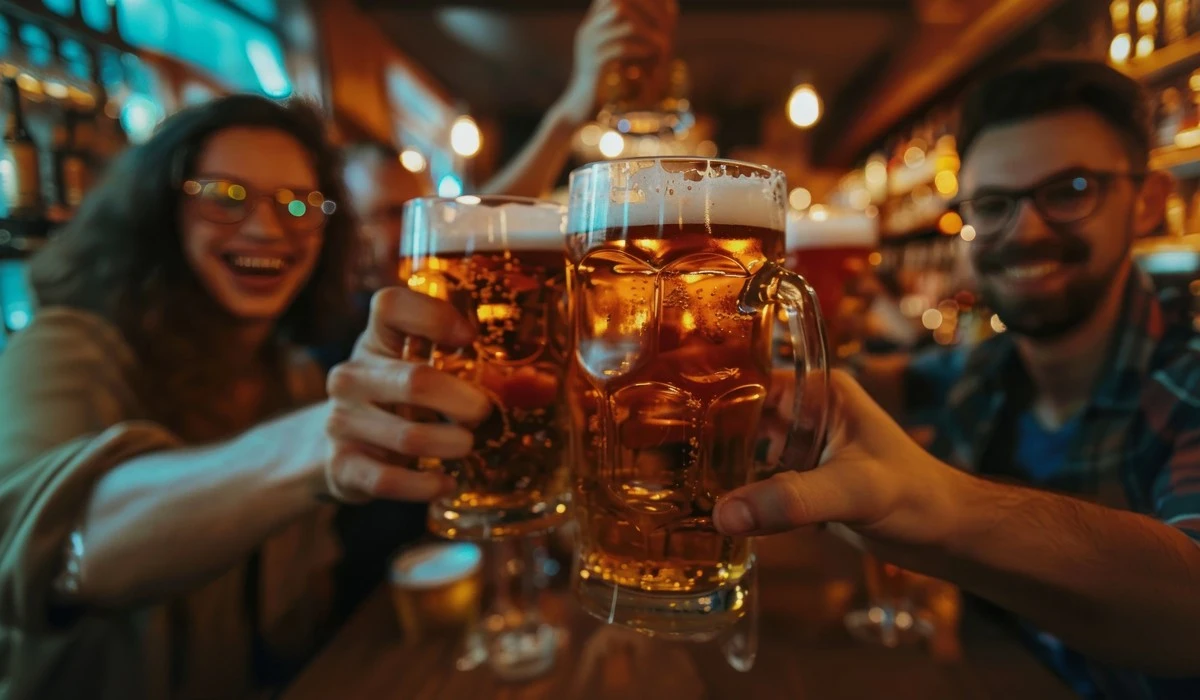
Gen Z Drinking Habits: The Sober Myth
We mistake heavily curated social media profiles for actual sobriety, missing the reality that the generation famous for wellness teas drinks more aggressively than their predecessors. The public narrative insists young people permanently abandoned alcohol for mocktails and mindful mornings. The data tells a totally different story. According to data released by the Millennium Cohort Study at UCL, researchers tracked nearly 9,700 UK individuals born around the year 2000, surveying them between 2023 and 2025. Investigators checked in when subjects hit age 17 to establish a baseline. They recorded their habits again at age 23.
The results shattered every optimistic assumption about young adults. Real-world Gen Z drinking habits feature extreme weekend consumption, rising drug exposure, and heavy nicotine reliance. What looks like a widespread rejection of intoxicants online provides cover for a sharp escalation in actual substance consumption. The early-twenties demographic faces immense psychological pressure, and they use dangerous chemicals to cope.
The Statistical Illusion Behind Gen Z Drinking Habits
Public health campaigns celebrate a drop in teenage drinking while ignoring how those same individuals violently accelerate their consumption in adulthood. The "generation sensible" label completely misrepresents young adults. The UCL briefing PDF reveals that at age 17, only 10% of the study group engaged in monthly binge drinking. It notes that fast forwarding to age 23, that monthly binge rate skyrockets to 29%. Furthermore, the report shows 68% of these young adults logged at least one binge session within the past year. This crushes the previous 53% baseline recorded during their teenage years.
As noted by The Guardian, a single binge session involves consuming six or more alcoholic drinks in one sitting. This behavior represents heavy, deliberate intoxication, completely shattering the myth of the mindful, sipping youth. Do Gen Z drink more than Millennials? Yes, data shows 29% of Gen Z adults frequently binge drink at age 23, surpassing the 25% rate recorded for Millennials at age 25.
This direct comparison destroys the idea that modern young adults reject alcohol. Experts like Dr. Aase Villadsen find the youth sobriety narrative highly inaccurate for the early-twenties demographic. The reality of young adults alcohol consumption contradicts decades of optimistic public health assumptions.
Tracking the Jump from Teen Moderation to Adult Excess
Restricting access to vices during youth creates a massive behavioral snapback the moment legal age requirements drop away. Alcohol only represents one piece of the puzzle. Other substance abuse trends show identical upward trajectories. When you look closely at Gen Z drinking habits, the youth sobriety myth falls apart entirely across all intoxicant categories. At age 17, only 31% of the cohort had tried cannabis. By age 23, lifetime cannabis exposure hits 49%.
The escalation becomes even more severe with dangerous chemicals. Hard narcotic exposure—including cocaine, ketamine, and ecstasy—triples from 10% to 32% over the same timeframe. Frequent hard narcotic usage, defined as partaking 10 or more times a year, jumps from 3% to 8%. Nicotine habits also morph into extreme daily routines.
Researchers found shocking jumps across multiple categories:
- Daily vaping: Surges from a mere 3% at age 17 to a dominant 19% at age 23.
- Cigarette smoking: Climbs slightly from 8% to 9%.
- Gambling: Reaches 32% past-year participation at age 23.
This data leaves 4% of the demographic struggling with problematic gambling behaviors. Non-university youth show particularly elevated vulnerabilities to daily vaping and betting.
How University Campuses Shape Gen Z Drinking Habits
Higher education institutions sell academic advancement while actively engineering high-volume liquor consumption through environmental design. University campuses function as heavy consumption factories. Higher-education students display much higher binge frequencies than their non-university peers. This behavior stems directly from cheap prices, massive availability, and aggressive campus promotion. Researchers like Severi point out that environmental influence severely overpowers personal choice.
When universities flood their social spaces with discounted liquor, students adapt to that environment. Commercial beverage partnerships and sports sponsorships bombard students daily. These corporate deals threaten student wellness by normalizing extreme intake. Universities essentially train students to consume vast quantities of alcohol under the guise of collegiate tradition.
When you place young people in an environment flooded with relentless marketing, Gen Z drinking habits naturally escalate. You cannot expect mindful moderation when every social event revolves around discounted binge drinking. The academic environment effectively removes the financial barriers to extreme intoxication.
The Gender Divide in Addiction Vulnerability
Pushing for gender equality in social spaces obscures a severe divergence in how young men and women aggressively cope with stress. A distinct gender divide fractures the substance consumption environment. Young men embrace heavy consumption at terrifying rates. Frequent binge sessions capture 31% of Gen Z males, compared to 27% of females. The gap widens further when tracking illegal substances.
Why do young men have higher addiction rates? Young men face immense pressure to suppress emotional vulnerability, leading them to use hard narcotics and extreme gambling as aggressive coping strategies. For example, 16% of males frequently use cannabis, nearly doubling the 9% female rate.
According to a report by The Pharmacist, men record a significantly higher rate of harder drug use, capturing 10% of males compared to just 6% of females. Dr. Villadsen emphasizes that young men require targeted rescue strategies. Their massive vulnerability to gambling and elevated hard drug usage demands immediate intervention.
We cannot treat this generation as a monolith. Young men currently utilize dangerous chemicals to survive their early twenties. Public health initiatives fail when they ignore this stark gender divergence and apply blanket solutions to highly specific crises.

Corporate Manipulation and the Nostalgia Trap
Beverage conglomerates hijack childhood aesthetics to trick risk-averse young adults into buying high-potency liquor. Many assume young people naturally changed their beverage preferences. The truth reveals aggressive corporate manipulation. Beverage brands exploit millennial-era nostalgia to capture the youth market. They push brightly colored alcopops like Smirnoff Ice and BuzzBallz, creating a massive sales boom.
Dr. Laura Tinner confirms this consumption increase results from ruthless corporate marketing. Companies disguise heavy liquor as fun, nostalgic treats. This strategy successfully bypassed the generation's general aversion to risks like reckless driving and unprotected sex. They packaged danger in familiar, comforting wrappers.
Between 2024 and 2025, past-six-month alcohol usage jumped 7%, pushing overall consumption from 66% to 73%. This data confirms a clear shift in Gen Z drinking habits. These companies realized that selling traditional beer failed, so they pivoted to sweet, highly intoxicating alternatives.
They actively manufacture desire. Corporations effectively dismantle the inherent risk aversion of modern young adults through the blending of alcohol with sugary flavors and vibrant branding. The industry relies on deception to drive up their quarterly profits.
Future Instability as a Driver for Self-Soothing
When long-term survival feels completely out of reach, people abandon their health goals for immediate chemical relief. The world subjected this generation to intense psychological whiplash. Pandemic restrictions, climate anxiety, and crushing economic pressure function as severe drivers for self-soothing habits. Researcher Ivo Vlaev explains that current habits serve as coping strategies rather than pure indulgence.
What causes sudden increases in youth substance use? Massive economic pressure and climate anxiety push young adults to abandon long-term wellness plans for immediate chemical relief. Future instability convinces them that long-term health planning holds no real value.
This despair birthed the "Brat summer" hedonism trend. Young adults trade wellness fatigue for short-term mood boosts. Modern nightlife mixes stress management, self-expression, and financial limits. The root psychological drivers completely transformed over the last five years.
These young adults drink to forget the future. They choose nocturnal socializing and heavy intoxication because building a stable, traditional life feels financially and socially impossible. Intoxicants offer a temporary, guaranteed escape from an uncontrollable reality.
Regional Extremes and the Wellness Contrast
Geographic isolation amplifies consumption volumes far beyond the habits formed in highly connected metropolitan centers. Location drastically alters Gen Z drinking habits. Scotland and Northern Ireland report regular binge rates of 37% and 35%, respectively. These numbers dwarf the 28% in England and 26% in Wales. Local culture dictates the intensity of the binge.
A stark contrast exists globally. Older Gen Z individuals, aged 13 to 28, now hold stable employment and higher disposable income. Some channel this money into purpose-driven social drinking at bars rather than aimless pub visits. The Indian youth market, for instance, shows a strong preference for sober curiosity.
Kashish Malkani highlights a shift toward physical activity venues for social bonding. Wellness community sports like padel replace high-volume binges for certain subgroups. Beverage alternatives like non-alcoholic beer, wellness teas, and kombucha equal the popularity of traditional liquor in these specific circles.
Yet, Richard Halstead notes the total sobriety narrative remains statistically false. The generation simply fractured into two extremes. One half curates a pristine wellness lifestyle, while the other half falls aggressively into binge drinking and drug usage.
The Reality of Modern Youth Consumption
The facade of a perfectly healthy, abstinent generation finally crumbles under hard data. Digital personas full of green juice and early morning workouts hide a dark reality of intense weekend binging, rising drug use, and relentless vaping.
Gen Z drinking habits expose a highly stressed demographic seeking immediate escape. They face unprecedented global anxiety, and they treat that anxiety with chemicals. Corporate marketing teams actively exploit this vulnerability, pouring sweet, high-alcohol beverages into the hands of anxious twenty-somethings.
We must stop pretending this generation solved the addiction crisis. They simply rebranded it. Moving forward requires accepting the facts, addressing the environmental pressures, and abandoning the dangerous myth of the sober youth.
Recently Added
Categories
- Arts And Humanities
- Blog
- Business And Management
- Criminology
- Education
- Environment And Conservation
- Farming And Animal Care
- Geopolitics
- Lifestyle And Beauty
- Medicine And Science
- Mental Health
- Nutrition And Diet
- Religion And Spirituality
- Social Care And Health
- Sport And Fitness
- Technology
- Uncategorized
- Videos

