
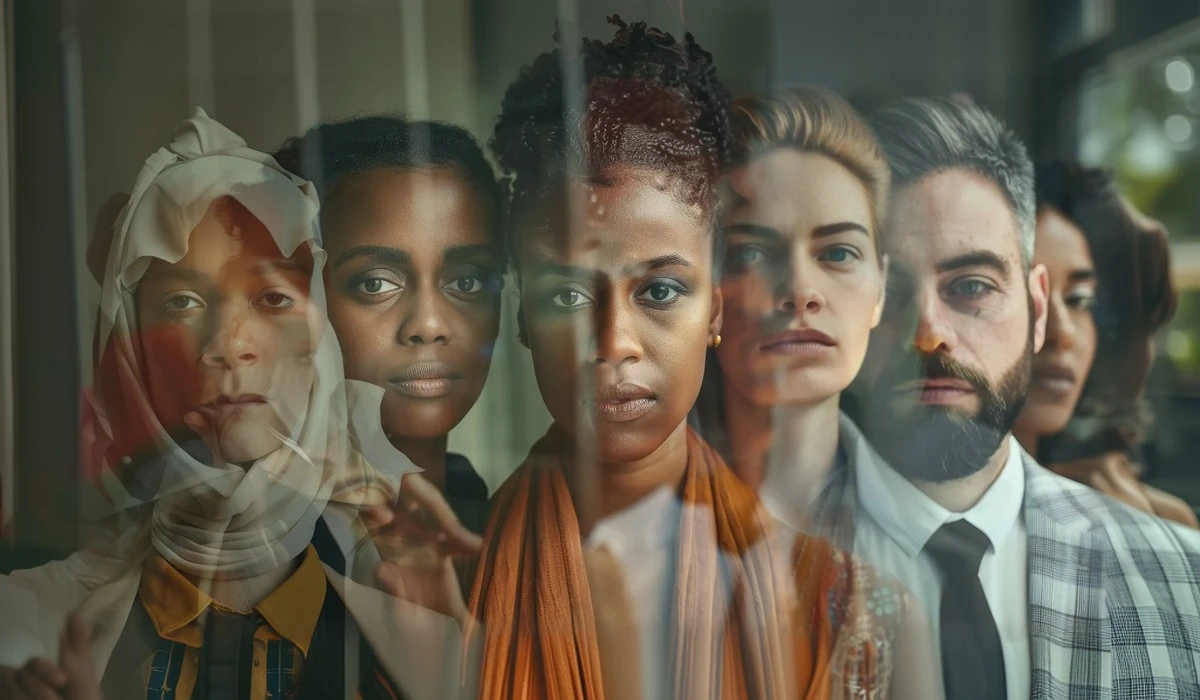
Ethnic Identity Trauma and Multicultural Psychology
You walk into a room and immediately change your voice. You adjust your posture and filter your thoughts to fit the expectations of the people around you. This constant shifting feels like a survival tactic because society often demands you bury parts of your heritage to succeed. You live between two worlds, yet you feel like you belong to neither. This tension leaves deep scars on your sense of self.
Multicultural Psychology offers a way out of this mental trap. This field looks at how your background, race, and history shape your mind. It views your cultural identity as a source of health instead of a problem to solve. Examining how we relate to our roots reveals the path to healing fractured identities and reclaiming our personal stories.
Beyond the Surface: Why Multicultural Psychology Matters for Trauma
Standard therapy often emphasizes childhood or biology but overlooks social reality. Multicultural Psychology changes this focus. It views your mental health through the lens of your actual environment. According to research in PMC9490697, this approach recognizes that systemic exclusion and daily slights cause real psychological damage, noting that experiences like discrimination and racism are often linked to social isolation, stress, and various mental disorders.
Traditional Western psychology often assumes everyone’s brain works the same way. In reality, your culture dictates how you experience pain and joy. As stated in PMC3834043, practitioners in this field use a framework of cultural humility, which authors describe as a lifelong process of self-reflection and learning about your specific world. This prevents the therapist from imposing their own values on your healing process.
Healing involves acknowledging the weight of society alongside talking about feelings. This branch of psychology validates your lived experience. It focuses on understanding the context of the individual's life instead of just "fixing" them.
The Architecture of the Mind: Cross-Cultural Cognition
The way you think depends heavily on where you come from. Your brain develops filters based on the values of your community. Researchers call this cross-cultural cognition. It explains why people from different backgrounds perceive the same event in very different ways.
How Cultural Context Shapes Information Processing
Western cultures often teach analytic thinking. This means you focus on individual objects or people. Research from the University of California, Berkeley suggests that many Eastern and Indigenous cultures teach holistic thinking, where individuals attend to the entire field and the relationships within it. These cognitive styles change how you perceive social cues and threats.
If your culture values the group over the individual, you might feel a higher level of threat when social harmony breaks down. Your amygdala, the part of the brain that processes fear, reacts faster to social exclusion than someone from an individualistic culture. Cross-cultural cognition shows that your heritage literally shapes your brain's response to the world.
Overcoming Cognitive Dissonance in Diaspora Communities
Living in a diaspora means holding two different sets of cultural rules at once. This creates mental strain. You might value family loyalty at home but feel pressure to be independent at work. This conflict creates cognitive dissonance, a state of mental discomfort that wears you down over time.
Successful bicultural individuals develop "integrative complexity," which the study in PMC10989737 describes as the ability to consider and combine multiple perspectives into a single, stronger worldview. Learning cognitive flexibility helps you bridge this gap. You learn to acknowledge both sets of values without losing your sense of self. This skill turns a source of stress into a cognitive advantage.
Navigating the Stages of Ethnic Identity Development
Growing into your culture is a path instead of a single event. Most people go through specific phases as they figure out who they are. This process often begins with a desire to fit into the dominant culture. You might reject your own traditions just to feel "normal."
Eventually, a crisis or a specific event forces you to look at your roots. This leads to a period of intense exploration. You might immerse yourself in your history, language, and community. Many people wonder, what is ethnic identity trauma? It is the psychological distress resulting from the rejection or devaluation of one's cultural background, often leading to a fragmented sense of self. Research published in the Phinney Paper notes that the final stage of this process is integrative awareness. This stage allows you to reach a point where you feel secure in your own skin, as a resolved sense of ethnicity serves as a source of personal strength. You accept yourself as a whole person with a layered history.
Applying Multicultural Psychology to Intergenerational Wounds
Trauma might begin with your parents or grandparents instead of starting with you. History leaves marks on families through stories of displacement, poverty, or oppression. Multicultural Psychology helps you identify these inherited burdens. It looks at the "Minority Stress Model" to explain why certain families carry higher levels of chronic anxiety.
A common question arises: how does culture affect our thinking? Culture acts as a basic filter for our brain, dictating our emotional reactions and social expectations from a very young age. Identifying these filters allows us to separate our own identity from the survival methods of our ancestors. You might realize that your fear of authority or your drive for perfection comes from a family history of needing to be "twice as good."
Identifying these patterns allows you to break them. You stop carrying the weight of past generations. You begin to build a new family narrative based on resilience and choice instead of fear and survival.
Rewiring the Narrative: From Victimhood to Agency

Healing involves taking an active role in your own story. You become the person who creates their own future instead of being the person things happened to. This change requires specific psychological tools.
Reframing the Minority Experience as Strength
Society often views minority status as a disadvantage. According to evidence in journals like Social Psychological and Personality Science and PubMed, being bicultural actually increases your ability to solve problems and think creatively because exposure to multiple cultures enhances innovation. Furthermore, a study in PMC10989737 explains that you possess bicultural competence, which is the ability to access and switch between different cultural frames of reference. This means you can navigate different social systems with ease.
When you view your background as a toolkit rather than a burden, your self-esteem rises. You recognize that your unique perspective is an asset in a worldwide context.
Daily Practices for Cultural Grounding
Solidifying your ethnic identity development requires daily action. You can start by surrounding yourself with symbols of your heritage. This might mean cooking traditional foods, listening to music from your ancestral home, or joining community groups.
Heritage immersion provides a sense of belonging that protects you from discrimination. It acts as a shield for your mental health. A strong foundation in your history makes the negative opinions of others carry less weight. This supports your emotional well-being.
Reconciling the Dualities of a Multicultural Self
The Phinney Paper highlights that you do not have to be just one thing, as individuals who keep a strong ethnic identity while connecting with a new society achieve an integrated identity. Many people feel like they are "too much" for one culture and "not enough" for another. Multicultural Psychology helps you merge these different parts of yourself. It encourages you to find a balance where all your cultural identities coexist.
As reported in PMC8012397, this integration leads to a more stable and resilient sense of self, as higher levels of bicultural harmony are linked to lower psychosocial stress. People often ask, can you change your cultural identity? The Phinney Paper further clarifies that while your heritage remains constant, your relationship with it evolves as you integrate different cultural values into a unique, personal identity, responding to developmental and contextual factors.
When you stop fighting against the different parts of yourself, you find peace. You realize that your identity is a bridge. You can stand in the middle and appreciate the view from both sides.
The Path Forward: Multicultural Psychology as a Lifelong Practice
Healing from identity trauma takes time. This is an ongoing process of refining how you interact with the world instead of a goal that you reach and forget. Staying engaged with the principles of Multicultural Psychology gives you the language you need to protect your peace.
You learn to advocate for yourself in spaces that don't recognize your value. You find the strength to set boundaries with people who diminish your heritage. This field provides the vocabulary to describe your experiences accurately. When you have the right words, you have the power to change your reality.
Ultimately, this path leads to social intelligence. You become better at understanding others because you have done the deep work of understanding yourself. You lead with empathy and clarity, knowing that everyone carries an unseen map of their own culture.
Reclaiming Your Narrative through Multicultural Psychology
Your identity is your most valuable asset. The pain of feeling out of place often stems from a world that tries to simplify who you are. Utilizing the tools of cross-cultural cognition reveals the nuances of your own mind. You recognize that your thoughts and feelings are valid products of your unique history.
As noted in the Phinney Paper, the stages of ethnic identity development provide a clear roadmap for your recovery because a secure ethnic identity is a major contributor to long-term psychological well-being. This growth shifts historical pain into a source of personal power. You no longer have to hide parts of yourself to survive.
Multicultural Psychology demonstrates that your culture is a source of healing. It offers a way to mend the cracks in your sense of self and build a life of authenticity. Reclaim your narrative and walk forward with the confidence that your heritage makes you whole.
Recently Added
Categories
- Arts And Humanities
- Blog
- Business And Management
- Criminology
- Education
- Environment And Conservation
- Farming And Animal Care
- Geopolitics
- Lifestyle And Beauty
- Medicine And Science
- Mental Health
- Nutrition And Diet
- Religion And Spirituality
- Social Care And Health
- Sport And Fitness
- Technology
- Uncategorized
- Videos

