
Ending Digital Burnout Via Media Psychology
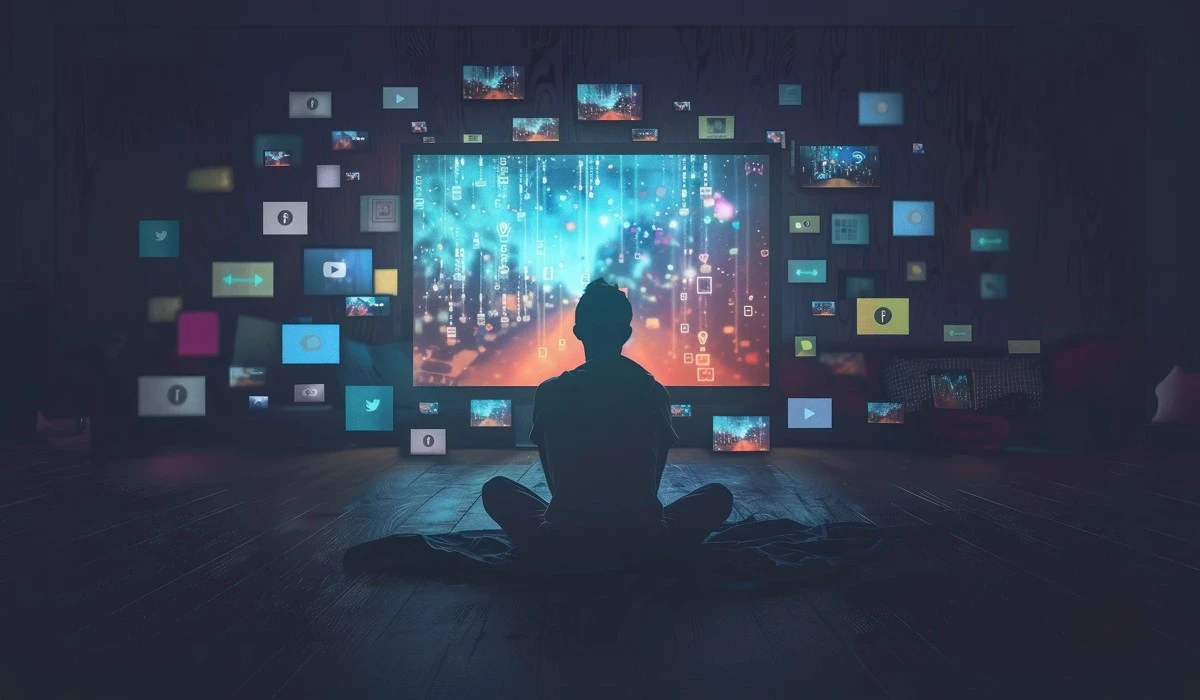
You wake up and reach for your phone before you even greet the day. This habit drains your mental energy before you step out of bed. You feel a strange pull toward the screen that you cannot explain. Scientists study this pull through a field called Media Psychology. This field looks at how screens change your thoughts and actions. Technology was meant to serve humans; however, people frequently become servants to their devices.
Grasping these forces helps you regain your time and focus. Digital tools provide convenience, but they also demand a heavy cognitive price. You might feel a constant fog after hours of scrolling. This happens because your brain reacts to digital stimuli in specific, predictable ways. You can move from being a tired scroller to a focused user. This guide shows you how to use science to fix your digital life and improve your mental health.
The Foundations of Media Psychology for Digital Users
Media Psychology serves as the primary tool for understanding our digital lives. It bridges the gap between technology and human behavior. Early researchers in the 1940s studied how propaganda influenced the public. Today, the field focuses on how smartphones and apps change our brain chemistry. You gain power over your devices when you understand the science behind every click and swipe.
Beyond Just Tech Support
This field explores how your mind interacts with every image and sound on a screen. The discipline evaluates how humans use software rather than just repairing the software itself. You wonder, what is the focus of media psychology in our daily lives? This discipline primarily examines how media affects human perception, emotion, and behavior to improve how we interact with technology. It helps you recognize when an app tries to control your mood.
The Narrative of Influence
Media companies design their platforms to stimulate specific neurobiological responses. They use bright colors and sudden sounds to grab your attention. This design exploits your natural instincts to stay alert. When you see a red notification bubble, your brain treats it as a priority. This response stems from our evolutionary need to notice changes in our environment. Media Psychology explains that these design choices are never accidental.
Identifying the Reality of Screen Media Effects
Every hour you spend on a device leaves a mark on your brain. These screen media effects change how you process information and feel emotions. According to NewYork-Presbyterian, emerging evidence indicates that increased screen exposure in young children corresponds with structural brain changes. Research published in ScienceDirect reveals that higher screen exposure in youth is associated with weaker frontostriatal connectivity, which manages impulse control. Another study in the same journal notes that addictive digital media behavior alters brain regions related to cognitive control and emotional regulation. This makes it harder to put the phone down once you start.
Many people often ask, how does screen time affect your brain and mental health? A 2025 CDC report states that high daily screen time is associated with poorer health outcomes among teens, including insufficient sleep duration and insomnia symptoms. Similarly, research in Frontiers in Psychology shows that prolonged screen use is connected to later sleep onset and reduced sleep quality. Furthermore, a separate study in ScienceDirect links depressive symptoms and suicidality to the nighttime use of digital devices. These alterations occur because the brain struggles to keep up with the constant stream of new data. You feel exhausted because your mind is working overtime to filter out useless noise.
Dopamine Loops and Reward Systems
App developers use "variable ratio reinforcement" to keep you hooked. This is the same logic used in slot machines. You pull down to refresh a feed, and you don't know if you will see something great or something boring. The unpredictability causes a surge of dopamine in your brain. As noted in a PMC article, dopamine serves an essential role in the brain for reinforcement and the motivation of actions. The Oxford Journal explains that a dopamine release occurs during rewarding digital interactions, such as winning a level or hearing a notification. A study in Nature demonstrates that human engagement on social media conforms to these exact reward learning principles. Consequently, separate research published in PMC confirms that social media addiction relies on this dopamine-driven positive reinforcement. Your main objective becomes securing the next chemical rush rather than finding specific content.
Cognitive Fragmentation
Notifications break your focus into tiny pieces. Every time your phone pings, your brain must switch tasks. This "switch-cost effect" lowers your productivity by up to 40 percent. Your brain requires energy to reconfigure itself for a new task. When you jump between email, social media, and work, you never reach a state of deep focus. This leads to a feeling of being busy without actually finishing anything important.
Applying Media Psychology to Reshape Your Interaction
You can use Media Psychology to build a better relationship with your devices. Instead of letting the screen control you, you set the terms of the engagement. This requires a shift in how you view your phone. You must treat it as a tool with a specific purpose instead of a source for endless entertainment. Small changes in your habits lead to big changes in your mental clarity.
The Concept of Media Mindfulness
Mindfulness involves being fully present while you use technology. Most people scroll on "autopilot" without realizing how much time has passed. Media mindfulness forces you to ask why you are opening an app. Are you bored, lonely, or looking for specific information? Naming your emotion breaks the mindless cycle. This simple act of awareness puts you back in the driver’s seat of your digital consumption habits.
Cognitive Reframing of Notifications
You can train your brain to see notifications differently. Instead of viewing a ping as an exciting reward, view it as a rude interruption. Cognitive reframing allows you to change your emotional response to a stimulus. When you hear a chime, tell yourself that the app is trying to steal your time. This shift in perspective reduces the urge to check your phone immediately. It helps you maintain your focus on the real world.
Reclaiming Control Over Your Digital Consumption Habits

Changing your digital consumption habits requires a plan. You cannot rely on willpower alone because the apps are designed to beat your willpower. You must create systems that make it harder to scroll and easier to focus. This involves auditing your current behavior and setting clear boundaries. When you take control of your habits, you reduce the negative effects of screen media on your life.
A common question arises here: what are the best ways to reduce digital consumption? The most effective methods include setting strict app limits, scheduling "analog hours," and removing non-essential notifications to reduce the urge to check devices. These steps create physical and mental space between you and the digital world. You start to notice the world around you more clearly.
The Anatomy of a Digital Audit
Start by looking at your screen time data. Most phones track exactly how many hours you spend on each app. Categorize these apps into "utility" and "distraction." Use utility apps for specific tasks like banking or navigation. Limit distraction apps to specific times of the day. Seeing the raw numbers often provides the motivation needed to make a change.
Intentionality Over Impulse
Move from reactive usage to goal-oriented usage. Reactive usage happens when you check your phone just because it is near you. Goal-oriented usage means you only pick up the device to perform a specific task. Once the task ends, the device goes away. This habit prevents the "rabbit hole" effect, where one search leads to an hour of mindless browsing. Being intentional saves you hours of time every week.
Cognitive Offloading and the Psychology of Information
Modern technology encourages "cognitive offloading." We store our memories in our phones instead of our heads. This changes how our neural pathways function over time. We become very good at finding information but very bad at remembering it. Media Psychology helps us understand how this effect on memory affects our intelligence and creativity.
The Google Effect
The "Google Effect" means your brain forgets information that it knows it can find online. We treat the internet as a "transactive memory partner." While this saves mental space, it also weakens our ability to think critically. If you don't store facts in your long-term memory, you cannot connect ideas in new ways. High-level problem solving demands a thoroughly stocked mind rather than relying entirely on a fast search engine.
Curation as a Mental Health Strategy
People frequently ask, " How does media psychology explain social media use and its effects? It suggests that we use social media to fulfill basic needs for belonging and self-esteem, which can be exploited by design features to keep us engaged longer than intended. To fight this, you must curate your feed. Unfollow accounts that make you feel inadequate or angry. Curation ensures that your digital environment supports your mental health rather than tearing it down.
Environmental Design Strategies for Digital Minimalism
Your physical environment dictates your digital consumption habits. If your phone sits on your desk, you will check it. If it stays in another room, you likely won't. You can use "choice architecture" to make better decisions without thinking. Changing your surroundings lowers the power that screens hold over your attention. This is a key part of minimizing negative screen media effects.
Friction as a Tool
Friction is anything that makes a task harder to do. You can add friction to your phone use to slow down your impulses. Move distracting apps off your home screen and into folders. Use long, difficult passwords instead of face recognition. These extra seconds give your brain a chance to catch up and stop the impulsive behavior. Friction turns a mindless habit into a conscious choice.
Creating Screen-Free Sanctuaries
Designate specific areas of your home as screen-free zones. The bedroom should remain a sanctuary for sleep and relaxation. According to Stanford Lifestyle Medicine, keeping phones out of the bedroom prevents screen light from delaying the release of melatonin. Use an old-fashioned alarm clock instead of your phone. The dining table should also be a phone-free zone to encourage real-world social interaction. These boundaries protect your mental space.
Cultivating Intentionality Through Media Psychology
Sustainability is the goal of any psychological intervention. Your aim involves building a permanent lifestyle change rather than avoiding your phone for a single day. Media Psychology provides the framework for long-term digital resilience. This means you can handle the pressures of constant digital connectivity without losing your sense of self. You learn to use technology to empower your life rather than deplete it.
Building Digital Resilience
You will occasionally fall back into old habits. Digital resilience means you don't give up when you have a bad day. If you spend three hours on TikTok, don't beat yourself up. Instead, analyze what prompted the behavior. Were you stressed or tired? Understanding the "why" allows you to fix the root cause. Resilience helps you get back on track quickly.
Social Connection vs. Social Comparison
Shift your media use toward genuine connection. Active consumption, like video chatting with a friend, improves well-being. Passive consumption, like scrolling through an influencer’s photos, increases anxiety. This happens because of "social comparison." You compare your "behind-the-scenes" life to someone else's "highlight reel." Focus on using your devices to build real relationships instead of just watching other people live theirs.
Re-establishing a Healthy Digital Future
Taking back your mind from digital distractions is a lifelong process. Media Psychology shows us that we are not helpless against the power of screens. Understanding your own brain lets you choose how you interact with technology. When you change your digital consumption habits, you reclaim your focus and your happiness. You reduce the heavy screen media effects that cause burnout and stress.
The objective centers on making technology work for your benefit rather than living in a cave without devices. Start today by making one small change. Turn off your notifications or move your phone to another room while you work. These small victories build the foundation for a healthier digital life. You are the architect of your own experience. Use the tools of science to build a future where you are in control.
Recently Added
Categories
- Arts And Humanities
- Blog
- Business And Management
- Criminology
- Education
- Environment And Conservation
- Farming And Animal Care
- Geopolitics
- Lifestyle And Beauty
- Medicine And Science
- Mental Health
- Nutrition And Diet
- Religion And Spirituality
- Social Care And Health
- Sport And Fitness
- Technology
- Uncategorized
- Videos

