
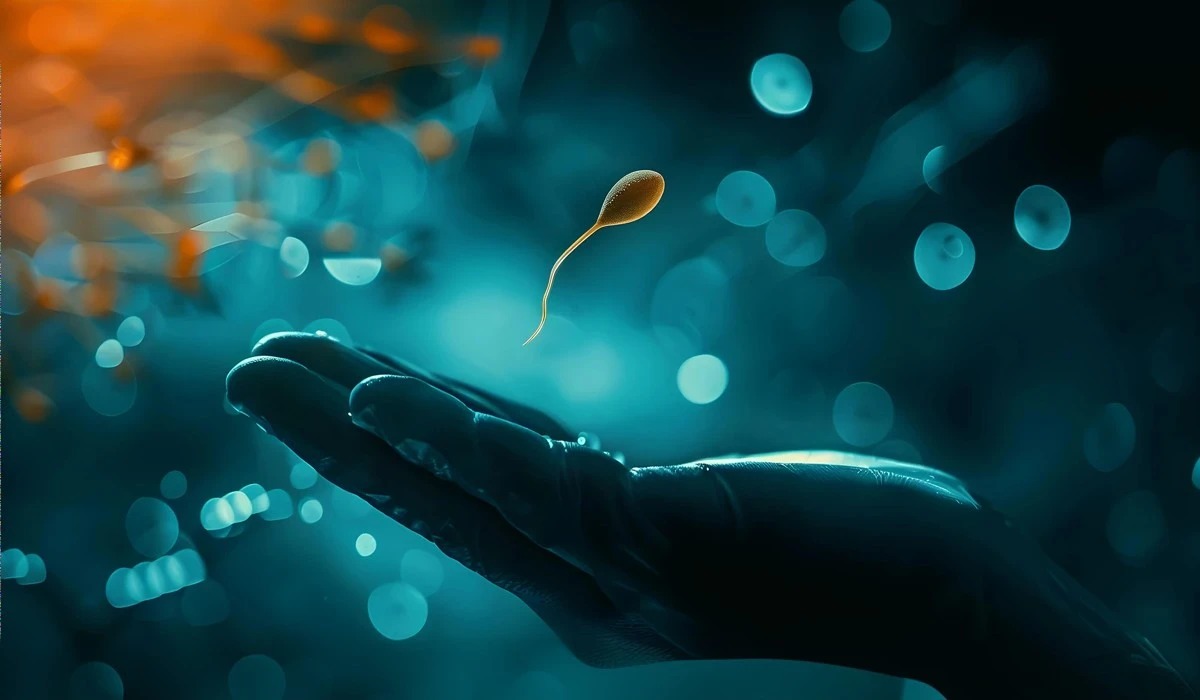
Sperm Donor Scandal Affects 197 Families
Biology sometimes hides danger in the one place doctors forget to look. A specific donor passed strict medical checks for years because his blood and skin showed zero signs of illness. His genetic code appeared flawless on every standard test. Yet, his reproductive cells carried a rare, deadly mutation. According to a report by investigations.news-exchange.ebu.ch, this biological blind spot allowed one man to father at least 197 children across Europe, many of whom now face a life-threatening condition. This sperm donor scandal exposes how disconnected international regulations failed to stop a localized problem from becoming a continental crisis. Parents in 14 countries now grapple with the reality that their children hold a 90% risk of developing cancer, all because the system tracked the donor’s health but ignored the scope of his reach.
How the Sperm Donor Scandal Evaded Detection
Genetic errors can isolate themselves in a single bodily system while leaving the rest of the person perfectly healthy. As noted by investigations.news-exchange.ebu.ch, the donor at the center of this crisis began donating in 2005. The same source confirms that for 17 years, clinics viewed him as a prime candidate. He had no personal history of cancer, and the European Sperm Bank confirmed his family members were also disease-free. The problem lay in a condition called germline mosaicism. While his somatic cells—the ones making up his body—remained healthy, the mutation hid exclusively in his sperm.
Roughly 20% of his reproductive cells carried a defect in the TP53 gene. This gene acts as a crucial shield against tumors. Experts quoted by euronews explain that standard screening protocols analyze blood or saliva, meaning the lab results consistently came back negative because screening for de-novo mutations in the testis simply does not work on blood samples. Can sperm donors carry genetic diseases without knowing? Yes, a condition called germline mosaicism allows a healthy donor to pass on mutations present only in their reproductive cells. The medical community missed the red flag because the red flag lived only in the sample, not the source.
Mapping the Reach of the Crisis
A local supply chain flaw becomes a disaster when inventory moves faster than oversight. This donor’s genetic material did not stay in one place. Findings from investigations.news-exchange.ebu.ch reveal that it traveled to 67 different fertility clinics spread across 14 countries. The report further indicates that the European Sperm Bank distributed the samples widely between 2006 and 2023, leading to a massive geographic footprint. Nov 2023 marked the moment authority figures finally identified the donor, but the spread had already occurred.
Current investigations by public service broadcasters confirm at least 197 offspring linked to this single man. investigations.news-exchange.ebu.ch specifies that Denmark recorded 99 births, while Spain saw 35. The sheer number of affected families highlights a major gap in tracking. Clinics in different nations operate like islands. They possess no shared map to see where else a donor’s samples might go. This lack of a unified registry turned a rare biological occurrence into a widespread sperm donor scandal.
Why National Limits Failed to Stop the Spread
Rules meant to cap exposure lose their power when no one counts the global total. Most countries enforce strict legal limits on how many families a single donor can assist. According to the FAMHP, Belgium sets the bar at six families, while regulations cited by the HFEA and Cryos International confirm that the UK and France allow ten. These laws exist to prevent the abnormal dissemination of genetic traits. However, in Belgium alone, 38 women used this donor, resulting in 53 children—nearly nine times the legal limit.
The disconnect stems from a conflict between national laws and international business. The European Sperm Bank maintains an internal worldwide limit of 75 families. This number vastly exceeds the safety caps of individual nations. "Fertility tourism" complicates matters further, as patients and samples cross borders easily. Without a harmonized European registry, clinics relied on incomplete reporting. This regulatory patchwork allowed the donor's usage to balloon unchecked, bypassing the safety nets designed to protect families.
The Medical Burden of Li-Fraumeni Syndrome
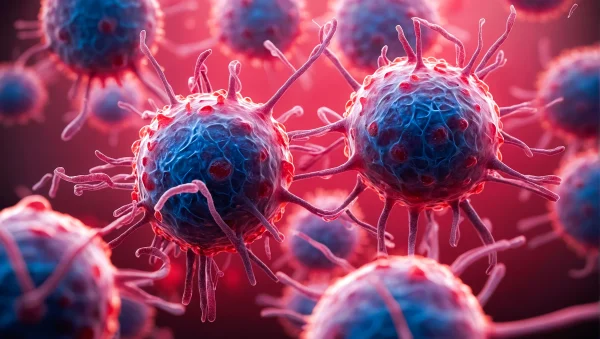
The body loses its natural ability to fight off malignant growth when this specific gene fails. The mutation passed to these children triggers Li-Fraumeni syndrome. This condition damages the TP53 tumor suppressor gene. Without this suppressor, cells mutate and grow uncontrollably. Children born with this defect face a terrifying probability. Their risk of developing cancer climbs up to 90% over their lifetime.
Doctors have already identified cases of leukemia and non-Hodgkin lymphoma among the donor’s offspring. Dr. Edwige Kasper notes that some children have already developed two different types of cancer. Tragically, some have died at a very young age. What is the life expectancy with Li-Fraumeni syndrome? Life expectancy varies significantly, but individuals face a very high risk of developing early-onset cancers that require lifelong monitoring. The diagnosis forces parents to watch for symptoms constantly, knowing their children lack the genetic armor most people take for granted.
Living Under Constant Surveillance
Prevention paradoxically requires patients to avoid the very tools doctors typically use to find disease. Families affected by the sperm donor scandal must adhere to a strict, lifelong medical schedule. Guidelines recommend annual whole-body and brain MRIs starting from childhood. They also require frequent abdominal ultrasounds. However, medical literature on PubMed emphasizes that these patients must avoid radiation, as they are very susceptible to it.
Standard cancer detection methods like mammograms or PET scans involve radiation exposure. For someone with Li-Fraumeni syndrome, this radiation can actually trigger the cancer it is meant to find. Their cells are too sensitive to handle the stress. This leaves doctors with fewer options. They must rely on high-sensitivity imaging without radiation. In severe cases, families opt for prophylactic surgeries, such as mastectomies, to remove risk areas before tumors can form. It creates a heavy medical burden that dictates every aspect of their lives.
The Human Cost of the Sperm Donor Scandal
Knowledge of a future threat creates a present trauma that never truly fades. Parents describe the diagnosis as a "Damocles sword" hanging over their heads. They know the danger exists, but they cannot predict when it will fall. Celine, a mother of one of the affected children, explains the agony of the unknown. She notes that they do not know which cancer will strike or how many times they will have to fight it.
This uncertainty breeds a unique form of intergenerational trauma. Prof Clare Turnbull describes the diagnosis as "dreadful" and "challenging" for families to accept. It is not a one-time event but a lifelong state of alert. Parents grapple with guilt and fear, realizing their attempt to build a family brought a severe medical challenge into their home. They must prepare their children for a lifetime of hospitals, scans, and anxiety.
Balancing Safety and Supply in Fertility
Perfect safety in medicine often threatens the availability of the medicine itself. The European Sperm Bank argues that identifying this specific mutation beforehand was impossible. They claim that the donor and his family showed no signs of illness, making the mutation undetectable by standard preventative screening. Prof Allan Pacey supports this view, noting that clinics already reject 98% to 99% of applicants. Tightening the net further might eliminate the donor pool entirely. Can genetic screening detect all diseases in sperm donors? No, current screening cannot catch every possible mutation, especially rare cases like germline mosaicism where the donor tests negative.
Critics argue the solution lay in logistics, not just genetics. Medical experts emphasize that stricter adherence to family limits would have contained the damage. If the bank had followed the lower national limits on a global scale, the mutation would have affected far fewer lives. The sperm donor scandal ultimately stems from a failure to limit the spread of a rare risk, placing commercial distribution above strict containment.
A Wake-Up Call for Global Fertility
This crisis exposes the fragility of a fractured regulatory system. A healthy donor passed a dangerous legacy to nearly 200 children because oversight stopped at the border. While the sperm donor scandal highlights a rare biological anomaly, it primarily proves that national laws cannot contain international supply chains. Families now fight for their children's futures, reminding the world that tracking numbers across nations matters just as much as screening cells in a lab. The medical community must close the gap between local laws and global inventories to prevent biology from hiding in the blind spots again.
Recently Added
Categories
- Arts And Humanities
- Blog
- Business And Management
- Criminology
- Education
- Environment And Conservation
- Farming And Animal Care
- Geopolitics
- Lifestyle And Beauty
- Medicine And Science
- Mental Health
- Nutrition And Diet
- Religion And Spirituality
- Social Care And Health
- Sport And Fitness
- Technology
- Uncategorized
- Videos

