
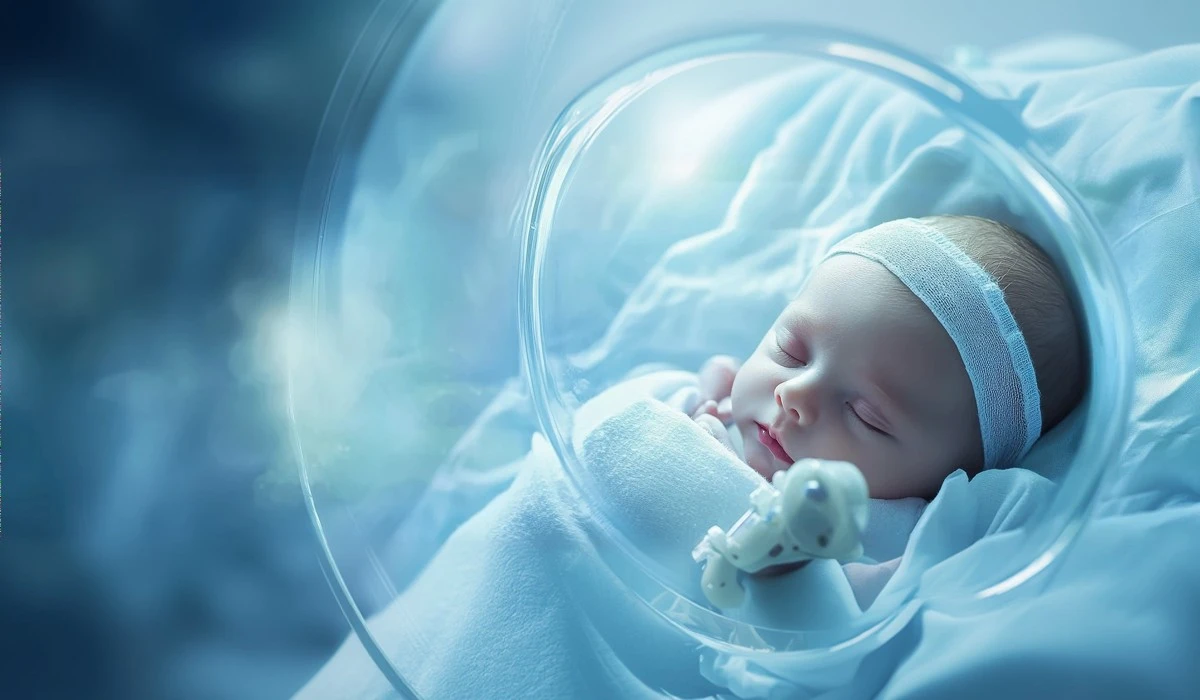
SMA Screening Saves Lives Before Symptoms
A healthy-looking baby often conceals a genetic countdown that deletes muscle control before the first crawl. This biological sequence happens because the body lacks a single, vital protein. Without this protein, motor neurons—the cells that tell muscles to move—simply wither and die. When a parent notices a "floppy" limb or a weak cry, the damage has already become permanent. SMA screening identifies this missing code at birth, allowing doctors to intervene before the body destroys its own ability to move. Early detection changes a once-fatal diagnosis into a manageable condition.
The Genetic Reality Behind SMA Screening
Parents carry a dormant trait that only starts a crisis when they meet a partner with the exact same genetic code. According to Healthline, roughly 6 million people in the US, or 1 out of 50 individuals have the mutated SMN1 gene. In the UK, 1 out of 40 people suffer from this mutation. These carriers show no symptoms themselves. PubMed classifies SMA as an autosomal recessive neuromuscular disease, which explains why it often appears without any family history when two carriers have an offspring. In these cases, the child faces a 25% risk of inheriting the condition.
This SMN1 gene normally produces SMN protein. This protein keeps motor neurons healthy. When a child lacks a functional SMN1 gene, their motor neurons break down over time and stop functioning. This loss stops the brain from sending signals to voluntary muscles. The muscles then waste away from disuse. This condition occurs when a child inherits a faulty gene from the parents, leading to a severe protein deficiency. Standard genetic blood tests now detect this mutation with 95% accuracy in the public at large.
Why Universal SMA Screening is a Global Goal
However, accuracy varies by background. Among the African-American public, these detection rates drop to 70% because of specific, rare mutations. Despite these variations, the primary goal remains the same: find the missing gene before the nerves disappear. Every day without the SMN protein results in more lost neurons. Doctors cannot bring these cells back once they die, which makes early detection through SMA screening the only way to protect a child's physical future.
Doctors often wait for symptoms to appear, but the nerves responsible for movement have already started to vanish by the time a baby looks weak. Early identification changes the entire trajectory of the condition. In 2016, the FDA approved the first disease-modifying therapy, which sparked a push for better testing. By 2018, the US RUSP officially included the condition. A report from ScienceDirect confirms that as of January 2024, all the states along with Washington DC screen newborns for SMA as part of their standard newborn panels.
Early Testing and Global Disparities in SMA Detection
This means every baby born in the US now receives a test for the SMN1 mutation shortly post birth. In contrast, other regions still face geographic gaps. Northern Ireland, for example, only tests infants who have an older sibling with the medical condition. Expectant parents can choose diagnostic methods like amniocentesis after 14 weeks or chorionic villus sampling after 10 weeks to check for the mutation before birth.
Global incidence rates range from 1 in 6,000 to 1 in 11,000 live births. In the UK, experts estimate about 47 births with the illness occur annually. In smaller regions like Northern Ireland, the frequency stays low at one to two cases per year. Despite the rarity, the consequences are total. Research in BMJ Open shows that before disease-modifying treatments existed, kids with type 1 SMA rarely lived past age 2. As noted in a study from JAMA Network, patients identified by newborn screening showed better motor development and less need for ventilators or feeding tubes. The study further states that infants who receive treatment before symptoms appear have a strong chance of achieving independent walking.
The SMN2 Backup System and Symptom Severity
Some infants possess a biological safety net that determines if they will ever walk or sit independently. This safety net is the SMN2 gene. While the primary SMN1 gene does the heavy lifting, the SMN2 gene acts as a backup. It produces the same SMN protein, but in much smaller, less efficient amounts. Most of the protein created by SMN2 is unstable and breaks down quickly.
The NCBI notes a positive correlation between the number of SMN2 copies and the severity of the disease. Children with type 1 cases typically have only one or two copies, while those with three or four copies might not show symptoms until later in childhood or even adulthood. Modern medicine now focuses on "functional status"—whether a child is a non-sitter, a sitter, or a walker—instead of the historical Types 0 through 4. This shift reflects the reality that treatment changes how the backup gene performs.
Research investment exceeding $15 million since 2004 has focused on these genetic details. Scientists found how to target the SMN2 gene to make it produce more functional protein. This finding turned the backup gene into a therapeutic target. Higher SMN2 output allows drugs to compensate for the missing SMN1 gene. This step stabilizes motor neurons and prevents further muscle wasting.
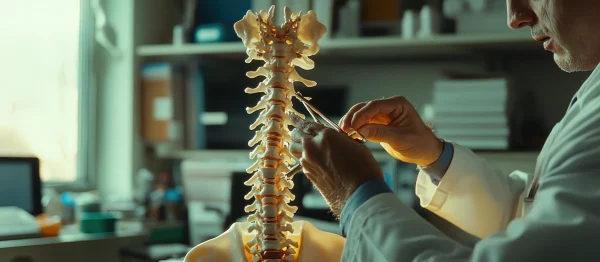
How Gene Therapy Rewrites a Child’s Physical Future
A single infusion replaces the missing genetic code, forcing the body to produce the protein it previously lacked. NHS England approved the gene therapy Zolgensma in 2021, representing a massive leap in treatment. As described by ICER, the therapy uses the adeno-associated virus serotype 9 vector to deliver a functional SMN1 gene directly into the cells. Once the new gene is in place, the body begins creating the SMN protein on its own.
This treatment focuses on motor neuron stabilization. Dr. Sandya Tirupathi notes that restoring the SMN protein halts the progression of weakness. There is a critical window for maximized drug efficacy. If doctors administer the drug before symptoms start, the child has a high potential for near-normal mobility. If they wait until the child shows signs of muscle loss, the drug can only stop further damage; it cannot fix what is already broken.
The cost of such advanced therapy is high, making it one of the most expensive medicines in the world. However, the one-time IV infusion replaces a lifetime of decline. While three main options exist, many experts consider Zolgensma a significant step because it uses a one-time IV infusion to deliver a functional SMN1 gene. This treatment allows infants to achieve remarkable milestones that were previously impossible for children with this diagnosis.
Comparing Modern SMA Treatment Options
The medical field has moved from basic supportive care to a variety of targeted drugs that keep muscles functioning. Before 2016, doctors could only treat the symptoms. Now, they have three primary tools to fight the cause. Each drug uses a different method to ensure the body has enough SMN protein to keep motor neurons alive.
- Nusinersen: This was the 1st approved treatment. Doctors deliver it through an injection into the spinal fluid. It requires ongoing doses to keep protein levels high.
- Risdiplam: This is a daily oral liquid. It works by addressing the SMN2 backup gene and coaching it to produce more usable protein. Its ease of use makes it a popular choice for families.
- Zolgensma: This one-time infusion provides a permanent genetic fix. It targets the root cause by replacing the missing SMN1 gene entirely.
Beyond these drugs, children often need mechanical support to stay healthy. Cough assist machines help clear lungs when chest muscles are too weak. BiPAP ventilation assists with breathing during sleep. Some children require gastrostomy feeding tubes if their swallowing muscles fail. Between the ages of 8 and 10, many children undergo spinal fusion surgery. This procedure corrects scoliosis and relieves respiratory pressure due to a curving spine.
The Human Impact of Early Detection
A diagnosis that once meant a funeral now signifies the start of a life filled with assisted movement and milestones. Parents like Ann Reel describe a move from total despair to optimism. With the right assistance and early SMA screening, life becomes easier over time. Instead of watching a child decline, parents now watch them hit developmental markers that once seemed remarkable.
Singer Jesy Nelson has advocated for public awareness, describing the condition as the most aggressive muscular ailment. This aggression is why SMA UK emphasizes that immediate drug administration is essential. Irreversible damage to the nervous system happens quickly after symptoms begin. When a child receives treatment early, they survive and thrive. They go to school, play with friends, and grow into adulthood—a reality that was nearly impossible just a decade ago.
The condition affects motor nerves without altering intelligence or learning. Children with this condition remain cognitively intact, often excelling in school and social environments. Their struggle remains purely physical. Motor neuron protection allows these children to contribute their minds and talents to the world without the burden of total physical collapse.
Closing the Geographic Gap in Screening Access
Your child’s ability to breathe might depend entirely on which side of a national border they are born. This geographic inequality remains the current frontier for advocacy groups. While the US has achieved universal screening across all the states, the UK and Northern Ireland still lag behind. The NHS and PHA currently focus their "heel prick" tests on conditions like cystic fibrosis and sickle cell, excluding SMA from the standard panel in many areas.
Advocates argue that the "heel prick" test should include SMA everywhere. The technology exists, the drugs are available, and the evidence is clear. Delaying the test until a sibling is diagnosed or until symptoms appear is a gamble with a child's life. The goal is to make SMA screening a global standard for every newborn, regardless of where they live.

The Future of Motor Neuron Health
The shift from observing a disease to actively rewriting its outcome marks a new time in genetic medicine. We no longer view this condition as an inevitable decline. Instead, we see it as a race against time. The faster we identify the missing protein, the faster we can stop the decay. Research continues to move forward, focusing on even more effective ways to deliver genes and support muscle health.
The investment in basic biology and animal models paid off. Understanding the SMN2 target enabled researchers to find a path to survival. Today, the focus remains on implementation and access. We have the tools to save these children. The only remaining hurdle is ensuring every infant receives a test at birth. Identifying the mutation early grants us the ability to provide a future rather than just treating a disease.
Redefining Survival Through Screening
The true power of SMA screening lies in its ability to turn a genetic flaw into a manageable hurdle. Identifying the SMN1 mutation at birth moves us from a reactive medical model to a proactive one. This shift preserves the physical integrity of children who would have otherwise faced a life of severe disability or early death. The presence of the SMN2 backup gene provides a window of opportunity that modern medicine is now fully prepared to use. As screening becomes universal, the aggressive nature of this condition loses its grip, replaced by the remarkable milestones of children who can sit, stand, and live. SMA screening provides the definitive line between a life of limitation and a life of possibility.
Recently Added
Categories
- Arts And Humanities
- Blog
- Business And Management
- Criminology
- Education
- Environment And Conservation
- Farming And Animal Care
- Geopolitics
- Lifestyle And Beauty
- Medicine And Science
- Mental Health
- Nutrition And Diet
- Religion And Spirituality
- Social Care And Health
- Sport And Fitness
- Technology
- Uncategorized
- Videos

