
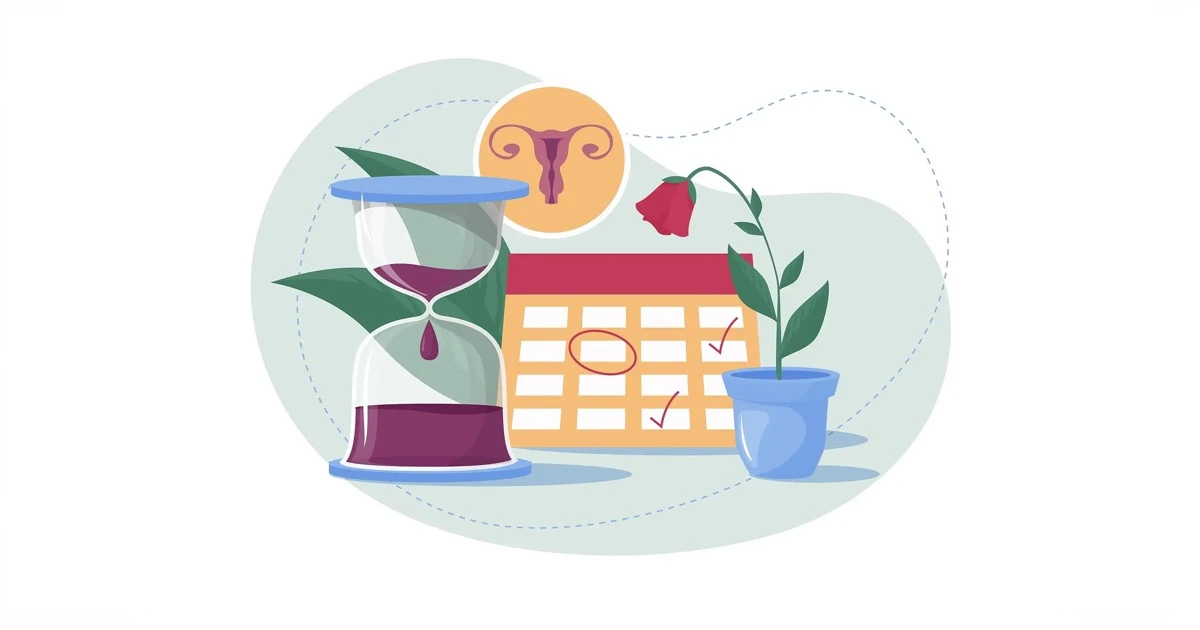
Perimenopause Misdiagnosis Trap Many Women Face
Women walk into medical clinics with failing ovaries and walk out with prescriptions for their brains. According to a Guardian report detailing the Royal College of Psychiatrists' findings, physicians routinely witness a massive biological shift and treat it as a psychiatric breakdown, a failure that significantly increases a woman's chance of developing serious mental illness while preventing her from receiving vital help. A steep drop in estrogen causes volatile anger, severe memory loss, and intrusive thoughts.
Researchers writing in Women's Health note that doctors observe these specific emotional symptoms and immediately target the patient’s serotonin receptors, typically starting patients on a low dose of selective serotonin reuptake inhibitors for anxiety and slowly increasing the amount. A patient account in the Guardian reveals that medical professionals completely ignore the hormonal root cause creating the chaos, identifying cases where individuals receive treatments for depression for up to seven years while their actual physiological condition escapes detection. This specific perimenopause misdiagnosis traps thousands of women in a years-long maze of highly ineffective psychiatric treatments.
Psychiatry’s Blind Spot in Perimenopause
In March 2026, the Guardian published a critical position statement from the Royal College of Psychiatrists (RCPsych) aimed at combating the acute lack of understanding that leaves nearly three-quarters of UK women unaware that this phase can spark new mental illnesses. The publication highlighted how physicians regularly confuse extreme hormonal vulnerability with traditional psychiatric disorders, specifically noting that this unrecognized period poses a particular clinical danger for those at risk of bipolar disorder. The same newspaper features a patient narrative demonstrating that medical professionals hand out mood stabilizers to women whose bodies actually require hormone replacement, simply prescribing higher dosages of antidepressants instead of identifying the physiological root cause. We must examine exactly how modern medicine fails these women at their most vulnerable point.
The Anatomy of a Perimenopause Misdiagnosis
Doctors treat the surface emotional reaction while ignoring the foundational biological cause. Nearly 75% of females in the UK lack any working knowledge about menopause-induced psychiatric conditions. People generally recognize the physical signs of the change, but they completely miss the psychological markers. The Guardian cites a recent YouGov poll that maps out exactly where public awareness currently stands:
- 93% of respondents link hot flushes directly to menopause.
- 76% connect the biological shift to low libido.
- Only 28% associate the phase with serious mental illness.
This massive knowledge gap extends straight into professional medical environments. When a woman's estrogen levels plummet, her body's natural serotonin production derails. This sharp chemical disruption amplifies everyday sadness and creates extreme, uncharacteristic irritability. Physicians examine patients experiencing this specific hormonal mood instability and confidently diagnose them with clinical depression. They grab their prescription pads and hand out heavy mood-altering drugs. Official medical guidelines actually advise heavily against using antidepressants as a first-line treatment for initial hormonal mood stabilization.
Why HRT Comes Before Antidepressants in Menopause Anxiety
Medical standards demand that doctors prioritize Hormone Replacement Therapy (HRT) instead. Yet, the perimenopause misdiagnosis happens every single day in clinics across the country. A patient history shared in the Guardian illustrates that patients faithfully swallow daily pills that completely fail to address their basic physiological shift, and only find genuine relief and the ability to stop taking antidepressants completely after finally receiving proper HRT. How do doctors treat menopause anxiety? Physicians typically recommend hormone replacement therapy first to stabilize dropping estrogen levels, though they sometimes prescribe antidepressants if severe clinical depression exists concurrently. This approach tackles the root cause rather than masking the symptoms with mood stabilizers.
The Seven-Year Blind Spot
Medical charts carefully document a patient's steady decline while completely missing the turning point. A Guardian interview documents that Sonja Rincón lived through this exact medical failure. According to the article, at age 35, she developed a sudden onset of unexplained psychological symptoms. Her doctors quickly diagnosed her with depression and immediately put her on heavy antidepressants, steadily increasing the dosage over time. For seven long years, she masked a severe internal deterioration with a collection of mood-altering drugs, as her real cause escaped detection. She expertly concealed her true suffering from her friends, family, and employers. Her medical team completely overlooked the true hormonal root of her distress. They focused entirely on her emotional output.
The newspaper notes that at age 42, specialists finally gave her a formal perimenopause diagnosis. She immediately stopped taking the antidepressants and started a proper regimen of HRT, which allowed her to completely come off her previous psychiatric medications. Her story highlights a massive systemic failure within general healthcare. Inadequate medical training and deep societal stigma ensure prolonged patient suffering. Women going through midlife changes deal with intense external stress factors. They manage heavy career demands, care for elderly parents, and handle offspring leaving the home. These high-pressure situations heavily exacerbate hormonal mood instability. A perimenopause misdiagnosis happens when a doctor blames these external variables entirely and ignores the shifting biology underneath the stress.

Beyond Hot Flushes
The actual psychological symptoms of perimenopause go far beyond standard expectations. Patients frequently report a total loss of empathy for their loved ones. They experience volatile anger and severe rumination. Many women deal with terrifying fluctuations in suicidal ideation. Insomnia multiplies this danger exponentially. Sleep deprivation acts as a massive threat multiplier for the brain. Dealing with insomnia increases a woman's risk of developing severe depression tenfold during this specific biological phase.
The Danger to Vulnerable Demographics
A universal biological shift strikes certain demographics with disproportionate and devastating force. The risk of developing bipolar disorder more than doubles during perimenopause. The risk of clinical depression spikes by an alarming 30%. Women with a prior history of postnatal depression or premenstrual mood issues face an incredibly high vulnerability to psychiatric relapse during menopause. A body that already struggles with hormonal shifts will crash intensely when estrogen production permanently shuts down. This crisis heavily hits women of color. A recent University College London (UCL) study revealed that 58% of Black women remain completely uninformed about menopause symptoms. Within this specific demographic, 53% suffer from intense anxiety.
Astonishingly, only 23% of these women receive HRT. These statistics expose a dangerous communication barrier between doctors and minority patients. Guardian reports show that media figures like Davina McCall loudly criticize this exact situation, supporting the RCPsych's position by condemning the ingrained stigma and lack of knowledge that leaves individuals without essential support. She points out that deep-rooted prejudice combined with medical ignorance prevents women from getting vital assistance during their maximum fragility. She emphasizes the total unacceptability of this ongoing struggle for basic medical validation. Can perimenopause cause sudden mental health issues? The biological phase severely disrupts brain chemistry, leading to sudden and intense anxiety, depression, or suicidal ideation in women with no prior psychiatric history. This severe mood instability catches both patients and doctors completely off guard.
Structural Alterations in the Brain
The physical organ literally shrinks as the body's hormone supply dwindles. Menopause directly and physically alters brain structure. The loss of estrogen significantly reduces grey matter volume. This shrinkage specifically targets the hippocampus, the entorhinal cortex, and the anterior cingulate cortex. These areas control memory formation, emotional regulation, and advanced spatial navigation. When these regions lose their hormone supply, the brain drastically changes its processing speed. These structural alterations create highly tangible cognitive effects. Women regularly experience decelerated reaction times. Researchers note that synthetic hormone replacement provides a slight anti-aging brake on this reflex decline. Dr. Katharina Zühlsdorff emphasizes that hormonal cessation heavily exacerbates natural chronological deceleration. When doctors make a perimenopause misdiagnosis, they deny patients treatments that could protect their physical brain structure. Traditional antidepressants do absolutely nothing to halt the physical loss of grey matter. They merely suppress the emotional reaction to the shrinkage.
The Dementia Connection
The specific brain regions that menopause affects overlap heavily with known Alzheimer's markers. Prof. Barbara Sahakian points out that this structural cerebral shrinkage aligns perfectly with dementia pathology. This hormonal phase acts as a potential future vulnerability factor for cognitive decline. This overlap offers a highly plausible explanation for why female dementia prevalence remains exactly double that of men. The medical community continues to investigate how preserving grey matter early in perimenopause might delay severe cognitive decline later in life.

The Complicated Reality of Hormone Therapy
The heavily promoted medical cure contains its own rigid limitations and contradictions. Many health advocates present HRT as a flawless, universal solution for perimenopausal mood issues. The RCPsych position statement strongly supports aggressive hormonal intervention. Dr. Cath Durkin warns that historical ignorance regarding this extreme psychological vulnerability puts patients in severe peril. She argues forcefully for immediate hormonal treatment for patients prone to extreme mood fluctuations.
However, clinical data presents a significantly more nuanced reality. A recent Cambridge study found a strong correlation between HRT usage and baseline anxiety or depression. The study also demonstrated that synthetic hormones provide zero actual mitigation of grey matter loss. Furthermore, strict clinical constraints prevent thousands of women from using HRT safely. Doctors cannot prescribe synthetic hormones to women with a history of blood clots, severe hypertension, or current smoking habits. In these specific cases, clinical guidelines fully support the validity of antidepressants as a second-line treatment.
Alternative Treatments and Unacknowledged Risks
Women who cannot take HRT frequently seek out alternative treatments. They turn to over-the-counter options like St John's wort, black cohosh, and red clover. These natural remedies carry their own unacknowledged dangers. They interact negatively with certain breast cancer drugs, specifically tamoxifen. Patients must navigate a dangerous minefield of conflicting medical advice just to find basic relief. What happens if perimenopause goes untreated? Untreated patients often suffer prolonged physical discomfort and severe psychological distress that derails their careers and destroys personal relationships for years. Proper medical intervention prevents this extended period of unnecessary suffering.
Fighting the Perimenopause Misdiagnosis Epidemic
Public health authorities finally deploy massive funding to fix a completely broken diagnostic process. The Department of Health and Social Care (DHSC) recently acknowledged the intolerable obstacles blocking vital assistance for midlife women. They announced active countermeasures to combat the widespread perimenopause misdiagnosis epidemic. They plan a massive strategy renewal across the board to ensure physicians properly evaluate hormonal phases. The DHSC added £688 million in new funding directly to mental health services. They also set an aggressive recruitment target of 8,500 new mental health staff members. Government representatives promise to integrate hormonal assessments firmly into routine checkups. Dr. Lade Smith, representing over 20,000 psychiatrists via the RCPsych, states that this demographic reality requires mandatory improvement across all medical fields. Doctors can no longer ignore the severe psychological consequences of this basic hormonal phase. The entire medical establishment must evolve.
Rethinking Workplace and Social Support
The ultimate solution extends far beyond clinical medical interventions. Charity leaders like Janet Lindsay strongly advocate for enhanced education and unified medical strategies. She condemns the historical invalidation of physiological signs in women. Women need firm, actionable workplace accommodations during this multi-year phase. External variables like severe financial worries, workplace stress, and prior trauma deeply affect mental health during menopause. A purely clinical approach completely fails to address the whole patient.
The True Cost of Invalidation
Decades of dismissing female pain established a rigid culture of medical negligence. The perimenopause misdiagnosis stems directly from a long history of invalidating physiological signs in women. Doctors historically treated female physical pain as a purely emotional or hysterical issue. This toxic legacy continues today in modern doctors' offices across the globe. Women sit in consultation rooms describing terrifying panic attacks, uncontrollable rage, and deep sadness. Physicians hand them SSRIs and promptly send them home. This specific perimenopause misdiagnosis robs women of their peak earning years and severely damages their closest personal relationships. A correct diagnosis requires a doctor to look past the superficial emotional display and physically test the shifting biology underneath. The medical community must abandon its dangerous reliance on quick psychiatric fixes for highly complicated hormonal changes.
Ending the Cycle of Medical Misdirection
Women's bodies undergo a massive biological recalibration during midlife. When the medical system treats this purely physical event as a mental illness, everyone loses. The perimenopause misdiagnosis trap forces perfectly sane individuals to question their own grip on reality for years on end. Fixing this massive failure demands a total overhaul of how physicians evaluate female psychological distress. Doctors must stop treating the brain in isolation and start evaluating the entire physiological picture. Only then can women navigate this highly volatile phase with the exact clarity and medical support they actually deserve.
Recently Added
Categories
- Arts And Humanities
- Blog
- Business And Management
- Criminology
- Education
- Environment And Conservation
- Farming And Animal Care
- Geopolitics
- Lifestyle And Beauty
- Medicine And Science
- Mental Health
- Nutrition And Diet
- Religion And Spirituality
- Social Care And Health
- Sport And Fitness
- Technology
- Uncategorized
- Videos

