
Mycology Research and Its Role in Cancer Breakthroughs
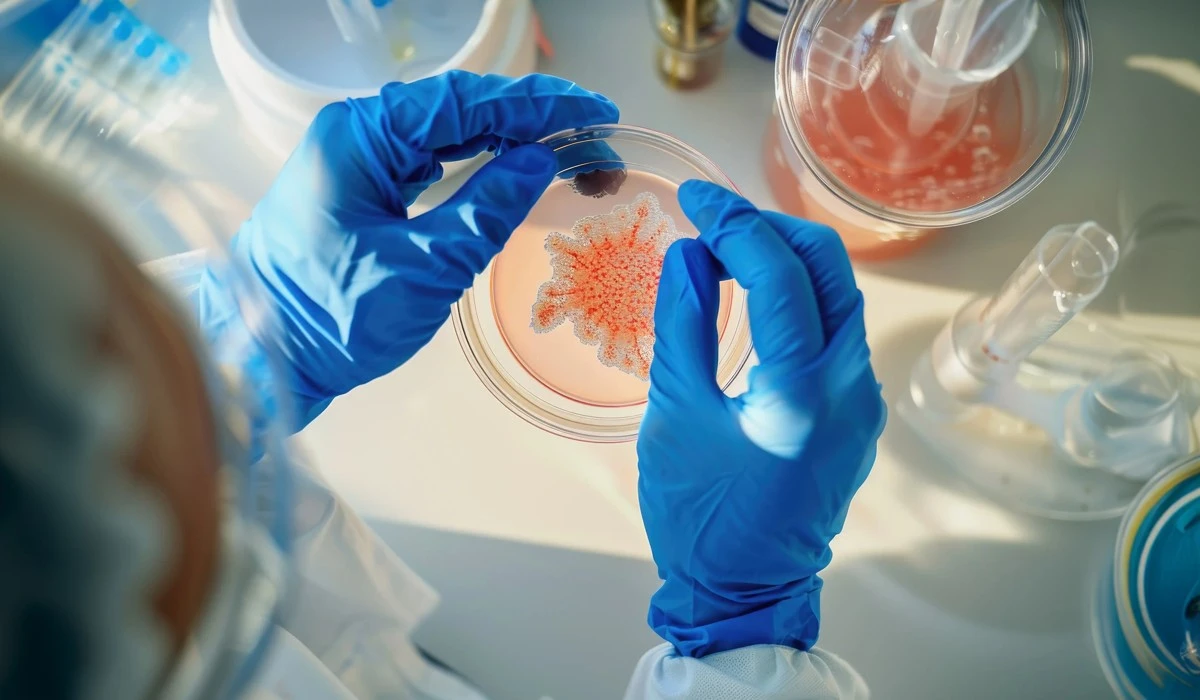
We walk over the greatest medical lab on earth every single day. One teaspoon of forest soil contains miles of fungal filaments. These organisms fight for space by creating powerful chemicals. Scientists call the study of these life forms Mycology.
Most of these fungi remain unnamed and unstudied. We currently miss out on cures because we cannot identify the species right under our boots. Rigorous fungal taxonomy research provides the map for this biological resource. It helps doctors find the next generation of cancer-fighting compounds, identifying exactly which fungus makes which medicine.
According to a report by PMC11687528, the earth holds millions of fungal species, but the actual range is estimated at 2.2 to 3.8 million, meaning researchers only know between 3% and 8% of existing species. This knowledge gap obscures molecules that could save millions of lives. Naming and sorting these organisms opens a door to new treatments. This post examines how the study of fungi changes the way we treat cancer.
The Unseen Pharmacy Within Modern Mycology
Mycology has changed from a hobby into a high-tech science. Early researchers only looked at how mushrooms appeared to the naked eye. Today, experts look at the secondary metabolites these organisms produce. These are chemicals the fungus uses to defend its territory or communicate with other species.
Beyond Penicillin: A New Period of Finding
Research published in PMC11749308 indicates that fungi provided penicillin, a breakthrough that significantly changed the treatment of bacterial infections and saved millions of lives. Currently, researchers look for compounds that kill bacteria but also perform other functions. They seek metabolites that stop human tumour cells from growing. This shift moves the focus from general antibiotics to specific anti-tumour metabolites.
Scientists study how these chemicals interact with human cells. Readers often wonder: how do fungi help fight cancer? According to research in PMC7826851, certain fungal compounds work through the modulation of the immune system, specifically by encouraging the expression of genes that code for immune response proteins. Further studies in MDPI indicate these metabolites also work by starting apoptosis, which is the programmed death of malignant cells. This process effectively tells the cancer to destroy itself without harming the rest of the body.
Work published in MDPI 122/24/13/11184 explains that fungal genomes contain groups of genes called Biosynthetic Gene Clusters (BGCs). These clusters, according to a report in Database (Oxford), are located on chromosomes and encode for secondary metabolites by grouping enzymes that manage various chemical synthesis steps. The MDPI study further notes that many of these compounds remain inactive or "orphan" in laboratory settings. Researchers must use fungal taxonomy research to activate these genes and see what medicines they can produce.
How Fungal Taxonomy Research Identifies Bioactive Compounds
Identifying a fungus correctly is the most vital step in drug finding. Fungal taxonomy research ensures that a scientist in one country can find the exact same organism as a scientist in another. Without this system, the search for cures would be a guessing game.
Accuracy Identification as a Driver for Cure
Accuracy prevents "lost in translation" errors. Two mushrooms might look identical under a microscope but have completely different chemical profiles. One might contain a life-saving molecule, while the other produces a toxin. Precision naming allows researchers to return to the same species every time they need to collect a specific compound.
As explained in PMC3359808, scientists in the past gave different names to the sexual and asexual stages of the same fungus. The paper notes that modern rules now require a single name for one fungus. This change helps pharmacologists track medical leads through global databases without getting confused by old aliases.
The Role of Genomic Mapping in Classification
According to a study in PNAS, researchers utilise the Internal Transcribed Spacer (ITS) region of DNA as a universal barcode for identifying fungi. This genetic fingerprint lets us see the difference between species that look the same. These "cryptic species" often hold the key to new bioactive compounds that we previously overlooked.
The Case of Endophytic Fungi and Tumour Suppression
Some of the best cancer fighters live inside other plants. These organisms, called endophytes, live in the leaves and stems of trees. They form a partnership with their host. The fungus provides chemical protection, and the plant provides a home.
Living Within the Cure
As noted in a historical 1993 report, the finding of Taxol in the fungus Taxomyces andreanae from the inner bark of the Pacific yew tree supported this idea. However, recent analysis in ScienceDirect indicates that while this fungus was the first presumed source, the ability of endophytes to produce the drug remains a subject of debate, and sustainable production has not yet been achieved. This finding sparked a global rush to find more endophytic life through fungal taxonomy research.
A common question in the field is: which mushrooms are used in cancer research? While Reishi and Turkey Tail are famous for immune support, researchers are currently screening thousands of rare soil and endophytic fungi for aggressive tumour-shrinking properties. These unseen fungi often produce chemicals that block the enzymes cancer cells use to repair their DNA.
Research published in PubMed highlights that these endophytes produce toxins like Illudin S. While raw Illudin S is too toxic for humans, scientists modified it to create Irofulven, a novel antitumor agent. This drug has entered clinical trials to treat advanced pancreatic cancer. This proves that even "poisonous" fungi hold the potential for healing when studied correctly.
Why Specialised Fungal Taxonomy Research Is Increasing Cure Rates
Productivity is the biggest benefit of high-level Mycology. Knowing the family tree of a fungus allows scientists to predict where to find similar chemicals. If one species in a family produces a helpful molecule, its cousins likely do as well.
Streamlining the Drug Finding Pipeline
Knowing the evolutionary history of an organism acts like a cheat code for scientists. It allows them to skip millions of unhelpful species and focus on the most promising relatives. This targeted search saves years of laboratory work and millions of dollars in research costs.
A vital question for the medical community is: why is fungal taxonomy important for medicine? Proper classification ensures that researchers can reliably source and replicate the exact chemical profiles needed for stable, life-saving pharmaceuticals. If the taxonomy is wrong, the drug might not work the same way in the next batch.
Identification through fungal taxonomy research allows fungi to grow quickly in large tanks. We can produce large amounts of medicine in days. This is much faster than waiting years for a medicinal plant to grow in the wild.
Mycology in the Lab: Modern Bio-Screening Techniques
The path from a forest floor to a pharmacy shelf is long. It begins with a mycologist collecting a sample. According to ScienceDirect, the sample then goes through a process called Bioassay-Guided Fractionation, where bioassays guide the separation of fungal extracts into different parts to find the exact molecule that kills cancer.
From Forest Floor to High-Throughput Screening
Robots now help with this task. High-throughput screening allows labs to test thousands of fungal samples against cancer cells in a single day. However, the data is only useful if we know the name of the fungus. This is where fungal taxonomy research connects field work to high-tech medicine.
As described in Frontiers in Fungal Biology, researchers use High-Resolution Mass Spectrometry to create "molecular networks" for analysing data. The study notes they compare the chemical fingerprints of new fungi against community-acquired reference libraries of spectra to identify brand-new compounds. These tools make the search for cancer cures faster and more accurate than ever.
The Future of Mycology in Personalised Oncology
The next step in cancer care involves "designer fungi." We are moving toward a period where we can edit fungal genes to create custom drugs. This uses the natural capability of the fungus but improves it for human health.
Designer Fungi and Synthetic Biology
As discussed in a review in PMC7373726, scientists are investigating fungal extracellular vesicles, which are tiny bubbles the fungus releases that could serve as vehicles for delivering active molecules. We can engineer these bubbles to carry chemotherapy directly to a tumour. This reduces the side effects of the treatment because the drug only hits the cancer cells, not the healthy ones.
Personalised medicine also looks at how fungal compounds interact with specific pathways. For example, compounds from the Phellinus genus block the NF-κB pathway. Cancer cells use this pathway to avoid dying. Blocking the pathway allows the fungal medicine to let the body’s natural systems clear the tumour away.
Protecting Fungal Biodiversity to Secure Future Cures
We are in a race against time. Habitat loss destroys thousands of fungal species before we even name them. Each extinct fungus could have been a cure for a terminal disease. Protecting biodiversity is a medical necessity.
Conservation as a Medical Necessity
The National Cancer Institute (NCI) keeps a repository of over 30,000 fungal extracts. These are all categorised through fungal taxonomy research. This library is a backup for humanity. If we lose the forests, we still have the samples, but we must protect the living world to find more.
Only about 5% of the world’s fungi have names. The remaining 95% represent a massive gap in our medical knowledge. Protecting a forest protects a potential breakthrough. Supporting the scientists who sort and name these species is an investment in our own health.
A New Period for Mycology and Medicine
Mycology has moved from the forest floor to the centre of the medical world. We now see fungi as complicated chemical factories capable of solving our most difficult health challenges. Identifying these organisms through DNA and chemistry reveals tools that the human mind could never invent on its own.
Each success in fungal taxonomy research brings us closer to a scenario where cancer is a manageable or curable condition. We must continue to map the fungal kingdom with precision and care. The cures for our future are already growing beneath our feet. We simply need to keep looking, naming, and learning from the world of fungi.
Recently Added
Categories
- Arts And Humanities
- Blog
- Business And Management
- Criminology
- Education
- Environment And Conservation
- Farming And Animal Care
- Geopolitics
- Lifestyle And Beauty
- Medicine And Science
- Mental Health
- Nutrition And Diet
- Religion And Spirituality
- Social Care And Health
- Sport And Fitness
- Technology
- Uncategorized
- Videos

