
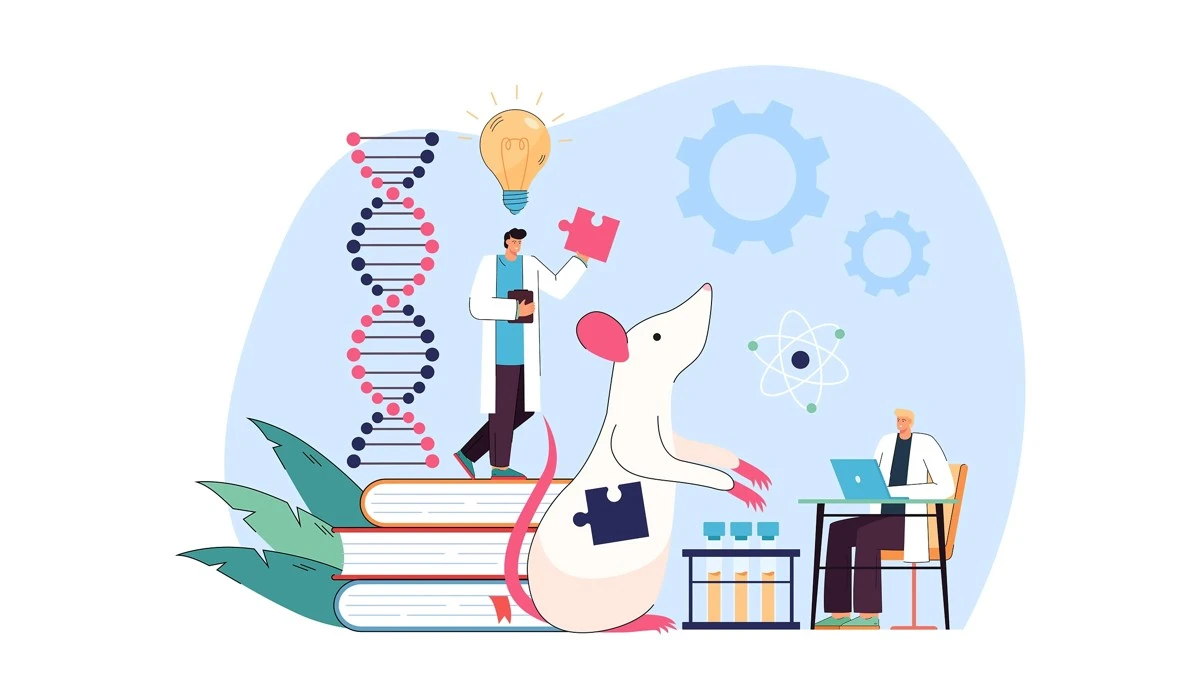
Longevity Science And The Cellular Decay Battle
Most people think a birthday marks a year of aging. You blow out the candles, and you are officially one year older. In reality, your body runs on its own schedule. Some fifty-year-olds have the heart and lungs of a thirty-year-old. Meanwhile, some people in their twenties struggle with the joints of a senior citizen. This gap exists because our cells ignore the calendar. They respond to the damage they accumulate and the signals we send them through our daily habits.
Longevity Science now allows us to look past the calendar. We finally see why one person stays vibrant while another fades. This field changes how we treat our bodies. It turns a "fixed" decline into a process we can actually influence. When we understand how our cells perceive time, we gain the power to slow down the clock from the inside. We no longer have to accept aging as a one-way street toward frailty.
The Biological Clock: Understanding the Bases of Longevity Science
Your driver's license tells one story, but your cells tell another. Longevity Science focuses on this distinction. According to a report in Innovation in Aging, the field prioritizes "healthspan"—the number of years you live in peak condition—over mere lifespan. The publication explains that the "Geroscience Hypothesis" suggests that by targeting root cellular processes, it is possible to delay age-related diseases and extend years spent free of frailty.
Chronological vs. Biological Age
Chronological age counts the trips you have made around the sun. It is a simple, unchangeable number. Biological age measures the actual state of your organs, tissues, and immune system. High-performers often keep their biological age ten or fifteen years below their actual age. When they track biomarkers, they can see how fast their systems are wearing down.
Epigenetic Clocks and Methylation
Dr. Steve Horvath changed the field in 2013 with the "Horvath Clock." This test measures DNA methylation. You can think of methylation as a variety of tiny dimmer switches on your genes. Some switches turn on helpful, youthful genes. Others dim them down as we get older. When these switches get stuck in the wrong positions, we age faster. Research published in Aging (Albany, NY) notes that measuring these marks helps us achieve cellular aging delay because DNA methylation-based biomarkers act as reliable estimators of an individual's biological status. This information shows us which habits flip the switches back to a youthful setting.
Dr. David Sinclair calls this the "Information Theory of Aging." He believes cells age because they lose the ability to read their original instructions. They forget their identity and stop functioning correctly. Longevity Science aims to help cells remember how to act young again.
Cellular Aging Delay: Slowing the Decay at the Source
When we look to stay young, we must examine the "Hallmarks of Aging." These are the specific ways our bodies break down at the microscopic level. As detailed in the journal Bone Research, a major hallmark is the buildup of "zombie cells" that stop dividing but refuse to die, lingering to release pro-inflammatory chemicals that damage healthy neighbors.
The Role of Senescent Cells
Scientists call these zombie cells "senescent cells." Research in Frontiers in Cell and Developmental Biology indicates that they create an environment that can hinder tissue repair and contribute to organismal aging. While some research explores how plant molecules might manage these cells, a study in Pharmacological Research found that Quercetin and Q3G do not act as senolytics in primary human endothelial cells. Identifying ways to manage these "zombies" is a primary goal for anyone seeking a cellular aging delay, as it allows fresh, healthy cells to thrive without constant interference.
Telomere Maintenance and Mitochondrial Health
Research published in MDPI Genes clarifies that telomeres are the natural protective caps at the ends of your chromosomes. Think of them like the plastic tips on shoelaces. As noted in Frontiers in Oncology, these caps get shorter gradually with every cell division in human somatic cells. If they get too short, the cell stops working or dies. This is the "Hayflick Limit," which sets a natural ceiling on how many times our cells can refresh themselves.
The journal Mitochondrion emphasizes that mitochondria also play a massive role as the vital organelles that provide energy for muscle function. When they fail, your energy drops, and your cells can no longer repair themselves. Can you actually reverse your biological age? While you cannot change the year you were born, research into longevity science published in the Journal of Proteome Research suggests that specific lifestyle interventions can improve biomarkers, such as IgG glycosylation, to make your biological age significantly younger than your chronological one. If you protect these powerhouses, you keep your internal energy levels high and your tissues resilient.
Modern Lifespan Extension Protocols: From Lab to Living Room
We no longer have to wait for an easy fix to start living longer. Many effective lifespan extension protocols are available right now. Most of these strategies involve "hormesis." This is a biological concept where small amounts of stress make the body stronger. Just as lifting a heavy weight builds muscle, exposing your cells to brief challenges forces them to repair themselves.
Intermittent Fasting and Autophagy
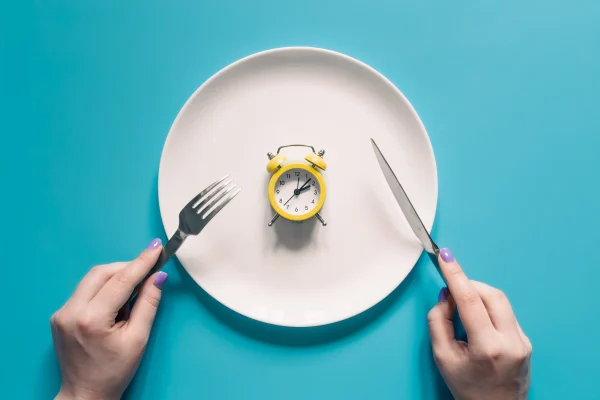
Fasting is one of the most studied lifespan extension protocols. As explained in the journal Cells, the word autophagy literally means "self-eating" and refers to a cellular degradation process. The Cleveland Clinic notes that during this process, your cells identify broken proteins and damaged parts to break them down and recycle them into new, healthy components. This cellular "spring cleaning" keeps your systems running productively and prevents the buildup of metabolic trash.
Hormetic Stressors (Heat and Cold Exposure)
Saunas and ice baths also cause protective genes to act. Research in Nutrients explains that high heat stimulates "Heat Shock Proteins," which act like molecular chaperones involved in folding nascent proteins and refolding denatured ones. This prevents the protein clumps associated with many brain diseases. A study in Frontiers in Physiology indicates that cold exposure activates "brown fat," which burns calories to create heat and can improve insulin sensitivity through increased glucose uptake.
Nutritional Strategies in Longevity Science
What you eat sends a direct signal to your aging pathways. Two of the most important pathways are mTOR and AMPK. The mTOR pathway controls growth. When it stays "on" all the time, cells grow too fast and accumulate damage. The AMPK pathway controls energy. When you activate AMPK, you tell your body to burn fat and repair its internal structures.
NAD+ Boosters and Sirtuin Activators
Research in the Journal of Advanced Research defines NAD+ as a coenzyme found in every living cell that is essential for energy production and repairing DNA, noting that levels drop as we age. As reported in Integrative Medicine, our NAD+ levels unfortunately plummet to about half that of our youth by middle age. Work published in Genes & Development adds that higher NAD+ levels fuel "Sirtuins," a family of seven proteins that act as the guardians of the genome. They keep your DNA stable and your mitochondria healthy.
Precision Nutrition and Glycemic Control
Stable blood sugar is a necessary part of any cellular aging delay strategy. The Journal of Nutrition explains that when blood sugar spikes, glucose sticks to proteins in a process called "glycation," creating "Advanced Glycation End-products," or AGEs, which contribute to arterial stiffness. These compounds stiffen your arteries and wrinkle your skin. What are the best supplements for living longer? Commonly studied compounds include NMN, resveratrol, and spermidine, though these should always be used as part of broader longevity science frameworks. When you use tools like Continuous Glucose Monitors (CGMs), you can see exactly which foods cause these damaging spikes.
Movement as Medicine for Cellular Vitality
Exercise changes your cellular environment in addition to burning fat. Not all exercise is equal when it comes to longevity science. We need a mix of aerobic capacity and raw strength to protect our bodies from the passage of time.
Zone 2 Cardio and Mitochondrial Density
"Zone 2" training refers to steady-state exercise where you can still hold a conversation. This specific intensity forces your mitochondria to become more productive. It increases the number of mitochondria in your muscle cells. This higher "mitochondrial density" allows your body to burn fat more effectively and produce more energy with less waste. This is a key element of any effective lifespan extension protocol routine.
Resistance Training for Hormonal Health
Muscle mass is one of the strongest predictors of a long life. As we age, we naturally lose muscle in a process called sarcopenia. Resistance training fights this decline. It keeps your bones strong and your hormones balanced. Muscle also acts as a "metabolic sink" for glucose. The more muscle you have, the easier it is for your body to manage blood sugar and avoid the damage caused by glycation.
The Role of Sleep and Stress Management in Longevity Science
You cannot find a shortcut out of poor recovery. Sleep is the time when your body performs its most important maintenance. Without deep rest, your internal clock begins to accelerate. Stress acts as a corrosive force that eats away at your cellular integrity over time.
Deep Sleep and the Glymphatic System
During deep sleep, your brain activates the "glymphatic system." Think of this as a dishwasher for your head. Cerebrospinal fluid flows through the brain and flushes out metabolic waste, including proteins linked to Alzheimer's disease. How much sleep do you need for longevity? Most longevity science experts recommend 7 to 9 hours of quality sleep to ensure the body can perform DNA repair and metabolic regulation. Skipping sleep prevents this cleaning process and leads to rapid cognitive aging.
Cortisol Management and Cellular Integrity
Chronic stress keeps your cortisol levels high. Constant cortisol exposure shortens your telomeres and weakens your immune system. It keeps your body in "fight or flight" mode, which diverts energy away from cellular repair. Practicing mindfulness or breathwork is not just about feeling calm; it is about signaling to your cells that it is safe to invest in long-term maintenance rather than immediate survival.
The Future of Longevity Science: AI and Personalized Medicine
We are entering a period of "Longevity Escape Velocity." This is the point where medical science extends our life expectancy by more than one year for every year we live. Artificial intelligence is accelerating this process by analyzing massive amounts of biological data.
Biomarker Tracking and Wearable Tech
We no longer have to guess if our habits are working. Wearable devices track heart rate variability, sleep stages, and activity levels in real-time. New tests like "GlycanAge" look at the sugar molecules on your immune cells to measure systemic inflammation. This data allows for highly personalized lifespan extension protocols. You can see exactly how a specific food or a late night affects your biological age.
Gene Editing and Regenerative Medicine
The next frontier involves directly changing our biology. Technologies like CRISPR allow scientists to edit genes that contribute to aging. Stem cell therapies aim to regrow damaged tissues and organs. While some of these treatments are still in the lab, they represent the ultimate goal of Longevity Science: the ability to repair the human body like a machine, replacing worn-out parts with new ones.
Rewriting Your Biological Narrative with Longevity Science
Aging is no longer a mystery we must simply endure. We now understand the specific pathways that govern how fast we decline. When you use Longevity Science, you can take control of your health at the cellular level. While this does not ensure immortality, it provides the opportunity to live better for much longer.
Every choice you make either speeds up or slows down your internal clock. When you prioritize deep sleep, move your body daily, and use smart lifespan extension protocols, you change your biological future. You move away from a life of reactive medicine and toward a life of proactive vitality. Start with one or two changes today. Whether you focus on cellular aging delay through fasting or improving your mitochondrial health through exercise, your future self will thank you for the investment.
Recently Added
Categories
- Arts And Humanities
- Blog
- Business And Management
- Criminology
- Education
- Environment And Conservation
- Farming And Animal Care
- Geopolitics
- Lifestyle And Beauty
- Medicine And Science
- Mental Health
- Nutrition And Diet
- Religion And Spirituality
- Social Care And Health
- Sport And Fitness
- Technology
- Uncategorized
- Videos

