
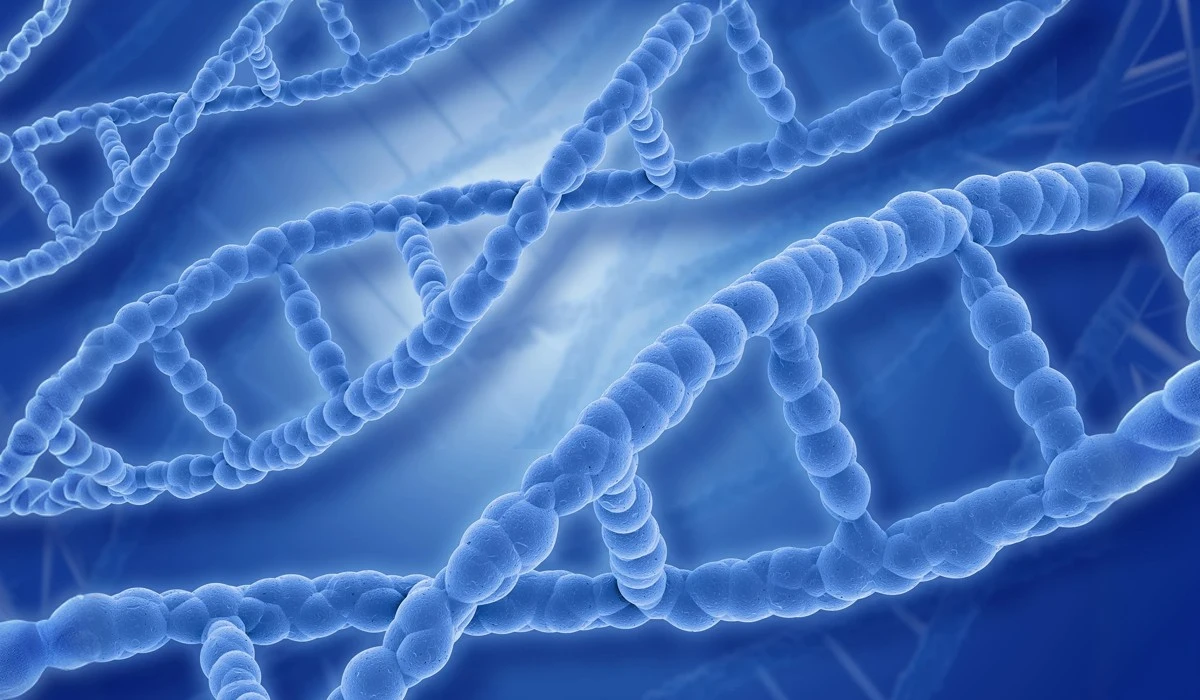
How The Telomere Effect Stops Cellular Decay
Imagine your DNA as a shoelace. Every time your cells divide, the plastic tip at the end of that lace wears down. Once the tip disappears, the lace begins to fray. This process determines how fast your skin wrinkles, how quickly your memory fades, and how long your heart stays strong. Biological age is dictated by cellular health rather than a birth certificate.
This biological countdown happens inside every person right now. It governs the speed of your physical decline. Most people ignore these protective caps until their health fails. However, you can influence this process through your daily choices. With an understanding of the Telomere Effect, one gains the power to slow down the clock. You can actually protect your genetic code from the wear and tear of time.
What are Telomeres?
Telomeres consist of a specific molecular string. They contain the repetitive non-coding DNA sequence TTAGGG. In a healthy human, this sequence repeats between 3,000 and 15,000 times. These repeats act as a buffer. They ensure that the cell copies the important genetic data without losing vital information.
Think of these as the bumpers on a bowling lane. They keep the ball—your genetic instructions—on the right track. According to Nobel Prize documentation, Elizabeth Blackburn, Carol Greider, and Jack Szostak identified these processes during their research. Their work on how these caps protect chromosomes earned them the 2009 Nobel Prize, demonstrating that life depends on how well these genetic endings are maintained.
How the Telomere Effect Shields Your Genetic Code
The Telomere Effect dictates the stability of your entire body. Every time a cell splits, the DNA polymerase enzyme tries to copy your genetic map. However, research published in PubMed Central indicates that chromosomes shorten during replication because the end-replication problem prevents the enzyme from fully copying the very end of the lagging DNA strand. This leaves a tiny gap of roughly 50 to 100 base pairs during every single division.
Without telomeres, the cell would lose actual genes during this process. Can you actually lengthen your telomeres? As explained in Nobel Prize documentation, stabilizing and even extending these caps is possible through the activation of an enzyme called telomerase. As noted in research from PubMed Central, this ribonucleoprotein enzyme uses an internal RNA template to synthesize new TTAGGG repeats, effectively patching the "gap" left behind by cell division.
The Hayflick Limit
Cells cannot divide forever. In 1961, Leonard Hayflick found that human fetal cells have a strict limit. They can only divide about 40 to 60 times. Once the telomeres reach an extremely short length, the cell reaches the "Hayflick Limit." It simply stops functioning as a youthful unit.
This threshold acts as a safety switch. It prevents cells with damaged DNA from multiplying and turning into tumors. While this protects you from cancer in the short term, it also drives the physical symptoms of aging. Your body loses the ability to refresh its tissues once enough cells hit this wall.
When Cells Stop Dividing
As telomeres vanish, the cellular senescence process begins. During this stage, cyclin-dependent kinase inhibitors like p16INK4a and p21 take over. These molecules pull the emergency brake on the cell cycle. The cell enters a state of permanent "sleep" where it no longer divides but refuses to die.
Scientists often call these "zombie cells." They undergo a physical transformation, becoming enlarged and flattened. They also start secreting pro-inflammatory chemicals. Even if these cells only make up 10% of a tissue, they can poison the healthy cells nearby. This creates a cycle of inflammation that ages your organs from the inside out.
Measuring Your Biological Youth
Researchers now use telomere length aging as a high-tech yardstick for health. Humans usually enter the world with telomeres about 11,000 base pairs long. Research published in PubMed Central indicates that telomere length in healthy individuals decreases at a rate of approximately 20 to 60 base pairs every year through normal living.
The measurement process involves a test called qPCR. This method calculates the T/S Ratio. It compares the telomere repeat copy number to a single-copy gene. A higher ratio indicates a younger biological age. This number tells you more about your future health than the candles on your birthday cake.
The Impact of Shortened Telomeres on Vitality
Short telomeres are warning signs for serious diseases rather than simply indicators of wrinkles. People with the shortest caps face a 3x higher risk of heart diseasev. They also face an 8x higher risk of dying from infectious diseases. This happens because the immune system relies on rapid cell division to fight off invaders.
What happens when telomeres get too short? When telomeres reach a critical minimum, the cell initiates the cellular senescence process or simply dies. This depletion of healthy cells leads to thinning skin, weakened bones, and a sluggish brain. Keeping your telomeres long ensures your body stays resilient against the stresses of the world.
Movement as Medicine
Physical activity directly affects how your cells age. Research published in PubMed Central suggests that endurance exercise and high-intensity interval training (HIIT) provide the most effective results, as these forms of exercise boost telomerase activity by two to three times. The study also found that HIIT and endurance running increase telomere length, whereas resistance training does not produce the same results.
Regular movement clears out the oxidative stress that eats away at your DNA. It keeps the Telomere Effect working in your favor. Even 30 minutes of brisk walking five days a week helps maintain the integrity of your chromosomes. You are literally moving your way to a younger version of yourself.
The Longevity Diet

What you eat either feeds your telomeres or destroys them. A study of over 5,000 adults found a shocking connection between soda and aging. Drinking 20 ounces of sugary soda daily adds 4.6 years of biological aging to your cells. This damage matches the consequences of a regular smoking habit.
Focus on anti-inflammatory foods instead. Omega-3 fatty acids found in fish oil correlate with a 32% reduction in telomere shortening. According to the National Heart, Lung, and Blood Institute, individuals with the highest levels of Vitamin D show a difference in telomere length equivalent to 5.0 years of cellular aging compared to those with the lowest levels.
Quality Sleep and DNA Repair
Your body repairs its DNA while you sleep. Research in PubMed Central indicates that men who sleep five hours or less have telomeres that are on average 6% shorter than men who sleep more than seven hours. Deep sleep provides the perfect environment for telomerase to function. Without enough rest, your cells never get the chance to patch the fraying ends of their shoelaces.
Cortisol and Chromosomes
Chronic stress acts like acid on your telomeres. Dr. Elizabeth Blackburn and Dr. Elissa Epel studied mothers caring for chronically ill children. Research published in PubMed found that these high-stress women had telomeres equivalent to ten years of additional aging. The hormone cortisol is the primary culprit.
High cortisol levels actively block the telomerase enzyme. When you feel constantly under pressure, your body stops repairing its DNA endings. This shift accelerates telomere length aging and brings on the diseases of old age much sooner. Your perception of stress determines the health of your genome.
Resilience and Mindfulness
You can protect your cells through changes to how you handle pressure. A UCLA study showed that a 12-minute daily chanting meditation called Kirtan Kriya increased telomerase activity by 43%. This happened in just eight weeks. Mindfulness lowers the chemical signals that tell your cells to stop growing.
Developing a "challenge" mindset rather than a "threat" mindset also helps. When you see stress as a manageable hurdle, your cortisol stays lower. This mental shift keeps the Telomere Effect active. It allows your cells to maintain their youthful protective tips even during hard times.
Avoiding Toxins and Pollutants
The world around you influences your internal clock. Exposure to fine particulate air pollution, known as PM2.5, leads to rapid telomere loss. Research in PubMed Central indicates that heavy metals like lead and cadmium cause similar damage, with high urine cadmium levels specifically associated with shorter telomere lengths.
Living in green spaces or using air purifiers can mitigate this risk. Is the telomere effect reversible? Through improvements to your environment and lower oxidative stress, research suggests that the rate of shortening can be slowed. While you cannot grow back decades of loss instantly, you can stop the bleeding and support your current cell health.
The Power of Social Connection
Your relationships affect your DNA. While a review in PubMed Central found no significant relationship between social support and telomere length, other research in the same database notes that lonelier individuals often have shorter telomeres, as isolation and loneliness act as biological stressors that initiate the cellular senescence process. On the other hand, feeling safe and connected in your community provides a buffer. It signals to your cells that the environment is safe for continued growth and repair.
The Role of Telomerase Activators
Scientists are currently searching for ways to turn the telomerase enzyme back on. Some supplements and experimental drugs aim to do this directly. These "activators" could theoretically rebuild the ends of our chromosomes. However, we must use caution.
As noted in research from PubMed Central, telomerase is active in approximately 85% to 90% of human cancers, allowing those cells to bypass normal cellular limits and become immortal. The goal of biohacking the Telomere Effect is to find a balance. We want to keep healthy cells young without giving cancer cells a chance to grow forever.
Personalized Longevity
In the future, everyone might track their telomeres as easily as they track their steps. Knowing your telomere length aging rate allows you to customize your lifestyle. If your T/S ratio drops, you know you need more sleep or better food. This data gives you the ultimate control over your biological destiny.
Understanding the Telomere Effect for a Longer Life
Your health depends on the tiny caps at the end of your DNA. These molecular structures decide when your cells thrive and when they fall into decay. Through a focus on the Telomere Effect, you address the cause of aging rather than the symptoms. You can choose to eat better, move more, and stress less to preserve your genetic heritage.
The cellular senescence process does not have to happen prematurely. You hold the tools to maintain your vitality for decades. Small changes in your daily routine add up to thousands of preserved base pairs. Take care of your telomeres today, and your body will remain resilient and youthful for years to come.
Recently Added
Categories
- Arts And Humanities
- Blog
- Business And Management
- Criminology
- Education
- Environment And Conservation
- Farming And Animal Care
- Geopolitics
- Lifestyle And Beauty
- Medicine And Science
- Mental Health
- Nutrition And Diet
- Religion And Spirituality
- Social Care And Health
- Sport And Fitness
- Technology
- Uncategorized
- Videos

