
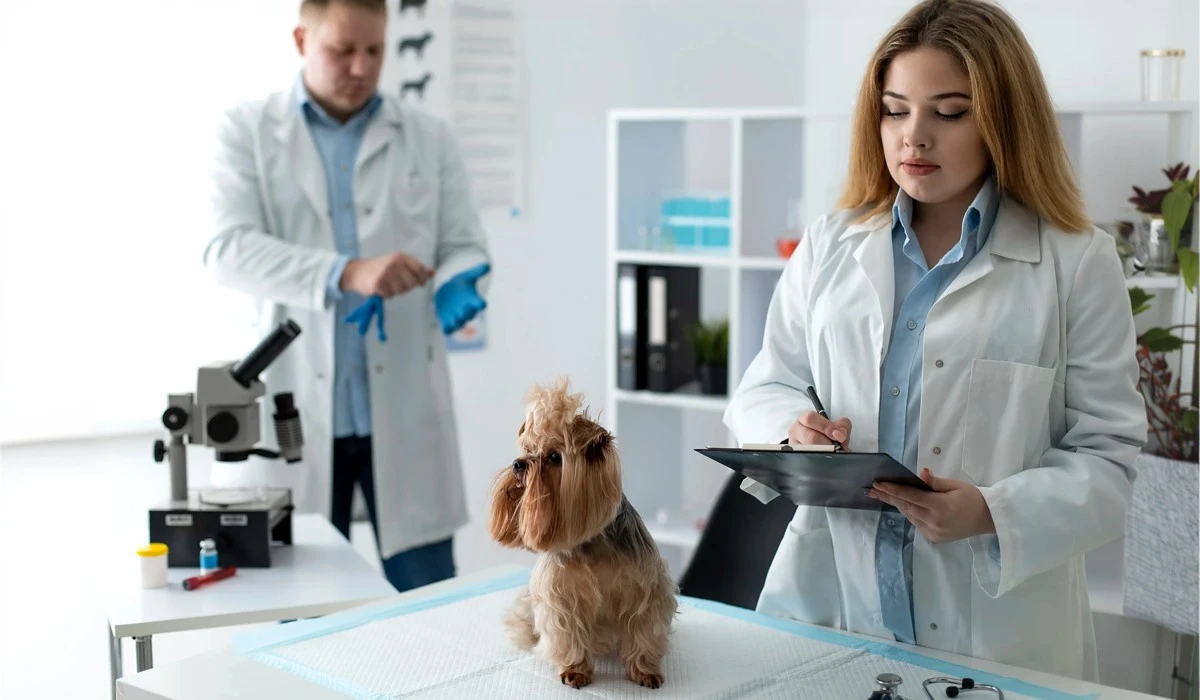
How Bioveterinary Science Solves Disease Gaps
A single sick cow in a herd of a thousand often signals a disaster already in progress. When a farmer finally notices a limp or a cough, a pathogen has already hijacked millions of cells. Scientists do not wait for these obvious symptoms to appear. They look at the tiny biological gears that turn inside a living body to find trouble early. Bioveterinary Science acts as the bridge between basic biology and the clinic. It moves the focus from the waiting room to the laboratory. Experts in this field study animal disease pathology to stop outbreaks before they start. They decode the chemical signals that tell a body to fail or fight. This work saves millions of animals and protects human health from the next big threat. We are moving away from guessing why animals get sick. We are moving toward knowing exactly how to stop it.
The Molecular Foundation of Bioveterinary Science
Bioveterinary Science looks at life at a microscopic level to find the root causes of illness. Researchers analyze how cells change when a virus or bacteria enters the body. They use these changes to build a map of the infection. According to a report in ScienceDirect, Rudolf Virchow established the idea of cellular pathology in 1858. He argued that disease happens because of a biological breakdown at the cellular level. This principle remains the basis of modern research today.
Scientists also study pathogenesis to understand how a disease develops. This process tracks a pathogen from the moment it enters the body until the final outcome. As noted in research published by PMC, researchers use Koch’s Postulates to identify the specific cause of a sickness. They isolate an organism and grow it in a pure culture to prove it is the source of the disease. This method removes guesswork and provides a clear target for treatment.
Decoding Cellular Abnormalities
Researchers analyze tissue changes to understand the mechanics of animal disease pathology. They look for specific patterns of cell death or growth. For example, when studying Feline Infectious Peritonitis, researchers look at cell-signaling proteins. These proteins show why an immune system overreacts and causes dangerous inflammation.
Genetic Mapping and Disease Resistance
Identifying specific genes helps predict which breeds are most at risk for chronic conditions. Bioveterinary Science uses comparative genomics to study these risks. According to the ILAR Journal, dogs and humans share similar genetic mutations for certain diseases. The study suggests that analyzing bone cancer in dogs helps scientists understand the same cancer in humans because dogs provide a relevant model for the condition. This shared data helps create better prevention plans for both species.
Diagnostic Breakthroughs and Precision Pathology
Modern technology has moved beyond the simple stethoscope. Researchers now use molecular-grade tools to find answers that symptoms alone cannot provide. These tools allow for a level of accuracy that was impossible twenty years ago. What is the difference between bioveterinary science and veterinary medicine? While veterinary medicine focuses on the clinical treatment of individual animals, bioveterinary science centers on the laboratory research and biological principles that make those treatments possible.
New tools allow scientists to see a disease before the animal feels any pain. This early warning system saves entire herds from infection. It also reduces the cost of care for pet owners. Early detection of the problem allows doctors to use less aggressive treatments. This precision changes the way we think about animal health.
The Power of PCR and Microarray Testing
Research from MedlinePlus indicates that Polymerase Chain Reaction (PCR) allows scientists to find tiny amounts of viral DNA, even when very few pathogens are present in the body. As reported in PMC, this tool detects pathogens like Foot-and-Mouth Disease one to two days before the physical appearance of characteristic lesions. As explained in Nature, microarray testing also helps by screening for the expression of thousands of genetic markers at once. These tests provide a high-definition view of the health of an animal population.
Advanced Imaging and Histopathology
MRI and digital staining allow scientists to visualize the progression of animal disease pathology in real-time. According to research published in PubMed, pathologists use Hematoxylin and Eosin staining, which is considered the foundation of anatomical pathology diagnosis, to see cellular abnormalities under a microscope. They also use digital scanners to turn tissue slides into data. This allows experts from around the world to collaborate on a single case instantly.
Eradicating Outbreaks Through Vaccine Innovation
Studying animal disease pathology leads directly to life-saving vaccines. Researchers use reverse genetics to build viruses in a lab. This helps them find which genes cause the most harm. According to a study in PubMed, they use this technology to create safer, inactivated, or live attenuated versions of the virus to train the animal's immune system. This method creates long-term immunity for pets and livestock.
Vaccines also protect the economy. The World Organisation for Animal Health (WOAH) reports that in 2011, scientists officially eradicated Rinderpest. This was the second infectious disease in history, after smallpox, to disappear because of human effort. Mass vaccination and rigorous surveillance made this possible. Today, researchers use DIVA vaccines to differentiate between infected and vaccinated animals. This allows farmers to protect their herds without losing their ability to trade in international markets.
Protecting Global Health with the One Health Model
Bioveterinary Science serves as the first line of defense against diseases that jump from animals to humans. Data from the CDC shows that about 60 percent of all known human infectious diseases start in animals. This makes the study of animal health a requirement for human safety. How does bioveterinary science help human health? It identifies zoonotic threats like Rabies or Avian Flu at the source, allowing for the development of biosecurity measures that protect entire communities.
Researchers monitor sentinel species to catch "spillover" risks. Birds often carry West Nile Virus before it reaches people. When scientists track the health of these birds, they can warn the public of an upcoming threat. This proactive approach stops pandemics before they reach the city gates. It turns animal researchers into global health guardians.
Improving Livestock Yields and Food Security
Healthy farm animals ensure a stable food supply for the world. Identifying the pathology of agricultural diseases prevents mass culling and food shortages. For example, research into Bovine Spongiform Encephalopathy (BSE) changed the way we feed cattle. As noted by the CDC, scientists found that misfolded proteins called prions caused the disease. This finding led to new laws that keep the food chain safe.
Bioveterinary Science also helps farmers manage common infections more effectively. Researchers study how viruses like Swine Fever move through a barn. They use this data to design better housing and ventilation systems. These changes keep animals healthy and reduce the need for expensive medications. A healthy herd produces more food with fewer resources.
Safeguarding Wildlife and Endangered Species
Conservation relies heavily on the study of animal disease pathology. Researchers use non-invasive methods to monitor wild populations without disturbing them. Can you work in conservation with a bioveterinary degree? Yes, bioveterinary experts are essential in wildlife reserves to track environmental stressors and emerging pathogens that threaten biodiversity. They act as detectives for the natural world.
These scientists investigate sudden population collapses in the wild. When thousands of bats died from White-Nose Syndrome, pathologists found the cause. They identified a fungus that disrupts how bats hibernate. This information allowed conservationists to create better protection plans for bat caves. This science keeps the balance of nature intact.
Non-Invasive Surveillance Techniques
Scientists sample water or soil to detect the DNA of pathogens. This is called environmental DNA (eDNA) testing. Research published in PMC suggests it allows researchers to find a fungus or virus in a pond without needing to catch or isolate a single frog. This method provides a clear picture of the health of a whole area quickly and safely.
Combating Mass Die-Offs
When a large number of animals die suddenly, pathologists perform necropsies. They look for toxins or new viruses in the tissue. These investigations often reveal pollution or climate-related stressors. Finding these causes helps leaders make better rules to protect the environment and the animals living in it.
The Future of Bioveterinary Science and AI

The next decade of breakthroughs will involve artificial intelligence and big data. Computers can now scan thousands of digital slides in seconds. They find microscopic patterns that the human eye might miss. This technology helps grade tumors with extreme accuracy. It removes human error from the diagnostic process.
Predictive modeling also helps scientists forecast where the next animal disease pathology will emerge. AI looks at climate data and animal migration patterns to find "hot spots" for new viruses. This allows teams to move into an area and start testing before an outbreak begins. We are entering a period where we can prevent sickness before the first animal feels the effects.
Bioveterinary Science Solves the Biological Puzzle
Bioveterinary Science provides the tools we need to understand the living world. It moves beyond simple care and investigates the deep biological reasons why animals suffer. Through an understanding of animal disease pathology, researchers save pets, protect our food, and prevent human pandemics. This field turns laboratory data into real-world survival. It ensures that we stay one step ahead of the pathogens that share our planet. Science remains our best hope for a healthy future for every species.
Recently Added
Categories
- Arts And Humanities
- Blog
- Business And Management
- Criminology
- Education
- Environment And Conservation
- Farming And Animal Care
- Geopolitics
- Lifestyle And Beauty
- Medicine And Science
- Mental Health
- Nutrition And Diet
- Religion And Spirituality
- Social Care And Health
- Sport And Fitness
- Technology
- Uncategorized
- Videos

