
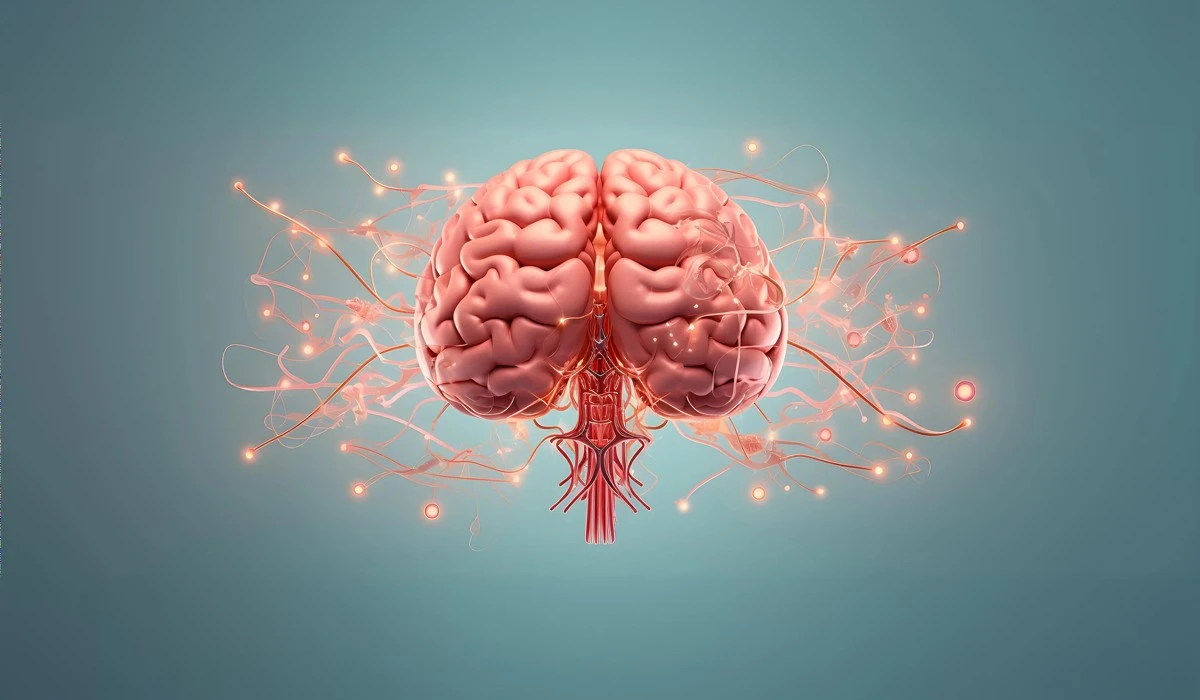
Brain Maturity Hits At Age Thirty Two
Biological Timekeeping: Neuroscience Rewrites the Timeline of Human Maturity
Society has long operated under the assumption that adulthood commences at eighteen, yet recent neurological evidence shatters this arbitrary legal boundary. A groundbreaking investigation by Cambridge University researchers suggests that biological maturity does not truly arrive until the fourth decade of life. By mapping the functional connectivity of the human mind, these experts identified five separate eras of development, pushing the definition of adolescence all the way to age 32. This revelation implies that many individuals navigating their twenties are biologically still in a state of developmental flux rather than settled maturity. The study analyzed data from approximately 4,000 subjects, ranging from infants to nonagenarians, to construct a precise map of how neural pathways evolve. These findings fundamentally challenge how educational systems, legal bodies, and healthcare providers view the human lifespan. We must now accept that the journey to a fully adult brain takes far longer than culture suggests.
Mapping the Connectome
To reach these conclusions, the scientific team utilized magnetic resonance imaging to visualize the connectome, which serves as the brain's internal wiring diagram. This complex web of synapses dictates how different regions of the cranium communicate and process information. While previous studies looked at brain volume or surface area, this project focused specifically on the efficiency and organization of signals. The sheer size of the dataset allowed the analysts to spot trends that smaller sample sizes previously missed. They discovered that the organization of these signals does not progress in a straight line from birth to death. Instead, the data revealed sharp turning points where the internal architecture shifts gear dramatically. These pivotal biological milestones occur at ages nine, 32, 66, and finally at 83. Each transition marks a fundamental change in how the organ operates, processes reality, and maintains its health.
The Chaos of Early Years
The initial developmental phase spans from the moment of delivery until the child reaches their ninth birthday. During this era, the brain prioritizes rapid expansion and the accumulation of sensory experiences over orderliness. Neurons fire wildly, creating a dense and somewhat messy forest of connections as the child absorbs the world around them. One might picture this stage as a traveler wandering through a dense city without a map, exploring every alleyway just to see what exists. The system builds an excess of pathways, valuing quantity over quality to ensure no potential learning opportunity slips away. However, this overabundance creates inefficiency. Signals must navigate a cluttered landscape, which explains why young children often struggle with executive functions like impulse control or complex planning. The biological goal here focuses on gathering raw data rather than refining it, setting the stage for the rigorous editing process that follows.
The Great Neural Pruning
Nature solves the problem of childhood inefficiency through a ruthless editing mechanism known as synaptic pruning. This biological process kicks in around age nine, marking the sudden entry into the second major life phase. The brain begins to systematically destroy weak or unnecessary connections while reinforcing the frequently used highways. This ensures that information travels faster and more directly between key regions. Neuroscientists compare this to a gardener trimming back an overgrown hedge to promote stronger, healthier branches. This massive reorganization represents the most significant structural shift the human mind undergoes after birth. While it boosts processing speed, this aggressive restructuring creates a period of volatility. The internal environment changes so rapidly that it can destabilize emotional regulation, leading to the mood swings and behavioral shifts typically associated with growing up. This necessary destruction paves the way for sophisticated adult reasoning.
The Extended Phase of Youth
Perhaps the most startling finding from the Cambridge report involves the duration of this second phase. The data proves that the volatile pruning and optimization process continues relentlessly until age 32. Culturally, we expect a 25-year-old to possess the stability of a fully formed adult, yet their biology tells a different story. They remain in a state of high plasticity, actively refining the long-range connections that link the emotional centers to the reasoning centers. Dr Alexa Mousley, who led the investigation, emphasized that the brain maintains this "under construction" status throughout the entire period of young adulthood. This extended timeline supports the sociological concept of "emerging adulthood," where people delay traditional milestones like marriage or homeownership. We can now attribute this social drift to a biological reality: the neural hardware simply requires more time to finish its final updates than we previously believed.
Vulnerability to Psychiatric Conditions
The protracted nature of this rewiring process helps explain why many severe psychological ailments surface during late adolescence and the twenties. The probability of developing conditions such as schizophrenia, bipolar disorder, and anxiety reaches its highest point during the nine-to-32 window. Because the brain is actively dismantling and rebuilding its internal infrastructure, the system becomes fragile. If the pruning mechanism cuts away too many connections—or fails to cut enough—the resulting network may misinterpret reality or struggle to regulate mood. Duncan Astle, a key member of the research group, noted that variations in how these wires connect directly forecast issues with memory, focus, and speech. Understanding this window of vulnerability allows medical professionals to shift their focus. instead of treating symptoms after they appear, doctors might eventually monitor connection health to predict and prevent onset during these critical decades.
The Prime of Cognitive Life
Upon reaching age 32, the brain completes its major construction work and enters its prime. The study pinpoints this age as the moment where neural efficiency hits its absolute peak. At this stage, the individual possesses a streamlined, high-speed network capable of complex problem-solving and robust emotional control. The long-range tracts connecting the frontal cortex to the rest of the brain function seamlessly, allowing for superior judgment and strategic thinking. This biological peak aligns perfectly with other cognitive research showing that humans often perform their best intellectual work in their thirties. The mind has shed the excess noise of childhood and stabilized the volatility of adolescence. For the first time, the system runs on a fully optimized operating system. This insight validates the subjective feeling many people report of finally feeling "together" or "on top of things" once they exit their twenties.

The Plateau of Maturity
Following the peak at 32, the human mind enters its longest distinct era, lasting a full 34 years until age 66. Researchers describe this period as a plateau of stability. Unlike the dramatic "fireworks" of the previous developmental stages, this phase involves maintenance and steady operation. The neural architecture remains largely consistent, providing the reliability required to raise families, build careers, and manage long-term responsibilities. While the brain retains some ability to adapt, the wild fluctuations of the past disappear. This biological steadiness mirrors the stabilization of personality traits and intelligence scores often observed in middle-aged adults. The network prioritizes efficiency and energy conservation, utilizing established pathways to navigate daily challenges. This era represents the "summer" of the lifespan, where the hard work of development yields a long season of productive, reliable function before the changes of later life begin to manifest.
Shifting Intelligence Models
During this long stable period, the nature of intelligence undergoes a subtle transformation. While raw processing speed—often called fluid intelligence—begins a very slow decline, the brain compensates by relying on crystallized intelligence. This refers to the vast library of knowledge, patterns, and experiences stored over the decades. A forty-year-old might react slightly slower than a twenty-year-old in a video game, but they navigate complex social or professional problems with greater ease because their brain recognizes the scenario. The network shifts from raw computation to pattern recognition. This trade-off ensures that adults remain highly competent and often outperform younger counterparts in real-world tasks that require nuance. The Cambridge data suggests this transition happens gradually, preserving functional ability by swapping speed for wisdom. This adaptation allows the middle-aged brain to remain a powerful tool despite the earliest signs of wear.
The Transition to Early Ageing
The calendar year of 66 marks the next major biological turning point, ushering in the phase of early ageing. This shift does not necessarily manifest as a catastrophic failure but rather as a reorganization of connectivity. The research indicates that the brain begins to lose its global integration. Areas that once communicated seamlessly across the distinct hemispheres start to detach. Dr Mousley employed a musical metaphor, describing the brain regions as members of an orchestra who stop following the conductor and begin playing their own solo tunes. The long-distance white matter tracts weaken, causing the brain to operate more in isolated clusters than as a unified whole. This fragmentation explains why seniors often find multitasking difficult. The global coordination required to juggle multiple distinct concepts simultaneously fades, forcing the aging mind to focus on one task at a time.
Vascular Health and Neurology
While the study examined healthy individuals, the 66-year benchmark coincides remarkably with the statistical onset of cardiovascular issues. Hypertension, heart disease, and metabolic disorders often emerge in the mid-sixties, placing stress on the brain’s delicate vascular system. The brain demands immense energy, and any reduction in blood flow or vessel health immediately impacts neural performance. Small blockages or stiffening arteries can damage the white matter tracts that carry signals between regions, accelerating the isolation of brain networks. This correlation suggests that the transition at 66 results from a combination of genetic programming and the cumulative wear on the body. Consequently, maintaining heart health in middle age acts as a neuroprotective strategy. Exercise and diet likely delay this fragmentation, keeping the "orchestra" playing together for a few more years.
The Final Stage of Life
The last identified phase commences at age 83. Gathering data for this demographic proved difficult, as finding nonagenarians free from neurodegenerative ailments poses a challenge. However, the available scans reveal that the trends observed in early ageing accelerate rapidly during this final chapter. The disconnection between brain regions becomes pronounced, and brain tissue volume typically shrinks. This structural isolation mirrors the cognitive slowing and memory lapses common in the very old. Yet, identifying this as a distinct biological stage is crucial for geriatrics. It helps doctors distinguish between inevitable, normal ageing processes and specific diseases. A healthy 85-year-old brain looks fundamentally different from a healthy 70-year-old brain. Recognizing this difference allows for better care and more realistic expectations, preventing the medicalization of normal biological changes while ensuring true pathologies get the attention they need.
Implications for Dementia Care
This detailed map of healthy ageing provides a vital baseline for detecting Alzheimer’s disease and other dementias. By knowing exactly how a normal brain fragments at age 66, clinicians can spot the abnormal patterns that signal disease much earlier. Professor Tara Spires-Jones, a prominent neuroscientist at Edinburgh University, pointed out that these findings align with current theories but offer granular detail. In pathological cases, the isolation of brain networks happens faster and earlier, accompanied by the buildup of toxic proteins. If a patient’s scan at age 55 resembles the disconnected pattern of an 85-year-old, doctors can intervene years before severe memory loss sets in. This shifts the MRI from a tool used to confirm diagnosis into a proactive screening device, potentially saving cognitive function through early lifestyle or pharmaceutical interventions.
The Power of Computational Analysis
The discovery of these four precise tipping points represents a triumph for the field of neuroinformatics. The sheer volume of data—thousands of 3D scans—required massive computational power to analyze. The human eye could never spot these subtle, age-specific shifts amidst the noise of individual variation. By averaging the data, the Cambridge team revealed the hidden rhythm of human biology. This approach paves the way for personalized medicine. In the near future, a patient could have their connectome scanned and compared against this "standard life curve." Deviations would act as early warning systems for developmental delays in children or accelerated ageing in adults. This moves neurology from a qualitative science to a quantitative one, where math and biology combine to offer precise health predictions based on an individual's specific neural wiring.
Rethinking Legal Responsibility
The realization that the brain remains in a "teenage" state of development until the early thirties poses difficult questions for the justice system. Courts currently try 18-year-olds as fully competent adults, assuming they possess mature impulse control and consequence evaluation. However, the science indicates their neural hardware for these tasks remains unfinished. This discrepancy might argue for a distinct legal category for "young adults" aged 18 to 25, focusing more on rehabilitation than punishment, given their high neuroplasticity. Similarly, insurance companies and policymakers might need to adjust their risk models. If the biological drive for volatility and risk-taking persists into the late twenties, accident rates and behavioral choices in this demographic make more sense. Aligning our social expectations with biological reality could lead to more humane and effective policies for young offenders and citizens alike.
Hormonal Influences and Gender
Although the initial report pooled male and female data, future research must dissect the role of sex hormones in these transitions. Estrogen acts as a powerful protector of neural connections, and its sudden depletion during menopause likely influences the timing and severity of the shift at age 66. Men, conversely, experience a gradual decline in testosterone, which may alter their trajectory differently. Investigating these distinctions could clarify why women face higher rates of Alzheimer's while men succumb to different neurological vulnerabilities. It remains highly probable that the sexes hit these milestones at slightly different times. Tailoring healthcare advice based on these hormonal timelines represents the next frontier in gender-specific neurology, moving beyond a "one size fits all" model of human ageing.
The Promise of Neuroplasticity
Despite the rigid nature of these phases, the brain retains a remarkable ability to adapt known as neuroplasticity. While the macro-structure follows a set timeline, the micro-connections remain flexible in response to behavior. Learning a new language, mastering a musical instrument, or navigating a new city stimulates the production of growth factors that maintain neuron health. This means individuals can actively fight the "plateau" or the "decline." By consistently challenging the mind, a person can maintain high efficiency even as they enter the early ageing phase. The study portrays the brain not as a static machine that simply wears out, but as a dynamic organ that responds to use. Passivity accelerates the fragmentation of networks, while cognitive effort acts as a scaffold, holding the connections together for longer.
Lifestyle as a Control Variable
We must remember that while the study identifies average ages, individual results vary significantly. Lifestyle choices act as the dial that speeds up or slows down these transitions. A person who exercises aerobically, sleeps well, and manages stress might delay the onset of the 66-year-old phase until they are 75. Conversely, a sedentary lifestyle and poor diet could trigger the fragmentation process in the late fifties. Professor Spires-Jones warned that no two people experience these changes at the exact same moment. This variability empowers individuals; we are not slaves to the timeline. Through daily habits, we essentially vote on the health of our connectome. The map provides the average route, but the driver determines the speed and quality of the journey.
Reassuring Parents and Youth
For parents worrying about their twenty-something children who seem adrift, this research offers a comforting biological explanation. The "odyssey years" of exploration and instability serve a purpose; the brain actively seeks diverse inputs to calibrate its final adult settings. Pressuring a 22-year-old to "grow up" and settle down might contradict their biological needs. Nature appears to time the arrival of true neural stability—age 32—to coincide with the heavy lifting of parenthood and career leadership. Understanding this helps bridge the generational gap. The confusion of the twenties is not a character flaw but a necessary construction zone. Patience and support during this rewiring phase ensure that the adult brain emerging in the thirties possesses the resilience and efficiency needed for the long road ahead.
A New Roadmap for Life
This comprehensive timeline of the brain transforms our understanding of the human experience. By identifying the specific ages of nine, 32, 66, and 83 as universal turning points, scientists have provided a new framework for medicine, law, and sociology. The discovery that adolescence stretches into the thirties stands as the most culturally disruptive finding, validating the feelings of a generation that matures later than their predecessors. As imaging technology refines this map, it will eventually guide everything from school curriculums to retirement planning. The brain does not simply grow and decay; it evolves through distinct, purposeful chapters. Recognizing and respecting these biological seasons allows us to live in better harmony with our own anatomy, optimizing health and happiness at every stage.
Recently Added
Categories
- Arts And Humanities
- Blog
- Business And Management
- Criminology
- Education
- Environment And Conservation
- Farming And Animal Care
- Geopolitics
- Lifestyle And Beauty
- Medicine And Science
- Mental Health
- Nutrition And Diet
- Religion And Spirituality
- Social Care And Health
- Sport And Fitness
- Technology
- Uncategorized
- Videos

