
Artemis II Launch: NASA Targets March Window
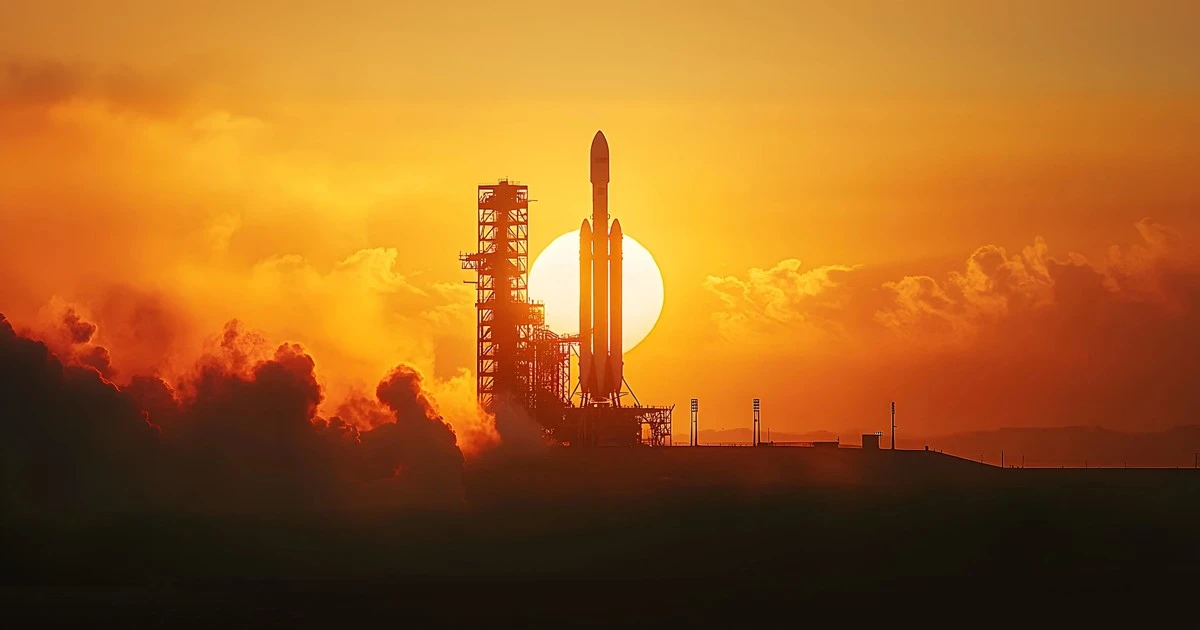
Lighting a rocket is the easy part; keeping the fuel inside the tank until the right second presents the real challenge. NASA has spent months fighting physics to ensure hydrogen stays where it belongs. As confirmed by a NASA blog post on February 19, the agency finally conquered these persistent leaks during a pivotal February test, clearing the path for the mission of Artemis II. This success changes the schedule entirely. Engineers have now circled March 6 on the calendar. This mission effectively ends a pause on deep space travel that has lasted over 50 years. The crew is preparing to fly further than any human has gone before. Every seal, filter, and valve must work perfectly. The team at Kennedy Space Center just proved the hardware is ready to handle the pressure. The focus now shifts from fixing leaks to counting down the final days.
The Reality of Rocket Testing
Testing a rocket often reveals more dangers than flying it through the atmosphere. Engineers run these "wet dress rehearsals" to force failures to happen while the vehicle is still bolted to the Earth. A NASA update from February 2 notes that the first attempt ended early when a leak appeared in the cavity between the umbilical plates. As National Geographic reports, hydrogen is a difficult substance to manage because it escapes through even the microscopic gaps in a seal. The engineering team responded immediately.
According to a NASA mission blog, the engineering team responded immediately by replacing filters and seals on the 4-inch and 8-inch hydrogen lines. CBS News reported that they also used an inert nitrogen purge to clear the system. These specific fixes worked. A subsequent NASA report confirmed that during the second attempt on February 19 and 20, the lines held firm. The agency stated the team successfully loaded over 700,000 gallons of super-cold propellant into the tanks. Mission Director Blackwell-Thompson confirmed the seals performed impeccably during this second test.
Moving Past the Anomalies
Data from the test shows a massive improvement in safety. Data analyzed by CBS News shows a massive improvement in safety, noting that previous leaks had created concentrations of hydrogen around 90%. That level presents a severe fire risk. The report highlighted that during the February 19 test, concentrations stayed below 1.6%, well under the 16% safety limit. This huge margin of safety proves the repairs were effective. The team also managed a temporary communication loss between Launch Control and the ground crew by switching to backup channels.
The March Launch Window
A launch date is less of a promise and more of a fragile target that relies on thousands of green lights flipping at once. NASA has set 6th of March as the earliest possible attempt. This date depends on the final review of all test data. The launch window is tight. NASA officials indicate the team only has about five days in March to get the rocket off the ground. If they miss this short period, they must wait until the next opportunity in April. Time acts as the primary adversary right now. Mission Manager John Honeycutt expressed cautious optimism but noted that data review is still ongoing. No immediate red flags were detected, but the schedule remains aggressive. Momentum is building, yet officials like Lori Glaze emphasize that success is contingent on these final checks.
Remaining Hurdles
Engineers still have physical work to finish. A NASA blog entry from February 17 explains they must install platforms to service the batteries. The update also mentions the need to complete a detailed review of the flight termination system. This system destroys the rocket if it veers off course. Every component must be signed off before the countdown begins.
Protecting the Crew Before Flight
Protecting astronauts from earthly germs matters equally as shielding them from cosmic radiation. According to a NASA press release on February 20, the four-person crew began their medical quarantine at home in Houston. This isolation ensures they do not bring any illnesses into the confined space of the Orion capsule. The agency plans to transfer the astronauts on 1st of March to the KSC. This move happens exactly 5 days before the targeted launch. The timeline is tight and leaves little room for delay. The crew includes the first woman and the first Black man to fly on a lunar mission. They are stepping into a vehicle has never been used for human travel.
Preparing for the Long Haul
The mission is scheduled to last approximately 10 days from launch to splashdown. The astronauts will live inside the capsule for the entire duration. This trip serves as the ultimate test of the life support systems. The crew needs to trust that the air, water, and waste systems work perfectly before future crews attempt a landing.
The Trajectory and Mission Profile
Round-trip lunar expedition without stopping requires a path that uses gravity as the primary engine. Encyclopedia Britannica notes that the Artemis II flight plan does not include a lunar landing. Instead, the spacecraft will perform a "free-return" trajectory. The vehicle will execute a far-side lunar flyby. Earth's gravity will then naturally pull the spacecraft back home. This path requires less fuel and provides a safety net if the main engines fail. The reference states the capsule will fly to an altitude of 4,000 to 6,000 miles above the cratered surface. As detailed in a NASA mission log, the crew will reach the farthest point from Earth ever achieved by humans. The agency confirms the record held since Apollo 13 will finally fall.
The Return Trip
The mission will orbit Earth, perform a lunar flyby, and then fall back for a Pacific splashdown. The return trip ends in the Pacific. The capsule will slam into the atmosphere and use friction to slow down. Recovery teams will wait in the water to retrieve the astronauts. This splashdown validates the heat shield performance for future missions.
Strategic Importance and Competition
Reaching the Moon serves as a race to set the rules for the next century, rather than just exploration. Artemis II is the essential precursor to Artemis III. Reuters reports that Artemis III aims to land humans on the surface, though timelines have shifted, and NASA wants to establish a sustained presence on the Moon. National interest drives this goal alongside science. The news agency adds that China has announced plans to land astronauts on the Moon by 2030. This creates a clear deadline for American efforts. NASA Administrator Bill Nelson—and other leadership figures—view this mission as a way to secure American leadership in space. Success here also establishes the foundation for eventual trips to Mars.
Building the Gateway
The data gathered from this flight helps engineers design future hardware. The agency plans to build a station in lunar orbit. This station will serve as a stopping point for astronauts going to the surface. Everything starts with the success of the current flight path.
The Massive Scale of the Rocket
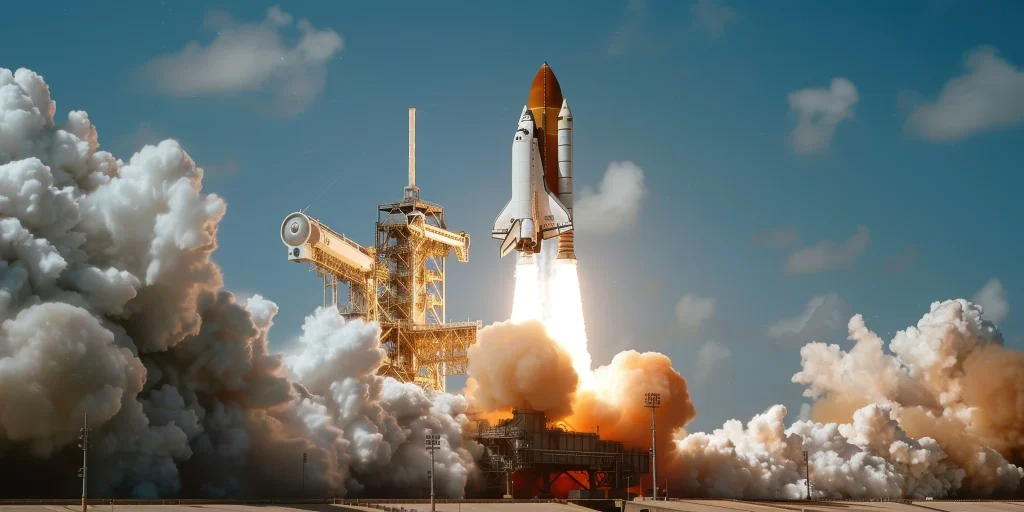
Power is defined by the volume of fuel you can control without blowing up. Spaceflight Now describes the SLS as standing 322 feet tall. It is a massive tower of energy waiting for a spark. The outlet notes the tanks hold roughly 750,000 gallons of fuel. Different sources vary slightly on the exact gallon count, ranging from 700,000 to 750,000, but the scale is undeniable. This vehicle generates the millions of pounds of thrust needed to escape Earth's gravity. It lifts the Orion capsule into orbit first. Then, the upper stage pushes the crew toward the Moon. For the first time, the Space Launch System will carry people into space.
Checks and Balances
NASA official Lori Glaze described the Moon as "beckoning nightly." The readiness of the hardware matches the anticipation of the public. However, the agency refuses to rush the final steps. The "wet dress rehearsal" proved the systems work. Now, the flight readiness review will officially clear the shuttle for takeoff.
Analyzing the Final Risks
Safety in aerospace is defined by the gap between a catastrophic failure and a minor warning light. The recent tests expanded that gap significantly. The shift from 90% hydrogen leak concentrations down to safe levels changes the risk profile entirely. According to Space.com, the nitrogen purge technique proved to be the correct solution for the umbilical plate leaks. Communication issues during the test provided a good training opportunity. When the primary link failed, the team switched to backup systems seamlessly. This proves the ground crew can handle unexpected problems during the actual countdown.
The "Go" Decision
March 6 now stands as the earliest window for liftoff, per NASA, pending final reviews. Senior leaders will meet soon to give the final "go." They review every anomaly. They check every repair. Only then does the clock start.
Conclusion: A New Era of Lunar Reach
Preparation acts as the primary driver that actually gets a rocket to space. The successful tanking tests in February proved that NASA can control the volatile fuel needed for deep space travel. Artemis II now stands ready on the launchpad. The leaks are fixed. The crew is in quarantine. The launch window is approaching fast. This flight marks the first step in a permanent expansion of human territory, surpassing a simple trip to the lunar body. The path is clear, and the Moon is waiting.
Recently Added
Categories
- Arts And Humanities
- Blog
- Business And Management
- Criminology
- Education
- Environment And Conservation
- Farming And Animal Care
- Geopolitics
- Lifestyle And Beauty
- Medicine And Science
- Mental Health
- Nutrition And Diet
- Religion And Spirituality
- Social Care And Health
- Sport And Fitness
- Technology
- Uncategorized
- Videos

