
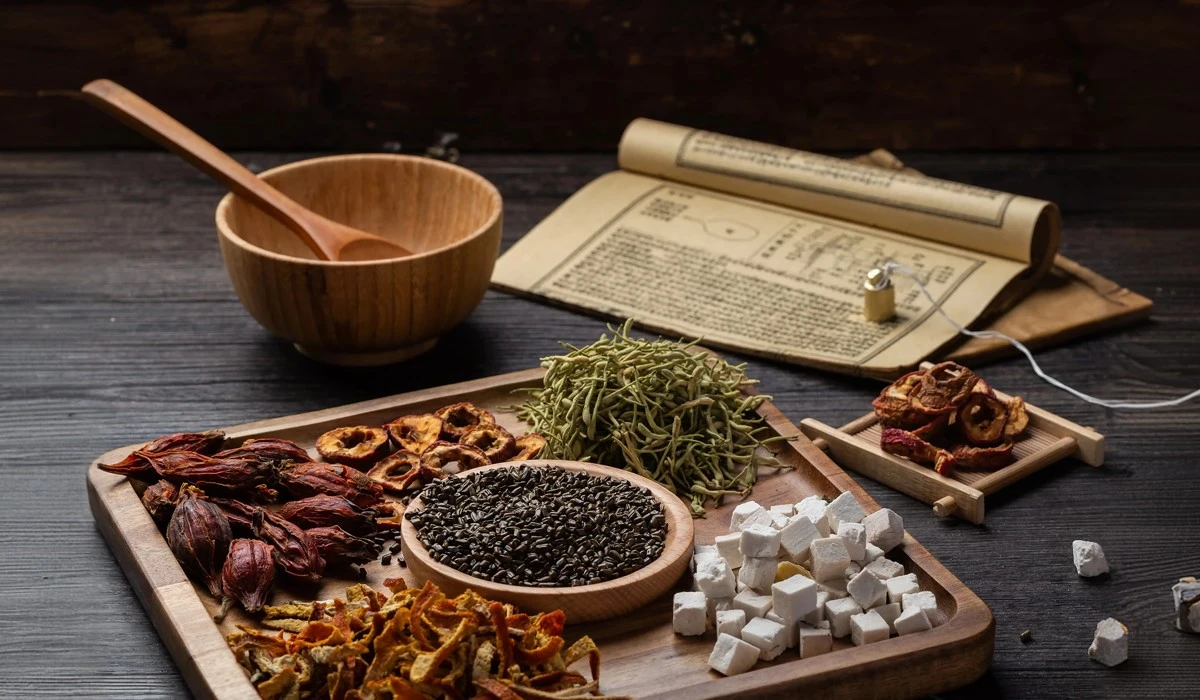
Ancient Medicine Fixes Your Chronic Fatigue
While most people think fatigue comes from a lack of sleep or a busy schedule, the body actually operates like a wood-burning stove that has run out of dry logs. You keep throwing paper on the fire for a quick spark, but the heavy iron of your metabolism remains cold. Ancient Medicine interprets this state as a decline in your internal fire instead of a simple caffeine deficiency.
Ancient wisdom suggests that your body follows a natural rhythm for creating energy. Modern life constantly disrupts this flow. Looking back at how early healers managed vitality allows you to stop fighting your biology. Early physicians focused on the source of life instead of hiding exhaustion signs. This post explores how to rebuild your stamina from the ground up. You will learn to identify why your energy fluctuates and how to fix it using time-tested wisdom.
The foundational logic of Ancient Medicine
Early healers viewed the human body as an active ecosystem; rather than waiting for a person to collapse before offering aid, they looked for the first signs of a cooling system. Ancient Medicine focuses on the concept of Emphytos Thermos, or innate heat. This metabolic fire sits in the heart and powers every cell in your body. When this fire burns bright, you feel alert and strong. When it flickers, you experience the heavy weight of chronic fatigue.
Moving beyond the symptom-suppression model
Modern care often treats a headache or low energy as an isolated problem. Ancient Medicine rejects this narrow view. It sees the body as a self-regulating unit. A practitioner from the past would look for obstacles preventing your natural healing. If you feel tired, something blocks your internal flow. Healing involves clearing these blockages instead of adding more stimulants to your system.
The role of vital heat in human energy
The heart acts as the hearthstone of the body. It produces the warmth necessary for digestion and movement. Physicians called this Ignis, the thermal energy that transforms food into fuel. What causes a lack of energy in the body? From an ancient perspective, a lack of energy is often caused by a "dampening" of the internal metabolic fire through poor digestion or environmental stress. This cooling of the system leads to the heavy, sluggish feeling we call chronic fatigue. To fix this, you must protect your internal warmth.
Applying Hippocratic medicine principles to modern burnout
Hippocrates changed how we view health by moving away from superstition. He sought answers in the physical world. Using Hippocratic medicine principles allows you to see burnout as a physical imbalance. As described in research from the National Library of Medicine, the concept of "vis medicatrix naturae" describes an ancient principle where the body has an innate power to heal itself when provided with the right environment. This approach shifts the focus from "fixing" to "nurturing."
The principle of "Nature as the Physician."
This core idea suggests that your body knows how to recover. Rest serves as an active state of repair, not a passive one. When you sleep, your body works hard to balance your humors. Hippocrates taught that the physician should simply assist nature. For someone with burnout, this means removing the stressors that stop the body from doing its natural job.
The theory of the four humors and metabolic balance
The ancients believed four fluids—blood, phlegm, yellow bile, and black bile—governed health. Research in the journal Cureus notes that ancient figures like Galen identified these fluids as the core of health, suggesting that exhaustion often arises from an overabundance of phlegm or black bile. As noted in a report by The Guardian, practitioners in medieval times used leeches for bloodletting because they believed the practice helped balance these four humours. The Cureus study further explains that these fluids must remain in balance for a person to stay healthy; if one becomes too dominant, illness occurs, though if they are balanced, you achieve a state of Eucrasia characterized by high energy and mental clarity. Excess black bile correlates to what we now call chronic inflammation.
Identifying the source using ancient diagnostic methods
Ancient doctors lacked blood tests and MRI machines. They relied on their senses to see what was happening inside. These ancient diagnostic methods remain powerful today because they catch problems early. You can learn to read your own body’s signals before you hit total exhaustion.
The art of observation and palpation
Practitioners began with a check of the tongue and the eyes. A coated tongue or dull eyes signaled a buildup of metabolic waste. They also checked the temperature of the hands and feet. Cold extremities meant the "innate heat" stayed trapped in the core or had grown too weak to circulate. This simple check tells you if your circulation supports your energy levels or if your system has moved into a "survival mode."
Reading the body's internal clock
Timing tells a story about your health. Doctors observed when a patient’s energy dipped. An afternoon crash signaled a different problem than morning lethargy. They used the clepsydra, a water clock, to measure the rhythm of the pulse. How did ancient doctors diagnose illness without technology? They relied on highly refined ancient diagnostic methods like pulse analysis and skin complexion assessment to detect subtle shifts in the body's internal state. These physical markers provided a roadmap for treatment before internal issues became chronic.
Restoring the pneuma through breath and movement
According to research on ancient physiology published by the National Institutes of Health, the ancients believed a "vital air" called Pneuma moved through the arteries and reached the brain to be transformed into "pneuma psychikon." This air provides the kinetic energy for your muscles and brain. If your Pneuma becomes stagnant, your thoughts become cloudy. Chronic fatigue often starts with poor movement of this vital spirit. Reviving your energy is possible through changes in how you breathe and move.
The relationship between breath and mental clarity
Scientific reviews in Scientific Reports indicate that various external and internal stressors cause an increase in ventilation, which ancient healers believed would starve the "psychic pneuma" in the brain. This lack of "psychic air" leads directly to brain fog. However, a study in Frontiers in Human Neuroscience suggests that slow, controlled breathing techniques promote autonomic changes that increase heart rate variability, effectively "airing out" the heart as early healers taught. Focusing on your breath provides the oxygen your heart needs to keep your metabolic engine running hot.
Gentle motion vs. exhaustive exercise
Modern culture pushes people to "grind" even when they are tired. Ancient Medicine warns against this. Over-exercising when exhausted drains your Pneuma Zoticon, or vital force. Instead, early physicians recommended "passive exercise." This included being rubbed with dry towels or going for a light walk. These actions stimulate the body without spending the energy you are trying to save. It builds your reserves instead of depleting them.
The Ancient Medicine approach to nutritional density
Food serves as fuel for your internal stove, but the ancients recognized that the cooking method mattered as much as the ingredients. They called the process of digestion Pepsis. If your stomach is too "cold" to cook the food, you gain no energy from your meals. This explains why some people eat healthy diets but still feel exhausted.
Warming foods for a cold metabolism
If you suffer from chronic fatigue, your digestive fire likely struggles. Ancient Medicine suggests eating warm, cooked foods. Spices like ginger, cinnamon, and black pepper act as "kindling" for your internal fire. These ingredients help the stomach transform food into clean humors. A warm bowl of barley gruel, known as Ptisan, provides steady energy without forcing the body to work too hard to digest it.
The danger of "raw and cold" during recovery
Eating cold salads and raw smoothies can actually dampen a weak metabolic fire. To an ancient doctor, this is like throwing wet leaves on a struggling flame. During a period of fatigue, you should avoid "cold and moist" foods that increase phlegm. As research in the journal Archives of Microbiology points out, Oxymel has historically been used as a remedy for wounds and infections, though ancient wisdom also claims this tonic clears system blockages and reduces morning lethargy.
Circadian wisdom for deep sleep
The ancients lived by the sun. They understood that the body thrives when it follows the natural light cycle. Fatigue often results from a "tired but wired" state where the body loses its sense of time. Returning to these natural cycles fixes sleep and energy.
The importance of the evening wind-down
Early healers emphasized the "Six Non-Naturals," which are factors we can control, like sleep and rest. They believed the hours between 11 PM and 3 AM were critical for the liver to clean the blood. If you stay awake during this time, you prevent the body from detoxifying. This leads to a buildup of "black bile," making you feel heavy and irritable the next day.
Morning light and the awakening of the senses
Sunlight acts as the primary signal to wake up the Pneuma. According to a study in The Journal of Clinical Endocrinology & Metabolism, exposure to bright light in the early morning suppresses melatonin and raises cortisol levels by over 50%, effectively resetting the biological clock. Can ancient daily routines improve modern sleep? Yes, aligning sleep-wake cycles with natural light and eating the largest meal during peak sun helps the body's cortisol levels stabilize naturally. This reduces nighttime wakefulness and helps eliminate the morning grogginess associated with chronic fatigue.
Integrating these lessons into a busy life
You do not need to live in a cave to benefit from these truths. Small changes to your daily environment can yield massive results. Ancient Medicine focuses on Krasis, or your individual constitution. What works for a high-energy person might not work for you right now. Recovery must be tailored to specific needs.
Creating a "sacred" recovery space
Your environment affects your Pneuma. A cluttered, noisy room drains your mental energy. The ancients emphasized the importance of "Airs, Waters, and Places." They knew that stagnant air or bad water could cause regional fatigue. In your own life, ensure your sleeping area is cool, dark, and quiet. This allows your "innate heat" to focus on internal repair instead of reacting to external noise.
Small ritual shifts for lasting stamina
Life moves in cycles. The ancients tracked health in seven-year blocks called Heptads. If you hit a wall at age 35 or 42, it might be a natural "Crisis" point where your body requires a total reset. Simple rituals, like oil pulling in the morning or sipping warm tea in the afternoon, act as anchors for your nervous system. These tiny habits signal to your body that it is safe to change from "stress mode" to "energy-building mode."
A New Time of Vitality with Ancient Medicine
Chronic fatigue feels like a heavy fog, but it is actually a vital signal from your body. It tells you that your internal fire has grown cold and your humors have lost their balance. A return to core Hippocratic medicine principles stops the pursuit of temporary fixes. You now have the tools to observe your pulse, warm your metabolism, and protect your vital Pneuma.
True health is defined as the presence of a strong, self-regulating fire instead of just the absence of tiredness. Use the wisdom of Ancient Medicine to stop borrowing energy from tomorrow. Instead, build a foundation of vitality that lasts. Respecting the ancient systems that have kept humans vibrant for thousands of years allows you to reclaim your life.
Recently Added
Categories
- Arts And Humanities
- Blog
- Business And Management
- Criminology
- Education
- Environment And Conservation
- Farming And Animal Care
- Geopolitics
- Lifestyle And Beauty
- Medicine And Science
- Mental Health
- Nutrition And Diet
- Religion And Spirituality
- Social Care And Health
- Sport And Fitness
- Technology
- Uncategorized
- Videos

