

Analytical Science Detects Stray Molecules In Pills
Every white pill on a pharmacy shelf carries an undisclosed chemical history. During production, side reactions create stray molecules. These extra bits ride along with the main drug. If they stay there, they might cause side effects or make the drug fail. Experts use Analytical Science to identify these substances. They apply impurity profiling techniques to find every single stray atom. This process protects patients and keeps the medicine working correctly.
Scientists look for organic molecules, leftover solvents, and metal bits. They must find these items even when they exist in tiny amounts. This work ensures that what you see on the label matches exactly what enters your body. This article looks at the specific tools and rules that keep our modern medicine safe.
The Evolution of Impurity Profiling in Analytical Science
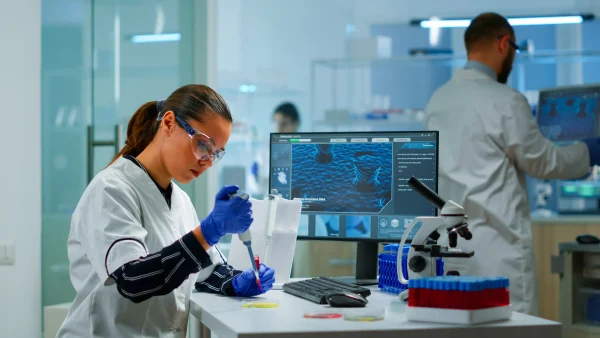
In the past, labs used simple tests to check for purity. These tests only gave a "pass" or "fail" result. They did not tell the scientist what the impurity actually was. Everything changed in 1987 when the FDA released new guidelines. This move forced companies to document every step of the manufacturing process.
According to the ICH Q3B guideline, the ICH Q3A and Q3B standards represent the modern gold standard for the industry. These rules tell scientists exactly when they must report a stray molecule. Research published in the ICH Q3A(R2) Guideline notes that any impurity at a level greater than the identification threshold in any batch produced by the intended commercial process should be identified. This high standard requires effective tools in Analytical Science to succeed.
Modern rules also look at the risk of impurity. In the 1980s, John Ashby identified "structural alerts." These are specific chemical shapes that likely cause cancer. Because of his work, we now screen for these shapes before a drug ever reaches a person. This proactive approach saves lives by stopping toxic batches early in the factory.
Chromatographic Powerhouses: The Frontline of Separation
Separation is the first step in any analysis. Imagine trying to find a single red grain of sand in a bucket of white sand. Chromatography does this for molecules. It separates the main drug from the tiny impurities so scientists can see them clearly. High-resolution results define success in this stage of the process.
High-Performance Liquid Chromatography (HPLC)
HPLC is the most common tool in the lab. It uses a pump to push a liquid mixture through a tube filled with tiny beads. As explained by GL Sciences, scientists often use the C18 stationary phase, which acts as a molecular filter that attracts hydrophobic compounds through weak intermolecular forces. This separation allows the lab to measure each piece of the mixture one by one.
Impurity profiling in pharmaceuticals refers to the systematic process of identifying and quantifying unknown substances within a drug to ensure it meets safety standards. Modern UHPLC systems use particles smaller than 2 micrometers. These tiny particles create high pressure, reaching up to 15,000 psi. This power allows scientists to see peaks that older machines would miss entirely.
Gas Chromatography (GC)
Gas chromatography works best for things that turn into vapor easily. As specified in the ICH Q3C guidelines, scientists use the technique to find residual solvents like benzene, which is categorized as a carcinogen, or acetonitrile. These solvents help make the drug, but they must disappear before the patient takes the pill.
Headspace GC is a specific trick for these tests. The machine heats the sample in a sealed vial until the solvents evaporate into the air at the top. The machine then breathes in that air to test for toxins. This keeps the solid drug out of the sensitive equipment. It provides a clean look at the volatile chemicals that might be hiding in the powder.
Hyphenated Techniques in Analytical Science
Single tools sometimes provide incomplete answers. To solve this, scientists link two different machines together. We call these "hyphenated techniques." They provide a one-two punch that identifies a molecule’s weight and its structure at the same time. This combination removes the guesswork from Analytical Science and speeds up the testing process.
LC-MS and GC-MS
According to a study published in PMC, LC-MS links a liquid chromatograph to a mass spectrometer by coupling a separation technique with an online spectroscopic detection technology. The report also indicates that the first machine produces nearly pure fractions of chemical components, and the second machine weighs them. This weight acts like a molecular ID card. Scientists use Electrospray Ionization (ESI) to turn liquid drops into a fine mist of ions. This gentle method keeps fragile drug molecules intact during the weighing process.
Mass spectrometry acts as the eye of the system. It can see things that UV detectors might overlook. For example, if two molecules come out of the tube at the same time, the mass spectrometer can tell them apart by their weight. This prevents "unidentified" impurities from sneaking through the test undetected.
The Role of High-Resolution Mass Spectrometry (HRMS)
HRMS takes accuracy to an extreme level. Machines like the Orbitrap provide resolution up to 1,000,000 FWHM. This means they can tell the difference between two molecules that have almost identical weights. This precision helps scientists figure out the exact elemental formula of an unknown impurity.
Scientists also use Collision-Induced Dissociation (CID) to break molecules apart. They hit the molecule with nitrogen gas until it shatters into smaller pieces. Analyzing the fragments allows the team to reconstruct the original shape of the impurity. This detective work is vital for identifying new degradation products that appear during long-term storage.
Structural Characterization via Spectroscopy
Sometimes knowing the weight of a molecule is not enough. Two different chemicals might weigh the same but have different shapes. Spectroscopy looks at how molecules interact with energy like light or radio waves. These impurity profiling techniques provide the final proof of a chemical's identity.
Nuclear Magnetic Resonance (NMR) Spectroscopy
NMR is the most powerful tool for mapping a molecule's skeleton. It uses a strong magnet to spin the nuclei of atoms. Scientists then read the signals to see how atoms connect to each other. Cryogenic probes make this even better by cooling the system to 25 Kelvin. This cold temperature reduces noise and lets scientists find impurities at levels as low as 0.02%.
Why is impurity profiling important? This practice is essential because even trace levels of impurities can affect the stability, toxicity, and overall shelf-life of a chemical product. 2D-NMR techniques like HMBC take this further. They create a map of how carbons and hydrogens link across the whole molecule. This map proves exactly what the impurity is without any doubt.
Infrared (IR) Spectroscopy
IR spectroscopy measures how molecular bonds vibrate. Each bond type, like a carbon-oxygen bond, absorbs a specific frequency of light. The "fingerprint region" of an IR scan is unique to every chemical. Scientists use this to check for polymorphic impurities, which are different crystal shapes of the same drug.
Even if the chemistry is the same, a different crystal shape can change how the body absorbs the medicine. IR spectroscopy catches these physical differences early. It ensures that every pill dissolves at the right speed in the stomach. This tool remains a fast and reliable way to verify that a substance is pure.
Advanced Analytical Science for Genotoxic Detection
Research published in the ICH M7R2 guideline states that mutagenic impurities (MIs) are DNA reactive and can damage DNA even in tiny amounts. Because of this risk, the Threshold of Toxicological Concern (TTC) is very low. It usually sits at just 1.5 micrograms per day. This necessitates using Analytical Science to identify rare substances.
As documented by the FDA, the Valsartan crisis in 2018 highlighted these risks when researchers found NDMA, a probable carcinogen, in common blood pressure medication. This event forced labs worldwide to adopt more sensitive tests. An Agilent technical overview indicates that labs now use Triple-Quadrupole mass spectrometers and Multiple Reaction Monitoring (MRM) to track these toxins, as this method provides high sensitivity for quantitative assays.
MRM works by looking for a specific transition. The machine picks one specific "parent" ion and then looks for a specific "daughter" fragment. This double-check makes the test incredibly selective. It allows scientists to find one part of a toxin in a billion parts of a drug. This level of care keeps the most dangerous chemicals out of our medicine cabinets.
Analytical Science and Quality by Design
Modern labs no longer just test the final product. They build quality into the process from the very first day. This strategy is called Quality by Design (QbD). The American Society for Quality (ASQ) notes that scientists use Design of Experiments (DoE) as a systematic method to determine the relationship between factors affecting a process and its output. Understanding the process allows scientists to prevent impurities before they ever form.
According to the ICH Q8 guideline, the creation of an "Analytical Design Space" ensures that operation within that defined space results in a product that meets specified quality levels. This proactive mindset reduces waste and makes manufacturing much safer.
Which method is best for impurity profiling? While LC-MS is often preferred for its high sensitivity, the "best" method is ultimately determined by the physical properties of the impurity and the regulatory threshold required. Scientists also follow USP <1220> for lifecycle management. This ensures the test method stays accurate even as the lab changes its equipment or staff over several years.
Future Trends in Impurity Profiling Techniques
The future of the lab looks greener and smarter. Green Analytical Chemistry (GAC) is a growing movement. It aims to reduce the use of toxic solvents like acetonitrile. Many labs now switch to ethanol or water-based buffers. This change protects the environment while keeping the results accurate.
Artificial Intelligence (AI) also plays a big role now. AI can look at thousands of chromatograms in seconds. It finds tiny peaks that a human eye might skip. It also helps with peak integration, which is the process of measuring the area under a curve. This automation removes human error and makes the data more reliable.
Real-time monitoring is another big leap forward. As noted in FDA guidance on continuous manufacturing, instead of taking a sample to a lab, sensors are positioned inside factory tanks to allow for persistent process monitoring and control. These sensors use impurity profiling techniques to check the mixture every second. If an impurity starts to form, the machine can fix the problem instantly. This "continuous manufacturing" approach is the next area for the industry.
Advancing Safety Through Analytical Science
The process from a raw chemical to a safe pill requires persistent vigilance. Every step of the way, Analytical Science provides the data needed to make hard decisions. Without these advanced impurity profiling techniques, we would lack the clarity to separate helpful medicine from harmful byproducts.
We have moved far beyond simple purity tests. Today, we use magnets, lasers, and mass detectors to see deep into the molecular world. These tools ensure that "trace amounts" stay within safe limits. As molecules become more complicated, the science used to test them must also grow.
Consumer safety depends on the unseen work done in the lab. Pushing the limits of detection and using smart design allows us to keep our global supply of medicine trustworthy. The commitment to precision in Analytical Science remains our best defense against chemical risks. It turns the "stowaways" of chemistry into manageable data points.
Recently Added
Categories
- Arts And Humanities
- Blog
- Business And Management
- Criminology
- Education
- Environment And Conservation
- Farming And Animal Care
- Geopolitics
- Lifestyle And Beauty
- Medicine And Science
- Mental Health
- Nutrition And Diet
- Religion And Spirituality
- Social Care And Health
- Sport And Fitness
- Technology
- Uncategorized
- Videos

