
Wine: A Starter Pack For New Enthusiasts
A Beginner's Guide to Discovering the Joy in Wine
The incentives to embark on this journey are often limited. Who really wants the suggestion that a subject may be fulfilling, but only after extensive and dedicated learning? The answer is very few. People seek a beverage they can relish in the present moment, not an educational exercise. A fresh perspective is required. Picture a foundational wine set, a specially chosen collection of six bottles that are certain to be both delightful and tasty. These selections are not samples for intense analysis; they are lively expressions of the grape, ready for you to enjoy right away.
What Belongs in a Beginner's Collection?
So, what should this essential introductory group feature? A compelling and well-rounded starter selection would showcase six separate classifications. First, some brilliant sparkling wine for any festive moment. Second, a white that possesses a distinct personality. Third, a rosé you can drink with pleasure throughout the seasons. Fourth, an orange wine, which can be considered the stylistic counterpart to a rosé. Fifth, a red that is ideal when served cool. Finally, a red with greater complexity, giving a glimpse into wine's deeper possibilities.
Gearing Up: The Essential Toolkit
Beyond the bottles themselves, what other gear is truly essential for starting this adventure? The welcome reality is that you don't need much. A couple of basic tools will set any prospective wine enthusiast on the right track without requiring large investments or complicated equipment. The key is to keep things simple and focus on what is most important: the experience of tasting and appreciating the wine. The objective is to remove obstacles, not to erect new ones with a lengthy list of must-have items.
The Indispensable Corkscrew
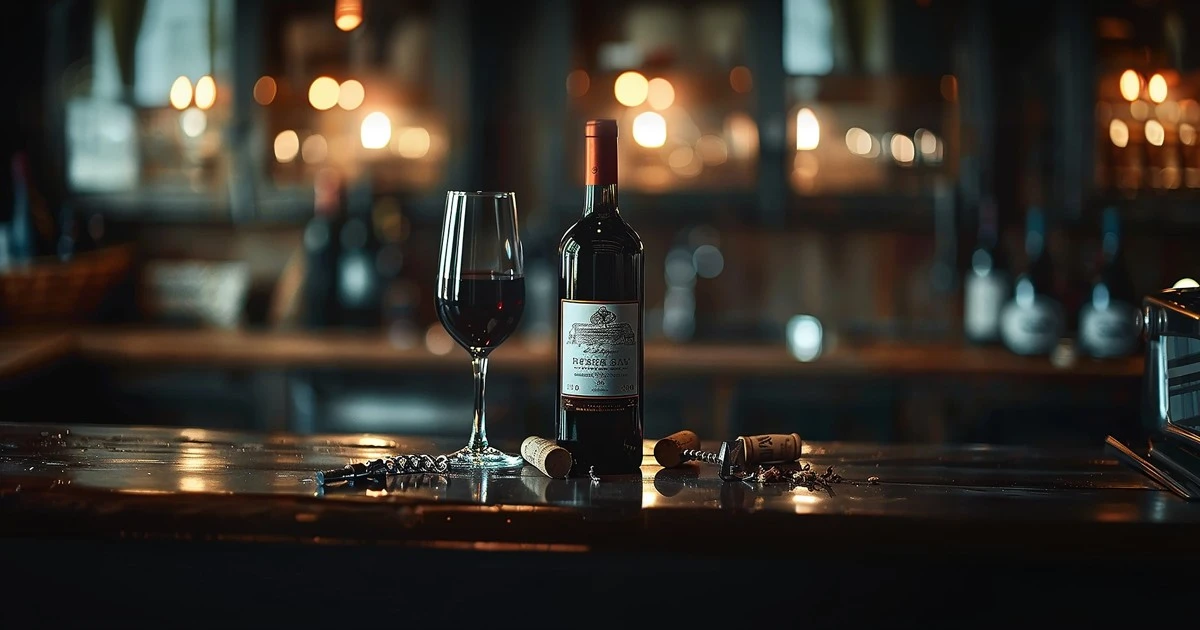
You will, of course, need a way to get into the bottles. The world of corkscrews offers a vast selection, from a simple multi-tool pocket knife (a choice best saved for dire situations) to a high-tech device made of aerospace-quality titanium that can cost more than £1,000. For the vast majority of people, the best choice is a practical and effective tool often referred to as a waiter's friend. A sturdy model of this type of corkscrew will cost you about £10 to £15 and is everything a beginner really needs.
Brilliant Bubbles: More Than Just Champagne
Nearly every winemaking region also produces a sparkling variety. These effervescent drinks are available in a huge number of styles and hues, with prices that go from affordable, cheerful Prosecco to exceptionally pricey Champagne. To start, a quality Cava is an outstanding selection. This is a general name for sparkling varieties that come from Spain, which provide fantastic quality relative to their price. They offer celebratory fizz without the high cost of their French counterparts, making them an accessible place to begin.
A White with Character: Beyond the Obvious
For a white wine that has a true personality, it's hard to overlook certain Italian classics. A fantastic place to begin is with a Verdicchio di Matelica.
This style of wine is generally dry, wonderfully refreshing, and surprisingly easy to sip, yet it reveals layers of delicious complexity. It has a fantastic texture that is enjoyable to swirl in your mouth. Relishing a glass of this by itself is certainly an option, but it truly excels when paired with food. Think about serving it with a pasta dish containing seafood, fresh shellfish, or different vegetable preparations. Its crisp acidity cuts through richness beautifully, making it an incredibly adaptable choice for the dinner table.
If a bottle of Verdicchio is unavailable, sample another unique white wine from Italy. An Etna Bianco from the slopes of Sicily's Mount Etna provides a compelling mineral quality from the volcanic soil. Other great selections include a Trebbiano d'Abruzzo, a Soave from the Veneto area, or a Gavi from Piedmont. A Sicilian wine produced from the Zibibbo or Grillo grape would be another excellent choice, offering a crisp, zesty character while remaining completely individual.
Rosé for All Seasons: A Wine of Substance
Most people view rosé as a short-lived drink, something for the summer months before it wilts in the way a flower might. Too many examples are pretty to look at but don't have much depth, serving more as a poolside drink than a serious wine. It is rewarding, however, to develop a taste for "real" rosés. These are wines that can certainly be enjoyed in a public space or on a terrace, but they also have enough substance to be paired with food at any time of year.
Broc Cellars in California is a maker of well-priced wines that fit this description perfectly. Their rosé is typically made from a combination of red grape varieties and is often a shade deeper in color than the famous light-hued rosés from Provence. It is wonderfully crisp and straightforward to drink, but with a depth of flavor that sets it apart. This shows that American rosé is capable of being both lighthearted and substantive, with lively fruit flavors and a refreshing finish that invites another sip.
Additional rosés from California worth looking for include Post Flirtation from Martha Stoumen, a vibrant wine that combines multiple years, or the consistently excellent rosé from Arnot-Roberts. Alternatively, you could try something totally different, such as a Cerasuolo d'Abruzzo from Italy. This is a dark-hued rosé from Italy that is simultaneously succulent and complex, with flavors of cherry and pomegranate that make it a fantastic food partner. It challenges the idea that all rosés should be light in color and delicate.
Orange Wine: The Inverse of Rosé
Why is orange wine often called the stylistic counterpart to a rosé? The reasoning is simple. To produce rosé, winemakers use red grapes, which are soaked with their skins just long enough to get the desired pink color. Orange wine is produced in a similar fashion, but it uses grape varieties that are white. The grape skins are left in contact with the juice for a longer time, which adds color, texture, and flavor. This is an ancient technique that has become very popular in recent times.
You might sometimes see these wines referred to as "amber wines" or "skin-contact whites," but the "orange wine" label has seemingly become the standard. A wonderful entry point to this fascinating category is a wine like Gulp/Hablo. It often comes in a unique one-liter bottle and offers a bright, energetic tanginess with a slight hint of tannin that comes from the skin contact. It is a brilliant and accessible starting point for a style that can sometimes be challenging but is always interesting and rewarding to explore.
Orange wines are frequently made in limited quantities, so you are never quite sure what you might find in a local wine shop. However, three consistently excellent Italian examples are Pithos Bianco from COS Terre Siciliane, the Coenobium Ruscum from Monastero Suore Cistercensi, and Montenidoli's Vernaccia di San Gimignano Tradizione. These wines show the depth and complexity that skin contact can bring to white grapes, with notes of dried apricot, nuts, and spice.
The tradition of this style of wine is perhaps most ancient in Georgia, where wines are fermented in large clay pots called qvevri that are buried underground.
The Chillable Red: Breaking the Rules
It's common for red wine to be served much warmer than it should be. In most cases, just a short time in the refrigerator before opening does wonders for a bottle of red, making it more vibrant and refreshing. However, some reds are specifically made to be served cool, almost cold. These are generally easy-drinking wines with very few harsh tannins. Unilitro from Ampeleia in Tuscany serves as a perfect illustration. This red blend is succulent and joyous, a wonderful companion when served cool with all kinds of food, and is a particularly good choice for barbecues.
This style of light, fresh red is becoming increasingly popular. Other great chillable reds to seek out include Love Red or Skull Red from Broc Cellars in California. From France, seek out Raisins Gaulois by Lapierre in Beaujolais or Chat Fou by Éric Texier from the Rhône Valley.
Another grape worth searching for is Frappato from Sicily. It produces a light-bodied wine bursting with aromas of red berries, pomegranate, and flowers. With its bright acidity and low tannins, Frappato is exceptionally refreshing when served slightly cool.
The fruit flavors, which are often bright and primary—think fresh cherries, raspberries, and strawberries—also become more pronounced at a lower temperature. These wines are not intended for long aging or deep contemplation. They are wines for pure, unadulterated enjoyment, perfect for a warm afternoon or a casual meal with friends.

A More Nuanced Red: Dressing Up for Dinner
It is always a good idea to have a special wine available for a noteworthy event, such as when you have friends coming for a nice meal. The previous wines recommended on this list are excellent, much like a well-loved pair of comfy jeans. But from time to time, it is enjoyable to get a little more formal.
Although Chianti Classico is a famous name, not many people grasp how truly superb these Tuscan wines are capable of, which makes their value for the quality offered relatively good. These wines possess all the traits people often connect with fine red wines—intricacy, depth, and the capacity for graceful aging—yet they are easy to approach and tasty at any point. A quality Chianti Classico is wonderful served with beef or roast chicken, or with pasta accompanied by any kind of red sauce, or even alongside a top-notch pizza.
Recently Added
Categories
- Arts And Humanities
- Blog
- Business And Management
- Criminology
- Education
- Environment And Conservation
- Farming And Animal Care
- Geopolitics
- Lifestyle And Beauty
- Medicine And Science
- Mental Health
- Nutrition And Diet
- Religion And Spirituality
- Social Care And Health
- Sport And Fitness
- Technology
- Uncategorized
- Videos

