
Reduce Skin Flare-Ups Via Oil Pulling Therapy
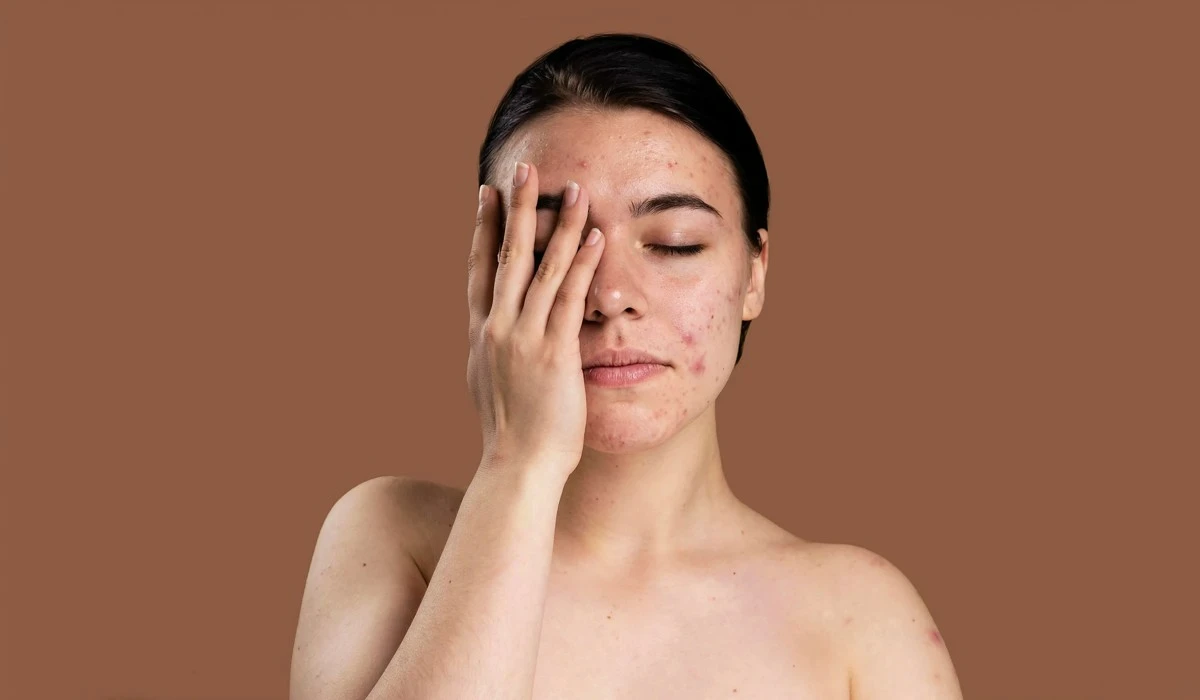
You buy the expensive serum. You change your pillowcase every night. You cut out dairy, drink gallons of water, and scrub your face until it feels tight. Yet, every month, the same painful bumps appear on your jawline or cheeks. Focusing on the smoke instead of the fire makes the battle feel lost.
The root cause of stubborn acne often resides inside your mouth rather than on your face.
According to research published in the journal Materials, your oral cavity acts as the primary entrance for bacteria entering your body. When that environment gets out of balance, the study suggests it sends a distress signal to your entire immune system. This reaction initiates widespread inflammation that eventually appears through your pores, although the direct causal link to acne requires further clinical verification. Oil Pulling Therapy serves as a biological reset rather than a method solely intended for dental whitening. Addressing the bacterial load at its origin helps halt the inflammatory chain reaction before it reaches the skin.
The Surprising Link Between Oral Health and Acne
Most people view their mouth and their skin as two completely separate zones. In reality, they are closely connected parts of the same defensive line. Your mouth is the gatekeeper of your gut and your bloodstream. Research in the journal Microbiome notes that an overgrowth of harmful bacteria, particularly Streptococcus mutans, occurs when these organisms reside in biofilms on the surfaces of teeth. This situation can lead to a condition often called "leaky mouth."
Think of this like a security breach. As highlighted in the journal Mediators of Inflammation, locally produced pro-inflammatory cytokines can enter the systemic circulation. When these toxins enter the bloodstream, they induce an acute-phase inflammatory response.
This systemic inflammation is a disaster for your skin. The journal Microorganisms explains that the bacteria that cause pimples, Propionibacterium acnes, were recently renamed Cutibacterium acnes. This systemic inflammation increases the sensitivity of your skin to these organisms, signaling your sebaceous glands to produce more oil. A review in the Journal of Traditional and Complementary Medicine states that oil pulling involves the swishing of a high-quality edible oil within the oral cavity to extract impurities. The reduction of oral bacteria and inflammation in the mouth through oil pulling lowers the overall toxic burden on the body, which can lead to fewer acne breakouts and a clearer complexion. Stopping the flow of toxins from your mouth allows your skin finally to have the chance to heal itself.
What Is Oil Pulling Therapy?
Oil Pulling Therapy involves swishing a high-quality edible oil in your mouth for a set period to extract impurities. Oil Pulling Therapy represents a serious medical practice with thousands of years of history rather than a modern wellness fad.
Ancient Roots in Ayurveda
According to the Journal of Traditional and Complementary Medicine, oil pulling is an ayurvedic procedure with a history of approximately 3,000 to 5,000 years. In ancient texts like the Charaka Samhita, the practice is known as Kavala Graha (swishing liquid) or Gandusha (holding liquid still). It is considered one of the most essential dinacharya practices, or daily routines, for maintaining health.
Ayurvedic doctors do not see the tongue just as a muscle; they see it as a map of your internal organs. They believe that coating on the tongue represents Ama, metabolic waste, and toxins that the body failed to digest. Daily removal of this waste through Oil Pulling Therapy prevents its reabsorption into the system.
The Modern Science
You don't need to believe in ancient energy flows to understand why this works. The science is based on simple chemistry. Most single-celled microorganisms in your mouth, including bacteria and fungi, are covered in a lipid (fatty) membrane.
The Journal of Traditional and Complementary Medicine also suggests that the mechanical action of swishing creates an emulsion through an alkali hydrolysis process, often referred to as saponification or "soap making." This process allows the oil to trap bacteria for disposal. Furthermore, according to a study published in the Journal of Indian Society of Pedodontics and Preventive Dentistry, this practice effectively reduces oral Streptococcus mutans counts.
How Oil Pulling Therapy Clears Acne
The connection between swishing oil and clearing cystic acne might seem like a stretch until you look at the body's detoxification pathways. Your skin is often called the "third kidney." When your primary detox organs, the liver and kidneys, get overwhelmed, the body tries to push toxins out through the skin.
Detoxification and Reduced Bacterial Load
Research published in the Journal of Bacteriology confirms that one milliliter of human saliva contains approximately 100 million bacterial cells. Constantly swallowing that saliva without cleaning the oral cavity properly burdens your digestive system and creates a backlog of toxins.
Removing a significant portion of this bacterial load every morning lightens the burden on your liver. When your liver isn't working overtime to filter out oral pathogens from your blood, it can focus on regulating hormones and cleaning up other metabolic waste. This keeps those toxins from purging through your pores. Naturally, people want to know, how long does it take for oil pulling to work? A clinical study in the Journal of International Society of Preventive & Community Dentistry notes that improvements in oral hygiene, such as reduced plaque measures, can be observed within the first week of consistent practice. Seeing significant changes in skin clarity usually requires two to four weeks of daily commitment.
Reducing Systemic Inflammation
Acne is, at its core, an inflammatory disease. Redness, swelling, and heat are all signs that your immune system is fighting something. When your gums are inflamed, even slightly, your body releases cytokines, chemical messengers that ramp up inflammation everywhere, including your face.
Soothing the mucous membranes in the mouth through Oil Pulling Therapy signals the immune system to stand down. This process lowers the overall inflammatory markers in the blood. Less inflammation means your existing acne heals faster, and new micro-comedones are less likely to form.
Integrating the Practice into Your Morning Routine
To get results, you cannot do this casually. Ayurveda places huge emphasis on the timing of dinacharya practices. The body runs on a clock, and the morning is the peak time for evacuation and cleansing.
The Journal of Traditional and Complementary Medicine suggests performing oil pulling for 15 to 20 minutes in the morning on an empty stomach. Listerine professional resources advise that this should occur prior to brushing your teeth. Completing this task on an empty stomach captures toxins before they re-enter your system. It sets the tone for the metabolic function of your entire day.
Choosing the Best Oil for Your Skin Type
Not all oils create the same results. While you can technically use any vegetable oil, specific oils offer distinct therapeutic benefits for the skin.
Cold-Pressed Sesame Oil
This is the "King of Oils" in traditional Ayurveda. Research in the journal Food & Function states that sesame oil contains a high concentration of sesamol, a potent antioxidant. Further study in the journal Drug Metabolism and Disposition indicates that sesamol metabolites are widely distributed throughout the body's tissues. If your acne is dry, flaky, or caused by stress, sesame oil is often the best choice for strengthening the jaw and nourishing gum tissue.
Virgin Coconut Oil
For the majority of modern acne sufferers, organic virgin coconut oil is the superior option. According to the Journal of the American Oil Chemists' Society, coconut oil is composed of approximately 45% to 53% lauric acid. The journal Antimicrobial Agents and Chemotherapy reports that lauric acid exhibits strong antimicrobial properties against skin bacteria, specifically targeting P. acnes. The study also highlights its therapeutic potential for managing inflammation induced by these bacteria in vivo. If you have oily skin or inflamed, red cystic acne, coconut oil is your best bet.
The Step-by-Step Guide to the Perfect Swish
Technique matters. Moving bacteria around is not the same as getting rid of them. Kenvue Professional Resources outlines a standard protocol where one tablespoon of edible oil is placed in the mouth for swishing. Do not try to be a hero and use more, as the volume will double when mixed with saliva.
The Swish
Care Insurance health reports recommend working the oil into all areas, including the pockets between your teeth where bacteria hide. The movement of the oil should be slower and more gentle than the motion used for standard mouthwash. Clove Dental suggests keeping the jaw relaxed; a sore jaw indicates the movement is too vigorous.
The Disposal
Healthline recommends aiming for 15 to 20 minutes to ensure the oil is effective. A trial published in the journal Antibiotics found that this duration is necessary for the oil to reduce plaque indices significantly. At the end, spit the oil into a trash can.
Healthline also advises brushing your teeth immediately after spitting to remove trapped bacteria. Information from Metropolis India suggests rinsing with warm water to clear any oily residue. Additionally, Clove Dental recommends continuing to brush and floss as usual.
Common Mistakes That Hinder Results
If you aren't seeing your skin clear up, you might be falling into one of these traps.
Swallowing the Oil
The Journal of Traditional and Complementary Medicine warns that swallowing the oil should be avoided as it contains the collected toxins and bacteria. Ingesting this poison puts significant stress on your body and can make acne worse.
Swishing Too Vigorously
This practice should be meditative, not a workout. Aggressive swishing risks damaging fillings or causing jaw pain. Slow, rhythmic movement is all you need.
Not Swishing Long Enough
Swishing for only two or three minutes reaches the surface. You need the full 15–20 minute window recommended by Healthline for the biochemistry to work. Practicing while you shower or pack your lunch can help the time pass more quickly.
Complementary Habits for a Clear Complexion
While Oil Pulling Therapy is a powerhouse, it works best when supported by a holistic lifestyle. You cannot expect to clear chronic acne if you ignore other inputs.
Tongue scraping is another vital dinacharya practice that should happen right after you spit out the oil. It physically removes the coating from the tongue that the oil loosened. Hydration is also non-negotiable. After your routine, drink a glass of warm water to flush your lymphatic system.
Finally, look at your diet. Oil pulling reduces the inflammation load, but sugar and processed foods add it right back. Use this practice as a catalyst for better food choices throughout the day.
A Glow That Starts from Within
We often treat our skin like a separate entity, painting over the problems rather than fixing the foundation. But clear skin is almost always a reflection of a clean internal environment. Adoption of Oil Pulling Therapy allows you to stop fighting your skin and start supporting it. You cut off the supply of toxins that fuel inflammation.
It is a simple, low-cost commitment, but it requires patience. Acne didn't appear overnight, and it won't vanish in a day. But if you commit to this ancient wisdom for 30 days, you will likely see a calmness return to your complexion that no topical cream could achieve. True radiance comes from a healthy ecosystem within. Start your Oil Pulling Therapy tomorrow morning, and let your body do the rest.
Recently Added
Categories
- Arts And Humanities
- Blog
- Business And Management
- Criminology
- Education
- Environment And Conservation
- Farming And Animal Care
- Geopolitics
- Lifestyle And Beauty
- Medicine And Science
- Mental Health
- Nutrition And Diet
- Religion And Spirituality
- Social Care And Health
- Sport And Fitness
- Technology
- Uncategorized
- Videos

