
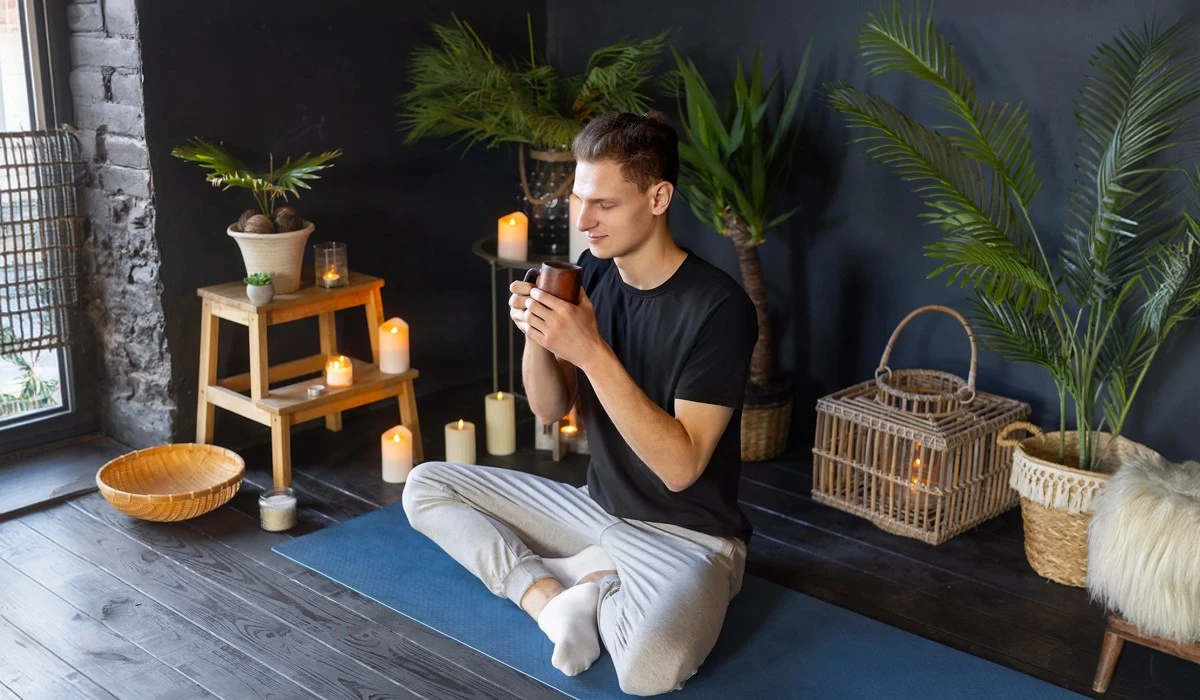
Hygge Practice for a Calmer and Mindful Mood
Most people live in a state of high alert without knowing why. We spend nearly ninety percent of our time indoors, yet our rooms often feel like cold waiting areas. Harsh overhead lights and hard surfaces keep your brain in a "threat detection" mode. Your body reacts to these sharp edges and cold glares by keeping your stress hormones high. You feel restless because your environment tells you to stay ready for action.
A consistent Hygge Practice changes the signals your brain receives. Softening your surroundings tells your nervous system that the hunt is over. This shift allows your body to finally enter a state of rest. Real comfort comes from intentional choices in your home. These choices encourage mindful domestic living and build emotional strength. You deserve a space that heals you instead of draining you.
The Neuroscience of Comfort and Emotional Stability
Your brain constantly scans your room for safety. Cold floors and bright, blue-toned lights keep your "fight or flight" system active. When you replace these with warm textures and soft glows, your parasympathetic nervous system takes over. This part of your nervous system handles rest and digestion. It lowers your heart rate and allows your muscles to loosen.
Specific sensory inputs act as safety signals for the mind. Soft blankets and steady candlelight tell your ancient brain that you are sheltered and warm. This biological response reduces the production of adrenaline. You stop reacting to every small noise or ping from your phone. Instead, you find a steady baseline of calm.
Reducing Cortisol Through Sensory Input
Textured materials like wool, wood, and linen actively lower your cortisol levels. Smooth, man-made plastics often feel "dead" to our touch. In contrast, running your hand over a grain of oak or a heavy knit sweater grounds you in the present. These tactile experiences provide a sensory anchor.
Sound also plays a massive role in your mood. The crackle of a fire or the hum of a boiling kettle replaces the jarring sounds of traffic. These repetitive, natural noises help focus the mind. They wash away the mental static of a long workday.
The Essential Elements of a Sustainable Hygge Practice
Building a routine of comfort requires consistency rather than expensive shopping trips. You do not need a total home renovation to start. What are the three elements of hygge? To learn the basics, one must focus on atmosphere, presence, and togetherness. These three pillars ensure that your environment supports your internal state of peace.
According to a study published in PMC (PMC6561500), melatonin suppression increases during the first three hours of light exposure, meaning you should start dimming your lights an hour or more earlier than usual to prepare your brain for sleep. Focus on "presence" by putting your phone in another room during dinner. These small, daily Nordic coziness habits create a lifestyle of lasting serenity.
Creating a Dedicated Sanctuary Space
Every home needs a "Hyggekrog," or a cozy nook. This is a specific chair or window seat dedicated only to relaxation. Do not answer emails or fold laundry in this spot. Layer it with cushions and a thick throw blanket to create a physical refuge.
When you sit in your nook, your brain learns to switch off. This physical boundary helps separate your work life from your home life. It becomes your primary tool for decompression. Over time, simply looking at this space will lower your stress levels.
Adopting Mindful Domestic Living for Inner Peace
We often view household chores as burdens to finish quickly. This mindset creates unnecessary tension in our daily lives. Mindful domestic living transforms these tasks into moments of meditation. When you focus entirely on the warmth of the dishwasher or the scent of the soap, the chore stops being a "task." It becomes a way to ground yourself.
Treating your home as a sanctuary requires a shift in perspective. Cleaning a room prepares a space for your soul to rest. This intentionality brings a sense of accomplishment to the smallest actions. You begin to find joy in the maintenance of your personal world.
The Ritual of Slow Tea and Coffee Preparation
Manual coffee brewing offers a perfect opportunity for mindfulness. Measuring the beans and watching the water bloom requires your full attention. Does hygge help with depression? While not a replacement for professional care, creating a soothing and intentional home environment can significantly reduce the feelings of isolation and overwhelm associated with low moods. Focusing on small, manageable comforts allows individuals to build a sense of agency over their immediate surroundings.
The olfactory experience of fresh coffee or herbal tea also boosts your mood. Scents like cinnamon, vanilla, and roasted beans have strong links to memory and comfort. Taking five minutes to brew a drink slowly serves as a "pattern interrupt" for a chaotic morning.
Intentional Decluttering for Mental Clarity
According to a blog published by RMCAD, disorganization and clutter are correlated with mental health conditions such as stress, anxiety, and depression, showing how an untidy room leads to an overwhelmed mind. Piles of mail and unfinished projects remind you of things you haven't done. Clearing these surfaces allows your eyes to rest on simple, beautiful objects. This clarity reduces the "visual noise" that contributes to anxiety.
Adopting Authentic Nordic Coziness Habits Daily
Denmark and Norway consistently rank as the world's happiest nations despite their dark winters. They rely on Nordic coziness habits to maintain their mental health. One such habit is "Fredagskos," or Friday coziness. Families gather for a simple meal and "slow TV," like a 7-hour broadcast of a train journey. This ritual marks a clear end to the work week.
Another habit involves the massive use of candles. The average Dane burns six kilograms of wax every year. They prefer "live" light over electric bulbs because it flickers and creates movement. This small change makes a room feel alive and welcoming.
The Rule of Natural Light and Warm Glows
Lighting temperature is a science; as explained by Alitecn, most office lights sit at high Kelvin ranges between 5,000K and 6,500K, emitting a cool white or bluish-white light that mimics midday sunlight. A knowledge center post from BenQ notes that cool white lights in the 5,000K to 6,500K range can actively boost alertness and productivity. For a successful Hygge Practice, Dominion Lighting recommends using warm white lighting between 2,700K and 3,000K to help you relax and tell your body it is time to rest. A study from PubMed (PMID: 8979406) demonstrates that light with a high color temperature of 6,500K suppresses the nocturnal increase of melatonin secretion more than light with a low color temperature of 3,000K, making these warm, sunset-mimicking bulbs highly beneficial.
Research shared on the Mudita community blog points out that cool white light can disrupt the circadian rhythm and suppress melatonin production, making warm light essential for supporting your natural sleep-wake cycle. Research published in PMC (PMC3047226) shows that exposure to standard room light in the late evening reduces melatonin concentration by 71.4 percent relative to dim light, so maintaining a darker environment allows your body to produce melatonin naturally as evening approaches. When you align your indoor lighting with the sun’s natural cycle, you sleep more deeply and wake up more refreshed.
Bringing the Outdoors In
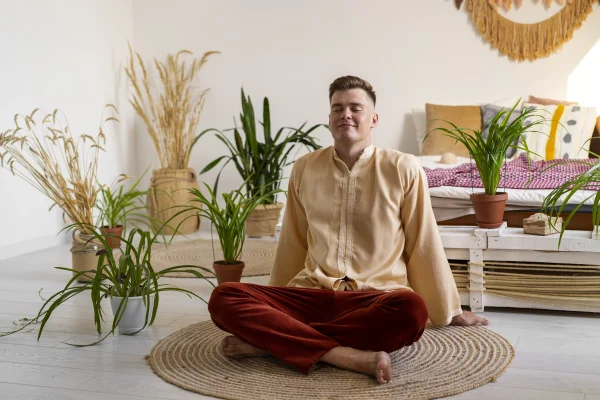
Connecting with nature improves your mood instantly. Use natural wood, stone, and green plants to decorate your living space. These materials carry a "living" energy that synthetic items lack. Even in the middle of a city, a few potted ferns can make a room feel like a forest.
Natural textures like sheepskin or raw linen add layers to your home. They provide a haptic experience that grounds you. Touching a piece of sanded wood connects you to the earth and slows your racing thoughts.
The Social Dimension of a Shared Hygge Practice
Hygge incorporates solitary acts alongside "Hyggesnak," or cozy talk. This type of conversation avoids heavy topics like politics or work stress. Instead, it focuses on shared memories, stories, and the present moment. It builds a "truce" where everyone feels safe and accepted.
Socializing should not feel like a performance. Forget about expensive catering or perfect decorations. Focus on "equality," where guests help cook or clear the table. This shared effort removes the pressure from the host and makes everyone feel at home.
Potlucks and Vulnerability over Perfectionism
Authentic gatherings thrive on simplicity. A potluck dinner where everyone brings a rustic dish creates a sense of community. When you stop trying to impress your guests, you open the door for real vulnerability. These low-stakes interactions nourish your social needs without causing exhaustion.
Human connection is an essential part of mindful domestic living. Sharing a warm meal by candlelight strengthens your bonds with others. It reminds you that you belong to a community of people who care about your well-being.
How to Maintain Your Hygge Practice During Busy Seasons
You can find comfort even when life feels overwhelming. Use "micro-hygge" techniques when you only have ten minutes. Lighting a single candle or putting on a pair of thick wool socks takes seconds. These tiny actions act as anchors that keep you from drifting into total stress.
Even during the hottest months, you can find a sense of peace. How do you practice hygge in the summer? You can adapt the concept to warmer months by utilizing light linen fabrics, keeping windows open for fresh breezes, and enjoying slow outdoor meals at sunset. These adjustments keep the spirit of coziness alive without the need for heavy blankets or fireplaces.
Shifting from Work-Mode to Home-Mode
Create a "threshold ritual" to mark your arrival at home. Take off your shoes immediately and change into comfortable clothes. This physical act tells your brain that the professional day has ended. You are now in a space where you do not have to perform.
Shedding your "work skin" allows you to fully occupy your sanctuary. It prevents work stress from bleeding into your evening. This boundary is essential for maintaining a healthy mood over time.
Digital Minimalism as a Pillar of Modern Hygge
Smartphones are the biggest threat to a peaceful home. They bring the noise and demands of the outside world directly into your sanctuary. To protect your Hygge Practice, you must set strict boundaries with technology. Screens produce blue light that disrupts your sleep and keeps your brain in a "scroll-and-search" loop.
Replace your phone with analog activities in the evening. Read a physical book, work on a puzzle, or try knitting. These hobbies engage your hands and your mind without overstimulating your dopamine receptors. You will feel a deep sense of quiet that a screen can never provide.
Creating Tech-Free Windows in the Evening
Designate the hour before bed as a "tech-free window." Turn off your television and put your phone in a drawer. This silence allows you to process the events of the day. Without digital distractions, you can focus on the people or the environment around you.
This habit significantly improves the quality of your REM sleep. When your brain isn't processing a million images from social media, it can truly rest. You wake up the next morning with more mental clarity and a more stable mood.
Your Personal Path to Mindful Domestic Living
A meaningful Hygge Practice relies entirely on a commitment to your own comfort and mental health. Embracing Nordic coziness habits helps you reclaim your home as a place of healing. You move away from the frantic pace of modern life and toward a more grounded existence.
Start small by lighting one candle or brewing a cup of tea with total focus tonight. Notice how the warmth feels in your hands and how the light softens the room. This simple act of mindful domestic living is your first step toward a better mood. You have the power to create a refuge that protects your peace and restores your energy every single day.
Recently Added
Categories
- Arts And Humanities
- Blog
- Business And Management
- Criminology
- Education
- Environment And Conservation
- Farming And Animal Care
- Geopolitics
- Lifestyle And Beauty
- Medicine And Science
- Mental Health
- Nutrition And Diet
- Religion And Spirituality
- Social Care And Health
- Sport And Fitness
- Technology
- Uncategorized
- Videos

