
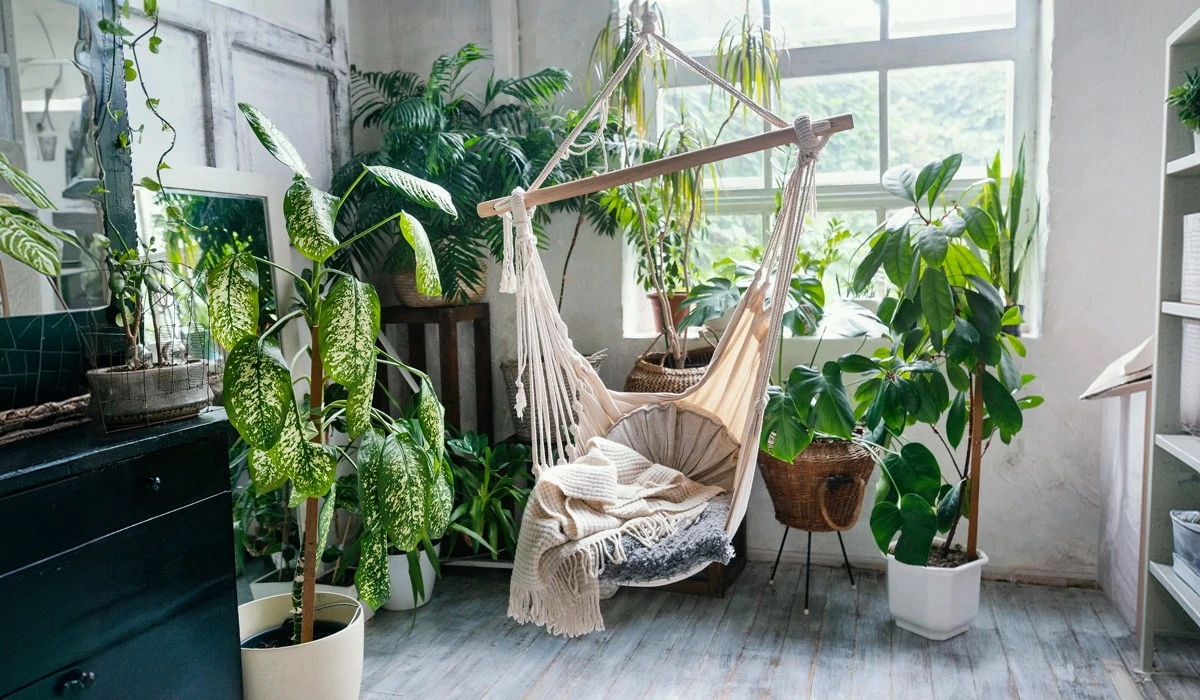
Biophilic Design Rules: Fix Your Living Area
We spend ninety percent of our lives inside four walls. We treat the outdoors as a weekend luxury instead of a biological need. This separation from the natural world creates a constant, low-level stress in our bodies. Our heart rates stay higher, and our focus remains fractured because our surroundings ignore our DNA. According to a report by Nature, biophilic design includes biological elements within interior settings to help offset the negative results of urban growth on human health. It recognizes that humans evolved in forests and fields rather than sterile boxes. Integrating nature into our daily environments fixes a basic biological mismatch. This approach transforms a room from a simple shelter into a tool for recovery.
Why Human Biology Requires Biophilic Design
Our brains still function as if we live on the African savannah. We scan for water, shade, and safety. A modern office lacks these survival cues, so our minds never fully relax. As noted in MDPI, humans have a biological requirement to remain near nature, a concept known as the Biophilia Hypothesis. The Global Wellness Institute describes this method as a strategy centered on people that seeks to improve our link to natural systems to support health. Biologist E.O. Wilson argued that humans possess an innate love for life and living systems. When we ignore this connection, our mental health suffers.
Integris Health explains that spending time around nature helps minimize levels of cortisol. Research from ResearchGate indicates that these environments positively affect our minds and bodies, resulting in lower blood pressure and reduced heart rates. A study in PMC8125471 further observes that even looking at natural scenes can lower physiological markers of stress. Meanwhile, ScienceDirect highlights that biophilic indoor settings provide a greater sense of restoration than those without natural elements. The study also suggests that individuals recover from anxiety and tension much better in these spaces. When we live in spaces that mimic natural habitats, our bodies perform better, helping us process information faster. Furthermore, research published in Frontiers shows that applying these rules in medical facilities can lower patient death rates, shorten stays, and ease pain and clinician stress. Nature-centric design acts as a bridge between our ancient biology and our modern lifestyle.
Core Pillars of Biophilic Interior Design Principles
Designers use a specific framework to turn sterile rooms into living spaces. These biophilic interior design principles guide the placement of every window, plant, and texture. They ensure the space serves the human nervous system. We divide these rules into direct and indirect experiences.
The Direct Experience of Nature
Physical contact with natural elements provides the strongest benefit. This includes live plants, flowing water, and actual sunlight. What is the main goal of biophilic design? A report in PMC11878902 notes that the goal of these designs is to improve health by including natural traits in both the interior and exterior of buildings. As stated in MDPI, this method provides ways to improve the quality of indoor settings through better air, light, and noise control. ScienceDirect reports that having a higher number of plants inside leads to people feeling more refreshed and less stressed. A water fountain in a lobby adds decoration and provides a soundscape that masks distracting noises and lowers blood pressure.
The Indirect Experience of Nature
We cannot always put a forest in an apartment. Indirect experiences use representational elements to trick the brain into relaxing. This includes botanical patterns on wallpaper or the use of natural wood grain. These elements evoke a subconscious connection to the wild. Even the smell of wood or the sight of a leaf-shaped chair causes a positive response.
Applying the Rule of Natural Light
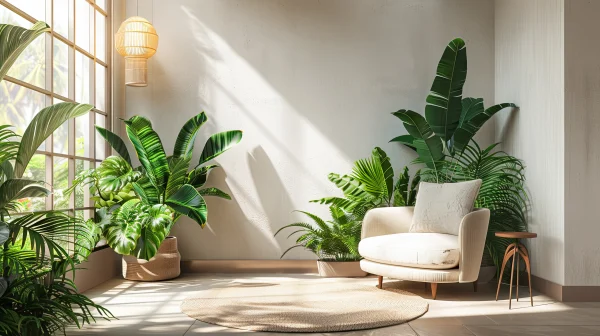
Light dictates our energy levels. Our internal clocks, or circadian rhythms, respond to the sun’s movement. A static, flickering fluorescent bulb confuses the brain. Biophilic Design prioritizes changing light that shifts throughout the day. Research from ResearchGate highlights that sunlight is a key factor affecting our sleep cycles and daily spirits. The World Green Building Council adds that these patterns of light and dark provide necessary signals to the body to keep internal clocks aligned with the world, which is necessary for quality sleep and health. Additional research on ResearchGate indicates that sunlight improves mental clarity and mood while aiding the body’s internal timing. This keeps our hormones in balance and ensures we feel awake in the morning and tired at night.
Strategic window placement allows for "diffuse" light. This prevents harsh glares while filling a room with warmth. We use reflective surfaces to bounce sunlight into dark corners. This technique maximizes every hour of daylight. A study in ResearchGate found that classrooms featuring views of nature and natural shapes helped students achieve more and feel less tension. In offices, it reduces eye strain and headaches.
Implementing Biophilic Interior Design Principles through Texture
Our sense of touch often goes ignored in modern design. We surround ourselves with plastic and cold metal. These materials feel "dead" to our skin. Through the use of biophilic interior design principles, we reintroduce haptic richness. We use stone, timber, and wool to ground the inhabitant. These textures provide a sense of place and comfort.
Rough-hewn wood or cool slate provides sensory variety. This variety keeps the brain engaged without overwhelming it. Touching a wooden desk can actually lower heart rate compared to touching a plastic one. We prioritize materials that reflect the local geography to create a deeper bond with the environment.
The Role of Biomimicry in Pattern Selection
Nature repeats certain geometric shapes called fractals. You see them in ferns, clouds, and waves. Our eyes find these patterns incredibly easy to process. How does biophilic design reduce stress? Providing the brain with effortless sensory input, like natural fractals, activates the parasympathetic nervous system and lowers heart rate. Using these patterns in carpets or wall panels prevents visual boredom and mental fatigue.
Spatial Geometry and the Rules of Prospect and Refuge
Humans feel most comfortable when they can see a long distance while remaining protected from behind. We call this "Prospect and Refuge." Think of a bird’s nest or a cave overlooking a valley. Biophilic Design uses this rule to create layouts that feel safe. We place seating areas in nooks with solid walls at the back.
Meanwhile, we ensure the occupant has a clear view of the surrounding room or the outdoors. This satisfies the biological need for environmental surveillance. An open-plan office often fails because it offers too much prospect and no refuge. Adding high-backed booths or partitioned workstations fixes this. It allows employees to focus because they no longer feel "exposed" from behind.
Managing the Sensory Environment beyond Sight
A comprehensive look into nature-centric design must include sound and smell. Natural acoustics matter. We use soft materials to dampen the "echo" of modern life. Moving water or the sound of wind through leaves masks annoying mechanical hums. These sounds improve concentration and reduce irritability.
Smell also plays a major role in health. Many plants emit chemicals called phytoncides. When we breathe these in, our immune systems get a boost. Using essential oils from pine or cedar mimics this effect indoors. It creates an atmosphere that actively heals the occupant.
Natural Ventilation and Thermal Variability
Static temperatures make the brain sluggish. In nature, air moves and temperatures fluctuate. We use natural ventilation to create cross-breezes. This subtle movement keeps us alert. Can you have biophilic design without plants? You can achieve restorative effects through natural ventilation, sunlight, and organic textures like timber, even if you lack greenery. Fresh air flow removes toxins and increases oxygen levels for better thinking.
Modern Challenges and Maintenance Rules
Implementing these rules in a city requires a strategy. Many urban dwellers lack access to gardens. We solve this through "low-tech" applications like potted herbs or nature-themed art. "High-tech" solutions include green walls with built-in irrigation. These systems bring massive amounts of vegetation into small footprints.
The biggest challenge involves maintenance. A dying plant creates more stress than no plant at all. We choose "hardy" species that thrive in low light. We also prioritize "non-rhythmic sensory stimuli," like the unpredictable swaying of a hanging plant. This keeps the environment feeling alive rather than static and managed.
The Psychological Effect of Organic Shapes
Straight lines and sharp ninety-degree angles rarely appear in the wild. Our brains perceive sharp corners as potential threats. Organic shapes, curves, ovals, and soft edges, feel more inviting. We use furniture with rounded corners to create a "soft" visual environment.
This preference for curves is hard-wired. It causes the part of the brain associated with reward and aesthetic pleasure. Replacing a rectangular coffee table with an organic, pebble-shaped one changes the mood of the entire room. These shapes encourage relaxation and social interaction.
Final Thoughts on Biophilic Design
These rules represent a return to our roots rather than a passing trend. We are biological creatures living in a digital age. Integrating biophilic interior design principles into our homes and offices fixes the disconnect between our bodies and our buildings. Even small changes, like adding a wooden desk or moving a chair toward a window, offer immediate benefits. You will feel your heart rate drop and your focus sharpen. Embracing Biophilic Design ensures that our indoor world finally supports our human nature.
Recently Added
Categories
- Arts And Humanities
- Blog
- Business And Management
- Criminology
- Education
- Environment And Conservation
- Farming And Animal Care
- Geopolitics
- Lifestyle And Beauty
- Medicine And Science
- Mental Health
- Nutrition And Diet
- Religion And Spirituality
- Social Care And Health
- Sport And Fitness
- Technology
- Uncategorized
- Videos

