
Image Credit - By Calreyn88, Wikimedia Commons
1970 Austin 3-Litre: A 14,000-Mile Classic Rescue
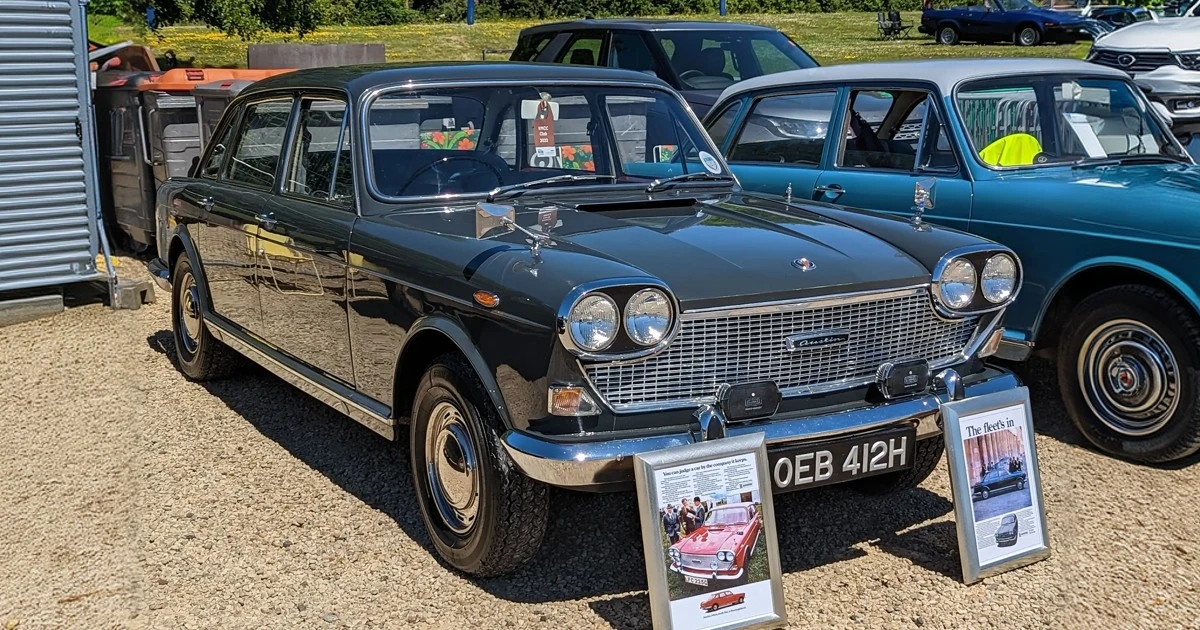
A terrible commercial failure often transforms into a highly sought-after prize simply because nobody bought it in the first place. Scarcity overrides logic. In the late 1960s, British Leyland produced a massive vehicle that consumers actively avoided. Today, that exact market rejection makes the 1970 Austin 3-Litre an incredibly rare obsession for vintage automobile enthusiasts.
Orkney resident Cathleen Hourie spent years aggressively searching the internet for this specific mulberry-colored car. Her digital hunt eventually triggered a massive logistical operation stretching from a dusty private collection in New Zealand to a specialized workshop in Rotterdam. The complex operation ended with a treacherous, grinding push into the Scottish-highlands. Delivering this 55-year-old relic required extreme stubbornness and a heavy dose of sheer mechanical luck.
The Fatal Flaw of the 1970 Austin 3-Litre
Pasting a premium price tag onto a cheap design inevitably trains buyers to look at your competitors instead. When George Harriman led the development of the 1970 Austin 3-Litre, the ambitious project lacked crucial input from famous designer Alec Issigonis. Issigonis actively opposed the direction of the new heavy sedan. The final product shared its entire central body section with the much cheaper Austin 1800 model.
This massive manufacturing shortcut earned the new vehicle the mocking nickname of the "Land-lobster." Buyers instantly noticed they were paying a heavy premium for an awkwardly enlarged clone of an economy car. The greedy pricing strategy doomed the vehicle on arrival in showrooms across the country.
The heavy high price tag of over £1,500 shocked average consumers. Combined with sluggish performance and heavy fuel consumption, this cost drove buyers straight toward superior Rover, Triumph, and Jaguar models built by the very same parent company. British Leyland effectively cannibalized its own sales floor. The vehicle debuted with high hopes at the 1967 London Motor Show and died quietly by May 1971. Dealerships hated stocking them. Consumers hated buying them. The manufacturer ultimately produced a pitiful 9,992 units before shutting down the assembly line forever.
A Nostalgic Fixation Forged by Destruction
Repeatedly destroying an item forces the human brain to idealize whatever scraps are left behind. Cathleen Hourie originally received her first version of this vehicle as a gift from an unlicensed former partner. The romance eventually ended, but her fierce infatuation with the heavy British car became permanent. She actively drove and ultimately destroyed three separate models of this exact vehicle over the ensuing years.
That long trail of wrecked metal turned into a deep compulsion to find another functional one. She spent years running constant online searches to track down any surviving models. Roughly 30 operational examples remain anywhere in the world today. How much is an Austin 3-Litre worth today? The current value hovers in the four-figure range, though exact prices vary wildly based on condition and transport fees. Hourie eventually paid a four-figure sum, which completely covered the rare vehicle and its massive global shipping costs.
The New Zealand Discovery
In the summer of 2023, an online advertisement finally triggered a digital match. A 55-year-old mulberry-colored version was sitting idle in a private collection in New Zealand. Hourie initially felt extreme doubt upon seeing the listing. She actively questioned the legitimacy of the online advertisement.
The massive geographic distance made the purchase seem physically impossible at first glance. Shipping a heavy relic across the planet requires deep pockets and massive trust between total strangers. Finding the car on a screen was merely the opening phase of a grueling global transit challenge.
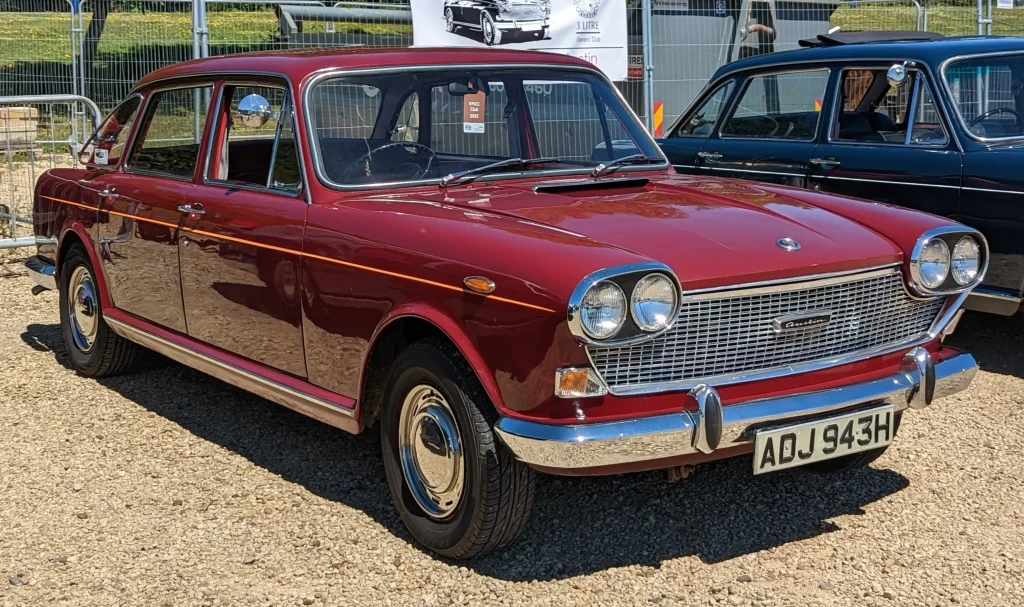
Image Credit - By Calreyn88, Wikimedia Commons
The Half-Century Wait for the 1970 Austin 3-Litre
Geographic distance acts as a natural filter, eliminating casual buyers and leaving only the most obsessive collectors in the game. Hans Compter, an 86-year-old Dutch classic automobile restorer, owned the specific vehicle Hourie wanted to buy. A self-described fanatic, he has spent his entire life dedicated to fixing up antique cars. Compter decided to personally oversee the entire global transit effort for his new Scottish buyer.
The intense route required securely strapping the car inside a shipping container for the long sea voyage from New Zealand to a massive port in Rotterdam. Once the container ship finally reached the Netherlands, Compter took the car straight to his personal workshop to handle necessary pre-delivery repairs.
Buying classic cars online always involves immense financial risk. Both parties shared a mutual commitment to preserving this specific machine. Compter meticulously prepared the heavy sedan for the brutal Scottish climate. He boldly projected that the car still had a full half-century of functional capacity left inside its metal bones. He wanted to ensure the new owner received exactly what she paid for.
Engineering Oddities: Hydrolastic Suspension and Rolls-Royce Roots
Attempting a luxury corporate partnership often leaves behind strange engineering quirks long after the original collaboration completely falls apart. The initial design concept actually stemmed from a completely failed partnership with luxury giant Rolls-Royce. Engineers originally built the Bentley Java prototype. That specific model ultimately bombed on the market as the Vanden Plas 4 Litre R.
The resulting 1970 Austin 3-Litre inherited some highly unusual traits from these early missteps. The vehicle features an incredibly complex Hydrolastic suspension system. Engine-driven hydraulic rams create a self-leveling rear setup that attempts to keep the heavy car flat during tight corners. This rear-wheel-drive layout relies on a highly conventional four-speed gearbox to transfer power directly to the asphalt.
Engine and Drivetrain Realities
The heavy engine block creates its own set of unique driving dynamics. What engine is in the Austin 3 Litre? The car runs on a heavy 3-litre, 7-bearing BMC C-Series engine equipped with twin SU carburettors, producing 125 brake horsepower. The motor slowly hauls the heavy steel frame to a maximum velocity of 110 mph.
Despite possessing enough top-end speed to cruise on modern highways, the car accelerates with a distinct lack of urgency. The sheer weight of the stretched chassis completely neutralizes the raw power of the heavy engine block. Driving the vehicle feels more like steering a heavy barge than navigating a standard luxury sedan.
Interior and Dimensional Realities
The interior reflects a bizarre mix of luxury aspirations and strict corporate budget choices. The cabin features rich wood veneers, soft cloth headlining, and high-quality vinyl seating. Surprisingly, buyers could not even order a leather interior option directly from the factory floor.
The overall length stretches to a massive 186 inches, making it a full 19 inches longer than the standard Austin 1800. This abnormally long footprint made the heavy chassis a highly popular base for aftermarket modifications. Independent coachbuilders frequently chopped up the remaining cars to build Crayford estates, Woodhall Nicholson hearses, local ambulances, and highly customized stretch limousines.
The Irony of the 1970 Opel Blitz Transporter
Relying on one antique vehicle to transport another instantly doubles the exact breakdown risk you are actively trying to avoid. Compter decided to deliver the 1970 Austin 3-Litre personally for the final leg of the intense trip. He loaded the classic car onto a 1970 Opel Blitz. This vintage truck transporter originally served as a standard commercial hauler before being heavily converted into a custom car carrier.
Compter harbored a deep personal desire to explore the wilds of Scotland. He completely underestimated the brutal driving time from the Newcastle ferry port to the final destination in Scrabster. The 400-mile route up the rugged Scottish coast turned into a punishing two-day endurance test.
The severe miscalculation exposed the absolute limitations of driving a 55-year-old commercial truck across unpredictable highland terrain. The old Opel groaned loudly under the weight of the massive British sedan strapped firmly to its back. Every hill tested the limits of the aging engine block.
The Berriedale Braes Trap
The intense journey hit a massive snag during a notoriously steep descent in Caithness. Compter navigated the treacherous topography of the Berriedale Braes and accidentally drove the heavy rig straight into an emergency gravel escape bed. The tires of the Opel Blitz sank deep into the loose stones, completely trapping the vehicle.
Compter feared the truck and its precious cargo were permanently damaged by the sudden physical impact. A passing motorist eventually stopped and helped pull the heavy rig free from the deep gravel trap. The entire entrapment lasted a full, highly stressful hour. Amazingly, both the old transport truck and the mulberry-colored sedan survived the ordeal completely intact.
The Financial Reality of Moving a 55-Year-Old Relic
Committing to a massive international purchase instantly shifts the main challenge from acquiring the physical item to paying for its cross-world movement. The sheer logistics of moving a rare vehicle halfway across the planet demand a serious financial commitment. Hourie paid a four-figure sum to firmly secure the vehicle. This purchase cost completely covered the rare metal itself. The payment also fully included the massive delivery fee required to extract the car from its New Zealand storage shed.
Finding an 86-year-old seller willing to handle the extreme logistics of international shipping is incredibly rare. Shipping a vintage car requires handling import taxes, navigating container fees, and securing proper sea transit insurance. Expert restorers like Compter understand that a car left sitting idle in a damp shipping container for weeks can develop severe mechanical issues before it even reaches dry land. He skillfully managed the finances and the complex logistics simultaneously.
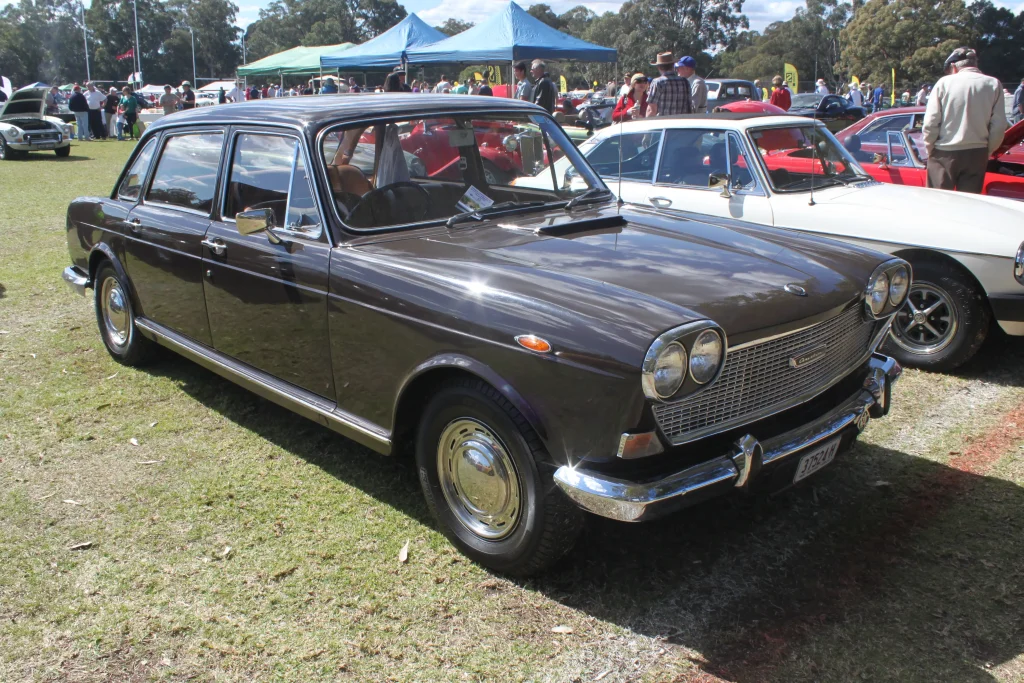
Image Credit - By Jeremy from Sydney, Australia, Wikimedia Commons
Internal Rivalry and the Downfall of the Land-Lobster
Corporate redundancy destroys perfectly functional products by forcing them to aggressively compete against their own siblings for showroom floor space. The British Leyland classic cars lineup suffered from extreme internal crowding in the late 1960s. The 1970 Austin 3-Litre entered a highly redundant market space. Buyers found superior options parked directly across the dealership floor. The general public viewed the heavy sedan as a distinctly downmarket option compared to sleek, modern alternatives.
Consumer avoidance skyrocketed due to its unappealing aesthetics and sluggish handling dynamics. Automotive historians routinely label the bulky model a massive white elephant. However, some industry insiders viewed the heavy sedan quite differently. Are Austin 3-Litres good cars? Former BMC managers highly praised the vehicle's inherent charm, and Longbridge executives frequently retained personal models for their own daily use.
Test drivers particularly loved an unreleased V8 Wolseley variant that boasted massively improved speed, higher fuel efficiency, and tighter cornering ability. They preferred the raw power of the experimental engine.
A Commercial Disaster
That upgraded V8 version never saw the light of day. The standard version remained a complete commercial disaster from start to finish. Producing fewer than 10,000 total units made the entire project a massive financial loss for the manufacturer. Dealerships struggled daily to move the heavy, thirsty sedans off their front lots.
The cars sat collecting dust while eager buyers flocked to the sleek Rover P6 and the highly praised Triumph 2000. By May 1971, the company officially killed the production run, abandoning the quirky suspension and the oversized body shell forever. The massive market failure cemented the car as a mere footnote in motoring history.
The Final Orkney Arrival of the 1970 Austin 3-Litre
Surviving a highly chaotic delivery immediately replaces the acute stress of transit with the heavy, permanent burden of preservation. After the narrow escape from the gravel trap, the vintage truck transporter finally reached the Scrabster port. The two 55-year-old vehicles slowly boarded the ferry for the last water crossing to Orkney. Hourie finally took possession of the 1970 Austin 3-Litre she had spent years aggressively tracking down.
The physical condition of the car vastly exceeded her wildest expectations. She reported constant joy and immense satisfaction since the delivery truck pulled into her driveway. The long wait officially ended the moment the tires touched her property.
Compter expressed deep gratitude for the random motorist who saved his historic truck from the Highland gravel bed. The 86-year-old restorer successfully completed a transit effort spanning the entire globe. He handed over the keys, ensuring the survival of one of the rarest sedans in British motoring history.
The Legacy of a Discarded Classic
Scarcity forces us to reevaluate objects we previously ignored with total confidence. The 1970 Austin 3-Litre failed miserably during its actual production run. Buyers hated the cloned design, the high asking price, and the extremely heavy fuel consumption. Yet, those exact market failures created a rarity that drives intense modern-day obsession.
A 14,000-mile journey from a New Zealand storage shed to a remote Orkney driveway proves that value has nothing to do with initial commercial success. Cathleen Hourie and Hans Compter resurrected a completely forgotten piece of automotive history. They pushed two 55-year-old vehicles across continents, oceans, and treacherous coastlines to make a single delivery happen. True preservation requires extreme effort, deep stubbornness, and a willingness to drag a heavy sedan out of the past and back onto the open road.
Recently Added
Categories
- Arts And Humanities
- Blog
- Business And Management
- Criminology
- Education
- Environment And Conservation
- Farming And Animal Care
- Geopolitics
- Lifestyle And Beauty
- Medicine And Science
- Mental Health
- Nutrition And Diet
- Religion And Spirituality
- Social Care And Health
- Sport And Fitness
- Technology
- Uncategorized
- Videos

