
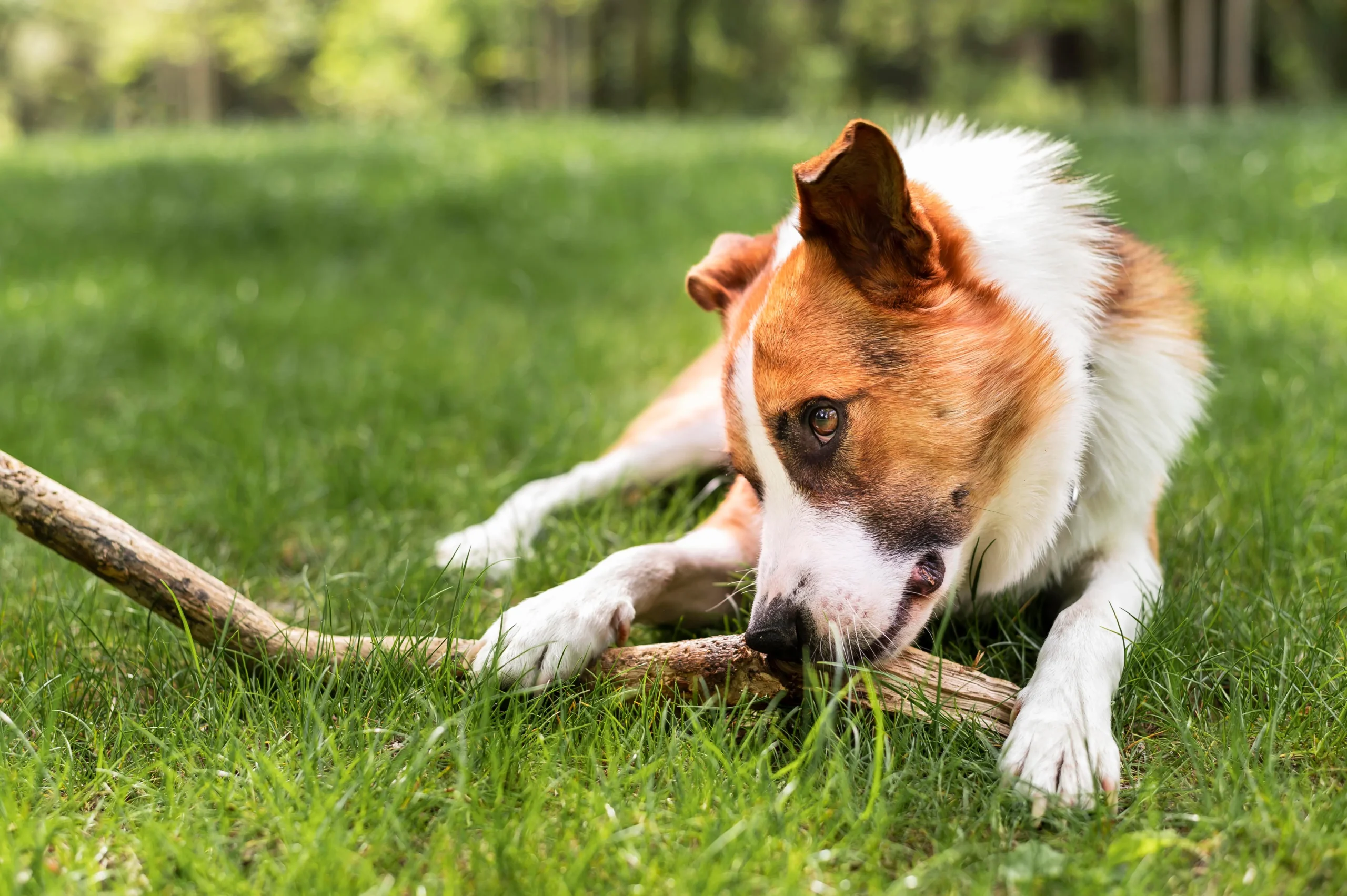
Zoopharmacognosy: Stop Dog Itching Problems
Your dog scratches until the skin bleeds. You apply expensive creams and buy special food, yet the redness returns. Your dog actually knows exactly what plants they need to fix the itch. This internal drive connects modern pets to their wild ancestors. Scientists call this Zoopharmacognosy, which refers to healing behavior in dogs that helps you stop guessing which cream might work. You let your dog lead the way. They use their nose to find specific plant chemicals that calm their immune system. This process turns a frustrated owner into a helpful partner. You stop forcing treatments and start offering choices. Your dog’s body already understands how to balance its own chemistry.
The Science of Animal Self-Medication
Wild animals do not have doctors. They rely on the earth to stay healthy. According to a report by PMC, the concept of animal self-medication, or zoopharmacognosy, was first developed by biologists Eloy Rodriguez and Richard Wrangham in 1993. As noted by PBS Newshour, they found that animals select specific plants to manage illnesses, neutralize poisons, repel parasites, and heal wounds. This is not a matter of random luck, as every dog carries an ancient library of medical knowledge in their DNA. You might wonder, can dogs naturally heal their own skin? Scientific observation shows that many canines actively seek out specific plant secondary metabolites to modulate their immune response and reduce cutaneous inflammation.
Dogs use a tool called the vomeronasal organ (VNO) to achieve this. You find this inside the roof of the mouth. According to research found on PubMed, this organ detects nonvolatile cues or liquid chemicals that a regular nose misses. A review on ResearchGate notes that VNO neurons are closely linked to the hypothalamus and participate in its activation through the accessory olfactory bulb and the amygdala. It initiates immediate physiological changes. Dr. Michael Huffman documented this in 1987, recording for sas.upenn.edu how a sick chimpanzee sucked the bitter pith of the Vernonia amygdalina plant and recovered from symptoms within 20 to 24 hours. Your dog uses these same ancient pathways to target skin irritation.
How Zoopharmacognosy Empowers Your Dog to Combat Skin Inflammation
Most shampoos treat every dog the same way. Zoopharmacognosy instinctive healing behavior works differently. Your dog identifies the exact cause of the itch. They know if a fungus or a bacterium causes the redness. A broad-spectrum soap often strips away healthy oils and creates more irritation. Your dog only chooses what their body lacks at that moment. This precision saves time and money.
Animals use sensory modulation to find relief. This means their sense of smell changes based on their health needs. If a dog has a fungal infection, a specific oil might smell sweet and attractive to them. Once the infection clears, that same oil smells foul. Their body literally switches off the attraction when they have enough medicine. This prevents over-medicating. Zoopharmacognosy relies on this biological toggle switch. Trust in this process allows you to provide exactly what the skin needs to rebuild its lipid barrier.
The Primary Botanicals Used in Zoopharmacognosy for Itch Relief
Success depends on the quality of the plants you offer. You must provide therapeutic-grade extracts. Synthetic fragrances do not contain the secondary metabolites your dog needs.
Essential Oils for Environmental Allergies

Dogs suffering from pollen or dust allergies often gravitate toward German Chamomile. According to an article in PMC, this oil contains high levels of various phenolic compounds and flavonoids, specifically apigenin and bisabolol. Research from WUM suggests these compounds act as natural anti-histamines by inhibiting the release of histamine from mast cells and suppressing the overproduction of specific antibodies. Roman Chamomile offers similar benefits but focuses more on the nervous system. A common question is, what are the signs of a dog self-selecting a remedy? Usually, a dog will exhibit "sustained sniffing" or "licking the air" near a specific botanical, which signals that their body requires that specific medicinal profile to address the itch. If your dog leans into the scent of Chamomile, they are likely trying to lower their systemic allergic response.
Fixed Oils and Macerates for Dry Skin
Calendula macerate works wonders for broken skin. Dogs select it for its triterpenoid content. These chemicals fight Staphylococcus bacteria, which often move in when a dog scratches too much. Neem oil serves a different purpose. It contains azadirachtin. This compound repels mites and fleas while soothing the skin. A dog with a parasite-based itch will often choose Neem over Chamomile. They know the difference between an allergy and an infestation. Offering both allows them to pick the right tool for the job.
Decoding the Stages of Zoopharmacognosy instinctive healing behavior
You must act like a waiter, not a doctor. In the first phase, the dog takes an introductory sniff. They use their main olfactory system to identify the molecules. If they turn away or sneeze, the chemistry is currently wrong for them. Respect this choice immediately. Never rub the oil on them if they move away.
The second stage is the processing phase. Watch for the "glaze" in their eyes. They might look distant or sleepy. Some dogs yawn deeply or start blinking rapidly. This shows the Vomeronasal organ is sending signals to the brain. The body is beginning to shift its internal state. Finally, the dog gives a completion signal. They simply walk away or lie down with their back to the oils. This tells you their receptors have closed. They have taken the exact dose they need.
Practical Steps to Offer Selection for Canine Dermatitis
Setting up a session is simple. Find a quiet, familiar room. Offer three to five different extracts one at a time. Hold the bottle cap or a cloth near the dog. Let them decide the distance. A dog with an intense itch might try to lick the bottle or rub their neck against it.
Many owners ask, is Zoopharmacognosy the same as herbal medicine? While both use plants, this practice is unique because the animal—not the human—determines the dosage and the specific plant based on their immediate biological requirements. In traditional herbalism, the human decides the dose. In this practice, the dog's own nose prevents toxicity. If you offer Green Clay, for example, your dog might lick it to balance their gut or apply it topically to pull toxins from a "hot spot." They lead every step of the process.
Safety Protocols When Facilitating Zoopharmacognosy at Home
Safety requires strict rules. You must always provide a flight path. Keep the door to the room open. If a scent becomes overwhelming, the dog must have the power to leave. Forcing a dog to stay in a room with strong oils causes sensory overload. This leads to stress and can actually worsen skin conditions.
Avoid hiding extracts in food. This bypasses the dog's sensory filters. When a dog eats a hidden herb, they cannot use their Vomeronasal organ to regulate the dose. This creates a risk of toxicity. It also breaks the trust between you and your pet. Only use high-quality oils. As noted in research from ResearchGate, conventional steam distillation is often considered unsuitable for certain flowers because the process can cause the heat-driven breakdown of their chemical components; therefore, a study in MDPI suggests sticking to organic, steam-distilled, or CO2-extracted botanicals. Cheap oils often contain solvents like hexane. These chemicals damage the skin and lungs.
Long-Term Benefits of Trusting Your Dog’s Instinctive Healing Behavior
Placing trust in Zoopharmacognosy instinctive healing behavior changes your relationship. Your dog feels heard and understood. Traditional vet visits involve needles and forced pills. This practice involves choice and relaxation. When a dog feels in control of their healing, their cortisol levels drop.
High cortisol fuels systemic inflammation. It makes the skin more reactive to allergens. The provision of autonomy lowers their stress and speeds up physical recovery. You see fewer flare-ups over time. The bond grows stronger because you are finally speaking their chemical language. You become a partner in their wellness instead of a source of stress. This emotional shift provides a foundation for long-term health that medicine alone cannot match.
Embracing a New Way to Heal
You now see your dog as a partner in health. This shift away from forced treatments creates a peaceful home. Zoopharmacognosy honors the natural wisdom inside every canine. Stop fighting the itch with chemicals that fail to address the root cause. Trust the ancient library that already exists in your dog's DNA. Support for the dog's choice leads to real results. You replace the sound of scratching with the peace of a resting pet. This path into Zoopharmacognosy provides clear skin and a deeper connection to the natural world, leading to a healthier life for your best friend.
Recently Added
Categories
- Arts And Humanities
- Blog
- Business And Management
- Criminology
- Education
- Environment And Conservation
- Farming And Animal Care
- Geopolitics
- Lifestyle And Beauty
- Medicine And Science
- Mental Health
- Nutrition And Diet
- Religion And Spirituality
- Social Care And Health
- Sport And Fitness
- Technology
- Uncategorized
- Videos

