
Tech Saves Cardamom Farming Jobs
Battle for the Green Gold: Tradition Clashes with Tech in the Cardamom Hills-The Harsh Truth of Cultivation
Outsiders frequently misjudge the spice trade as a simple path to wealth. Stanley Pothan grows cardamom within the southern Indian state of Kerala. He quickly corrects this common misconception. Pothan has spent decades toiling in the soil. He identifies the plant as the most demanding challenge in agriculture. The world prizes these green pods for their intense aroma and complicated taste. Yet, producing them involves a relentless struggle. Pothan explains that the bushes possess a fragile constitution. Diseases strike them with ease. Pests attack without any warning. A grower must walk the fields constantly. He inspects every single leaf. He checks each flower for damage. The crop requires absolute dedication every day of the year.
An Ancient Botanical Legacy
The history of this spice stretches back thousands of years. Ancient texts record the movement of these pods from the Western Ghats to Mediterranean civilizations. Arab traders controlled the routes for centuries. They kept the source a closely guarded secret. This mystery added to the allure and value of the spice. European powers later fought for control of the spice lands. The Portuguese arrived on the Malabar Coast seeking this green treasure. The history of the region ties directly to the aroma of these pods. The plant belongs to the ginger family. It grows from underground rhizomes. Tall, leafy shoots emerge from the soil. These shoots can reach several meters in height. The flowering stalks grow from the base.
Climate Chaos and Production Loss
Weather patterns dictate the fate of every harvest. Pothan recalls the brutal heat of the previous summer. High temperatures destroyed a vast section of his plantation. This crisis extended far beyond India. Guatemala leads the globe in total output. That nation lost nearly sixty per cent of its yield during the same season. Kerala suffered a similar fate. The heatwaves scorched the delicate plants. Leaves withered under the relentless sun. Water sources dried up. Farmers watched helplessly as their potential profits vanished. The changing climate poses an existential threat to this sensitive crop. Without consistent rain and cool temperatures, the plants simply fail to produce the precious capsules.
The Economic Surge of Scarcity
Market forces responded instantly to the sudden drop in supply. The regulatory body for Indian spices released data detailing the surge. Prices jumped by seventy per cent within a single year. Buyers paid 1,178 rupees (£10; $13) for a kilogram. This marked a sharp increase from the previous season. Only vanilla and saffron cost more by weight. Traders call this product the "Queen of Spices" for good reason. Its value remains consistently high. However, the recent spike highlights the volatility of the market. Scarcity drives prices up, but it also signals distress in the fields. Farmers earn more per kilo, but they have fewer kilos to sell.
The Gamble of Expanding Output
Growers naturally want to increase their output to capture these high prices. Expanding production involves immense risk. Pothan outlines the brutal reality of the industry. A single summer of extreme heat can ruin everything. Unexpected rain at the wrong time destroys the pods. All the hard work vanishes in days. Nature offers no guarantees. Farmers invest heavily in labor and fertilizers. They hope for a good yield. Often, the weather decides the outcome. This uncertainty keeps many growers awake at night. They walk a fine line between profit and financial ruin. One bad season can wipe out savings accumulated over years.
Institutional Support and Strategy
The Indian Cardamom Research Institute (ICRI) works to mitigate these risks. The government funds this organization to support the sector. Dr A B Reema directs the team under the national board's supervision. She outlines their multi-pronged strategy. The team focuses on improving crop genetics. They monitor disease outbreaks across the region. Soil management receives significant attention. They also build capacity among the farming community. The primary goal involves transferring modern technology to traditional fields. The institute aims to arm farmers with knowledge. They want to reduce the dependency on luck. Science must replace superstition in the battle for better yields.
Digital Tools in the Field
Smartphone applications now play a central role in cultivation. The institute developed an app specifically for spice cultivators. Farmers use this tool to monitor soil health. The software provides tailored recommendations for nutrient management. Dr Reema asserts that technology and farming no longer exist in separate silos. Digital tools have become daily necessities. Growers check rainfall data on their screens. They receive instant alerts about disease outbreaks. The phone has become as important as the sickle. Information flows faster than ever before. This real-time data allows for precise adjustments. A farmer knows exactly what his land needs without guessing.
Democratising Scientific Data
Even small-scale cultivators embrace these digital solutions. They no longer rely solely on village gossip or local advice. The app gives them direct access to scientific data. They measure soil moisture levels precisely. They identify disease symptoms early. This immediate access to information empowers them. It allows for quick interventions. A farmer can save a crop by reacting fast to a pest warning. Technology bridges the gap between traditional knowledge and modern science. It levels the playing field for the little guy. He now possesses the same intelligence as the large estate owners. This shift changes the power dynamic in the hills.
The Quest for Resilient Genetics
Scientists actively search for tougher plant varieties. Preity Chetty teaches genetics and breeding at the university in Kerala. Her team focuses on a clear objective. They aim to develop plants that resist major pests. These new varieties must also tolerate diseases. High yield remains a priority. However, climate resilience now tops the list of desired traits. The changing weather patterns demand a plant that can survive stress. The team works in the laboratory and the field. They cross-breed different strains. They look for the perfect combination of toughness and productivity. It is a slow process, but essential for the future.
Breakthroughs in Water Management
The research team recently celebrated a significant success. They identified a variety capable of growing in water-scarce conditions. This breakthrough offers hope for drought-prone seasons. The scientists continue to delve deeper into the plant's biology. They analyze the genetic makeup of the species. The goal involves finding specific genetic markers. These indicators reveal desirable traits like drought tolerance or pest resistance. Identifying them accelerates the development process. It removes the guesswork from selecting the best plants. Breeders can now choose the strongest candidates with certainty. This precision saves years of trial and error in the field.

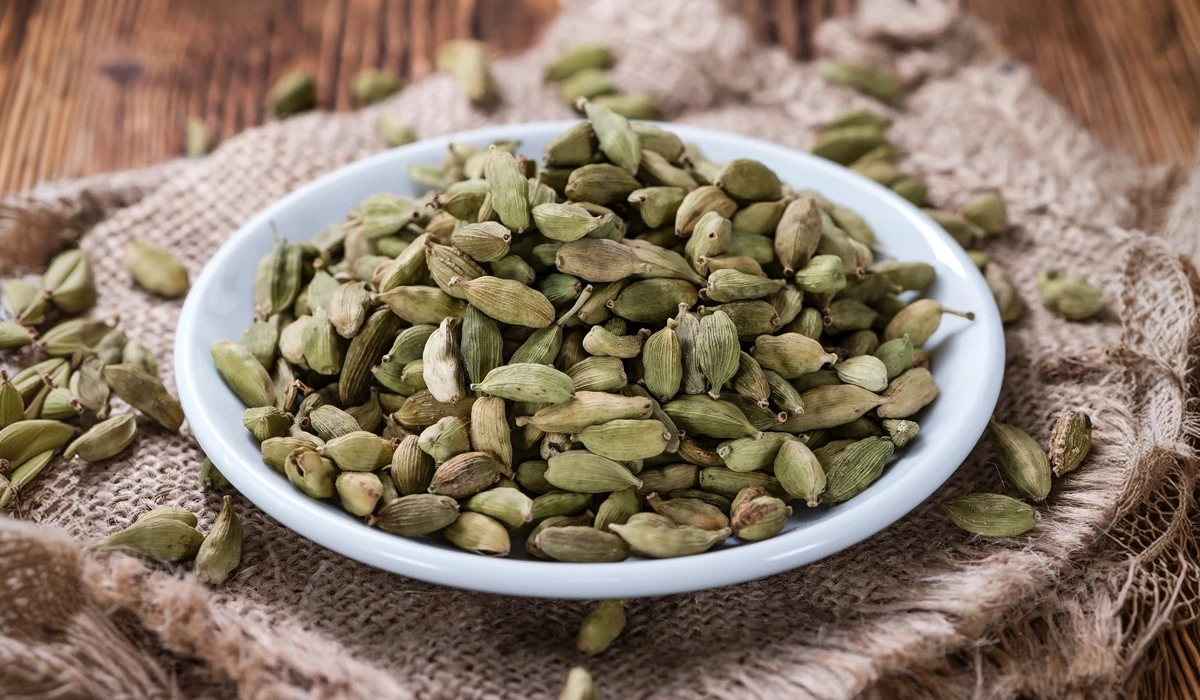
Image Credit by - Aviatorjk, CC BY-SA 4.0, via Wikimedia Commons
Filling the Research Void
Scientific literature on this spice remains sparse compared to other major crops. Dr Chetty points out the limitations of current knowledge. Few studies exist regarding molecular biology. Researchers lack sufficient genetic indicators regarding yield traits. The team at the university works tirelessly to fill this void. They map the genome to understand reproductive characteristics. This fundamental research paves the way for future food security. It ensures the industry can adapt to environmental changes. Every discovery adds a piece to the puzzle. Understanding the plant's DNA unlocks new possibilities. Science is finally catching up with centuries of tradition.
The Critical Drying Phase
Harvesting the pods constitutes only half the battle. Drying the spice determines its final quality. Farmers must dry the pods immediately after picking. This process locks in the flavor and color. Large estates traditionally dominated this stage. They possessed the capital to build private drying facilities. These large dryers typically burned wood for heat. Smoke often contaminated the spice. The process required immense amounts of fuel. Small farmers lacked access to such infrastructure. They often sold wet pods at a lower price. This lack of processing power kept them poor. Controlling the drying stage is the key to profit.
Social Enterprise Intervention
Annu Sunny saw a need for change in the processing sector. She founded Graamya in 2016. This social enterprise aims to assist smallholders in the region. Sunny explains the previous struggles of these farmers. They relied on middlemen to dry their harvest. Neighbors with dryers dictated the terms. Delays often occurred. Quality suffered as a result. The pods lost their vibrant green hue. The market value dropped. Sunny wanted to return control to the growers. She built a system that prioritizes the farmer. Her goal involves fair access to technology. No farmer should lose value due to a lack of equipment.
The Long Learning Curve
Sunny describes the influx of new growers into the sector. High prices attract many people to the trade. They view it as a lucrative cash crop. However, they often underestimate the complexity. Sunny calls it a tricky plant. She believes a farmer needs a decade to truly understand the bush. One must learn how it behaves in different conditions. Knowing the timing for action versus patience is crucial. Every season presents a fresh trial. A novice makes mistakes that cost money. Experience is the only true teacher in the hills. The spice does not forgive errors easily.
Modernizing the Process
Graamya brought in drying technology using heat pumps. These machines offer a superior alternative to wood-fired systems. The enterprise charges growers 10 rupees for every kilogram. This price point undercuts traditional methods. Wood drying typically requires around 14 rupees for the same weight. The economic benefit attracts many users. But the quality improvement seals the deal. The modern dryers produce a better finish. Efficiency drives the adoption of this new tech. Farmers save money and get a better product. It is a win-win situation for the community. The transition away from wood also helps the local forests.
Quality Determines Value
The heat-pump system eliminates smoke completely. It ensures even heating across all trays. The final look improves significantly. Keeping the green hue intact is vital. Sunny emphasizes the importance of this visual trait. Color determines market value in the auction centers. Buyers look for a specific shade of parrot green. Brown or unevenly dried pods fetch lower rates. Technology thus directly boosts the farmer's income. It also reduces the environmental footprint by eliminating wood burning. A greener pod means more green in the wallet. The market rewards perfection, and technology delivers it.
The Organic Frontier
Most growers rely on chemical fertilizers and pesticides. The delicate nature of the plant makes this the standard path. However, some pioneers choose a different route. They adopt organic cultivation methods. Mathews Geroge represents this new wave of farmers. He formerly worked as a banker. He adopted agriculture within the state during 2020. Geroge admits he lacked knowledge at the start. He entered the field with enthusiasm but little experience. He wanted to grow clean food. He believed in the principles of nature. His journey began with a steep learning curve.
Overcoming Initial Skepticism
Experts from the research body initially warned him against the organic approach. They advised him to stick to chemicals. They cited the extreme sensitivity of the plant. They argued that organic methods would fail against pests. The initial results seemed to confirm their fears. Pests destroyed ninety per cent of Geroge's first crop. Buyers nearby refused the few pods he managed to harvest. They claimed the product looked poor. The market showed no mercy for his experiments. He faced financial loss and ridicule. Yet, he refused to give up. He knew there had to be a better way.
Ancient Wisdom Returns
Geroge persisted despite the failure. He spent two years experimenting with different techniques. Eventually, he adopted Vrikshayurveda. This ancient Indian system outlines traditional agricultural practices. Geroge claims these methods brought him success. He creates his own inputs using natural materials. The condition of his soil improved. The plants became stronger. However, he emphasizes that the challenge remains. Organic farming requires constant vigilance. It is not an easy path. One must watch the plants closely. Natural farming demands more time than chemical farming. It is a labor of love and patience.
Rhythms of Nature
The former banker stays humble about his skills. He refuses to claim mastery over the crop. The plant challenges him every day. Some seasons yield excellent results. Others bring disappointment. Yet, he now understands the cycle of the plantation. He knows when to intervene. He knows when to let nature take its course. This intuitive understanding replaces the rigid schedules of chemical farming. He believes this balance is the key to long-term survival. He listens to the land. He observes the insects. He works with the ecosystem, not against it. This harmony brings him peace and profit.
Economics of Sustainability
Geroge argues that organic farming can compete financially. He focuses on the bottom line. Lowering expenses starts the path to sustainability. Numerous growers equate "organic" with "expensive." Geroge proves the opposite. He makes his own fertilizers. He understands his soil's needs. This reduces his dependence on costly store-bought chemicals. He earns better margins by spending less. The premium price for organic produce further boosts his revenue. Profit comes from saving, not just selling. Smart farming means watching the costs. A lower input cost protects the farmer when prices fall.
The High Cost of Labor
Technology transforms soil analysis and drying. However, one aspect remains resistant to automation. The industry relies heavily on skilled manual labor. Stanley Pothan breaks down his operational costs. He estimates that wages consume three-quarters of his total budget. The harvest period intensifies this spending. Picking these green capsules requires immense skill. Women predominantly hold these roles on the estates. They possess the specific knowledge needed to judge maturity. They are the backbone of the industry. Without them, the spice would rot on the bush. Their skill commands respect and wages.
The Art of Selective Harvesting
Pothan describes picking as a highly skilled job. The workers move through the dense rows of bushes. They identify the exact moment of pod maturity. They pluck only the developed capsules. They leave the others to grow further. A worker might picking a couple from a cluster. She returns to that bush later in the season. This selective process prevents mechanization. A machine cannot make these split-second decisions. The human eye remains superior. The touch of a human hand ensures quality. This meticulous care justifies the high price of the final product.
Why Machines Fail
Annu Sunny agrees that harvest jobs remain secure. Machines face significant limitations in these hills. Farmers can mechanise the spraying of fluids. They can use tools for removing weeds. But pruning requires human judgment. Harvesting demands manual dexterity. Innovators frequently visit the farms. They look at the plants and promise solutions. They claim they will build a robot to pick the pods. Yet, no solid solutions have emerged. The terrain and the plant's architecture defeat the machines. The slopes are steep. The plants are dense. Robots simply cannot navigate this complex environment.
Science Meets Soul
Pothan reinforces this sentiment. He believes the crop requires more than mere efficient processes. Science provides the tools for soil health and disease control. But the cultivation process relies on a mix of spirit and data. You cannot automate the intuition of a seasoned farmer. You cannot program a machine to care. The spice needs both science and soul. This unique combination ensures the royal spice continues to reign. The farmer connects with the land. He pours his energy into the soil. This emotional bond drives the industry forward.
Global Market Dynamics
Global demand continues to rise. The Middle East consumes a vast portion of the world's supply. Coffee flavored with this spice remains a staple in that region. Scandinavia also imports significant quantities. They use the pods in baking breads and pastries. This dual demand keeps the market active. India competes primarily with Guatemala. The Central American nation produces a cheaper product. However, the Indian variety often commands a premium. Buyers prefer its superior flavor profile. The oil content in Indian pods is higher. This quality difference secures India's place in the high-end market.
The Battle Against Pests
The war against insects never ends. Thrips pose a constant threat to the wallet. These tiny insects damage the capsules. They leave corky scabs on the skin. This damage reduces the market value. Borers tunnel into the stems. They weaken the plant from the inside. Nematodes attack the root systems. They stunt the plant's growth. Farmers use Integrated Pest Management to fight back. This strategy combines biological controls with chemical interventions. It aims to minimize environmental harm while protecting the crop. Every season brings a new wave of attacks. The farmer must remain vigilant to survive.
Recently Added
Categories
- Arts And Humanities
- Blog
- Business And Management
- Criminology
- Education
- Environment And Conservation
- Farming And Animal Care
- Geopolitics
- Lifestyle And Beauty
- Medicine And Science
- Mental Health
- Nutrition And Diet
- Religion And Spirituality
- Social Care And Health
- Sport And Fitness
- Technology
- Uncategorized
- Videos

