
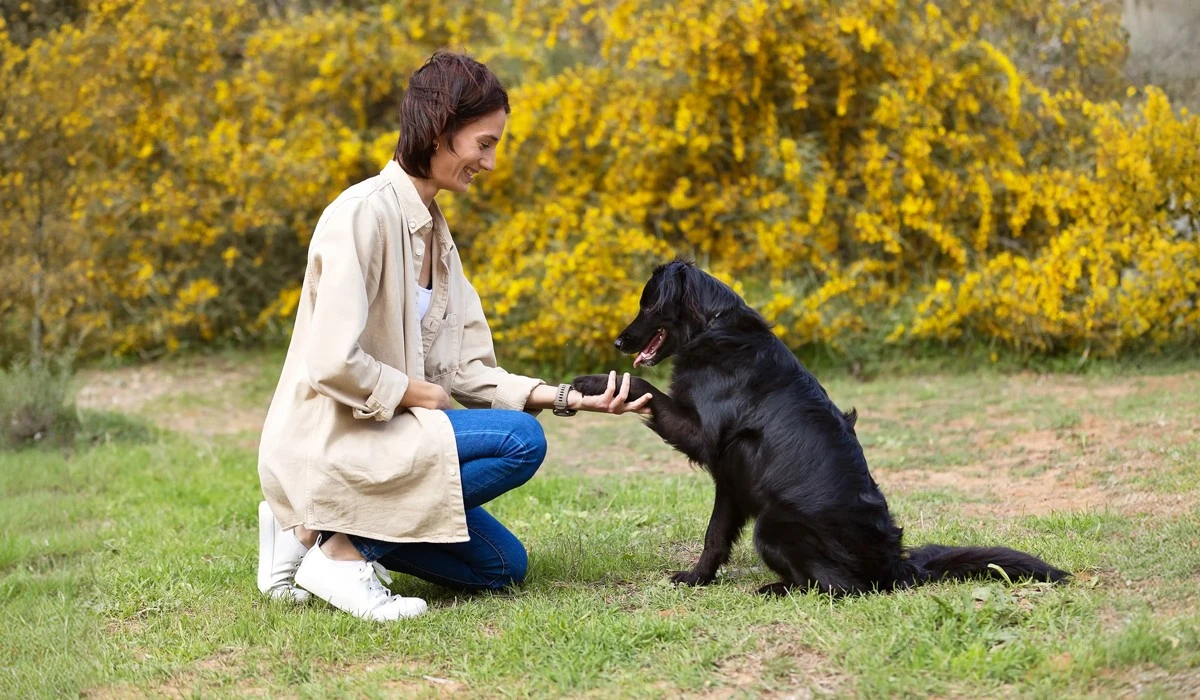
Service Dog Training for Psychiatric Support Work
A dog’s nose picks up the scent of fear before the human mind even registers a rising heart rate. This chemical change sends a signal that causes a specific response from the animal. This process turns a companion into a vital medical tool through rigorous Service Dog Training. Many people see the vest, but they miss the intense focus required to manage psychiatric support dogs. The preparation mirrors the intensity of Search and Rescue Dog Training because both fields demand total reliability in high-stakes environments. While a search dog finds a lost person, a service dog finds a way to bring their handler back to the present moment. Extensive practice of mobility assistance training further enhances this bond, providing a physical anchor for those navigating the world with disabilities. These dogs serve as living bridges between isolation and independence.
The Rigor of Service Dog Training and Search And Rescue Dog Training
Service dogs operate at a level far above the average household pet. They must ignore every distraction, from a dropped piece of steak to a barking neighborhood dog. This level of discipline matches the standards found in Search and Rescue Dog Training, where a single mistake might lead to a lost trail. As outlined in the ADA's 2010 Requirements, a handler relies on the dog to remain calm in chaotic environments like airports or busy hospitals, since these animals are permitted to accompany people with disabilities in all areas accessible to the public. The guidelines also stipulate that a service animal must be under the control of its handler, meaning high-level Service Dog Training ensures that the dog looks to them for guidance in every new situation. This reliability builds the trust necessary for a person with PTSD or severe anxiety to leave their home.
Reliability Under Pressure
Consistency defines the life of a working dog. Trainers use operant conditioning to reward the dog for making the right choices repeatedly. This repetition builds a strong base of "public access" skills. The dog learns that its vest represents a job, requiring total focus and calm behavior.
What is the difference between an emotional support dog and a psychiatric service dog? According to the ADA's frequently asked questions on service animals, a psychiatric service dog is individually prepared to perform specific work or tasks that directly help a person with a disability. Emotional support dogs only provide comfort through their presence and lack specialized task training to perform medical work. This distinction remains necessary for legal access to public spaces.
Integrating Mobility Assistance Training for Dual-Purpose Support
Many handlers face a combination of physical and mental challenges. A panic attack often causes dizziness or a loss of balance. In these moments, mobility assistance training provides the necessary physical support. Dogs learn to provide a stable base for the handler to lean on until the spell passes. This dual-purpose training ensures the dog handles the handler's full spectrum of needs. Combining these skills allows Service Dog Training to create a comprehensive safety net for the individual.
Stability and Retrieval Tasks
Training a dog to "brace" involves teaching it to stiffen its muscles on command. This creates a solid platform for a person to use when standing up or regaining their balance. As noted in Frontiers in Veterinary Science, trainers also teach dogs to fetch specific items like a phone or retrieve and remind the handler to take medication during an emergency. This retrieval work uses "soft mouth" techniques to ensure the dog does not damage the items. These skills are common in mobility assistance training and prove life-saving during a psychiatric crisis.
Navigating Crowds and Buffering
Public spaces often feel overwhelming for those with psychiatric conditions. According to research published in Frontiers in Veterinary Science, the "block" command tells the dog to stand sideways in front of the handler, while the "cover" task involves the dog positioning themselves behind the human to watch their back. The study notes that these maneuvers instil a sense of security and provide physical space in crowded areas. This specialized movement training allows the handler to focus on their surroundings without fear of being touched or crowded.
Core Competencies Borrowed from Search And Rescue Dog Training
The most advanced service dogs utilize their natural instincts to monitor human health. Specialized scent work plays a massive role in modern Service Dog Training. According to a study published in PubMed, trainers teach dogs to recognize the unique stress-related volatile organic compounds, often associated with cortisol or adrenaline, in human sweat. This mirrors the scent discrimination found in Search and Rescue Dog Training. Instead of tracking a person through the woods, the dog "tracks" the handler's internal state. As documented in Frontiers in Veterinary Science, when the dog smells a change, it performs a pre-set alert like nudging, pawing, or licking the handler.
Environmental Acclimation and Scent Detection
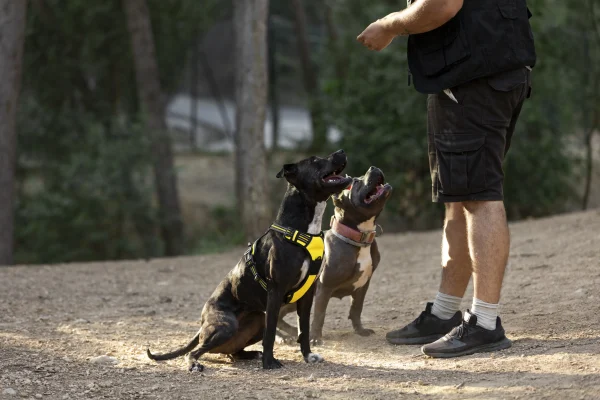
A dog must work effectively regardless of the noise or smell of the environment. Trainers expose puppies to sirens, elevators, and slippery floors early in their development. This environmental proofing ensures the dog remains focused on its scent-detection tasks.
What tasks can a psychiatric service dog perform? Research in Frontiers in Veterinary Science details that these dogs complete tasks like deep pressure therapy, stopping self-harm by interrupting with tactile distractions, and safety-checking rooms the person fears to enter. They also provide light at night by turning on switches or fetching water during a medication cycle. These specific actions mitigate the symptoms of the handler’s disability.
Task-Specific Skills for Psychiatric Support Dogs
The value of psychiatric support dogs stems from their ability to perform targeted work to assist their handlers. Every task must relate directly to a symptom. For example, a dog might wake a handler from a night terror by pulling off the covers. This proactive response requires the dog to monitor the handler even while the handler sleeps. These skills require months of specialized Service Dog Training to perfect.
Interruption of Repetitive Behaviors
Many psychiatric conditions involve repetitive or self-destructive behaviors. A dog can recognize the start of hand-wringing or skin-picking. Once it sees these signs, the dog interrupts by placing its head on the handler's lap. This tactile interruption forces the handler to refocus on the dog. Over time, this helps the handler recognize their own warning signs more quickly.
Deep Pressure Therapy (DPT)
Deep Pressure Therapy involves the dog lying its body weight across the handler's lap or chest. This physical pressure stimulates the body's calming response and lowers the heart rate. Large breeds often excel at this task due to their natural weight. Trainers teach the dog to hold this position until the handler gives a release command. This grounded sensation helps individuals struggling with dissociation or intense panic.
Navigating Public Access and Social Neutrality
A service dog must disappear into the background when not actively tasking. This "social neutrality" ensures that the dog does not bother other patrons in public spaces. The dog functions strictly as an assistive tool to prevent distracting others. This level of control requires more effort than the task training itself. Just as a dog in Search and Rescue Dog Training must ignore a squirrel to find a person, a service dog must ignore a dropped fry to save its handler.
The Unseen Dog Concept
Handlers aim for their dogs to remain as quiet and still as possible. The dog learns to tuck its tail and limbs under a chair or table. This behavior keeps the dog out of the way of waiters and other pedestrians. As noted by the American Kennel Club, achieving this requires a lengthy and intensive process involving hundreds of hours of practice in diverse locations. The dog views the public world as a workplace where they must remain professional at all times.
Handling Public Interactions
People often want to pet or talk to a working dog. This creates a challenge for the handler who needs the dog’s full attention. Service Dog Training includes teaching the dog to ignore "drive-by" pettings. The handler also learns to advocate for their dog's space without losing focus. Maintaining this boundary ensures the dog remains ready to alert to a psychiatric event at a moment's notice.
Ethical Sourcing and Breed Selection for High-Level Training
Success in this field starts with the right genetics. Not every dog possesses the temperament for the high-stress world of service work. Trainers look for "biddability," which is the dog's desire to work with a human. Many breeds that thrive in Search and Rescue Dog Training also make excellent service dogs. Labrador Retrievers and Golden Retrievers dominate the field because they stay calm and recover quickly from loud noises.
Temperament Testing and Biological Drive
Professional trainers put puppies through rigorous tests to check for fear or aggression. A dog that cowers at a loud noise usually "washes out" of the program. The dog needs a moderate energy level—enough to work all day but low enough to settle in a quiet office. This balance is rare and requires careful breeding and selection.
How do I register my psychiatric service dog? According to the ADA's frequently asked questions, mandatory registration of service animals is not permissible, meaning the United States government does not maintain an official registry for them. The document further clarifies that a dog gains legal status by being trained to perform a task directly related to the handler's disability and its behavior in public settings. A certificate or vest does not legally qualify a dog as a service animal; training and the disability-related tasks serve as the true qualifiers.
The Timeline and Commitment of Owner-Trained Service Dogs
Training a service dog takes time and significant financial resources. According to the American Kennel Club, it takes up to two years to train each dog with consistent work before they reach full reliability. This process starts with basic puppy manners and ends with advanced mobility assistance training and psychiatric tasks. Many owner-trainers find the process exhausting but rewarding.
The Two-Year Training Window
The first year focuses on socialization and basic obedience. The dog must learn to love learning and trust the handler completely. The second year introduces the specific tasks required for psychiatric support dogs. During this time, the handler must prepare for the possibility that the dog might not graduate. A report by AP News states that high failure rates are common because the standards remain so high, with up to half of the dogs washing out of training. This reality mirrors the difficulty of Search and Rescue Dog Training, where only the elite dogs make the final cut.
Sustaining Skills Through Life-Long Learning
A service dog's education never truly ends. Skills get "rusty" if the handler does not practice them daily. The dog needs regular "tune-ups" to ensure its alerts remain sharp. This commitment lasts for the duration of the dog's working life. Keeping the dog healthy and engaged ensures a long and productive partnership.
Achieving Independence Through Expert Service Dog Training
Perfecting the skills required for psychiatric support dogs changes lives. This process demands a rigorous progression well beyond teaching a dog to sit or stay. It requires a deep understanding of canine behavior and human biology. Integrating elements of mobility assistance training provides a handler with a versatile partner capable of navigating any crisis. The rigor involved matches the intensity of Search and Rescue Dog Training for a good reason. When a person’s safety depends on a dog’s nose or its steady stance, there is no room for error. Consistent, professional Service Dog Training turns the goal of independence into a daily reality. These dogs provide essential support alongside the freedom to live again.
Recently Added
Categories
- Arts And Humanities
- Blog
- Business And Management
- Criminology
- Education
- Environment And Conservation
- Farming And Animal Care
- Geopolitics
- Lifestyle And Beauty
- Medicine And Science
- Mental Health
- Nutrition And Diet
- Religion And Spirituality
- Social Care And Health
- Sport And Fitness
- Technology
- Uncategorized
- Videos

