
Fish Nutrition Insights to Fight Waterborne Viruses
When you see fish gasping at the surface, you usually check the oxygen or the filters. Research published in PMC3850573 notes that infected fish often gather near pond sides or the water inlet to gasp at the surface. You treat the water with chemicals and hope for the best. Most farmers miss the real fight happening inside the fish's body. A virus enters through the gills and starts hijacking cells to make copies of itself. Chemicals in the water cannot stop this once it starts. Only the internal defense system of the fish can kill the invader.
Proper Fish Nutrition builds this defense, turning the body into a fortress. This field, called nutritional immunology, proves that what you put in the bucket determines how many fish survive an outbreak. Providing the right ingredients gives your fish the tools to destroy pathogens before they cause a mass die-off.
The Basis: Learning Fish Nutrition Basics for Immunity
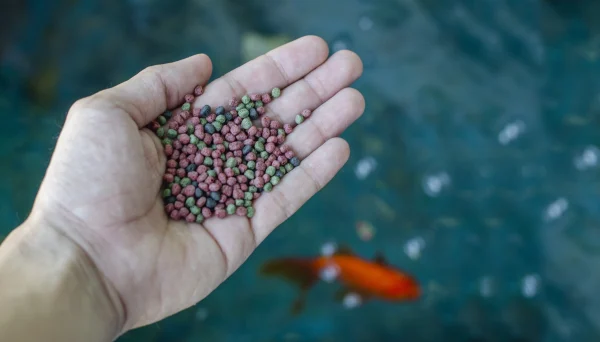
Strong immunity starts with the basics of what a fish eats every day. In the wild, fish find a variety of nutrients. In a tank or pond, they rely entirely on you. You must provide the specific building blocks their bodies need to create white blood cells and protective mucus.
Macronutrients as Building Blocks
Proteins make up about 65% to 75% of a fish's dry body tissue. When a virus attacks, the fish needs to produce millions of new immune cells quickly. If the diet lacks high-quality protein, the body cannot build these cells. Carnivorous species like trout or salmon need even more, often requiring 40% to 55% protein in their daily intake. These proteins provide essential amino acids that act as the raw material for antibodies.
The Role of Lipids and Omega-3 Fatty Acids
Fats provide energy while also controlling how the body reacts to a threat. Specific marine oils, especially those high in EPA and DHA, reduce systemic inflammation. Without them, the fish's own immune response might damage its heart or kidneys during an infection.
Can fish food help fight diseases? Yes, specialized nutrition strengthens the innate immune response, making fish significantly less susceptible to common waterborne pathogens. This proactive approach through fish nutrition basics ensures the fish remains calm and resilient even when the water contains high levels of viruses.
Precision Protection: Advanced Fish Diet Formulation
Moving beyond simple feeding requires a technical eye. You must look at the recipe behind the pellet. A professional fish diet formulation balances every gram of energy to ensure the fish doesn't waste its strength.
Balancing Energy Ratios
A key concept in aquaculture is the "protein-sparing effect." Research published in PMC10427231 highlights that without adequate alternative energy sources like lipids, dietary protein is degraded to support energy demands rather than growth or immunity. Maintaining these ratios ensures the protein goes exactly where it belongs: into the immune system and muscle tissue.
Micro-Ingredient Integration
Modern feed includes "functional" ingredients like beta-glucans, which are sugars found in the cell walls of yeast. According to research in PMC9405025, the beta-glucan in yeast generates immune activity through cell receptor recognition, which prepares the immune system in addition to providing nutrition. This acts as a drill for the body. The beta-glucans alert the macrophages—the "cleaner" cells—to stay active. When a real virus appears, these cells are already on high alert and ready to attack.
Micronutrients that Block Viral Replication
Vitamins and minerals act as the security guards of the cell. They promote growth while also physically stopping viruses from taking over. Without these tiny elements, even the most expensive protein won't save your stock.
The Combined Action of Vitamin C and E
Vitamin C helps the fish build strong skin and gill tissues, creating a physical wall that viruses find hard to penetrate. Meanwhile, Vitamin E protects the cell membranes. As noted in E-FAS, Vitamin E serves as a vital antioxidant that prevents oxidation in cell membrane lipids caused by reactive oxygen species, keeping the cells intact and functional.
Trace Minerals: Zinc and Selenium
Zinc and selenium are powerful components of the mineral world. Zinc physically blocks some viruses from entering the fish’s cells. It also helps the fish avoid a "cytokine storm," which is an overreaction of the immune system that can be fatal. Selenium prevents viruses from mutating into more dangerous forms inside the pond. A fish lacking selenium might allow a weak virus to become a killer.
The Gut-Immune Link in Fish Nutrition
The gut is the largest immune organ in a fish. If the digestive tract stays healthy, the rest of the fish usually follows. This is where the battle against waterborne viruses is often won or lost.
Strengthening the Mucosal Barrier
The skin, gills, and gut are covered in a layer of mucus. This slime is the first thing a virus touches. Fish Nutrition rich in Vitamin A ensures this mucus stays thick and chemically active. This layer contains enzymes that can actually dissolve the outer shell of a virus before it ever reaches the fish's bloodstream.
Probiotics and Competitive Exclusion
The addition of beneficial bacteria to the feed helps crowd out the bad actors. Studies published in PMC9628892 suggest that effective feeds contain between and Colony-forming units of probiotics per gram. These good bacteria take up all the "parking spaces" on the gut wall, leaving no room for pathogens to attach.
What is the best food for fish growth? A balanced mix of species-specific proteins, lipids, and functional additives ensures both optimal growth and a fortified immune system. This combination allows the fish to use its energy for adding weight rather than fighting off constant low-level infections.
Adapting Fish Nutrition to Environmental Stressors
Fish change with their environment. Their metabolism speeds up or slows down based on the water temperature. Your feeding strategy must change along with these shifts to maintain high immunity.
Temperature-Driven Metabolic Shifts
Viruses like Koi Herpesvirus (KHV) are most active between 18°C and 28°C. According to research in PMC3850573, while infected fish may gasp at the surface, this temperature window is ironically when fish are most active and consume the greatest amount of feed. During these periods, you should increase the level of immunostimulants in the diet. Adjusting the feed to match the seasonal viral risk prevents the pathogens from catching the fish at a weak moment.
Stress Management via Feeding Regimes
Handling fish or cleaning tanks causes stress. Stress causes the release of cortisol, which, according to a report in PMC9680050, is identified as having distinctly immunosuppressive effects that can shut down the immune system to save energy. Feeding a high-quality diet for several days before a planned move can buffer this effect. Proper Fish Nutrition ensures the fish has enough stored vitamins to survive the temporary dip in its natural defenses.
Sourcing and Bioavailability in Feed Production
The label on a bag of feed doesn't tell the whole story. You must ensure the fish can actually use the nutrients inside. Poorly made feed can cause more harm than good by irritating the gut.
Avoiding Anti-Nutritional Factors
Many plant-based proteins, like soybean meal, contain natural chemicals that irritate the fish’s intestines. Research from the University of Plymouth indicates that Atlantic salmon are particularly sensitive to antinutritional factors in soybean meal, which can cause an inflammatory response called soybean meal-induced enteritis. This condition breaks down the gut wall, giving waterborne viruses a direct path into the fish’s body. High-quality fish diet formulation limits these plant toxins or processes them out to keep the gut lining smooth and strong.
Ensuring Bioavailability
If a nutrient is bound up in a form the fish can't digest, it just ends up as waste at the bottom of the pond. For example, plant phosphorus is often stuck in "phytic acid." Manufacturers must add an enzyme called phytase so the fish can absorb it.
How do you calculate fish feed ingredients? Expert fish diet formulation involves using mathematical models like Pearson’s square to balance nutrient requirements against the digestibility of raw materials. This ensures every cent you spend on feed actually ends up inside the fish.
Innovations in Viral Defense through Fish Nutrition
The future of fish health rests in the feed mill rather than in a medicine bottle. New technologies allow for the delivery of protection that was once impossible.
Bio-Active Peptides and Oral Vaccines
Scientists are now "hiding" vaccines inside feed pellets. The use of tiny capsules made of fats or proteins allows for the protection of a vaccine from stomach acid, helping it reach the gut alive. According to research in MDPI, oral vaccines delivered in this manner have shown survival rates of 83% in certain trials. While PMC3963484 notes that the majority of aquaculture vaccines are currently delivered via injection, as it is the most effective route to date, oral methods are significantly less stressful than manual injection.
Targeted Nutrition for Specific Viral Strains
We now have specific recipes for specific threats. In the case of Tilapia Lake Virus (TiLV), research in MDPI found that using specific organic acids and immunostimulants could reduce mortality rates to 41.7%, compared to 76.3% in untreated groups. Instead of using a one-size-fits-all approach, farmers are moving toward bespoke Fish Nutrition plans targeting the exact viruses found in their specific region or water type.
Safeguarding Your Stock through Expert Fish Nutrition
You cannot stop every virus from entering your water. Pathogens move through the rain, on the feet of birds, and in the runoff from other farms. However, you have total control over the internal health of your fish. A reactive approach—waiting for the fish to get sick before acting—usually leads to failure. Viruses move too fast for most treatments to work once the symptoms appear.
Gaining a command of fish nutrition basics allows for the construction of a biological shield that works 24 hours a day. You turn the digestive tract into a filter that destroys invaders and the blood into a patrolling force of immune cells. Precision fish diet formulation is the most powerful tool in your shed. It changes your daily feeding routine from a simple chore into a high-tech defense strategy. Commit to a superior Fish Nutrition plan today, and give your fish the strength to fight back against the unseen threats in their water.
Recently Added
Categories
- Arts And Humanities
- Blog
- Business And Management
- Criminology
- Education
- Environment And Conservation
- Farming And Animal Care
- Geopolitics
- Lifestyle And Beauty
- Medicine And Science
- Mental Health
- Nutrition And Diet
- Religion And Spirituality
- Social Care And Health
- Sport And Fitness
- Technology
- Uncategorized
- Videos

