
Dog Attacks: The Livestock Amendment Act Power
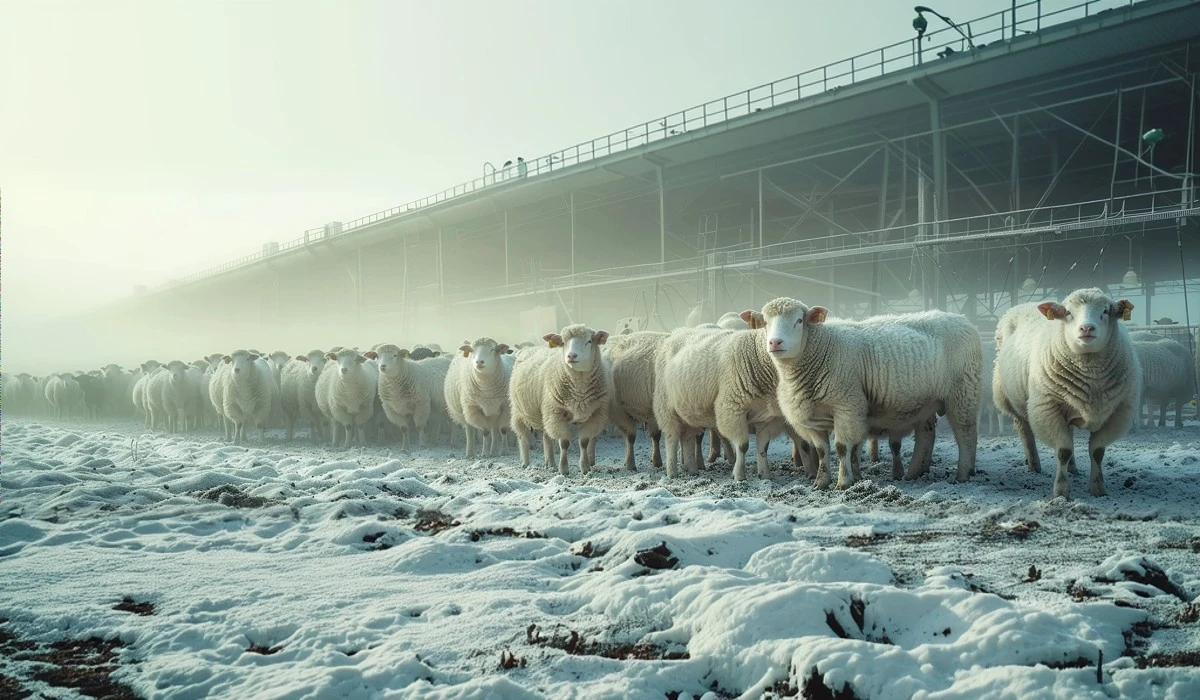
A seemingly harmless weekend stroll frequently initiates a lethal biological reaction in prey animals. City dwellers release their pets into open fields, expecting a joyful run through the grass. The sheep grazing nearby experience a terrifying predator invasion. This drastic clash of perceptions leaves trails of dead animals and traumatized farmers across the countryside.
Decades of weak legislation allowed pet owners to brush off the destruction with minimal consequences. Historical financial penalties amounted to spare change. As highlighted in a House of Commons Library research briefing (cbp-9949), authorities lacked the basic power to investigate these bloody crime scenes properly.
That period ends today. According to the official legislation published on legislation.gov.uk (ukpga/2025/32), as of Wednesday, March 18, 2026, the Protection of Livestock Amendment Act radically shifts power back to rural communities. The legislation arms police with aggressive new enforcement tools and exposes negligent pet owners to limitless financial ruin. The countryside no longer operates as a consequence-free playground.
The Brutal Reality of a Countryside Chase
What looks like playful running to a pet owner initiates a fatal overheating process in targeted prey. Joshua Gay’s Somerset farm became a grim crime scene in June 2025. A dog broke loose among his flock, sparking widespread panic. The physical bites caused a mere fraction of the destruction.
The sheep fled into dense, thorny foliage to escape the pursuing predator. Trapped in the heavy brush with thick wool coats during a sweltering 30-degree day, the animals faced an inescapable death trap. Around 35 adult female sheep and juveniles succumbed to fatal hyperthermia.
The sheer terror of being hunted completely overloads the prey’s nervous system. Pure predatory drive easily overrides basic obedience training when pets encounter unfamiliar agricultural environments. Gay points out a severe public ignorance regarding rural protocols.
Many visitors assume their voice commands will work in an open field. They quickly learn that ancient animal instincts conquer modern obedience training. The predator locks onto the target, and the owner instantly loses control of the situation.
The Anatomy of a Fatal Encounter
The physical damage extends far beyond the immediate bite wounds. A chased flock expends massive amounts of energy trying to survive. The animals run until their hearts fail or their body temperatures reach lethal limits. Pregnant ewes frequently lose their unborn lambs due to the sheer stress of the pursuit.
The aftermath requires farmers to manage a horrific cleanup operation. They must gather the dead, assess the dying, and coordinate emergency veterinary care. This intense labor diverts resources away from normal daily operations. The financial and emotional toll compounds with every passing hour following the initial assault.
Following the Money: The Protection of Livestock Amendment Act
Historical financial penalties functioned as mere suggestions, making agricultural destruction cheaper than a speeding ticket. As noted in a report by the Farmers' Union of Wales (FUW), before the Protection of Livestock Amendment Act, courts capped the maximum penalty for rural animal attacks at £1,000. Farmers absorbed massive financial hits while offenders walked away with minor fines.
Current figures reveal agricultural losses hovering around £1.8 million to nearly £2 million annually across the UK. These damages surge by roughly 10% every single year. The steady upward trend highlights the urgent need for strict legal intervention. Negligence previously cost the offender very little, placing the entire economic burden squarely on the rural workforce.
Tracking the Regional Financial Devastation
The geographical spread shows varied devastation across different territories. Data indicates the Midlands faces severe hits, with contradictory reports placing regional losses between £438,000 and £452,000. This massive regional hit destabilizes local agricultural economies.
Secondary hotspots include the Southwest and Southeast. Records show a discrepancy here, placing damages ranging from £225,000 to £330,000 depending on the specific reporting metrics. The financial bleeding affects operations of all sizes.
Under the new legislation, judges possess the authority to issue uncapped fines. This change forces irresponsible walkers to cover all associated expenses. The threat of absolute financial ruin serves as a powerful deterrent against casual negligence.
Upgrading the Law Enforcement Toolkit
Officers investigating rural crime scenes historically lacked the basic authority to seize the actual weapon used in the offense. Police units previously arrived at mutilated flocks with their hands tied by outdated laws. They possessed zero legal authority to confiscate the attacking dog or compel the owner to cooperate.
The upgraded legislation grants authorities the aggressive power of suspect DNA extraction directly from the animal. Officers can now breach private property to collect necessary biological evidence. This forensic capability links the specific animal to the exact crime scene, eliminating the reliance on mere eyewitness testimony.
Based on the schedule of amendments outlined in the official legislation document, law enforcement will seize dangerous animals and impound them for the duration of the legal proceedings. This immediate removal prevents repeat offenses while investigations unfold. The document also states courts will subsequently mandate that convicted offenders pay all impoundment costs. What is the legal defense for a dog owner whose pet attacks livestock? An owner can claim legal exemption if an unauthorized third party possessed physical control of the animal, such as in cases of dog theft. The registered owner otherwise bears absolute financial and legal responsibility for the assault.

Ending the Period of Empty Threats
The ability to seize animals drastically changes the balance between police and offenders. Officers no longer issue polite warnings. They execute warrants, extract DNA, and remove the threat from the community. This aggressive posture aligns rural crime enforcement with urban crime standards.
The financial burden of impoundment adds another layer of punishment. Housing an animal for months during a lengthy legal battle costs thousands of pounds. The offender must pay this bill in full. This severe economic consequence forces pet owners to rethink their casual approach to rural walks.
Expanding the Map Under the Protection of Livestock Amendment Act
Rules written for mid-century farming failed to recognize that modern agricultural transit routes double as public recreation paths. The original 1953 legislation severely restricted where farmers could claim protection. It left massive legal blind spots across the nation as the livestock population doubled over the past seventy years.
The Protection of Livestock Amendment Act legally extends coverage to public highways. It also encompasses footpaths extending well beyond private agricultural zones. This expansion eliminates the geographical loopholes that previously shielded negligent handlers from prosecution.
A Broader Definition of Protected Species
Modern farms raise entirely different species compared to traditional mid-century agriculture. The updated law expands protection significantly. It now includes camelids like alpacas and llamas. The legislation also shields ostriches, farmed deer, enclosed game birds, poultry, and donkeys. This broad categorization ensures farmers utilizing non-traditional agriculture receive the exact same legal backing as traditional sheep breeders. A donkey or an alpaca represents a massive financial investment. Their deaths hit the farm's bottom line incredibly hard.
The Psychological Toll on the Agricultural Community
Financial reimbursement never erases the lasting mental scars of walking into a pasture and finding a mass slaughter. Roughly 87% of flock owners possess firsthand experience dealing with these brutal encounters. The trauma lingers long after the local council clears the dead animals from the property.
Helen Edmunds notes that these assaults inflict permanent psychological distress on farmers. She recalls vivid childhood memories of dogs ripping through herds. Her fellow breeders frequently report severe limb trauma and widespread suffering among their surviving animals. The sheer brutality of the violence leaves an indelible mark on the people who witness the aftermath.
Gavin Lane highlights the overwhelming dread farmers feel daily. Many live in constant fear of finding suffering livestock in a distant field. He views this major legislative progression as vital. Rural workers desperately need freedom from the chronic anxiety of sudden agricultural ruin.
The Unseen Cost of Constant Vigilance
Living in a state of high alert exhausts the rural workforce. Farmers spend hours patrolling perimeters instead of managing their business operations. They repair fences, monitor public footpaths, and confront trespassing dog walkers.
This constant defensive posture destroys their quality of life. The psychological burden of knowing a devastating attack could happen at any moment pushes many farmers to the breaking point. The new legislation aims to lift this heavy mental load. It shifts the responsibility of prevention directly onto the shoulders of the public.
Navigating the Protection of Livestock Amendment Act Safely
Good intentions often blind visitors to their utter lack of control when deep primal drives activate inside their pets. The countryside demands strict respect. Public ignorance regarding rural protocols remains dangerously high.
Dr. Anna Muir advocates for infinite financial penalties against handlers who refuse to utilize leashes around flocks. She observes unrestrained animals routinely wandering among vulnerable herds. Many visitors make zero chase-prevention effort. What should a dog walker do if cattle chase them? The walker must immediately release the dog's leash to allow both the pet and human to escape the stampede safely. Holding onto the leash puts the human directly in the path of agitated, defensive cows.
Diligent walkers can accidentally breach the law. Routine agricultural transit often intersects with public paths and highways. Loose herds frequently cross these shared spaces. Constant leash usage serves as the ultimate safety protocol for anyone navigating rural zones.
The Importance of Unwavering Restraint
A leash represents the only guaranteed method of control in unpredictable environments. Voice commands fail when instincts take over. A physical tether prevents the chase before it ever begins.
Visitors must understand that rural landscapes function as active industrial zones. A farm operates as a workplace, not a public park. Respecting this reality requires strict adherence to safety protocols. Keeping animals physically restrained protects the livestock, the farmer, and the pet owner from devastating consequences.
A Strategic Shift for England and Wales
Broad national policies require localized execution to address the distinct geography and legal codes of different regions. The current legislative rollout strictly targets jurisdictions within England and Wales. Scotland and Northern Ireland maintain separate legislative frameworks for rural animal protection.
This specific geographic focus forms an essential part of the broader Animal Welfare Strategy for England. As recorded in the Hansard parliamentary record for the House of Lords (2025-09-05), the government will re-establish the Responsible Dog Ownership taskforce to educate the public. Aphra Brandreth expresses immense satisfaction regarding this parliamentary victory. She views the lengthy legislative process from the former administration as an essential capability upgrade for law enforcement.
Rural Relief and Community Action
According to a Defra farming blog post on the recent law changes, the National Farmers Union (NFU) actively combat the crisis through preventative tools. The department notes they supply complimentary gatepost signage to members via 0370 845 8458. Preventing animal replacement costs allows the average farmer to save approximately £6,000 annually. Does the law distinguish between attacking and worrying livestock? Yes, the legislation creates an explicit legal separation between physical attacks and mere worrying, emphasizing the violent nature of physical contact offenses.
Dame Angela Eagle confirms the catastrophic outcomes for agriculturalists facing these assaults. She guarantees heightened security for rural zones and assures rapid, strong investigations. These measures aim to provide enhanced mental tranquility for rural workers while delivering appropriate punishments for negligent animal control.
A New Standard of Rural Accountability
The days of treating the countryside as a consequence-free dog park end abruptly. The Protection of Livestock Amendment Act forces the public to recognize the extreme fragility of agricultural spaces. Negligent handlers now face infinite financial liability, targeted DNA tracking, and the immediate seizure of their pets.
Farmers finally possess a strong shield to defend their livelihoods and their mental well-being. This legislation demands a strict, immediate shift in public behavior. Visitors must leash their animals, respect the legal boundaries of the farm, and understand the lethal biological consequences of a simple chase. The rules of rural engagement have permanently changed.
Recently Added
Categories
- Arts And Humanities
- Blog
- Business And Management
- Criminology
- Education
- Environment And Conservation
- Farming And Animal Care
- Geopolitics
- Lifestyle And Beauty
- Medicine And Science
- Mental Health
- Nutrition And Diet
- Religion And Spirituality
- Social Care And Health
- Sport And Fitness
- Technology
- Uncategorized
- Videos

