
Animal Welfare Strategy Bans Cages by 2030
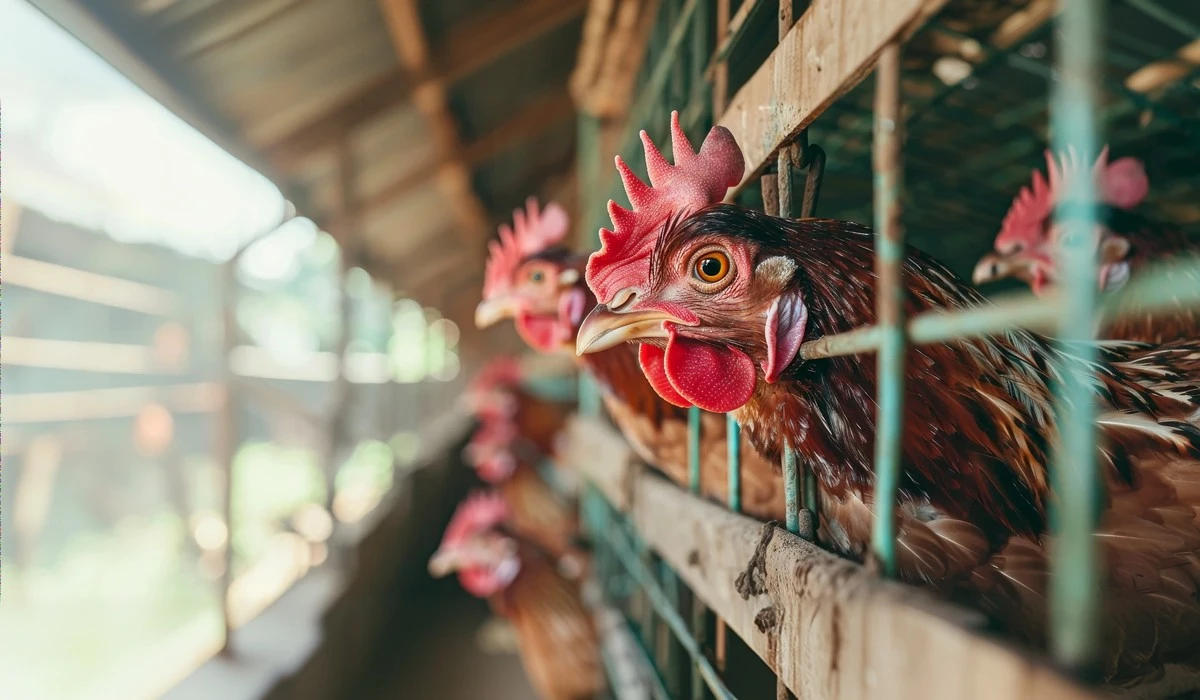
Many consumers believe the egg industry cleaned up its act over a decade ago, but a technicality kept millions of birds behind bars long after the public assumed the cages were gone. As reported by Livestock Trend, while legislation in 2012 banned the tightest battery cages, colony cages remained legal, effectively rebranding confinement instead of stopping it. Now, the government is finally closing that gap. The Guardian reports that Environment Secretary Emma Reynolds announced a massive shift on Monday, December 22, launching the new UK animal welfare strategy to outlaw hen cages and pig farrowing crates. According to Food Ingredients First, this plan commits to phasing out colony cages for laying hens and farrowing crates for sows by 2030. The focus prioritizes actual living conditions over simple survival, marking the boldest upgrade in a generation.
The Reality of Colony Cages
Labels change faster than infrastructure. This often leaves animals in spaces that technically meet new rules while failing their biological needs. Following the 2012 ban on conventional battery cages, the industry shifted to "enriched colony cages." These systems supposedly offered better welfare, yet they currently hold about 21% of UK hens. A single colony cage houses up to 90 birds.
The space allocation tells the real story. Despite the "enriched" label, each bird receives a living area roughly the size of an A4 sheet of paper. This restriction prevents hens from expressing natural behaviors like dust bathing or building nests. Compassion in World Farming UK estimates that phasing out these systems will benefit 7 million hens annually. Anthony Field, a spokesperson for the organization, called this a historic progress point for British livestock protection. The UK animal welfare strategy explicitly targets these enriched cages, with a consultation starting next year to move fully toward non-cage systems.
Why Sows Remain in Metal Crates
Protecting a newborn piglet often requires imprisoning the mother, creating a grim trade-off between safety and suffering. Data from The Pig Site indicates that currently, about 60% of UK sows spend weeks inside farrowing crates. Farmers use these metal enclosures during the birth and nursing period, which lasts roughly five weeks per litter.
The primary logic for crates is size management. A fully grown sow weighs around 200 kg, whereas a newborn piglet weighs less than 2kg. Without restriction, the mother risks crushing her young by accident. However, the crate system forces the sow into a space so tight she cannot turn around.
Claire Bass from Humane World for Animals argues that moving away from these crates aligns with both science and public sentiment. Research suggests the difference in piglet mortality between crates and high-welfare systems is insignificant. Critics note that while crates require less space and offer easier management for farmers, the animals pay the price through severe stress and the inability to follow natural instincts.
The Trade War on Local Farmers
Raising ethical standards at home inadvertently hands the market to foreign competitors who play by cheaper, crueler rules. The changeover to higher welfare systems inevitably increases production costs for British farmers. Tom Bradshaw, the NFU President, raised concerns regarding the economic viability of domestic farms under the new UK animal welfare strategy.
He argues that trade agreements must protect local producers. If the UK bans specific practices but continues to import food produced using those same methods, it undermines British farming. Domestic production faces a genuine risk from low-welfare foreign competitors who sell cheaper goods. Farmers need support during this shift to ensure they remain in business while meeting the new freedom standards.
Cracking Down on Puppy Farming
Buying a pet online frequently funds a shadow industry where profit margins supersede veterinary records. The new strategy extends beyond farm animals to address the lucrative and often cruel puppy trade. Mass breeding operations link directly to unsanitary conditions and a severe lack of veterinary care.
Michael Webb from Battersea emphasized that the strategy addresses long-standing charity campaigns to regulate the rescue sector and bad breeding practices. Do puppy farms follow safety rules? Generally, these illegal or low-welfare operations ignore standard safety and hygiene protocols to maximize profit. The government aims to stop these breeders who prioritize volume over health. This crackdown also serves public safety, as poorly bred dogs often develop behavioral or health issues that overwhelm owners.
Wild Hares and Lethal Traps
A trap set for a pest does not check the species of the animal that steps into it. Snares and traps cause indiscriminate harm, injuring target animals and domestic pets alike. The UK animal welfare strategy prioritizes ending this cruel trapping.
Conservation of hares also plays a central role in the announcement. The Guardian notes that a specific prohibition on shelling hares throughout their breeding season prevents a cruel ripple effect. When hunters shoot adult hares during this period, the orphaned young often starve to death. Emma Reynolds noted that the country defines itself by its affection for creatures, extending that care to wild species alongside domestic and agricultural animals.
Addressing Slaughter and Growth Rates
Breeding animals for speed often breaks their bodies before they even reach the slaughterhouse. The broiler chicken industry currently promotes "Frankenchickens," breeds designed to grow rapidly. This unnatural growth rate leads to organ failure and lameness in millions of birds. Sean Gifford from the Humane League UK stated that legal changes must punish incompetent slaughter practices and address these genetic welfare issues.
The Standard reports that the government is also reviewing the evidence surrounding CO2 stunning for pigs as part of strategies to improve welfare. Are gas chambers humane for pigs? Welfare advocates argue that CO2 stunning causes significant distress and suffering before the animal loses consciousness. The strategy includes a consultation on these slaughter methods. This review responds to growing concerns that speed in slaughterhouses has sacrificed humane treatment.
The Consumer Power Shift
Shoppers vote with their wallets every day. This forces retailers to outpace government regulation. Charlotte Di Cello from Waitrose pointed out that consumer demand drives higher standards regardless of legislation. Transparency becomes the key tool for this change.
Mandatory labeling schemes help buyers see exactly how their food was produced. When customers see "cage-free" or "high welfare" on a package, they trust that the animal lived a decent life. The UK animal welfare strategy relies on this transparency to guarantee the market supports the legislative changes. Retailers and consumers essentially act as the enforcers of these new standards by refusing to buy low-welfare products.
A New Baseline for 2030
Laws change only when the breach between public morality and industrial practice becomes too wide to ignore. The UK animal welfare strategy sets a firm implementation target for the end of 2030. This timeline gives farmers five years to adapt infrastructure and management styles.
Anthony Field from Compassion in World Farming UK estimates that 150,000 pigs and millions of poultry will see their lives improve annually once the phase-out completes. The strategy represents a major shift in how the nation treats its animals. It advances from minimal confinement bans toward a broader respect for sentience. Closing loopholes and demanding transparency allows the plan to confirm that future welfare standards match the public's expectations.
Recently Added
Categories
- Arts And Humanities
- Blog
- Business And Management
- Criminology
- Education
- Environment And Conservation
- Farming And Animal Care
- Geopolitics
- Lifestyle And Beauty
- Medicine And Science
- Mental Health
- Nutrition And Diet
- Religion And Spirituality
- Social Care And Health
- Sport And Fitness
- Technology
- Uncategorized
- Videos

