
The $10 Billion Bet on Green Hydrogen in Namibia
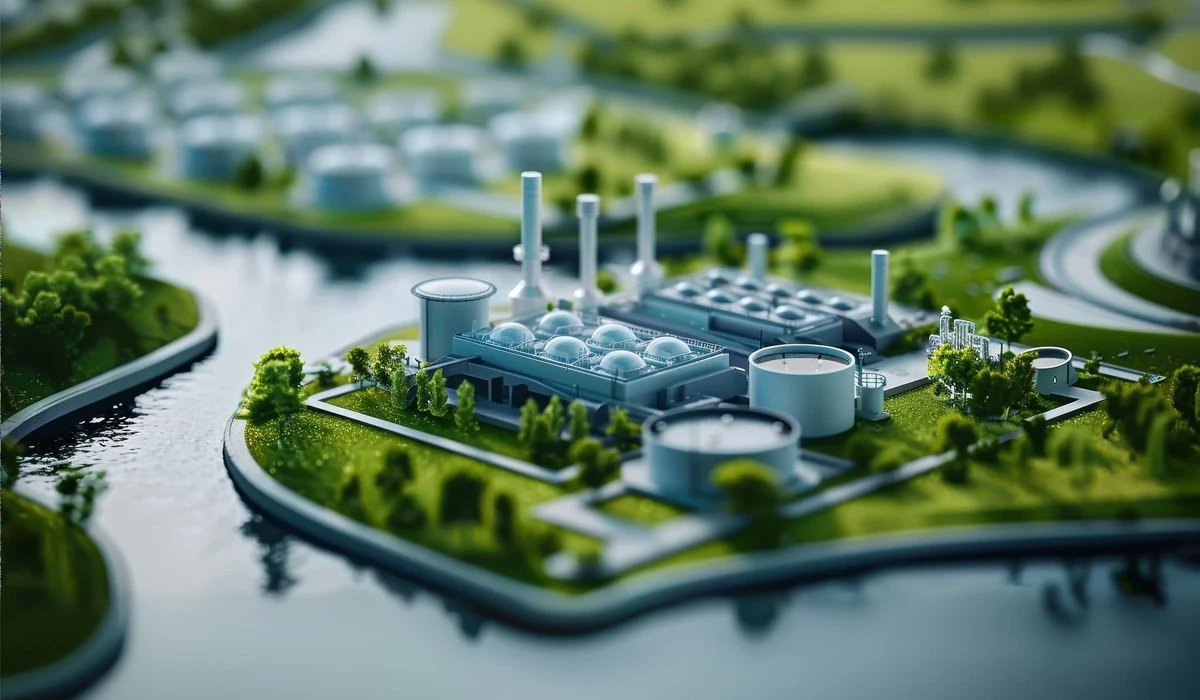
The century-long isolation of diamond-rich land accidentally created the perfect barren test site for a radical new energy experiment. In the early 20th century, mining corporations sealed off massive sections of southwestern Africa to control precious gem extraction. This extreme restriction preserved vast stretches of coastal desert from human settlement. Today, global energy developers view this empty, sun-blasted space as an unmatched financial asset. They plan to harvest relentless wind and solar resources to manufacture zero-emission fuel on an industrial scale. The massive push for green hydrogen in Namibia introduces intense friction between international climate goals and domestic realities. Foreign investors promise massive wealth and major climate solutions. Meanwhile, local communities stare down deep historical trauma, massive ecological risks, and a severe lack of specialized training.
A Century of Isolation Protected the Land
The restriction of human movement for mining wealth guarantees pristine conditions for future solar and wind monopolies. According to Britannica, after major diamond discoveries near Lüderitz in 1908, the German colonial government closed the 'Sperrgebiet' to unauthorized persons. The Namibian government eventually converted this forbidden zone into the Tsau ǁKhaeb National Park in 2004. The park covers 26,000 square kilometers of raw desert and rugged coastline. This specific geography offers a world-class convergence of solar and wind assets.
As detailed by Hyphen Hydrogen Energy, the company targets this southern region precisely for its weather patterns, as developers require optimal conditions to maintain a global competitive edge. The organization states that phase one major installation will contribute 3.75 gigawatts of renewable energy output, the initiative includes 1.5 gigawatts of electrolysis capacity complemented by desalination and maritime export infrastructure. For perspective, this electricity output could run 400 million standard LED bulbs simultaneously. Developers plan to eventually install 5 gigawatts of total solar and wind capacity.
The Financial Scale of Namibia's Green Hydrogen
The influx of international capital into a small economy immediately distorts the baseline value of the entire nation. National statistics from the World Bank shows Namibia generated a GDP of $13.37 billion in 2024. Meanwhile, a report by Engineering News confirms the Hyphen project alone requires a $10 billion total investment. This single development nearly matches the entire economic output of the host country. People often ask about the specific details of Namibia's green hydrogen project. The initiative operates as a state-backed commercial joint venture aiming to produce zero-emission ammonia using desert solar and wind power. Developers set a target timeline to produce 1 million tonnes of ammonia by the end of 2028.
According to statements from Hyphen Africa, the state will maintain a 24% ownership interest in the operation. Analysis from the GHO suggests the hydrogen sector could generate an additional $6 billion GDP by 2030, marking a 30% rise over baseline projections. Furthermore, an OECD case study reports that managers secured international backing through the SDG Namibia One fund, a $1.1 billion blended finance vehicle, with Invest International providing the initial €40 million as grant funding. Additionally, Hyphen announced a funding facility partnership with Southern Africa's Development Bank to supply major project backing.
European Ambition Meets African Biodiversity
Western nations export their heavy industrial risks to foreign coastlines to maintain strict domestic conservation laws. European countries demand massive quantities of clean energy to meet their aggressive climate targets. They partner with African nations to produce this fuel. Local conservation groups identify a severe double standard in this arrangement. Representatives from the Namibian Chamber of Environment argue that Western European nations enforce strict ecological protections at home while funding massive industrialization on African shores.
Readers frequently wonder about the importance of the Tsau ǁKhaeb. This restricted zone contains a highly fragile 400-kilometer marine protected area vital to coastal bird survival and sensitive ocean food webs. Environmentalists warn that harbor expansion zones overlap directly with these biological hotspots. Conservation experts fear the project will earn a "red hydrogen" label if it destroys unique biodiversity. Project developers counter these claims and highlight their strict social, environmental and governance targets. The company insists on maintaining a minimal ecological footprint during the construction of necessary infrastructure. They argue the co-location of solar and wind resources provides the necessary advantage to outpace global market rivals.
The Reality of Green Hydrogen in Namibia for Local Workers
The announcement of thousands of technical jobs in a region with severe economic depression sparks immediate resentment when applicants lack specialized training. The local unemployment rate of youth currently sits at an alarming 44%. Town officials view the unprecedented capital influx into Lüderitz as an urgent lifeline. The former mayor highlights the town's readiness for adaptation after experiencing prolonged economic isolation. Youth activists demand specific skill requirements from the energy developers. They point out that vague project details create a barrier to local workforce preparation. Locals regularly ask about the exact employment numbers for the Namibia project.
A report by Energies Media notes the development will generate 15,000 initial employment opportunities. Looking at the wider sector, the GHO projects the industry could create up to 80,000 new employment nationwide by 2030, and potentially 600,000 by 2040. Company executives emphasize their firm dedication to domestic recruitment. They also note that instant workforce localization remains impossible for a mega-project of this technical scale. The construction of an industrial energy sector from scratch requires highly specialized engineers and technicians. A pragmatic approach to hiring requires a blend of international experts and local trainees.
Building Over Sites of Historical Trauma
Industrial progress frequently requires paving over physical locations tied to deep cultural tragedies. The chosen peninsula site near Lüderitz carries traumatic historical significance for local populations. Between 1904 and 1908, the German empire operated the Shark Island concentration camp in this exact area. Historians document this site as a primary location of the Herero Nama genocide. Local activists maintain a deep cultural identity tied to this specific geography. The land contains former slave execution sites and unmarked graves. The conversion of this ground into a massive commercial shipping hub creates severe emotional distress for the descendants of the victims. Public policy experts emphasize the need for mandatory, extensive community consultation. The conversion of Lüderitz from a quiet mining and fishing town into a global energy port demands serious local involvement. Planners must address the historical weight of the land before laying down concrete and steel.
The Desert Desalination Problem
The generation of clean fuel from water in a dry environment forces companies to rely on energy-intensive ocean purification first. The creation of hydrogen fuel requires splitting water molecules inside an electrolyser. The project sits in a coastal desert, forcing developers to build expensive desalination plants to secure enough fresh water. As outlined by the International Energy Agency, achieving Namibia's production goals requires 10 to 20 million cubic metres of purified water annually by 2030, with demand expected to exceed current municipal water needs by 2050. According to fDi Intelligence, citing the IEA, current global green hydrogen prices sit between $4 and $6 per kilogram. However, the GHO notes that McKinsey estimates the Namibian operation could drive production costs down to $1.50 per kilogram by 2030.
Supporting this financial viability, Moody’s recently affirmed Namibia's B1 sovereign credit rating with a positive outlook, while Fitch Ratings affirmed the nation at 'BB-' with a stable outlook. These represent top-tier ratings for Sub-Saharan Africa. This fiscal steadiness gives developers a strategic advantage in securing loans for expensive equipment. The physical environment provides the necessary raw materials, as the country possesses abundant iridium and platinum reserves. Manufacturers require these specific minerals to build the electrolysers. The combination of local mineral wealth and international finance structures creates a highly inventive approach to energy development. Industry leaders view this blended finance structure as a prime template for other exporting nations.
The Global Market Relies on Green Hydrogen in Namibia
The millions of tonnes of clean energy creates a financial crisis when global buyers refuse to sign final purchase agreements. The IEA notes a substantial global discrepancy between proposed sustainable fuel output and practical industrial demand. Worldwide sector hurdles complicate the highly favorable regional technical prospects. Project leaders must secure a final investment decision by the end of 2026. The national production target aims for 10 to 12 million tonnes per annum by 2050.
The state wants to achieve a 91% emissions reduction within 5 years and hit net zero by 2050. Investment boards report a global scarcity of finalized purchase agreements. Pricing uncertainty causes frequent delays in the sector. Buyers refuse to sign contracts until developers complete comprehensive feasibility studies. Officials call the negotiation process an endurance race. Despite these hurdles, European Union officials declare the nation an absolute front-runner within the sustainable energy sector. The sovereign risk profile and strong domestic legal framework attract massive interest from major international stakeholders.
The True Cost of Power
The conversion of a restricted desert into a global energy hub forces a severe collision between wealth generation and ecological survival. The intense development of green hydrogen in Namibia strips away the isolation that protected this terrain for over a century. Planners expect to revitalize an economically depressed region. They project massive economic stimulation and a nationwide quality-of-life elevation. These financial victories require building massive industrial facilities over sites of historical genocide. They demand risking a fragile marine protected area to supply clean energy to distant European nations. The international community praises the climate benefits of zero-emission ammonia. The local population navigates the immediate consequences of mega-project construction, delayed job preparation, and cultural erasure. The true price of clean energy encompasses both the billions of dollars spent to capture the wind and the heavy social costs placed upon local communities.
Recently Added
Categories
- Arts And Humanities
- Blog
- Business And Management
- Criminology
- Education
- Environment And Conservation
- Farming And Animal Care
- Geopolitics
- Lifestyle And Beauty
- Medicine And Science
- Mental Health
- Nutrition And Diet
- Religion And Spirituality
- Social Care And Health
- Sport And Fitness
- Technology
- Uncategorized
- Videos

