
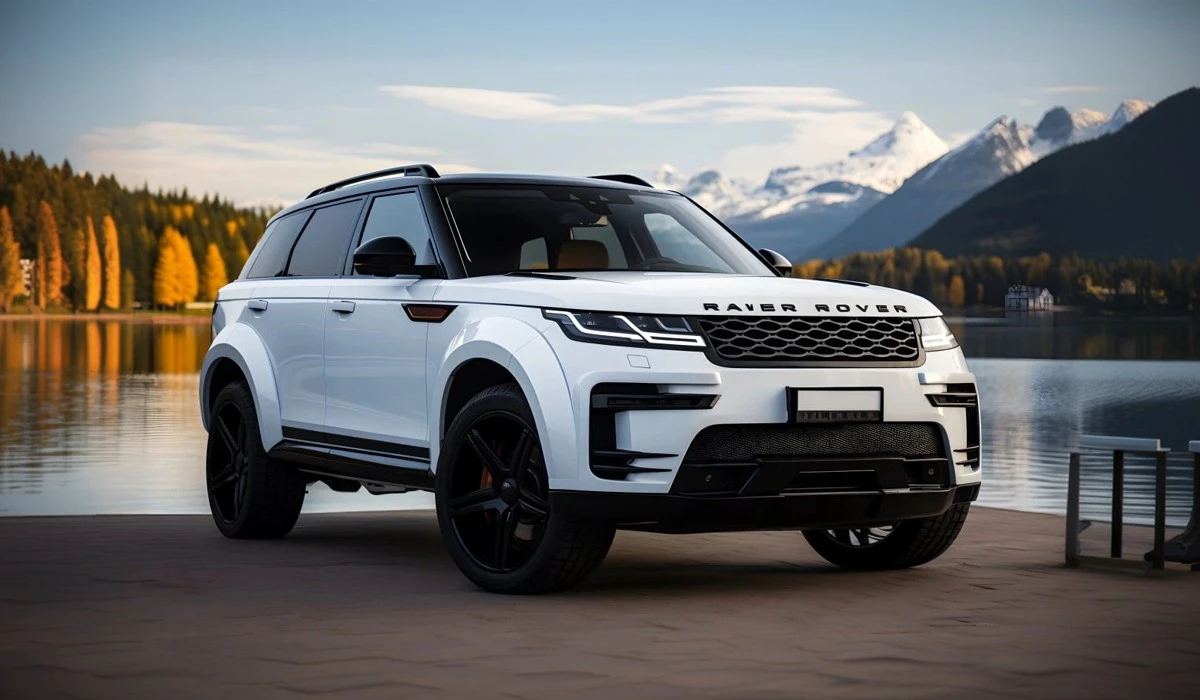
SUV 59% Market Surge Fueled By Profit
A quiet geometric conflict is unfolding on city streets where the infrastructure remains frozen in time, yet the machines occupying it expand relentlessly. This disconnect stems from a misalignment between decades-old urban planning and modern automotive economics. While roads and parking bays largely retain the dimensions set in the mid-20th century, the vehicles navigating them have grown heavier, wider, and taller. This physical mismatch creates a friction that extends beyond scratched paint or tight squeezes. It signals a fundamental shift in how public space is consumed and valued. The rise of SUVs is not merely a change in consumer taste; it represents a deeper systemic cycle where profitability and perceived safety drive physical inflation. As metal frames expand, they force a renegotiation of city limits, safety standards, and environmental goals.
The Physics of Manufacturing Profit
Automakers discovered a financial loophole where the size of a vehicle decouples entirely from the cost to build it. This unseen economic lever drives the industry toward larger models. Manufacturing a crossover often costs roughly the same as building a standard hatchback because they share the same underpinnings, suspension, and structural points. However, the showroom price tells a different story.
A report by Environmental Defence notes that manufacturers charge a premium for the rugged aesthetic of SUVs, making these larger passenger vehicles significantly more profitable on a per-unit basis than smaller alternatives. The profit margins on these larger cars dwarf those of compact models. This reality creates a powerful incentive for the industry to phase out smaller vehicles in favor of heavy ones. Executives admit that the "laws of economics" dictate this shift. Companies maintain the same basic manufacturing costs but unlock a higher retail price point simply by altering the body style. This strategy explains why the market share for these vehicles in Europe jumped from roughly 13% in 2011 to a projected 59% by 2025. The rise of SUVs is, at its core, a business strategy maximizing return on every inch of steel.

The Fortress Psychology on the Road
A silent arms race on the highway convinces drivers that the only defense against a heavy vehicle is owning an even heavier one. This psychological feedback loop pushes consumers toward tanks rather than transport. Drivers consistently report feeling safer when seated higher above the road. They cite better visibility and a sense of invincibility on motorways.
However, this perceived safety creates a paradox. Data from the World Health Organization shows that road traffic fatalities dropped by 5% between 2010 and 2021, yet researchers at the NBER explain that while heavier vehicles protect their own occupants, they create greater hazards for everyone else. The sheer mass and height of these vehicles pose a greater threat to everyone else. The NBER study further indicates that adding just 1,000 pounds to a striking vehicle raises the probability of a fatality in the struck car by 47%. Furthermore, according to research by Justin Tyndall, a 10-centimeter increase in front-end height correlates with a 22% rise in fatality risk because the impact point shifts toward a pedestrian’s head or chest. Why do people feel safer in SUVs? Drivers equate height and weight with protection, believing that a larger metal shell offers a superior shield against collisions on busy roads. This belief fuels the cycle, as no one wants to be the smallest player in a high-speed game of physics.
The Space That Wasn't There
Concrete parking bays ignore the passage of time, remaining frozen in the 1960s while the steel occupying them expands every year. A standard parking space measures 1.8 meters across. This dimension worked well for the compact cars of the past, like the Austin 1100. Today, the reality is mathematically impossible.
Research by Transport & Environment reveals that among the top 100 models sold in 2023, 52% exceeded the 180-centimeter minimum specification for on-street parking in major cities. The organization also found that the average width of new cars expanded from 177.8 centimeters in 2018 to 180.3 centimeters by the first half of 2023. This growth forces drivers to encroach on neighboring spots or obstruct traffic lanes. In older multi-story car parks, the weight of these vehicles—often exceeding 2,000 kilograms—raises structural concerns. The rise of SUVs essentially renders the standard parking grid obsolete. Drivers find themselves navigating a world that literally does not fit them, leading to door dings, blocked access, and increased frustration for anyone attempting to park a supersized machine in a standard-sized world.
The Utility Argument
Modern parenting logistics demand a cargo capacity that transforms the family vehicle into a mobile storage unit. The shift away from sedans and hatchbacks often comes down to the practical necessity of hauling gear. Parents argue that the trunk space in smaller cars simply cannot accommodate the equipment required for a standard week.
Owners describe situations where school runs involve three children, sports kits, musical instruments, and a family dog. A standard trunk fails this test. The utility vehicle swallows three-meter lengths of pipe for home renovations or entire hockey teams with ease. For many, the vehicle acts as an extension of the home—a necessary tool for managing a busy schedule. This practicality defense counters the criticism that these cars are purely status symbols. Do families actually need large SUVs? Many parents claim the extra cargo space is essential for transporting children, sports equipment, and household items that simply do not fit in standard sedans. While critics point to status, owners point to the trumpet case and the football gear in the boot.
The Weight of Innovation
Green technology inadvertently compounds the size problem by adding heavy battery packs to chassis that were already overweight. The transition to electric vehicles (EVs) aims to reduce carbon output, but it introduces a new variable: extreme mass. Batteries are dense and heavy.
When manufacturers electrify a large chassis, the weight skyrockets. Academics at the University of Edinburgh in 2022 calculated that battery-powered vehicles cause between 20% and 40% additional road wear compared to internal combustion engines. While an electric motor eliminates tailpipe emissions, the vehicle's tire wear and road impact increase. Furthermore, the rise of SUVs in the electric sector complicates efficiency. Heavier vehicles require more energy to move, which nullifies some of the environmental gains made by switching away from fossil fuels. Do electric SUVs damage roads? Yes, the significant weight of the battery packs increases the stress on road surfaces, leading to faster deterioration and higher maintenance costs. The industry faces a difficult balance between cleaning up the air and crushing the pavement.
The Financial Pushback
Municipalities are rewriting the rules of ownership by targeting the one metric drivers cannot hide: curb weight. Local governments realize that physical size imposes a cost on the community, and they are moving to recoup those funds. The era of free rein for heavy vehicles is closing.
As reported by the EU Urban Mobility Observatory, Paris recently introduced a tripling of parking fees for SUVs, meaning a six-hour stay for vehicles over 1,600 kilograms now costs €225 instead of the previous €75. This policy aims to discourage the presence of "autobesity" in dense urban centers. Other cities, like Cardiff, are considering similar thresholds, increasing permit costs for vehicles weighing over 2,400 kilograms. The message is financial: if a driver chooses to occupy more public space and wear down infrastructure faster, they must pay a premium. Taxes based on weight, rather than just emissions, are becoming the new regulatory standard in Europe.

The Future of Urban Mobility
The trajectory suggests a collision course where regulation must eventually cap the physical expansion of private transport. The current rate of growth—adding a centimeter of width every two years—hits a hard limit eventually. Streets cannot widen, and parking garages cannot stretch.
This tension forces a choice between redesigning cities or shrinking cars. Since rebuilding centuries-old metropolises is impossible, the pressure falls on the vehicle. The rise of SUVs may stall as tax penalties and physical inconvenience outweigh the benefits of size. If the trend continues unchecked, urban centers will become inaccessible to the very vehicles designed to dominate them. We are approaching a saturation point where the utility of a large car is negated by the impossibility of using it in a city environment.
Conclusion: The End of the Expansion Era?
The conflict between expanding vehicles and static infrastructure has reached a critical threshold. Manufacturers continue to push larger models for profit, and consumers buy them for protection and utility. However, the physical environment creates a hard boundary. Cities like Paris demonstrate that the public tolerance for "autobesity" is waning, and financial penalties are rising to meet the trend. The rise of SUVs reshaped the automotive landscape, but the costs to infrastructure, safety, and the environment are now visible. Unless the industry reverses the trend of endless growth, the modern car risks becoming incompatible with the modern city. The road ahead likely involves paying for the space one consumes, forcing a reassessment of how big a personal vehicle truly needs to be.
Recently Added
Categories
- Arts And Humanities
- Blog
- Business And Management
- Criminology
- Education
- Environment And Conservation
- Farming And Animal Care
- Geopolitics
- Lifestyle And Beauty
- Medicine And Science
- Mental Health
- Nutrition And Diet
- Religion And Spirituality
- Social Care And Health
- Sport And Fitness
- Technology
- Uncategorized
- Videos

