
Invasion Biology and the Control of Alien Species
Walk through a park in the American West. You see a golden sea of grass swaying in the wind. It looks beautiful. To an untrained eye, this is nature thriving. In reality, you are looking at a biological graveyard. This grass, called Cheatgrass, pushes out every flower and shrub that belongs here. It waits for a single spark to burn the land, killing native plants that cannot survive the heat. We call the study of these takeovers Invasion Biology.
Global trade moves thousands of plants and animals to new homes every day. Most die off, but a few become wrecking balls for the environment. Learning about Invasion Biology gives you the tools to stop this decay. You can help protect the trees in your backyard and prevent massive ecosystem disruption before it starts. Knowledge of these biological shifts helps you guard the natural history of your own neighborhood.
The Scientific Foundation of Invasion Biology
Most people think any new plant in the woods will eventually take over the forest. Science shows a different reality. Experts use the "Tens Rule" to predict what happens when a new species arrives. Out of 1,000 species that land in a new country, only 100 survive in the wild. Only ten of those build a lasting population. Just one usually becomes a true pest. Invasion Biology focuses on that high-risk one percent.
These "winners" often have a head start because they left their enemies behind in their home country. We call this the Enemy Release Hypothesis. In their native range, specific bugs, fungi, and diseases keep them in check. When they travel to a new continent, they have no natural bullies to stop their growth. This lack of pressure allows them to put all their energy into growing and making seeds.
Recognizing Invasion Pathways
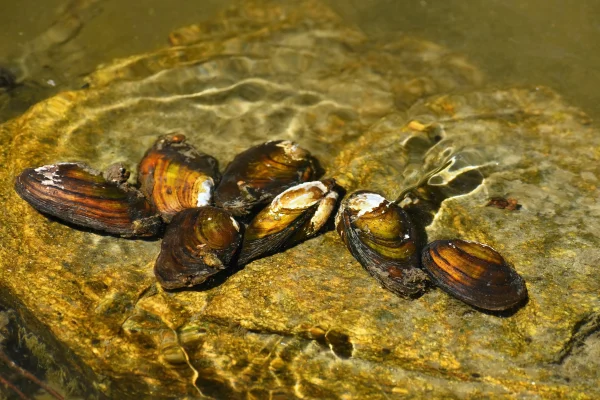
Shipping crates and boat hulls act like taxis for tiny invaders. According to the USGS, zebra mussels likely arrived in the Great Lakes in the 1980s via ballast water discharged by large ships from Europe. A study published in ScienceDirect notes that these strong biofoulers colonize water structures and screens to the point of constricting water flow, starving out local fish by eating all the plankton. The pet trade also causes significant trouble. Many people buy exotic snakes or fish and release them into local ponds when they grow too large. These released pets often start the next wave of alien species impact.
Measuring the True alien species impact on Biodiversity
The damage from a single invader reaches deep into your wallet and the health of the planet. As reported in the journal NeoBiota, a massive database called InvaCost shows that these pests are responsible for a minimum of $1.288 trillion in global economic costs over the last 50 years. They destroy food crops, ruin power plants, and kill off the variety of life that keeps nature strong.
What is a common example of an invasive species? One of the most cited examples is the Zebra Mussel, which has caused billions in damage to water treatment plants and outcompeted native mollusks across North America. Ironically, we spend far more money fixing the damage after it happens than we do on preventing the arrival of these species. Every dollar spent on Invasion Biology research saves ten dollars in future repair costs.
Competition and Predation Patterns
Native animals often do not recognize a new threat until the population crashes. On the island of Guam, the Brown Tree Snake arrived as a stowaway on military planes. The local birds had never seen a snake before in their evolutionary history. They did not fly away or hide their nests when the snakes approached. Today, ten out of twelve native forest bird species on the island have vanished forever. This loss creates a permanent ecosystem disruption because those birds no longer spread seeds for the trees.
Signs of ecosystem disruption in Local Habitats
You can spot a failing natural system if you know where to look. Some plants change the very dirt they grow in to favor their own kind. A tree called the Saltcedar drinks up to 200 gallons of water every single day. It dries up streams that fish and cattle need to survive.
How do invasive species change an ecosystem? They can greatly alter the environment by changing nutrient cycling or physical habitat structures, such as when invasive vines smother entire forest canopies. This creates a massive ecosystem disruption that stops native plants from getting any sunlight. Meanwhile, some weeds like Cheatgrass change the way fire moves across the land. Analyses published by the National Center for Biotechnology Information (NCBI) find that fire return intervals are two to four times more frequent where cheatgrass is dominant, contributing to conditions that make wildfires happen up to 20 times more often than normal, which kills the native shrubs that cannot handle frequent heat.
How Invasion Biology Identifies High-Risk Threats
Scientists act like border guards for nature by using high-tech tools. According to the Australian Department of Agriculture, they use a "Weed Risk Assessment" to screen new plants before they enter the country. This assessment involves answering up to 49 questions on specific characteristics of a plant to predict if it will stay in a garden or sprint into the woods and cause trouble. Some countries use "Whitelists" instead of "Blacklists" to stay safe. This means an importer must prove a plant is low-risk before they can legally bring it across the border.
This proactive branch of Invasion Biology saves millions of dollars in future cleanup. Researchers also use environmental DNA, or eDNA. They filter a single liter of water from a river to look for microscopic skin cells or waste. Research published by the National Center for Biotechnology Information (NCBI) outlines a method for determining the presence of an invasive fish species based on the detection of eDNA in water samples, which tells them if the fish lives in that river, even if no one has seen it yet. Finding them early is the only way to stop the alien species impact before it becomes permanent.
The Role of Early Detection and Rapid Response (EDRR)
Speed matters more than any other factor in conservation. Catching an alien species impact in the first year makes it 100 times easier to stop. Experts use the "Invasion Curve" to show that once a pest is everywhere, the cost of control becomes impossible for most budgets. As outlined by the National Invasive Species Information Center, EDRR is a coordinated set of actions to find and eradicate new and emerging threats, training local volunteers to spot new weeds so crews can remove them before they drop their first batch of seeds.
Management Strategies That Actually Halt Invasions
We have three main ways to fight back against these biological takeovers. We can pull weeds by hand, use targeted sprays, or bring in a "good" bug to eat the "bad" one. Is it possible to completely remove invasive species? While total eradication is rare once a species is widespread, it is highly achievable on islands or in isolated ponds through intensive, science-based management.
According to the National Museum of Australia, prickly pear cactus had overtaken 60 million acres of land before scientists released a specific moth to eat it. The moth ate only the cactus and saved the ranching industry from total collapse. This success shows how Invasion Biology provides practical solutions to massive problems. We call this biological control, and it remains one of our best long-term tools for restoring vast areas.
The Ethics of Biological Control
Bringing in a second new species to fight the first one sounds risky to many people. Historical accounts from the National Museum of Australia note that people brought in Cane Toads to eat beetles in sugar fields. The institution documents that while the toads thrived in the wild, they had no appreciable effect on the cane beetles and ate everything else instead, including native lizards and small mammals. Modern Invasion Biology uses much stricter rules today to prevent these mistakes. Scientists now spend years testing a bug in a lab to make sure it only eats the target weed before they ever let it go in the wild.
Community Action and Personal Invasion Biology Tactics
You play a massive role in protecting the woods and streams near your home. Simple habits stop the spread of pests before they can start a new colony. Clean your hiking boots and bike tires before you go to a new trail. Seeds often hide in the mud on your soles, waiting for a ride to a new forest.
Check your boat for weeds and drain all water before moving to a different lake. This prevents the spread of microscopic larvae and aquatic plants that cause ecosystem disruption. When you plant your garden, choose native flowers that belong in your region. Native plants give local bees and birds the food they need, while many "exotic" garden plants offer no value to the local wildlife.
Becoming a Citizen Scientist
You can use your smartphone to help experts track the impact of alien species across the globe. Apps like iNaturalist or EDDMapS let you take photos of strange plants or bugs you find on your walks. When you upload a photo, the app records your location. Scientists use this data to map exactly where an invasion is moving. Your single photo could alert the state to a new threat, allowing them to stop it before it spreads to the next county.
The Future of Global Environments and Conservation Policy
The world is getting warmer, and that changes the game for biosecurity. Tropical pests are moving north into places they could not survive ten years ago. The Asian Tiger Mosquito now carries diseases into new areas because of mild winters. This creates a fresh wave of ecosystem disruption that threatens both people and wildlife.
We need global laws to keep up with these shifting biological borders. The IMO Ballast Water Convention now requires ships to treat their water to kill hitchhikers before they arrive at a new port. Supporting these policies and the field of Invasion Biology creates a safety net for the planet's remaining wild places.
Securing Our Natural Heritage Through Invasion Biology
The alien species impact on our planet is a massive challenge, but we have the science to meet it. We can no longer treat our natural spaces like static pictures. They are active systems that need our help to stay balanced. Pulling a single invasive weed or reporting a strange beetle contributes to a global effort to save biodiversity.
Protecting our local nature keeps the world unique and full of life. Every forest and stream deserves the chance to thrive without being smothered by a biological wrecking ball. Supporting the work of Invasion Biology is the most effective way to ensure future generations inherit a diverse, functioning world that still looks like home.
Recently Added
Categories
- Arts And Humanities
- Blog
- Business And Management
- Criminology
- Education
- Environment And Conservation
- Farming And Animal Care
- Geopolitics
- Lifestyle And Beauty
- Medicine And Science
- Mental Health
- Nutrition And Diet
- Religion And Spirituality
- Social Care And Health
- Sport And Fitness
- Technology
- Uncategorized
- Videos

