
Frog Saunas are Stopping Mass Extinction
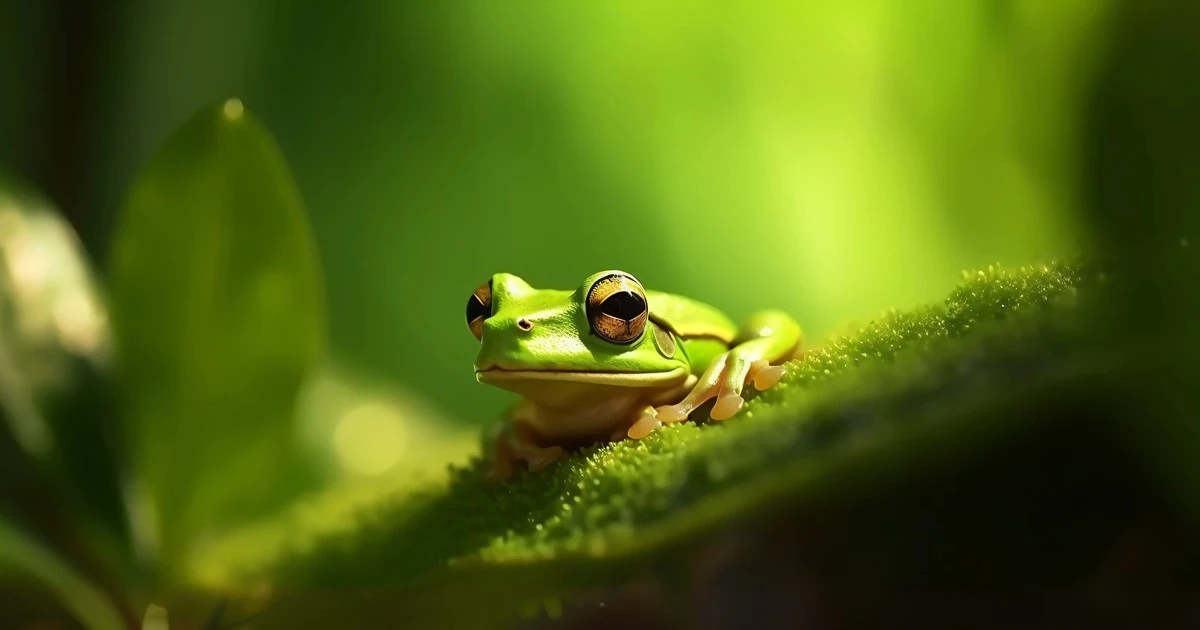
According to Scientific American, frogs die in winter because their bodies cannot generate enough internal heat to outrun a skin-eating fungus, as the infection proves more lethal in cold, wet climates than warm, dry ones. This thermal gap allows a lethal pathogen to overwhelm their immune systems while their metabolism slows to a crawl. Scientists found that providing artificial heat sources restores the balance in favor of the host. These simple frog saunas offer a lifeline to species that have spent decades sliding toward total disappearance. Pathogens exploit the cold blood of their hosts to cause a total population collapse across entire continents. This biological pressure has reshaped the natural world since the late 20th century.
The Global Crisis and the Rise of Frog Saunas
National Geographic reports that researchers first recorded the presence of the chytrid fungus, or Batrachochytrium dendrobatidis (Bd), between the 1970s and 1980s, though they only recognized these die-offs as a global phenomenon a decade later. As noted by The Guardian, the fungus caused the total extinction of Chiriquí harlequin frogs by 1996, contributing to the decline of over 500 amphibian species. The National Geographic publication also notes that the scientific community officially identified this pathogen as the primary driver of the global amphibian crisis by 1999, shortly after researchers first described the fungus in 1997. Since then, the numbers have only grown more dire. The fungus has caused the extinction of roughly 90 species.
Over 500 more face ongoing threats, and 124 species have lost more than 90% of their total population. Today, 40% of all amphibian species face the risk of vanishing forever. Dr. Anthony Waddle, who finished his PhD in 2022, compares this event to a pandemic that hits every mammal on the planet at once. To fight back, researchers began deploying frog saunas to give these animals a fighting chance. What is the main cause of amphibian extinction? The chytrid fungus serves as the leading killer by attacking the skin and causing heart failure in frogs and salamanders. This disease moves through water or direct contact between animals. It also travels through the international pet trade, spreading spores to new wetlands every day.
How Temperature Controls the Fungus
A few degrees of heat determine whether a fungus consumes a host or dies on the skin's surface. The survival of an entire species often hinges on the temperature of a single brick. The fungus thrives in cool, damp environments. It grows most effectively at 19°C (66°F). This temperature matches the natural habitat of many mountain-dwelling and stream-side frogs. When a frog's body temperature stays in this range, the fungus thrives. It eats the proteins in the skin, which prevents the animal from regulating its electrolytes. This disruption eventually causes the frog's heart to stop.
Ironically, the fungus has a weakness: it cannot survive high heat. Research published in Scientific American shows that if a frog raises its body temperature to 30°C (86°F) or slightly higher, the fungus dies and the animal clears the infection. Can frogs survive chytrid fungus? Frogs survive the infection if they find environmental heat sources that push their internal temperature above 30°C to kill the pathogen. In the summer, many frogs do this naturally by sitting in the sun. In the winter, however, they lose this opportunity. Dr. Anthony Waddle focuses his work on this winter vulnerability. During the cold months, frogs lack the thermal regulation options they need to stay healthy. This is why frog saunas are so vital during the winter. They provide a high-temperature sanctuary when the sun is too weak to help.
The Design and Function of Frog Saunas
A study in PubMed highlights that simple masonry materials turn solar energy into a life-saving heat source for infected animals, using cheap and accessible parts that allow for rapid adoption by the public. You do not need expensive technology to reverse a biological disaster. The design of frog saunas relies on basic physics. Researchers use 10-hole masonry bricks stacked in a "Jenga" style. They place these bricks inside small greenhouse covers made of translucent plastic. When sunlight hits the plastic, it traps heat inside. The bricks absorb this energy and hold it, creating a warm micro-environment. Popular Science reports that in 2022, researchers installed 50 of these units around the Brickpit at Sydney Olympic Park to support one of the last remaining local populations.
They found that frogs were 23 times more likely to survive after using these thermal refuges. The frogs enter the holes in the bricks, soak up the heat, and raise their internal temperature. How do frog saunas work? These structures use masonry bricks and plastic covers to trap solar heat, creating a 30°C environment that kills the fungus. These saunas shift conservation strategy toward providing the tools for frogs to heal themselves rather than trying to disinfect an entire wetland. Dr. Waddle calls them miniature thermal sanctuaries. They offer internal heat elevation that leads to microbial eradication without the use of harsh chemicals or labor-intensive treatments.
Building Immunity Through Heat Exposure
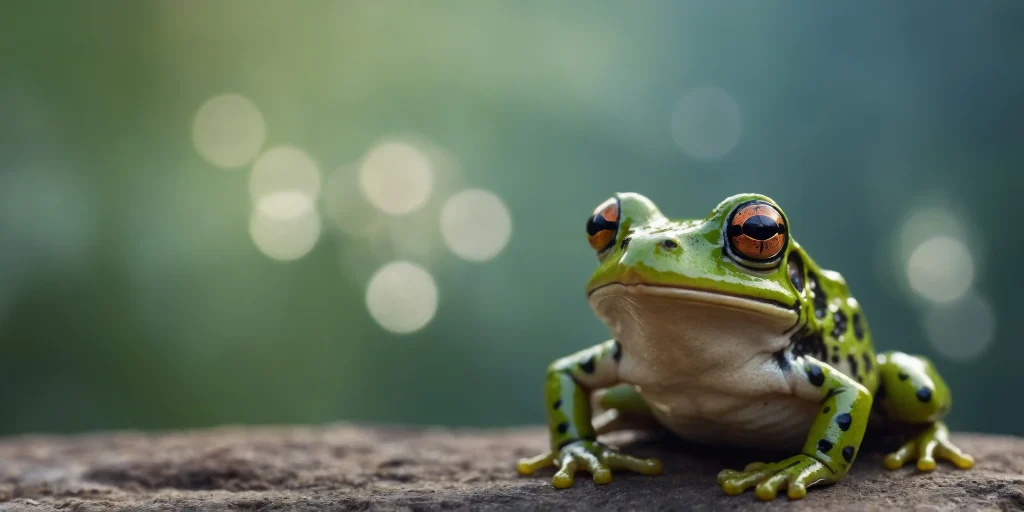
ScienceDaily observes that a temporary rise in body temperature creates a lasting defense against future infections, as survivors develop a form of acquired immunity. Survival today prepares the immune system for the challenges of tomorrow. When a frog uses one of these saunas to kill the fungus, the frog receives a clean bill of health and gains acquired immunity. This means the frog becomes much more resistant to future fungal exposure. Data shows that frogs previously infected and then treated with heat have a much higher probability of surviving their next encounter with the fungus.
This immunity is the key to long-term survival. The goal is to keep the frogs alive long enough for them to adapt. Dr. Anthony Waddle views this as a strategy to extend survival time. We cannot erase the fungus from the wild; it has become part of the environment like a common cold. However, we can help the frogs survive the "cold" until their bodies learn to fight it off naturally. This process transforms the frogs into resilient survivors. They no longer rely solely on human intervention. Once they have used the frog saunas to clear an infection, their immune systems remain on high alert. This biological empowerment gives populations the strength to persist even in contaminated waters.
The Benefits of Scalable Citizen Science
Massive conservation goals require solutions that anyone can build with a trip to the hardware store. Decentralized efforts allow for a much wider effect than centralized laboratory work. The use of low-cost materials makes this project highly scalable. Masonry bricks and PVC pipes are cheap and easy to find. This simplicity allows for citizen-science potential, where local communities can help protect their own wildlife. Dr. Waddle emphasizes that these basic hotspot structures offer local participation opportunities that didn't exist before. According to ScienceX, the green and golden bell frog has lost 90% of its native range across Australia.
Helping this species requires thousands of thermal refuges across habitats rather than just a few scientists in a lab. Because frog saunas are so easy to build, schools, gardening clubs, and homeowners can install them in their backyards. This community-led approach bypasses the logistics of large-scale manufacturing and distribution. It turns every garden with a pond into a potential recovery center. Deploying these units in urban and suburban areas stabilizes populations that would otherwise vanish. The scalability of the sauna design turns a local experiment into a global possibility for conservation.
The Limits and Risks of Thermal Refuges
Thermal solutions must match the specific biology of the species they are intended to save. What saves a frog in the sun might kill a frog from the clouds. The effectiveness of this method depends heavily on the climate and the species. Warm-climate frogs, like the bell frogs in Sydney, benefit greatly from the heat. However, cold-climate amphibians face different risks. For a species like the Panamanian golden frog, which evolved in cool mountain forests, a 30°C sauna could cause fatal heat stress. Climate specificity remains a major hurdle for wild implementation. A report from the National Center for Biotechnology Information warns that there is a fine line between killing a pathogen and harming the host, as amphibians possess widely varying thermal tolerance limits. Researchers must ensure that the saunas do not get too hot for the species they are trying to protect.
Additionally, some regions lack the consistent sunlight needed to heat the bricks. In these areas, the saunas might never reach the vital temperature required to kill the fungus. There is also the challenge of land permission and long-term maintenance. While the lab results are impressive, the reality of the wild is unpredictable. Benedikt Schmidt notes that moving from a proof-of-concept to a wide-scale distribution involves significant hurdles. Conservationists must carefully select sites where the saunas will have the most effect without disrupting other parts of the environment.
The Role of Frogs in Human Health
The loss of a single species of frog creates a ripple effect that eventually touches human lives. Amphibians provide services that no machine can replicate. Frogs play a massive role in our everyday health by consuming insects. They act as a natural barrier against mosquitoes and other pests that carry human diseases. When frog populations collapse, the number of disease-carrying insects often rises. This makes the success of frog saunas a matter of public health as well as environmental protection.
Furthermore, amphibian skin is a goldmine for medical research. Scientists have found sources for non-opiate painkillers and new antibiotics in the secretions of various frogs. As species go extinct, we lose the chance to find these life-saving medicines. Every species that disappears takes its unique chemical compounds with it. Dr. Jodi Rowley points out that the global circumstances are desperate. We need radical conservation tactics because the consequences of failure are so high. Protecting these animals preserves the natural systems that keep humans healthy and safe while supporting biodiversity.
Future Tech: From Saunas to Synthetic Biology
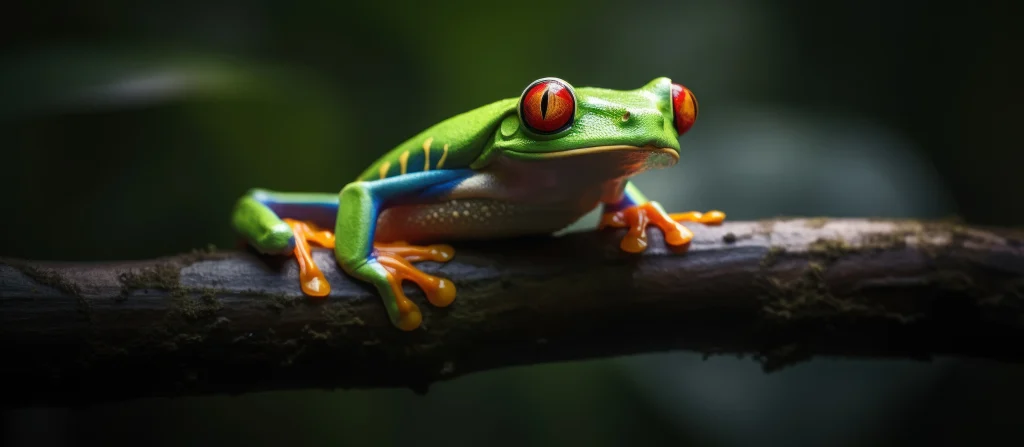
When simple bricks are not enough, the future of conservation may lie in the genetic code itself. We are moving toward a time when we might need to rebuild species from the inside out. The International Union for the Conservation of Nature (IUCN) faces a major decision regarding synthetic biology. This involves the potential use of gene editing to save endangered species. Dr. Anthony Waddle and other researchers are already investigating these possibilities. They are looking at how deliberate genetic modification could help frogs resist the fungus naturally.
This transgenic research aims to identify the specific genes that provide immunity. If scientists can insert these genes into vulnerable populations, the frogs might no longer need frog saunas to survive. This would create a permanent, self-sustaining solution for biodiversity preservation. However, this path is full of controversy. Critics worry about the long-term effects of releasing genetically modified animals into the wild. Despite the risks, many experts believe that we must explore every option. Jonathan E. Kolby warns that without these advanced measures; we will continue to see a severe erosion of biological variety across the planet.
Survival as a Stopgap Measure
Conservation is often a race against time, where every extra year of survival gives evolution a chance to catch up. We are buying time for nature to find its own way forward. The sauna strategy serves as a stopgap measure. The strategy focuses on helping frogs live through the most dangerous parts of the year rather than attempting to eradicate the fungus entirely. Extending their survival time increases the chances that they will develop their own natural resistance over many generations.
Dr. Waddle remains obsessed with these experimental outcomes because they offer real hope. He spends his time thinking of new ways to implement these solutions in the wild. The goal is to move beyond the laboratory and into the real world, where these animals are fighting for their lives every day. The shift from a controlled experiment to a wild success story is difficult, but necessary. Every frog that survives a winter in a sauna is a frog that can go on to reproduce in the spring. This cycle of survival is the only thing standing between these species and total extinction.
A New Strategy for Frog Saunas
The battle against the chytrid fungus has entered a new phase of biological empowerment. Addressing the thermal needs of these animals has allowed us to flip the script on a global killer. The success of frog saunas demonstrates that we can achieve massive biological effects using the most basic materials.
As we move toward 2026 and beyond, the focus will remain on scaling these solutions. Whether through masonry bricks or future genetic research, the priority is to keep the frogs alive. We have seen that a little bit of heat can go a long way in building immunity and preventing cardiac arrest. The future of our wetlands depends on our ability to provide these sanctuaries. Giving frogs the tools to fight back ensures that their unique contributions to medicine and nature continue for another generation. The time of watching from the sidelines is over; the time of active thermal protection has begun.
Recently Added
Categories
- Arts And Humanities
- Blog
- Business And Management
- Criminology
- Education
- Environment And Conservation
- Farming And Animal Care
- Geopolitics
- Lifestyle And Beauty
- Medicine And Science
- Mental Health
- Nutrition And Diet
- Religion And Spirituality
- Social Care And Health
- Sport And Fitness
- Technology
- Uncategorized
- Videos

