
Positive Learning Environment Cuts Class Stress
When a classroom stays perfectly quiet, teachers often mistake that stillness for discipline. In reality, that silence often signals a brain in survival mode. Fear closes the gates of the mind. As detailed in ScienceDirect, when a student worries about social rejection or a teacher’s sharp tone, high levels of catecholamine release rapidly impair top-down cognitive functions, shifting resources away from the prefrontal cortex. According to research in the NCBI database, this part of the brain handles executive functions like working memory, attention, logic, and cognitive flexibility. According to Frontiers in Young Minds, stress floods the system with the hormone cortisol to send energy to important muscles, and as noted by Frontiers in Neuroscience, it causes a rapid release of norepinephrine and glucocorticoids. Additionally, research from Nature and Frontiers in Human Neuroscience shows this hormone-induced cognitive dysfunction impairs memory retrieval, making it physically impossible to absorb new facts.
Educators must look past traditional compliance. Success requires a Positive Learning Environment where the nervous system feels safe enough to explore. This post explores how to shift your classroom from a place of high pressure to a place of high performance. You will learn to use biology, physical design, and specific speech patterns to lower stress and raise grades. As highlighted by Harvard Business Publishing, psychological safety is the unseen engine behind innovation and change; consequently, you will have a clear plan to change your room into a hub of genuine exploration.
Why a Positive Learning Environment Reduces Cortisol
High stress levels act like a physical wall in the brain. Research published in ScienceDirect explains that when students feel threatened, associational data converges at subcortical relaying sites, and the amygdala takes control. The Journal of Neuroscience notes that this small, almond-shaped structure is critical for stress-induced modulation and activates the "fight or flight" response. As detailed in Nature, this reaction alters memory processes and hampers the updating of memories, prioritizing survival over long-term memory. A Positive Learning Environment reverses this process. It lowers cortisol levels and allows the brain to stay in a state of "relaxed alertness."
The Link Between Safety and Cognition
The prefrontal cortex functions only when a student feels secure. If the brain senses a threat—like a peer laughing at a wrong answer—it shuts down executive function. This means the student cannot plan, organize, or remember what you just taught. How does stress affect student learning? A study in ScienceDirect indicates that exposure to chronic stress contributes considerably to cognitive impairments, hindering the brain's ability to process new information and retrieve memories, effectively closing the "gate" to academic achievement.
Shifting from Compliance to Engagement
Teachers often use fear to manage behavior. This creates a room full of students who follow rules but never take risks. Use interest-based participation instead. When you focus on a student's natural curiosity, their brain releases dopamine. This chemical strengthens the connection between neurons. Students who feel safe enough to ask "why" learn significantly faster than those who only want to avoid trouble.
Establishing Classroom Psychological Safety as Your Foundation
According to a study on ResearchGate, psychological safety is centrally tied to learning behavior, meaning you cannot have growth without the freedom to fail. As noted by PsychSafety.com, classroom psychological safety is the belief that individuals can safely take interpersonal risks without suffering negative social consequences, which aligns with Harvard Professor Amy Edmondson's idea that no one will punish or humiliate you for making a mistake. The same source notes that without a climate where people are comfortable expressing themselves, students hide their confusion. According to an ISTE blog, learners must feel comfortable seeking answers and clarification; otherwise, they stay quiet even when they do not understand the lesson. This creates a gap in knowledge that grows larger every day.
Normalizing the "Growth Mistake"
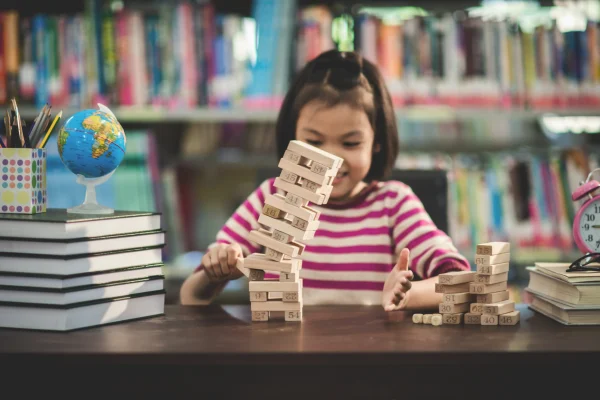
Treat mistakes as valuable data points. When a student gives a wrong answer, thank them for showing where the confusion lies. Use the "Normalizing Error" technique from the Teach Like a Champion framework. This approach tells the class that errors are a natural part of achieving proficiency. You reward the effort of the attempt and avoid demanding immediate perfection. This build-up of classroom psychological safety encourages every student to join the conversation.
Vulnerability as a Teaching Tool
Students watch how you handle your own errors. If you misspell a word on the board or lose your place in a lecture, admit it immediately. Show them how to correct a mistake without shame. This models the exact behavior you want from them. When the person in charge displays vulnerability, it lowers the power imbalance stress. Students realize they don't have to be perfect to be worthy of respect in their room.
Designing Physical and Virtual Supportive Student Spaces
The physical layout of your room directly affects the student's nervous system. The University of Salford found that classroom design can boost academic progress by 16% in a single year. You must create supportive student spaces that cater to sensory needs. A cluttered, brightly lit, and noisy room keeps the brain in a state of high alert.
Ergonomics and Sensory Regulation
Swap harsh fluorescent lights for softer lamps or natural sunlight. Add biophilic elements like indoor plants to lower heart rates. These small changes help create supportive student spaces where students can focus on work instead of managing sensory overload. Provide "soft seating" options like floor cushions or wobble stools. These tools allow students with high energy or ADHD to regulate their bodies without distracting others.
Digital Boundaries and Safety
Learning no longer stops at the classroom door. Your online platforms must also feel like supportive student spaces. Clear digital boundaries protect students from online bullying or the stress of 24/7 notifications. Set specific hours for digital communication. Ensure that your Learning Management System (LMS) is organized and predictable. A predictable digital space reduces the unseen stress of trying to find assignments in a messy folder system.
Communication Tactics for a Positive Learning Environment
The way you speak to students determines the emotional temperature of the room. Small shifts in your language can build or destroy trust in seconds. To maintain a Positive Learning Environment, you must use language that balances high expectations with high support.
High-Expectation, High-Support Language
Use the "Wise Feedback" method developed by Stanford researchers. When you return a graded paper, add a note saying you have high expectations and know the student can meet them. This simple sentence tells the student that your criticism stems from a sincere belief in their abilities. What are the characteristics of a positive learning environment? A truly effective space is characterized by mutual respect, clear boundaries, and the freedom for students to take intellectual risks without fear of social penalty.
Active Listening Protocols
Validate student concerns immediately through active listening. When a student expresses frustration, use "paraphrasing and perception checking." Say, "What I hear you saying is that this math problem feels overwhelming because of the multi-step process. Is that right?" This shows the student you value their internal experience. Validation lowers cortisol instantly. It moves the conversation from an emotional struggle to a logical problem-solving session.
Implementing Restorative Practices to Maintain Harmony
Traditional discipline relies on exclusion. Sending a student to the hallway or the office breaks their connection to the group. This activates the same part of the brain as physical pain. Restorative practices focus primarily on repairing the harm. This keeps the community intact and preserves the Positive Learning Environment.
Collaborative Problem Solving
When a conflict occurs, bring the involved parties together. Use restorative circles to discuss how the behavior affected others. Ask, "Who was harmed, and how can we make it right?" This approach teaches students to take responsibility for their actions. It replaces the fear of punishment with a sense of duty toward their peers. You build a culture where everyone feels responsible for the peace in the room.
Peer-to-Peer Mediation
Give students the tools to manage their own supportive student spaces. Train them in basic mediation techniques. When two students argue over a shared resource, let them work through a guided script to find a solution. This builds social-emotional competence and reduces the number of interruptions you have to handle as a teacher. It empowers students to take ownership of their social world.
Measuring the Results of Your Positive Learning Environment
You cannot manage what you do not measure. Use both feelings and facts to track the health of your classroom. A Positive Learning Environment should show clear results in student behavior and academic growth.
Student Surveys and Pulse Checks
Use anonymous exit tickets to gather real-time data. Ask questions like, "On a scale of 1 to 10, how safe did you feel to ask for help today?" This gives you an honest look at the levels of classroom psychological safety. How do you create a positive learning environment in the classroom? You can build this through consistent implementation of predictable routines, validating student emotions, and co-creating classroom norms with your students.
Analyzing Attendance and Engagement Data
Watch for trends in absenteeism and participation. Students who feel safe and supported show up more often. They also participate more in class discussions. Correlate your environmental changes with these numbers. If you notice participation dropping, it often means the stress levels have crept back up. Use this data to adjust your strategies and return the focus to emotional security.
Sustaining the Positive Learning Environment Year-Round
The "honeymoon phase" of a new school year often fades by November. Maintaining a Positive Learning Environment requires constant attention. As the curriculum gets harder and testing season approaches, stress naturally rises. You must stay ahead of this curve.
The Role of Teacher Self-Care
A stressed teacher creates a stressed classroom. Your students mirror your nervous system through "emotional contagion." If you are burnt out and frustrated, they will feel that tension. Prioritize your own well-being to ensure you can provide a calm presence for your students. A regulated adult is the most important tool for maintaining classroom psychological safety.
Iterating Based on Classroom Evolution
The needs of your students will change as the year progresses. A layout that worked in September might feel stale or cramped by February. Regularly ask for student input on how to improve their supportive student spaces. This keeps the environment feeling fresh and relevant. It also reinforces the idea that the classroom belongs equally to the students and the teacher.
Manage Your Positive Learning Environment Today
Creating a classroom without stress requires providing the emotional and physical foundation students need to meet high standards. When you prioritize classroom psychological safety, you release the brain's natural ability to learn. You replace the "fight or flight" response with curiosity and focus.
Remember that every chair you move and every word you choose matters. Physical design and thoughtful communication turn a cold room into a sanctuary for growth. These supportive student spaces give every learner a fair chance to succeed regardless of their background or anxiety levels. Commit to these changes today. Your students will reward you with higher engagement, better behavior, and a genuine love for learning. A Positive Learning Environment is the single most powerful tool you have to change the future of your students.
Recently Added
Categories
- Arts And Humanities
- Blog
- Business And Management
- Criminology
- Education
- Environment And Conservation
- Farming And Animal Care
- Geopolitics
- Lifestyle And Beauty
- Medicine And Science
- Mental Health
- Nutrition And Diet
- Religion And Spirituality
- Social Care And Health
- Sport And Fitness
- Technology
- Uncategorized
- Videos

