
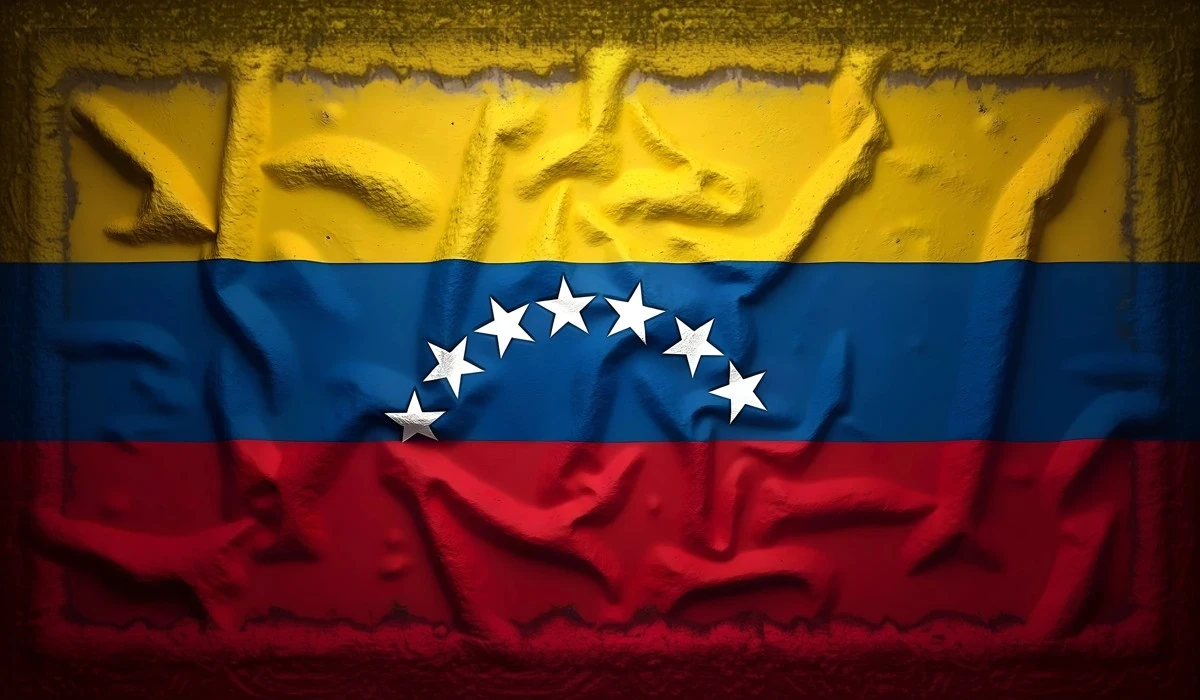
Venezuela’s Political Prisoner Crisis
State control over a human being requires severing their connection to time, geography, and basic legal reality. When authorities drag a person into a holding cell, they initiate a highly calculated erasure process. A massive disruption hit this established order in early January. According to Reuters, a US military operation successfully captured Nicolás Maduro early on a Saturday morning. Suddenly, the state ordered the release of over 600 captives from their cells.
Yet, beneath these high-profile liberations, a brutal institutional history remains completely intact. The treatment of political prisoners in Venezuela reveals an exact science of breaking human resilience. New liberation orders highlight a rapidly shifting political climate. However, the deep scars from years of deliberate isolation tell a much darker story about state authority. Understanding this environment requires looking straight at the extreme deprivation, the administrative delays, and the precise application of cruelty.
The Labyrinth That Erases Daylight
Concrete designed for high-end retail makes an equally effective tool for absolute disorientation. In the 1950s, ambitious developers built El Helicoide as a premium luxury shopping center. State security agencies eventually transformed the spiraling, multi-level structure into a massive detention facility. What is El Helicoide in Venezuela? As noted by The Guardian, it is a former mid-century commercial project initially designed as a drive-through shopping hub in Caracas, which the government later repurposed into the country's most notorious torture and holding center for dissidents.
Today, human rights groups push back fiercely against a new government proposal. Officials want to completely convert the site into a social and sports center designed for police families. Critics view this conversion plan as a direct attempt to erase a long, documented history of state repression.
Before the recent wave of releases, conditions inside proved consistently horrifying. The severe overcrowding pushed the facility to 200% of its intended capacity. Detainees endured frequent power and water cuts alongside rampant gang violence. Those with resources paid high costs for basic cell upgrades. Others simply survived alongside rat and cockroach infestations while breathing in a nauseating odor every single day.
The Brutal Timeline for Political Prisoners in Venezuela
Isolation relies on deliberate scheduling alterations to disrupt basic human cognition. Guards strip away worldly detachment by randomizing meal times and enforcing total daylight deprivation. Javier Tarazona experienced this utter terror firsthand during his 1,675 days in state custody. His ordeal began with physical assaults, severe restraint via handcuffs, verbal abuse, and forced facial coverings during his initial police vehicle transport.
Authorities eventually confined him to a "little tiger" punishment cell for 46 brutal days. These extremely tiny spaces feature nothing more than makeshift mattresses and open sewer holes. Who is Javier Tarazona? He is a prominent Venezuelan human rights defender who faced extreme physical and psychological abuse before his release in early January.
Fellow detainee Ángel Godoy faced his own exhausting timeline of state control. Following his initial arrest, officials deliberately hid his location from his family for 25 days. A report from The Guardian highlights that his captors subjected him to roughly three months of total isolation, preventing any family contact during that time. Godoy recognized this separation tactic as an organized effort to achieve psychological destruction. For many political prisoners in Venezuela, surviving means battling this intense disorientation every single minute. The state carefully removes all anchors to the outside world.
Extorting the Bloodline for Compliance
Interrogation shifts from physical force to emotional pressure the moment a captive refuses to break. When Javier Tarazona refused to comply with his captors' demands, state officials escalated their tactics. They brought in a photograph of his 70-year-old mother. The authorities executed a brief arrest of the elderly woman. They explicitly threatened her permanent incarceration unless he immediately recorded a video confession. Tarazona relied on his absolute certainty of his mother's resilience and forcefully rejected the demand. The blackmail attempt failed.
The state frequently punishes the extended family members of high-profile targets. For political prisoners in Venezuela, activism often creates immense collateral damage. Tarazona carried massive remorse over the unjust punishment of his sibling, knowing his activism directly caused the fallout. Relatives outside the prison walls face severe, sudden economic consequences.
Adriana Briceño experienced this retaliation firsthand. She lost her job at a state telecoms company after 21 years of dedicated service. Her unexplained termination followed shortly after her husband's arrest. The regime uses financial ruin as a secondary form of imprisonment to ensure ultimate compliance.
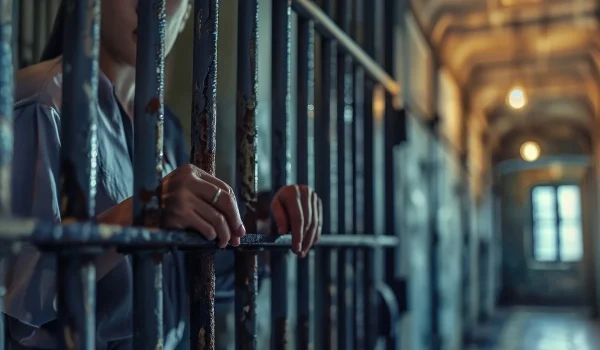
Smuggling Affection Through Chocolate Wrappers
Total communication blackouts force desperate people to turn literal garbage into vital communication lifelines. With zero official access to the outside world, detainees at El Helicoide invented completely new ways to connect with their loved ones. Prisoners smuggled written messages outward using piles of dirty laundry and discarded chocolate wrappers.
Ángel Godoy's son routinely sent in requests for sweet treats. This simple, everyday act served as a deep expression of familial affection and deep familial love. Godoy viewed these communication innovations as a necessary emotional survival tactic. A smuggled note provided the only verifiable proof of life for families waiting on the outside. Every piece of trash became a potential courier for hope.
The Legal Void Trapping Political Prisoners in Venezuela
A justice system functions as a permanent holding pattern when judges refuse to actually hold trials. The national constitution clearly mandates transparent and expeditious justice. Ground reality shows years-long delays, extreme judicial understaffing, and basic supply shortages within the courts.
Private legal representation charges starting fees between $5,000 and $10,000. Most targeted families simply cannot afford this immense cost. Foreign prisoners face near-zero bail chances due to automatic high flight risk classifications. This classification results in automatic remand and mandatory deportation immediately following their sentence.
The law explicitly caps ordinary pre-trial detention at two years. Authorities easily extend this limit when charging individuals with severe crimes. Furthermore, drug trafficking convictions carry automatic, devastating penalties. A person faces 15 to 18 years in prison for possessing as little as 2.1 grams of cocaine or 20 grams of cannabis. Meanwhile, Venezuela enforces a strict maximum penalty of 30 years for the most severe offenses, keeping zero death penalty on the books.
Despite these written laws, due process remains entirely absent for political prisoners in Venezuela. Tarazona waited seven full months for his initial meeting with a court-appointed counsel. Over his entire 1,675-day ordeal, he received fewer than five total legal visits. Meanwhile, Godoy spent more than a full year without any access to a legal defense or even a glance at his own case file.
The Conflicting Numbers of Liberation
Releasing detainees creates instant international goodwill while masking simultaneous crackdowns occurring on the streets. Following the dramatic capture of Maduro, Acting President Delcy Rodríguez announced the liberation of prisoners. She framed this event as a clear signal of a new political phase that strictly tolerates ideological diversity. She firmly stated that all dissent must respect human rights and completely avoid violence.
How many political prisoners are in Venezuela? Current estimates from human rights organizations generally suggest up to 1,000 individuals remain incarcerated for dissenting; specifically, Reuters reports that Foro Penal counted at least 800 political prisoners at the beginning of the year, while Al Jazeera noted a slightly different snapshot from the same group indicating at least 644 remain jailed today. The regime officially claimed 406 recent releases. NGO verification confirmed far lower actual numbers. They noted 157 to 186 in an earlier round, and only 100 to 116 in the most recent round.
Former prosecutor Zair Mundaray points out the severe administrative chaos and complete absence of hierarchy within the leadership restructuring. He notes a highly effective dual strategy. The government presents a clean civic facade through publicized liberations while simultaneously executing fresh detentions.
On the ground, armed militias still routinely search citizen phones on the streets. Protest fear remains incredibly high. Authorities enforce strict post-release gag orders to maintain compliance. The regime continually claims that NGOs operate via corruption to extort families. In reality, Foro Penal executes 100% of its legal defense work on a strictly voluntary and free basis.
The Post-Maduro Geopolitical Shift
A sudden change in the highest level of command often leaves the old enforcers firmly seated at their operational desks. The US military operation in January removed Maduro and successfully seized five oil vessels in international waters. Yet, the wider regime leadership remained entirely intact.
Diosdado Cabello still serves as Interior Minister and actively oversees all state repression. Jorge Rodríguez retains his powerful role as Congressional President. A Washington Post report suggests Donald Trump’s US policy preferred reliability and retention over democratic revolution. He kept the former dictator's cabinet in place, worrying advocates as he effectively sidelined the expected democratic successor, María Corina Machado. Trump cited the sheer success of the military intervention, noting his expectation of eternal gratitude while promising severe consequences for any future ingratitude.
The US State Department quickly confirmed the release of at least four US citizens. A spokesperson called the interim leadership progress a highly positive development. Meanwhile, a strict state of emergency remains active across the nation. Authorities constantly issue new search and capture orders for anyone openly supporting the US attack. In Barcelona, officials arrested 15 minors on January 5 merely for celebrating Maduro's capture. The teenagers thankfully secured their release shortly after. The state also abruptly restored public access to X (Twitter) after a strict one-year ban originally imposed by Maduro. Cabello and Rodríguez logged in immediately, though ordinary citizens previously required VPNs just to access the digital platform.
Forgiveness as the Ultimate Defiance
Surviving intense state cruelty requires subordinating political ambition to the absolute necessity of personal healing. After enduring physical assaults, severe restraint via handcuffs, verbal abuse, and forced facial coverings during transport, the freed captives face a massive mental recovery process.
Both Tarazona and Godoy deliberately chose to reject hatred entirely. Tarazona viewed his prolonged agony as a rare chance for enlightenment. He seized the introspection opportunity and actively cultivated forgiveness during his confinement. Upon his release, he voiced his strong post-detention conviction. He pushed heavily for a national reunion necessity to promote trans-generational trauma healing.
Godoy closely echoed this powerful sentiment. Following his exposure to extreme cruelty, he issued a direct plea for his fellow inmates to embrace forgiveness. He demanded the total removal of malice from their hearts. He prioritized a nation-building priority over personal grievances, looking entirely toward a bitterness-free future. Their rejection of anger ensures they refuse to let their former captors dictate their permanent emotional state.
The Enduring Legacy of Political Prisoners in Venezuela
True national recovery begins when a society confronts the absolute reality of its darkest holding cells. The ongoing treatment of political prisoners in Venezuela highlights the immense gap between written constitutional promises and ground-level brutality. Officials continually attempt to convert torture sites into sports centers to physically wipe away the evidence of repression. Detainees fight back simply by surviving and sharing the reality of the punishment cells and the open sewer holes.
The sudden geopolitical shift sparked a highly publicized wave of liberations, yet hundreds of citizens remain trapped in a heavily overcrowded prison system. The survivors walked out of the darkness and actively chose national reunion over personal revenge. Their stories demand a full, transparent accounting of the past to ensure real justice eventually replaces the current political facade.
Recently Added
Categories
- Arts And Humanities
- Blog
- Business And Management
- Criminology
- Education
- Environment And Conservation
- Farming And Animal Care
- Geopolitics
- Lifestyle And Beauty
- Medicine And Science
- Mental Health
- Nutrition And Diet
- Religion And Spirituality
- Social Care And Health
- Sport And Fitness
- Technology
- Uncategorized
- Videos

