
Solid Criminal Proof Through Forensic Dentistry
When a fire sweeps through a building, it melts metal and turns wood to ash. It also destroys skin, hair, and fingerprints. However, the heat often stops at the jawbone. Inside the mouth, the hardest substance in the human body stays intact. Teeth guard the identity of the person long after the rest of the body disappears. This biological record tells stories that the living cannot speak.
Forensic Dentistry uses these durable clues to solve crimes that seem impossible to crack. Investigators look past the charred surface to find the one thing that remains constant. Every filling, chip, and gap creates a map for the law. This field connects the dentist's chair to the courtroom. It ensures that criminals leave behind more than they intended. Police and scientists rely on these small, stubborn details to build cases that hold up under pressure.
The Forensic Dentistry Witness
Teeth act as the ultimate record-keepers for the human body. While soft tissues fade away, enamel protects the history of a person. According to a review published in the PMC repository, scientists find that enamel consists of approximately 96% mineral or inorganic content by weight, primarily hydroxyapatite. This mineral content makes teeth almost indestructible. Research published by the Manipal Academy of Higher Education also notes that dental remains are used for long-term identification in decomposed or skeletonized cases, as they survive burial, water exposure, and the passage of decades.
Irony exists in the fact that the smallest part of the body often provides the biggest breaks in a case. Investigators treat every tooth like a storage drive for personal data. These hard structures resist the elements that wipe away other forms of evidence. Forensic Dentistry turns these surviving fragments into a voice for the deceased.
Resilience Against Extreme Conditions
As documented in the PMC forensic odontology literature, dental structures withstand temperatures reaching or exceeding 1,000 degrees Celsius, depending on the environmental conditions. In many house fires or plane crashes, the body suffers total destruction. The Manipal Academy research further indicates that dental restorations, including porcelain-fused-to-metal crowns and gold bridges, often stay behind when soft tissues are destroyed. These materials do not melt at the same rate as bone or flesh. Odontologists use these surviving materials to link remains to a name.
The Uniqueness of the Human Dentition
No two people share the same mouth. The PMC review explicitly states that the uniqueness of teeth extends even to identical twins, who have different dental patterns. The way teeth rotate, the distance between them, and the shape of the roots create a unique signature. Forensic Dentistry relies on this individuality. When a dentist records a specific filling on tooth number 14, they create a permanent marker for that individual.
How bite mark analysis pinpoints a Suspect
A violent struggle often leaves physical marks on a victim. Sometimes, a suspect bites their target, or a victim bites back. These impressions serve as a physical link to the attacker. Experts use bite mark analysis to turn these injuries into evidence. They look at the size, shape, and alignment of the teeth that caused the wound.
Can bite marks be used as evidence in court? Yes, courts often accept bite marks as physical evidence to connect a suspect to a crime, especially when a certified expert performs the work. This process requires extreme precision. Investigators must act quickly before the skin bruises or heals. They use specialized scales to ensure the photos match the real-world size of the teeth.
Capturing the Impression
The team uses the ABFO #2 scale for every photograph. This L-shaped tool allows the expert to correct any camera angles. They also use 3D scanners to create a digital model of the bite. This model shows the depth and pressure of the individual teeth. These digital files allow for a side-by-side comparison with a suspect’s dental mold.
Comparing Dental Features to Tissue Trauma
Experts look for specific traits like gaps or chipped edges. If a suspect has a jagged front tooth, that shape should appear in the wound. They also measure the intercanine distance. An adult usually has a distance wider than three centimeters. These measurements help the team rule out children or animals as the source of the mark.
Finding Truths Located in Dental Records
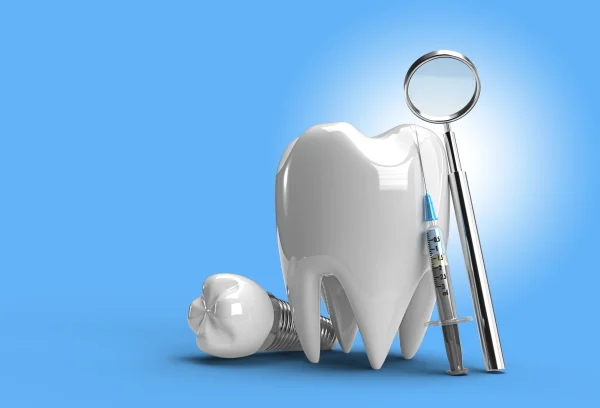
Every visit to a family dentist creates a paper trail. According to the PMC repository review, these dental records serve as the primary tool for identification, as postmortem dental comparison is a major primary identification modality in disaster victim identification. When police find unknown remains, they look for these charts first. They contain X-rays, notes on surgeries, and descriptions of every tooth. This documentation turns a routine checkup into a vital piece of a criminal investigation.
How accurate is forensic dentistry in identifying people? This method remains highly accurate because every person has a unique set of teeth and dental work that provides specific proof of identity. The combination of natural growth and man-made repairs creates a pattern that is nearly impossible to duplicate.
Comparing Antemortem and Postmortem Data
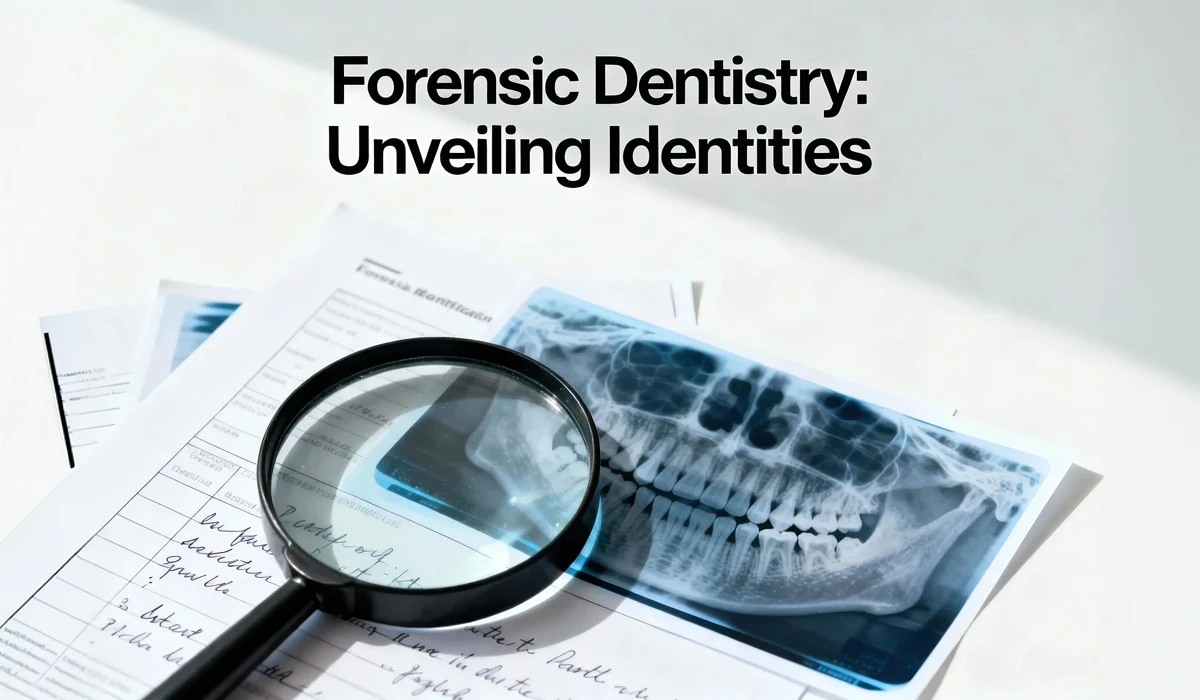
The same review notes that comparing antemortem and postmortem data is a standard forensic identification methodology. The forensic team compares old X-rays taken while the person was alive to the remains they found. They look for the exact shape of the sinus cavity or the path of a root canal. If the two images match perfectly, the search ends. This method provides a positive identification that the legal system trusts.
The Role of Fillings, Crowns, and Implants
Modern dental work acts as a serial number for the body. Manufacturers often engrave serial numbers on titanium implants. These numbers stay legible even after extreme trauma. Fillings also have unique shapes that a dentist carves by hand. These tiny artistic choices become the labels that identify a victim years later.
Securing Convictions through Forensic Dentistry
The work moves from the lab to the witness stand during a trial. A forensic dentist explains detailed science to the jury. They show how a suspect’s teeth match the evidence at the scene. This testimony often provides the final piece of proof that leads to a guilty verdict.
Forensic Dentistry played a massive role in the 1979 trial of Ted Bundy. His unique dental alignment matched a bite mark on a victim. The jury saw the physical mold of his teeth fitting perfectly into the injury. This visual proof swayed the court. It showed that the suspect was present and active at the crime scene.
Experts avoid using confusing jargon when they speak to a jury. They use clear overlays and 3D models to show the match. The prosecution's case becomes strong when they make the science easy to see. This clarity helps the jury feel confident in their decision. It turns a dental mold into a powerful tool for justice.
Identifying Victims When All Else Fails
In mass casualty events, such as plane crashes or natural disasters, the system faces a massive challenge. Bodies may be impossible to recognize through sight or fingerprints. According to research in the PMC repository, dental identification is a major tool supported by Interpol protocols, which allows teams to identify hundreds of people in a few days. In these moments, the forensic dentist becomes the most important person on the team. They work through hundreds of sets of remains to bring names back to the victims.
Why do investigators use dental records to identify bodies? Police rely on these dental records because teeth are the strongest part of the body and often survive conditions that destroy other identifying markers. This durability makes them the most reliable option in disaster zones. The team can identify hundreds of people in a few days using this method.
Working with Global Databases
The team uses systems like Interpol’s DVI protocols to manage the data. They compare dental coding from around the world to find matches. This global network allows investigators to identify travelers far from their homes. It provides closure to families who might otherwise wait years for answers.
The Evolution of Digital Forensic Dentistry
Technology is changing how experts solve crimes. Old methods used hand-drawn tracings on plastic sheets. Today, computers handle the heavy lifting. Digital Forensic Dentistry increases the speed and the accuracy of every comparison. This shift reduces the chance of human error and provides clearer results.
3D Intraoral Scanning in Crime Scenes
Instead of using messy goop to take molds, experts use light. Handheld scanners create a 3D image of a suspect’s mouth in seconds. This digital file is more accurate than a physical mold. It captures every small detail without the risk of the material shrinking or breaking.
AI and Pattern Recognition in Bite Marks
Software now helps analysts find patterns in bite marks. These programs compare a wound to thousands of known dental shapes. This technology helps the expert confirm their findings. It adds a layer of mathematical proof to the visual evidence. This makes the final report much harder for a defense attorney to challenge.
The Ethical Responsibility of the Dental Expert
A forensic dentist holds a person’s life in their hands. A wrong identification or a bad bite mark analysis can send an innocent person to prison. This reality requires the expert to follow strict ethical rules. They must remain objective and only report what the evidence shows.
The field faces scrutiny from the scientific community. Some experts warn that skin does not always hold a perfect impression. Therefore, a responsible dentist admits when the evidence is too weak to make a call. They rely on peer reviews to check their work. This self-regulation keeps the field honest and ensures that the court only hears the truth.
Justice depends on the quality of the science. Forensic Dentistry must stay grounded in facts and repeatable tests. The experts protect the integrity of the legal system when they follow these high standards. They ensure that their work serves the truth, not just the prosecution or the defense.
Pursuing Justice with Forensic Dentistry
Teeth provide a window into a person’s past and a suspect’s actions. The combination of dental records and bite mark analysis gives investigators a way to see what happened when no witnesses were present. This science turns the most durable part of the body into its most honest narrator.
As technology improves, the power of Forensic Dentistry will only grow. New digital tools and better databases make it harder for criminals to escape the consequences of their actions. The dental office serves functions beyond oral health, acting as a front line in the fight for the truth. Every tooth tells a story, and the forensic dentist makes sure the world hears it correctly. Justice finds its way through the smallest details, ensuring that no one remains forgotten or unpunished.
Recently Added
Categories
- Arts And Humanities
- Blog
- Business And Management
- Criminology
- Education
- Environment And Conservation
- Farming And Animal Care
- Geopolitics
- Lifestyle And Beauty
- Medicine And Science
- Mental Health
- Nutrition And Diet
- Religion And Spirituality
- Social Care And Health
- Sport And Fitness
- Technology
- Uncategorized
- Videos

